How Cajun Cuisine Made Its Way Across the South
You follow plates and people to trace how Cajun cuisine moved beyond the bayous, carried by rivers, railways, seasonal work, and cooks who adapted recipes to new markets. You see how swamp techniques like dark roux, filé, and one-pot meals met Gulf seafood, smoked pork, rice, and corn and then scaled up in cafés, boardinghouses, and festivals. Along the way, Cajun food found new homes in diners and markets and even inspired the menu at Razzoo’s Cajun Cafe. Keep going to watch those flavors reshape regional kitchens.
Origins and Early Spread of Cajun Cuisine
Although the Acadians were expelled from Canada in the 18th century, they carried their foodways with them and reshaped them in the swamps and bayous of southern Louisiana. Necessity steered adaptation, as limited supplies turned simple ingredients into sustaining meals.
People relied on local game, fish, and shellfish and learned to use every part of an animal. Spices and techniques blended French roots with Indigenous and West African influences to create dishes such as boudin, gumbo, and jambalaya.
Small-scale farming, seasonal foraging, and communal gatherings kept recipes alive and flexible. As families moved within the region, they brought Cajun food and methods to neighboring parishes, planting the seeds for the broader southern adoption of Cajun cuisine and the rise of Cajun restaurants that celebrated those flavors.
How Rivers, Rails, and Migration Spread Cajun Food
Along rivers, along tracks, and on the move, Cajun food traveled beyond the bayous by following the routes people already used. Potluck stews, spice-laced sausages, and rice dishes appeared at river landings where crews ate hearty meals between trips.
Trains carried seasonal workers and their recipes to mill towns and cities, and vendors and boardinghouse cooks replicated gumbo and boudin for new neighbors. Migration for work spread techniques such as filé, roux, and one-pot logic into kitchens that adapted to local supplies.
Markets and cafés adopted Cajun methods because they were practical, flavorful, and transportable. As families relocated, they brought food memories that restaurants distilled into menus, turning regional Cajun cuisine and seafood specialties into shared Southern staples without losing their pragmatic roots.
State-by-State Ingredient and Flavor Changes
When Cajun cooks moved from state to state, they kept core techniques but swapped ingredients to match what people could find, so you’ll see familiar Cajun dishes with fresh regional twists.
You’ll notice shrimp and crawfish dominating Gulf coasts, while inland areas use smoked pork, country ham, or wild game instead.
In rice-growing regions, heavier, saucier étouffées are common, and where corn is king, grits or maize thickenings appear.
Vegetable choices shift; okra and bell peppers remain common in Cajun cuisine, but greens change from collards to mustard or turnip greens depending on what’s local.
Spice levels adapt to local palates, becoming milder in some areas and punchier in others, and sauces in Cajun restaurants incorporate regional staples like tomato, beer, or molasses.
Cajun Techniques and Dishes in Southern Restaurants
When you walk into a Southern restaurant serving Cajun food, you immediately notice the cuisine’s core techniques, such as the dark roux, the low-and-slow braise, and the quick sear, adapted for a dining room as much as a family kitchen. Chefs scale recipes for service, with gumbo thickened in large kettles, jambalaya prepared on sheet pans, and etouffee finished to order for guests.
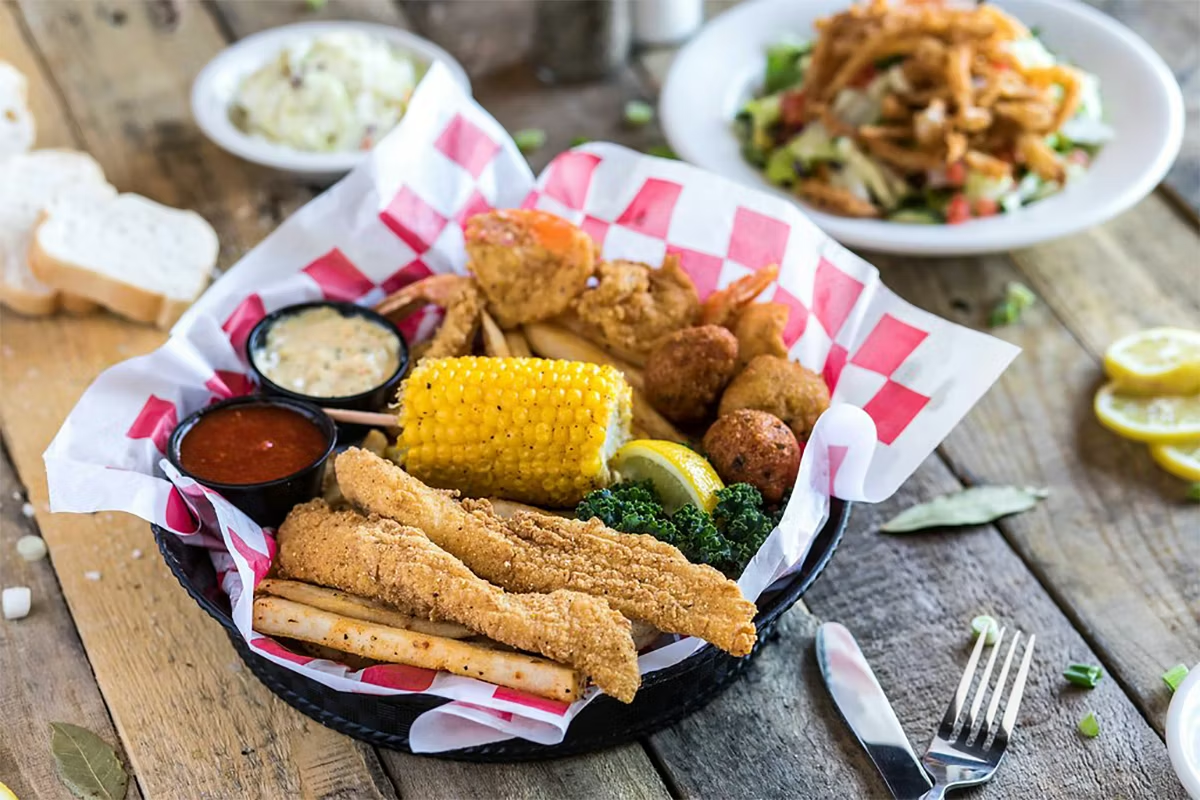
The kitchen times techniques for consistency, maintaining mise en place for sofrito, steady whisking of roux, and controlled heat for blackened fish. Plates are composed for texture and contrast, with crisped andouille alongside tender rice and pickled slaw cutting through the richness. Service-driven portions and allergy labeling influence presentation, and the single-minded focus remains on bold seasoning, rustic technique, and communal flavors delivered reliably in the Cajun restaurant and seafood offerings.
Where to Taste Authentic and Regional Cajun Varieties
The techniques you just read about come alive in the places where Cajun cooking has been practiced and perfected for generations, so the next step is knowing where to taste those regional differences yourself.
Start in rural Acadiana, where small bistros, backyard fais-do-dos and roadside shacks offer gumbo, boudin and cracklin’ made the old way. In New Orleans you’ll find a Creole-Cajun crossover with smoky jambalaya and etouffée built on richer stocks.
Head west into prairie towns to sample spicier, meat-forward plates, and travel east toward the bayous to experience seafood-driven, peppered stews.
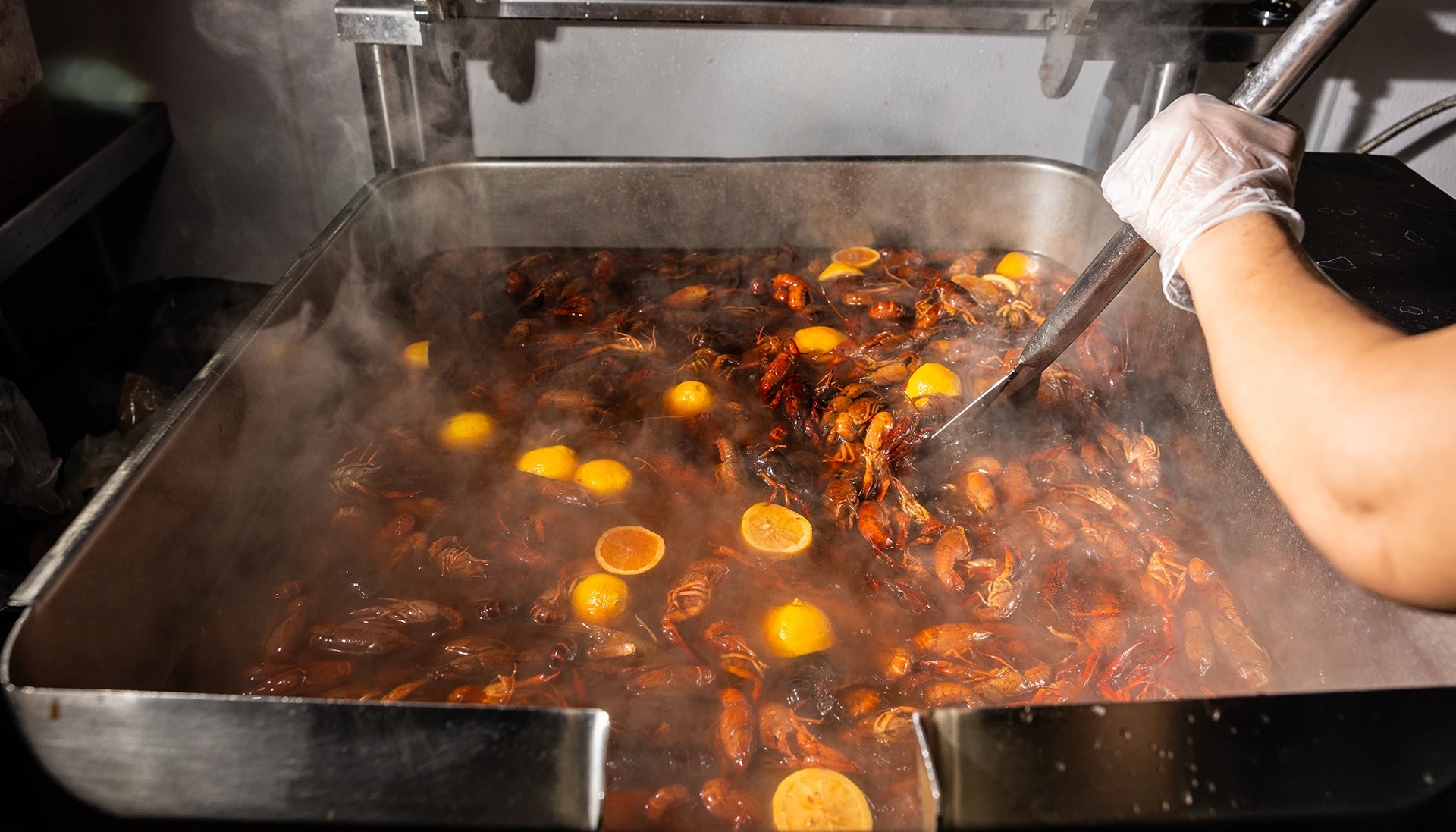
Seek out Cajun restaurants that grind their own spices, boil crawfish in season and serve family-style, because those kitchens often showcase the truest regional expressions of Cajun cuisine. Locals know the best spots, and daily specials at authentic places often highlight the most traditional preparations.