Why Cajun Cuisine Pairs So Well With Casual Dining
Cajun food naturally suits casual dining because its bold, unfussy flavors and big one‑pot dishes invite sharing and quick service. Cajun cuisine plates like gumbo, jambalaya, and seafood boils are built for passing around, reaching for extra napkins, and enjoying easy leftovers. That hands‑on, communal way of eating lets people focus on conversation and comfort rather than formality, and menu design, service style, and atmosphere can amplify that fit. Razzoo’s Cajun Cafe captures this spirit by pairing hearty Cajun flavors with a relaxed, welcoming setting.
Quick Answer: How Cajun Cuisine Makes Casual Dining Work
Cajun cuisine brings bold flavors and straightforward preparations that make casual dining feel effortless. Cajun food delivers hearty, well-seasoned dishes that travel well, share easily, and don’t demand formal plating or long waits, so diners can relax and dig in.
Many recipes are built for speed and concentrated flavor, including one-pot stews, skillet sautés, and sheet-pan roasts that let a Cajun restaurant feed a crowd without fuss. Season mixes and aromatic bases shorten prep time and allow cooks to focus on conversation rather than complex techniques.
Portions tend to be generous and forgiving, and leftovers often taste even better. Cajun seafood and other dishes are easy to pack for picnics, tailgates, or quick weeknight plates while delivering bold, comforting flavors that don’t ask for ceremony.
Why Cajun Food Invites Relaxed, Communal Eating
When you sit down to a spread of gumbo, jambalaya, or a big tray of boiled seafood, the meal invites you to relax and share because it’s seasoned for a crowd and served without pretense. You instinctively reach across the table to ladle generous portions and pass bowls around, and the bold, homey flavors of Cajun cuisine encourage conversation instead of ceremony.
Plates get messy and napkins pile up, which is part of the point since the focus is on connection rather than etiquette. Communal dishes let you taste one another’s picks, compare spice levels, and swap stories about family recipes from the Cajun food tradition. You eat slowly while savoring smoky roux and spicy sausage, and the relaxed pace turns dinner in a Cajun restaurant into an event where company matters as much as what’s on your plate.
Use One-Pot Cajun Techniques to Speed Service and Cut Cleanup
Relying on one-pot techniques speeds service and cuts cleanup without sacrificing the bold flavors diners expect from Cajun cuisine. Large, heavy pots are ideal for layering aromatics, proteins, and starches so everything finishes together and hits tables hot in a Cajun restaurant setting.
Proper timing of steps allows components to finish concurrently: proteins are seared, onions and bell peppers are sweated, spices are added, and then liquids and grains or legumes go in. Portions can be served directly from the pot into bowls or trays to minimize transfers and reduce dish counts when offering Cajun food or seafood dishes.
Staff training on order timing and simple garnish stations keeps plating efficient while preserving the integrity of traditional Cajun profiles. One-pot cooking also stabilizes mise en place and reduces the need to chase ingredients during rushes, which helps shorten turnaround between covers and lowers dishwasher load.
Cajun Dishes Best for Casual Service (Gumbo, Jambalaya, Boils)
A handful of hearty Cajun dishes—gumbo, jambalaya, and seafood boils—deliver the bold flavors and service-friendly format casual diners expect.
Gumbo is ideal for a Cajun restaurant because it improves overnight, stays hot in a steam well, and allows quick portioning during rushes.
Jambalaya serves as a one-pot, complete meal that’s easy to plate or to present family-style, and it scales without losing texture.
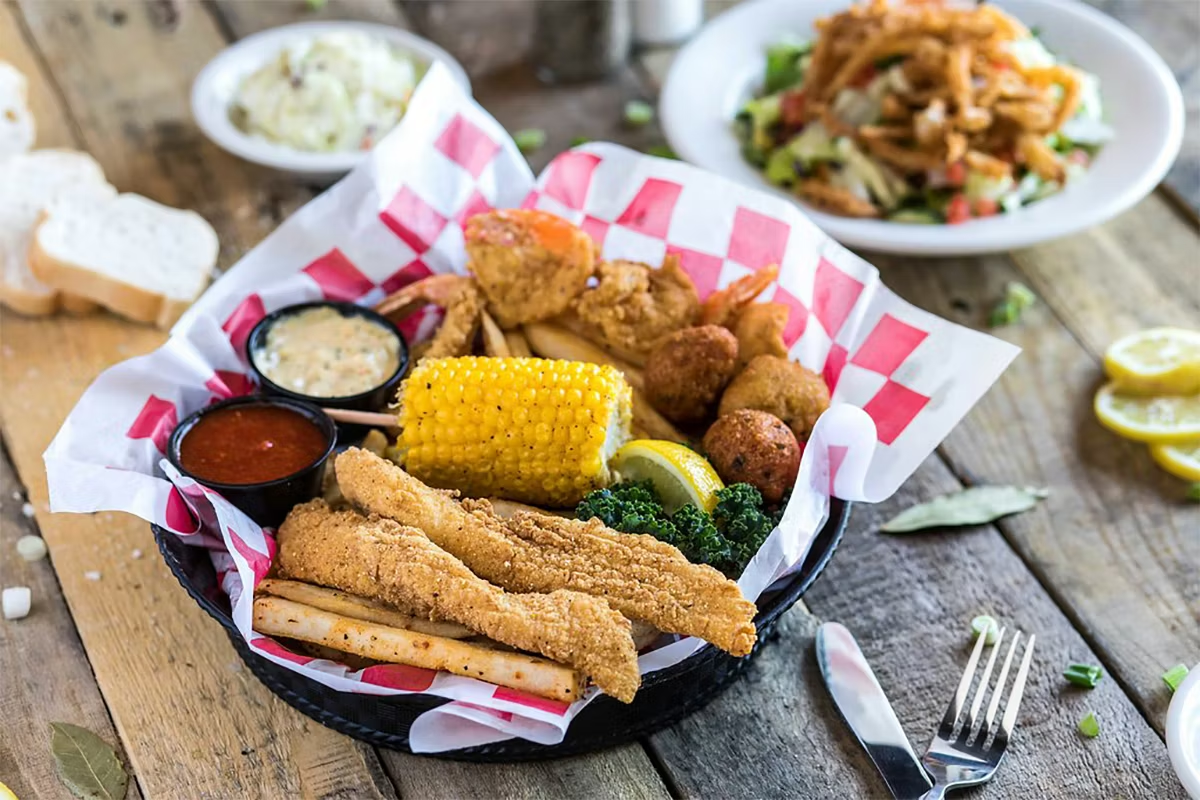
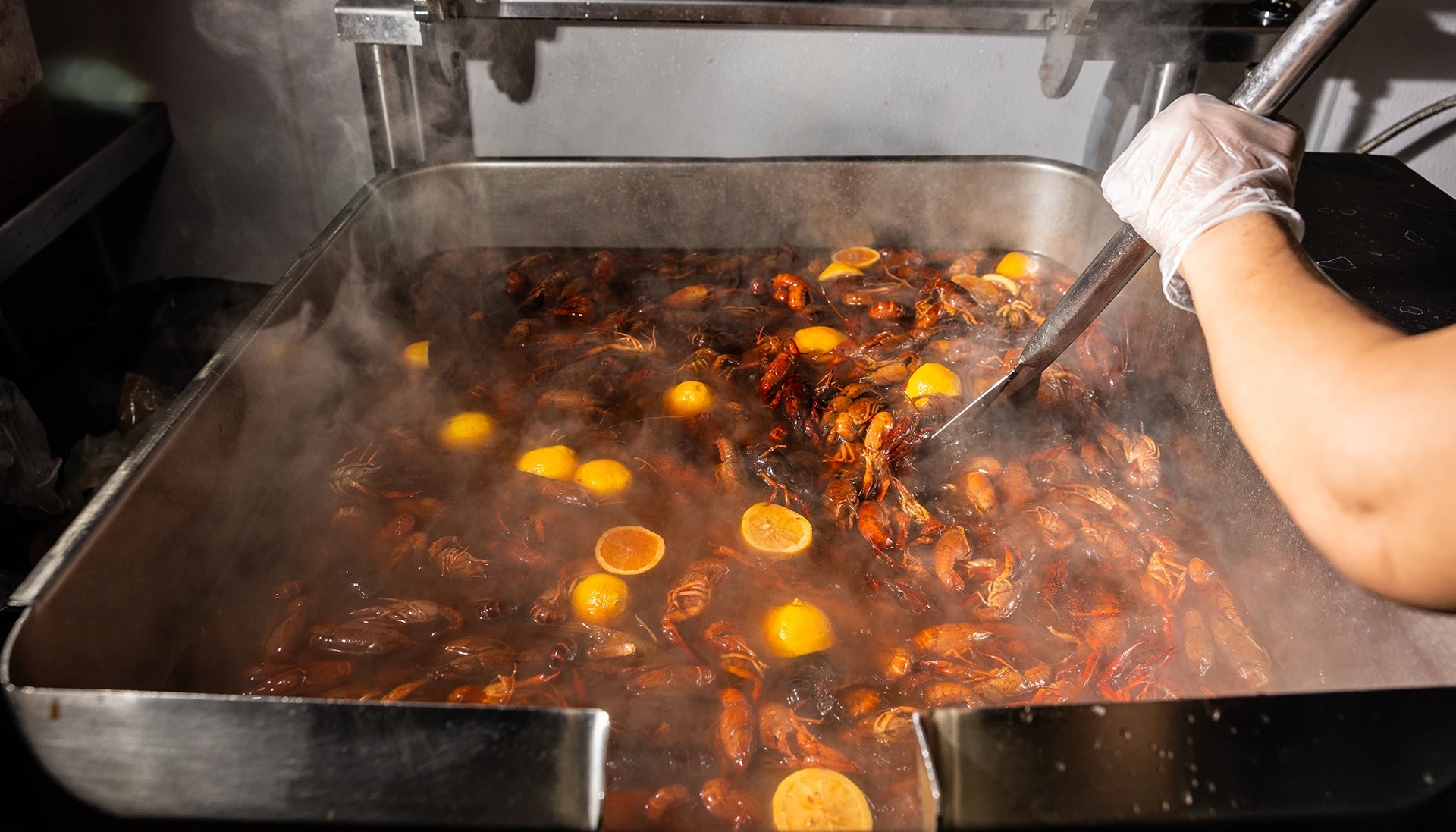
Seafood boils create theatrical, communal dining when served on paper and they reduce time spent on individual plating while encouraging conversation.
Each dish tolerates batch cooking, simple reheating, and robust seasoning that holds up under heat lamps.
Sturdy accompaniments such as crusty bread or a crisp slaw help maintain fast, satisfying service in a busy dining room.
Menu Tips: Turn Cajun Classics Into Casual Plates
You have the heavy hitters—gumbo, jambalaya, and boils—that suit high-volume service, and you can reshape them into casual plates that fit grab-and-go, bar, and counter dining. Trim components by focusing on a single protein, reducing sauce volume, and concentrating flavors so Cajun cuisine travels well.
Serve gumbo as a handheld po’boy topping or as a rice bowl packaged to hold up during transit. Turn jambalaya into burrito-style wraps or skillet-topped fries that make the Cajun restaurant menu more shareable.
Present seafood boils as deconstructed boxes with seasoned corn, potatoes, and shellfish on skewers for easy eating. Standardize portion sizes, streamline prep steps, and cross-utilize mise en place to speed service while keeping the spirit of Cajun food.
Label spice levels clearly and offer simple add-ons such as pickles, slaws, and hot sauces so guests can customize without adding extra labor.
Beverage Pairings for Cajun Heat and Easy Drinking
When heat and spice take center stage in Cajun cuisine, pairings should cool, cut, or complement without competing. Crisp, low-alcohol beers such as pilsners or wheat beers refresh and tame capsaicin without masking the flavors of Cajun food or seafood.
Off-dry Rieslings and unoaked Sauvignon Blancs bring bright acidity and a touch of sweetness that balances spicy Cajun dishes.
Sparkling water with citrus or a lightly sweetened iced tea provides nonalcoholic relief and clears the palate between bites of Cajun fare.
Simple highball cocktails like a vodka soda with lime or a ginger beer mule add fizz and cooling contrast to seafood plates without heavy bitters.
Portioned options and consistent pours help a Cajun restaurant serve drinks quickly while keeping guests comfortable.
Service Styles That Fit Cajun Food (Family-Style, Buffet, Boil)
Cajun food often shines brightest when it’s served communally through family-style platters, self-serve buffets, or hands-on boils. Serving large trays of jambalaya, gumbo, and roasted vegetables invites guests to pass plates, sample bites, and talk while they eat.
Buffets allow diners to customize heat and portion without slowing the flow and suit casual events where people come and go. A traditional seafood boil turns dining into an experience by spreading butcher paper, providing mallets and bibs, and encouraging guests to dig in with their hands.
These service styles reduce formality, foster conversation, and make Cajun cuisine feel like a shared celebration rather than a plated performance.
Scale Spice and Portions for Families, Crowds, and Picky Eaters
A little planning makes it easy to scale Cajun heat and portions so everyone at the table eats well, from spicy lovers to picky kids. Separate base dishes such as rice, beans, and potatoes from seasoned proteins and sauces so guests can customize spice levels.
Offer a mild, medium, and hot sauce or spice blend on the side, label each one, and suggest complementary pairings for Cajun cuisine and seafood dishes. Portion casseroles or baking pans into kid-sized servings for families and keep a plain protein option like lightly seasoned grilled chicken available.
For crowds, use buffet trays with clearly marked spice levels and provide serving utensils that help control portions in a busy Cajun restaurant-style setup. Present components deconstructed for picky eaters so they can assemble what they like without forcing everyone to sacrifice authenticity.
Simple Atmosphere and Décor Moves to Sell the Cajun Vibe
A few thoughtful touches can turn ordinary seating into a Cajun scene by emphasizing warm lighting, rustic textures, and unmistakable accents that evoke Cajun cuisine and seafood traditions.
Edison bulbs or low-watt pendants over communal tables create intimacy while maintaining service flow. Reclaimed wood tabletops paired with metal chairs or leather banquettes contribute to a lived-in Southern feel that complements a Cajun restaurant setting.
Framed vintage prints of bayous and fishing scenes, woven baskets, and discreet greenery such as potted ferns reinforce the atmosphere. A limited palette of deep reds, mustard, and weathered wood lets accents pop against the backdrop.
Soft Zydeco or jazz at low volume sustains energy while keeping conversation easy. The décor should be layered yet uncluttered so every item enhances the flavor-forward, unpretentious dining experience.