From Puebla to Louisiana: How Spicy Food Connects Cinco De Mayo and Cajun Culture
You’ll notice heat threads Puebla and Louisiana together in homes, markets, and festivals, where roasted chiles, smoky sausage, and tangy pickles spark conversation and memory. You’ll learn how peppers and techniques moved with people and trade, and how Cajun cuisine adapted those flavors into dishes that celebrate local seafood and the bounty of the bayou. You’ll see how cooks balance fire with acid and cream, and how spicy dishes in both traditions mark survival as much as celebration. Along the way, you might even spot a familiar name like Razzoo’s Cajun Cafe mentioned as an example of how Cajun food keeps those flavors alive.
Quick Cinco–Cajun Overview: Why Heat Links Them
Start with heat: both Cinco de Mayo and Cajun culture celebrate bold, spicy flavors that bring people together.
You’ll notice chili-forward dishes at family tables and street festivals, where smoke, vinegar, and pepper oil cut through rich proteins and starches.
You’ll find layered heat in Mexican salsas with bright citrus and herbs and in Cajun cuisine with dark roux and cayenne in stews and seafood boils.
You’ll also spot shared techniques such as pickling, slow braising, and finishing with acidic or herbal notes to sharpen spice.
Though ingredients and cultural histories differ, spice performs the same social work by sparking conversation, marking regional identity, and turning communal meals into memorable celebrations of flavor.
How Chiles Traveled : Key Peppers, Routes, and Exchanges
If heat is the common language at your table, chiles are the words that traveled the farthest to speak it.
You can trace their path from domestication in Mesoamerica, where early cultivars spread across Mexico, to European ships that carried capsicum to Europe, Africa, and Asia after Columbus.
Portuguese and Spanish traders introduced peppers to the Gulf Coast and Caribbean, and those chiles blended with West African and Indigenous traditions to shape local flavors.
In Louisiana, cayenne and tabasco descended from those exchanges and adapted to local soils and tastes, finding a home in Cajun cuisine and the seafood and spice-driven dishes of the region.
Key peppers—ancho, jalapeño, habanero, cayenne—moved with people, trade, and crop diffusion and helped shape regional palates.
Culinary exchange looks like migration when you follow seeds, recipes, and techniques as they travel together and evolve in new places, whether on the plate at a Cajun restaurant or in a coastal seafood boil.
Puebla Flavors That Shape Cinco De Mayo Dishes
Centered in Puebla, the flavors that define many Cinco de Mayo dishes are bold, layered, and rooted in a mix of Indigenous ingredients and Spanish techniques found in every mole, chile en nogada, and pipián. Toasted seeds, nuts, and dried chiles are blended with chocolate, toasted tortillas, and fragrant spices to create sauces that balance bitter, sweet, and smoky. Fresh herbs like hoja santa and epazote lift stews and fillings, while roasted tomatoes and onions add depth. Fruit such as pomegranates, apples, and pears introduces brightness and contrast. Diners learn to appreciate texture through silky sauces, chunky salsas, and crisp garnishes.
These Puebla elements shape the celebratory plates served on Cinco de Mayo and resonate with the bold, soulful flavors that also draw people to Cajun cuisine and many a Cajun restaurant, where seafood and spice take center stage.
What Gives Cajun Food Its Kick : Cayenne, Smoke, and Pepper Blends
Think of Cajun heat as a layered handshake that begins with an immediate cayenne sting, moves into an underlying smoke from a charred roux or wood-smoked sausage, and finishes with the complex warmth of pepper blends like filé and cayenne-based seasonings.
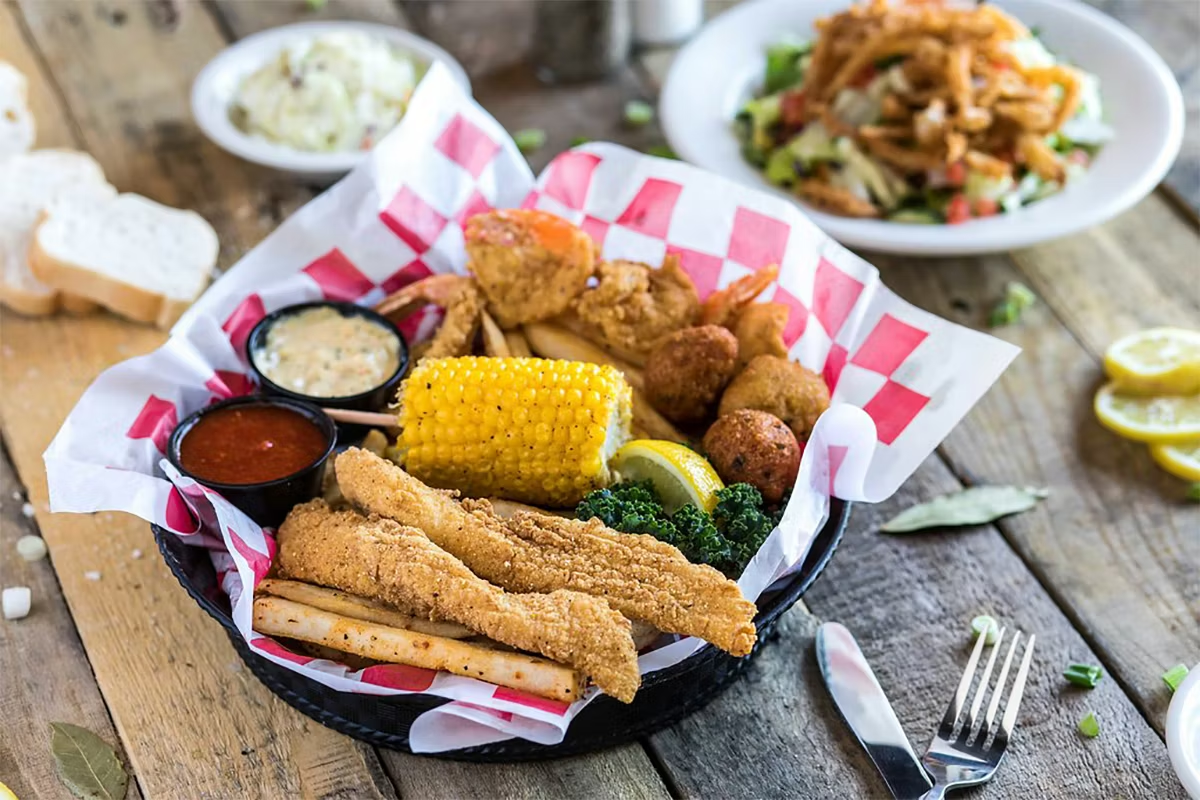
Cayenne provides sharp, fast heat that lifts gumbos, jambalayas, and boudin in Cajun cuisine. Smoked ingredients contribute savory depth to seafood stews and other Cajun dishes rather than pure spiciness. Pepper blends, which are often proprietary mixes of paprika, cayenne, black pepper, and garlic, round flavors and create the signature Louisiana throat-warmth found in a Cajun restaurant.
Filé powder, which is ground sassafras, brings a subtle, aromatic pepperiness and a silky texture when sprinkled at the end. Eating Cajun food delivers an intentional contrast of bright, immediate capsaicin, lingering smoke, and blended spices that knit the whole bowl together.
How Cooks Layer and Temper Heat (Toasting, Dairy, Acid, Smoke)
Layering heat balances contrasts: toasting amplifies pepper oils and adds nutty bitterness, dairy tames capsaicin’s burn with fat and casein, acid brightens flavors while cutting perceived heat, and smoke contributes depth without increasing spiciness.
In Cajun cuisine, cooks toast whole chiles or seeds to release essential oils and then grind them for focused warmth that complements seafood dishes. Chefs in a Cajun restaurant often fold in crema, buttermilk, or a pat of butter to soften fierce edges and allow other flavors to emerge. A splash of lime, vinegar, or tomatoes wakes the palate and makes heat feel livelier rather than harsher. Smoked paprika or charred peppers add savory complexity to gumbo and other Cajun food while keeping the heat steady, and thoughtful sequencing—toast first, temper later—provides control and balance.
Signature Dishes Compared: Mole & Tacos vs. Gumbo & Jambalaya
Although both cuisines celebrate bold spice and communal eating, Mexican mole with tacos and Louisiana gumbo with jambalaya showcase different approaches to layering flavor and texture.
Mole builds complexity through long-simmered chiles, toasted seeds, nuts, chocolate, and aromatics to create a glossy, integrated sauce that cloaks proteins and tortillas. Tacos allow those individual elements to shine, with fresh cilantro, onion, and lime providing brightness against the density of the mole.
In contrast, Cajun cuisine relies on a dark roux, the holy trinity, and seafood or sausage to deliver deep, savory umami in a bowl of gumbo. Jambalaya incorporates rice into the pot so it absorbs broth, spices, and browned meat directly, producing a one-pot textural interplay.
Diners often appreciate the sauce-first artistry of mole as well as the hearty, charred contrasts of Cajun food and seafood-driven dishes.
Heat as Culture: Resilience, Hospitality, and Celebration
Beyond the plates themselves, heat functions as a language of survival, welcome, and joy in both traditions. You feel resilience in chile’s bite, cayenne’s sting, and the bold heat that seasons Cajun cuisine—flavors that helped communities endure hardship, preserve food, and assert identity.
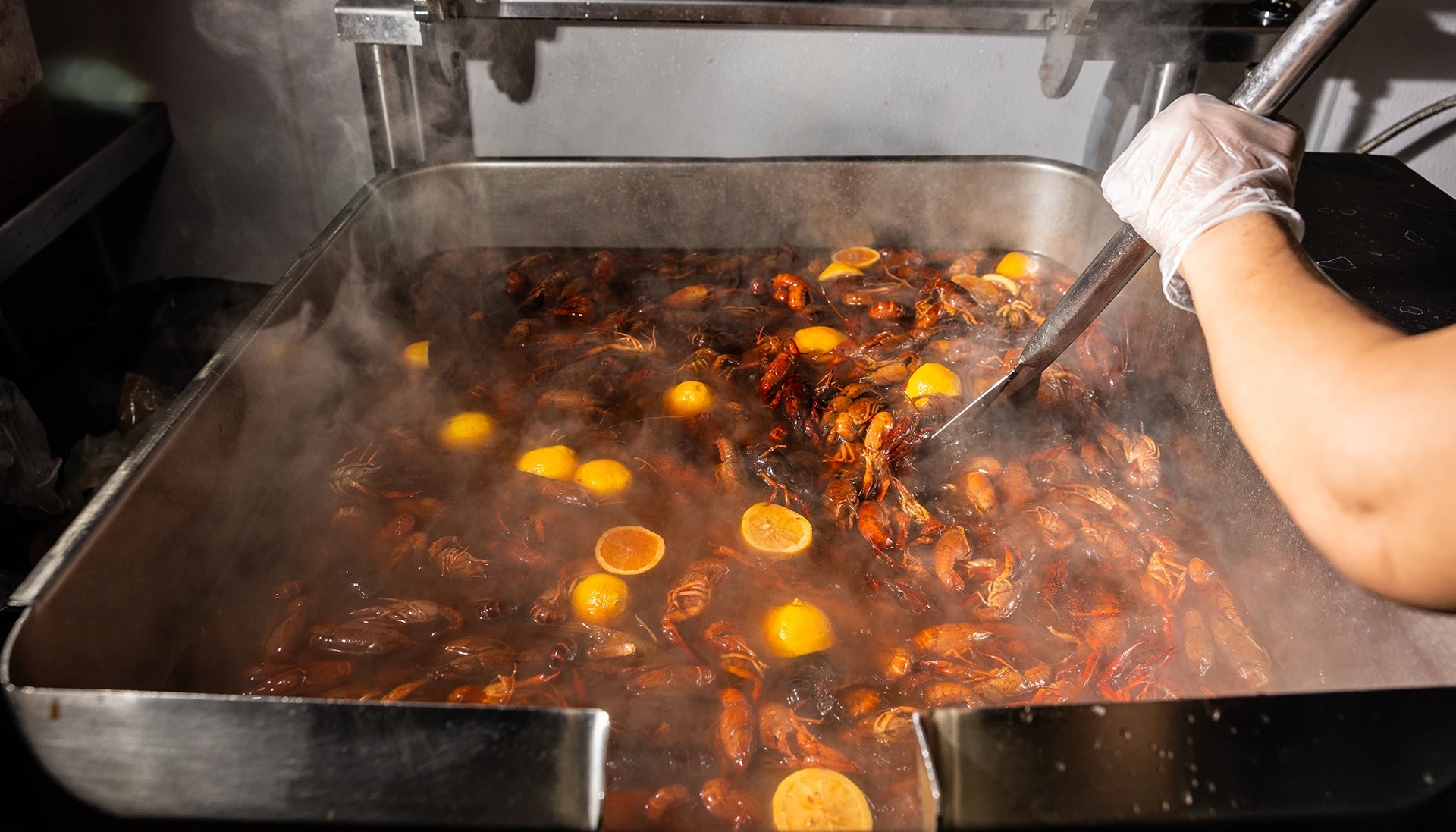
You recognize hospitality when a host offers steaming bowls of gumbo or spicy seafood étouffée in a Cajun restaurant; spice becomes a generous gesture that says you belong. During celebrations, heat amplifies communal energy as laughter, storytelling, and toasts cut through smoke and spice at long tables piled with crawfish and other seafood.
You learn cultural memory through recipes passed down, each pinch a deliberate act of remembrance and resistance. Heat teaches adaptability too, guiding substitutions and seasonings that keep dishes alive across generations and geographies while honoring their origins.
Cinco–Cajun Fusion Recipes and Smart Ingredient Swaps
Blending Mexican chiles, fresh cilantro, and lime with Cajun staples like smoked sausage, file, and dark roux creates dishes that honor both traditions without feeling forced.
You can swap poblanos for andouille in a stuffed pepper jambalaya that pairs rice, tomatoes, and onion for a smoky, tangy profile.
Corn tortillas can act as dumplings in a spicy gumbo when masa is folded into the broth to add body and corn sweetness.
Finishing étouffée with crema instead of heavy cream yields a sharper, lighter result that complements seafood and Cajun cuisine flavors.
Adding the Cajun trinity of celery, bell pepper, and onion to roasted tomato salsa brings deeper savory notes that suit a Cajun restaurant menu.
Balancing heat with acid and texture using lime, pickled okra, or crisp cabbage brightens rich, spicy sauces so each element remains distinct.
Hosting Tips: a Spicy Cinco De Mayo With Cajun Flair
Plan a lively spread that celebrates both Cinco de Mayo and Cajun soul, featuring bold chiles, bright citrus, and a few smoky, roux-rich dishes so guests can graze, sip, and sample without feeling overwhelmed.
Set up stations that include a taco bar with grilled shrimp seasoned in Cajun spice and a pot of spicy gumbo that highlights classic Cajun cuisine.
Provide a condiment table with pickled jalapeños, remoulade, cilantro, and lime wedges, and offer clear labels for heat levels and allergens.
Serve cocktails such as micheladas and a spicy whiskey punch, alongside nonalcoholic options like agua fresca and sweet tea.
Use sturdy plates and napkins to handle messy bites, and prepare sauces and components ahead of time to make the party more enjoyable.
Play a playlist that blends Mexican and Louisiana rhythms, and arrange flexible seating to encourage mingling and second helpings.