Jalapeño Catfish or Jalapeño Poppers? Why Rat Toes Beat the Classics This May
If you like a jalapeño hit with more snap than sog, you’ll want to try Rat Toes this May. These thin, cornmeal‑kissed bites crack open to reveal smoky catfish and a bright pepper kick. They feel lighter than cheese‑stuffed poppers and more inventive than plated catfish from a typical Cajun cuisine menu. Perfect for sharing, they pair well with remoulade or aioli and showcase the bold flavors of Cajun food and seafood traditions. You can find them at Razzoo’s Cajun Cafe this month.
What Are Rat Toes? Ingredients and Snack Format
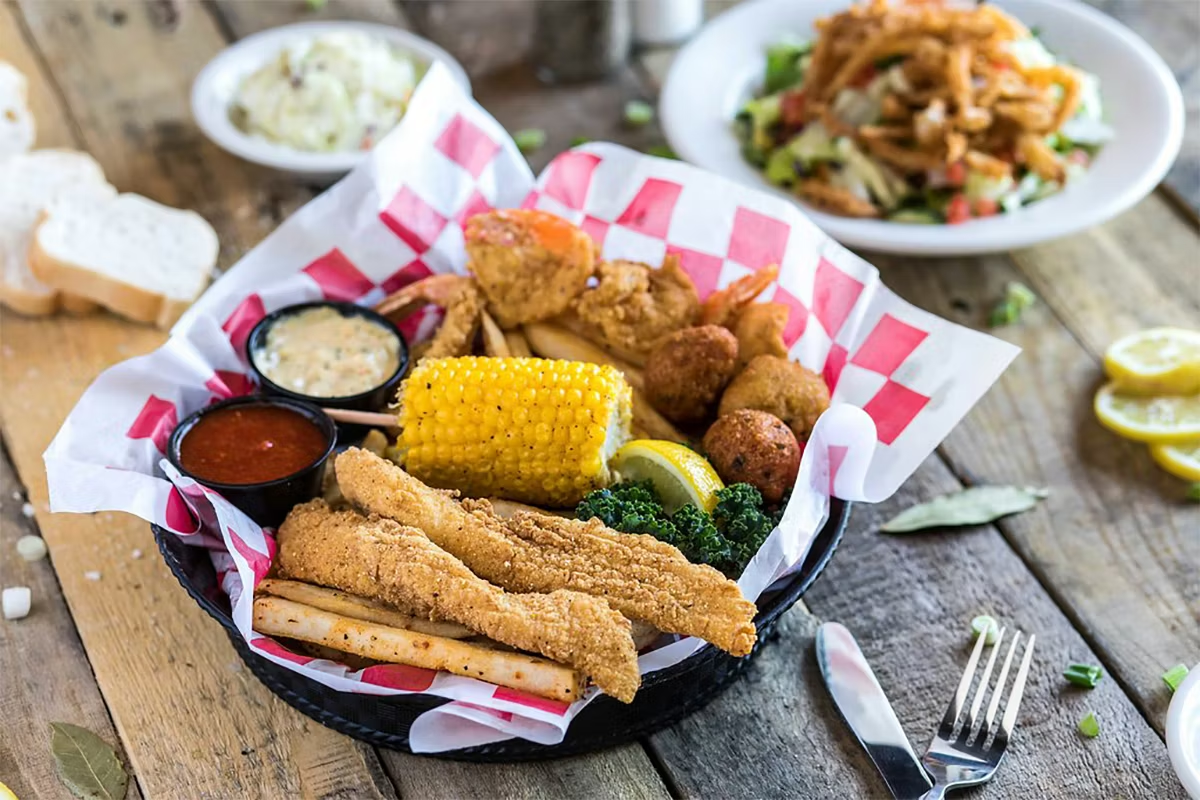
Picture a spicy, finger-ready snack: rat toes are battered or breaded strips of catfish—or sometimes whitefish—seasoned with jalapeño and other spices, then fried until crisp. They’re commonly served in Cajun cuisine and appear on menus at many a Cajun restaurant and seafood-focused spot.
The pieces are cut into thin, toe-like shapes for easy grabbing, and the batter can be beer-based, cornmeal, or panko to provide varied crunch. Inside the coating, the fish remains flaky and moist, while jalapeño contributes a bright, smoky heat rather than overwhelming spice.
Common seasonings include garlic, onion powder, and a touch of cayenne, and some versions incorporate chopped peppers or cheddar for extra bite. Rat toes are typically offered with dipping sauces such as ranch, remoulade, or spicy aioli, and they’re well suited to casual gatherings and bar menus as a handheld appetizer.
Quick Comparison: Rat Toes vs Poppers vs Jalapeño Catfish
If you enjoyed the idea of rat toes, it helps to compare them side-by-side with jalapeño poppers and jalapeño catfish to understand how flavor, texture, and serving style differ.
Rat toes are handheld with a often crispy exterior that delivers concentrated heat and inventive fillings, so you get quick, punchy bites that fit well into Cajun cuisine snack offerings.
Poppers are creamier and more cheese-forward, and they tend to be milder overall while serving as familiar appetizers for sharing.
Jalapeño catfish combines flaky seafood with pepper heat and a savory, sometimes battered coating, which makes it a plated main rather than finger food.
You might choose rat toes when you want snackability and novelty, poppers when you prefer crowd-pleasing creaminess, and catfish when you’re seeking a more substantial, sit-down meal with balanced spice and protein at a Cajun restaurant or on a Cajun food menu.
Why Rat Toes Win : Texture, Heat, and Nostalgia
Rat toes deliver a crisp bite, concentrated heat, and a familiar back-of-the-mind comfort that often lets them outshine poppers and catfish in casual Cajun settings.
Their texture is immediately noticeable: a thin, crunchy shell gives way to a juicy, slightly smoky interior so each mouthful feels balanced rather than heavy.
The heat is focused and pure, allowing jalapeño flavor to hit immediately without being masked by cheese or thick batter, which makes chile nuance and oil-roasted seeds easy to taste.
These snacks also carry nostalgia; they evoke porch gatherings, tailgates, and quick bar orders, so eating them feels social and effortless within the context of Cajun food and seafood-focused menus.
Compared with thicker, messier options, rat toes deliver precision in crispness and pointed spice, and their simple, memory-triggering quality keeps people reaching for another.
Make Rat Toes at Home: Easy Recipe and Pro Tips
Make these rat toes at home using a simple batter, fresh jalapeños, and a few pro tricks that keep them crisp and perfectly spicy.
Slice the jalapeños into uniform strips, remove the seeds if you want milder heat, and pat them dry so the batter adheres properly.
Mix flour, cornmeal, a pinch of baking powder, salt, and cold sparkling water to create a light, airy coating that complements Cajun cuisine and other spicy seafood dishes.
Heat the oil to 350–365°F (175–185°C) and fry the jalapeño strips in small batches to prevent the oil from cooling too much.
Drain the fried jalapeños on a rack rather than on paper to avoid sogginess and to maintain their texture, as you might expect at a Cajun restaurant that specializes in crunchy appetizers.
For extra crunch, try a double-dip method by battering, briefly chilling, and battering again to achieve a more substantial crust.
Finish the dish with flaky salt and a squeeze of lime to brighten the flavors, and serve immediately with a cooling dip such as ranch or crema that pairs well with Cajun food.
Menu Swaps, Pairing, and Where to Try Rat Toes This May
When you plan a menu swap or pairing for May gatherings, rat toes make a lively, shareable option that fits naturally into Cajun cuisine, Southern fare, or pub-style menus. They slide easily into a Cajun restaurant lineup as a fun alternative to jalapeño poppers on a game-day board.
Rat toes can replace hush puppies at a seafood boil or be served alongside fried catfish for a playful contrast. Cold lager, crisp sauvignon blanc, or a citrusy mojito pair well with their richness, and pickles, remoulade, and hot honey make appealing dipping companions.
Local gastropubs, seafood shacks, and Cajun food kitchens often promote seasonal specials that include them, and farmers’ markets sometimes feature pop-up vendors offering small-batch versions. Ask chefs about spice level and filling, and consider ordering a sampler to compare textures and heat before deciding which preparation you prefer.