Cajun Buttermilk vs. Salsa Verde: Which Dipping Sauce Wins on Cinco De Mayo?
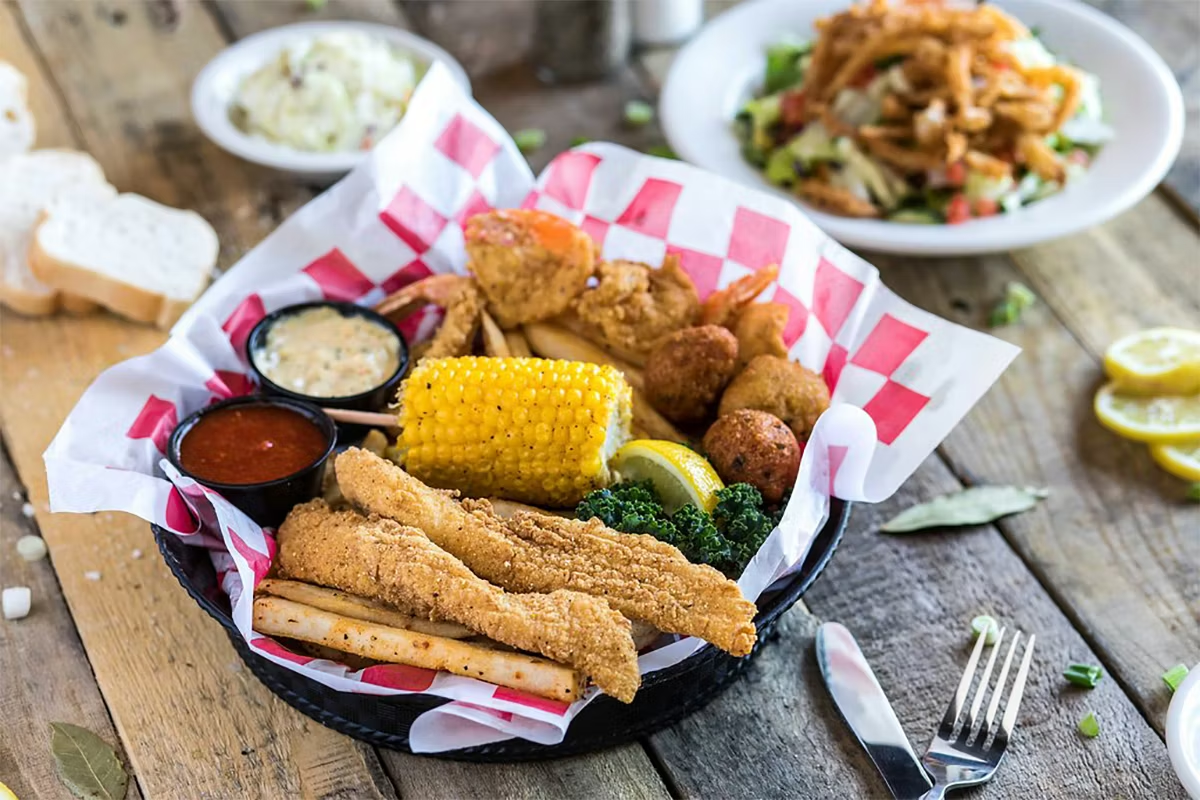
You’re planning a spread for Cinco de Mayo and wondering which sauce will steal the show: zippy salsa verde or rich Cajun buttermilk. Both sauces bring bright flavor and confident heat, and they play very different roles on tacos, fries, and seafood. The tang of salsa verde cuts through rich fillings while the creamy Cajun buttermilk nods to Cajun cuisine with its spice and smoothness. Cajun food lovers will appreciate how the buttermilk sauce complements fried seafood and bold proteins, and fans of lighter, herb-driven condiments will gravitate toward the verdant punch of salsa verde. I’ll outline taste, pairings, and prep so you can see which sauce fits your menu, and I’ll mention how Razzoo’s Cajun Cafe showcases Cajun flavors in a way that pairs well with a festive Cinco de Mayo spread.
Quick Verdict & Decision Framework: Salsa Verde vs. Cajun Buttermilk
If you want a bright, herb-forward dip that cuts through fatty foods, choose salsa verde. If you’re after a creamy, smoky sauce that adds richness and a touch of heat, select Cajun buttermilk. Your choice will depend on pairing, texture, and crowd preference.
Salsa verde’s acidity refreshes the palate when served with fried or fatty bites and is an excellent match for seafood dishes. Cajun buttermilk’s cream and spice complement the char of grilled meats and work well with classic Cajun cuisine flavors.
Salsa verde often requires less hands-on blending, while Cajun buttermilk needs emulsifying and chilling. Match the intensity of the sauce to your main dish so it balances the meal without overpowering it. If guests vary in taste, offering both sauces with clear flavor descriptions lets people pick boldly or play it safe.
Salsa Verde : Taste, Heat, Texture, and Key Ingredients
Salsa verde delivers a surprising amount of punch with relatively few ingredients. Bright, tangy tomatillo sweetness is balanced by the sharpness of onion and garlic. Cilantro provides a fresh, herbal lift that brightens the overall profile.
The heat most often comes from jalapeño or serrano peppers, which offer an adjustable, immediate, and vegetal burn rather than a smoky one. Texture can range from silky and blended to chunky and rustic, and methods like roasting or boiling tomatillos and chiles alter viscosity and depth. Lime or vinegar adds brightness and helps preserve the flavors while anchoring the sauce. Salt sharpens nuance and awakens the palate.
Typical proportions favor tomatillos for bulk, a modest pepper presence for heat, and herbs for contrast, which keeps the salsa verde vibrant and versatile enough to complement Cajun food, Cajun cuisine, or seafood dishes in a casual Cajun restaurant.
Cajun Buttermilk : Flavor, Spice Level, and Mouthfeel
Think of Cajun buttermilk as a cooling, savory counterpoint to the bold flavors of Cajun cuisine.
Tangy cultured buttermilk gives the base a lactic brightness while a blend of cayenne, paprika, garlic powder, and black pepper layers in warm, smoky heat. You’ll notice an initial mellow tang that soothes the tongue, followed by a steady crescendo of spice that’s persistent without being aggressive.
The texture is luxuriously thin-cream, offering slipperiness that coats without clinging so flavors disperse evenly.
Salt and a hint of acidity sharpen herbs like chives or parsley and add freshness that complements seafood and other Cajun dishes. Overall, the cooling dairy tempers the Cajun kick and makes the sauce approachable yet flavorful with a smooth mouthfeel that invites another dip.
Pairings Compared: Chips, Tacos, Seafood, Veggies, and More
When choosing a dip, consider how Cajun buttermilk and salsa verde play distinct supporting roles. The Cajun buttermilk cools and complements fried seafood, roasted vegetables, and spicy tacos with a creamy, tangy counterpoint. Salsa verde brightens chips, grilled meats, and fresh tacos with zesty, herb-driven acidity.
You’ll reach for Cajun buttermilk when you want richness, as thick-cut fries, beer-battered shrimp, and charred corn relish all benefit from its soothing heat and tang. Salsa verde provides contrast for tortilla chips, grilled flank steak, fish tacos with cabbage, and avocado slices by adding tomatillo brightness.
For vegetable preparations, buttermilk pairs especially well with roasted root vegetables, while salsa verde lifts raw or blanched crudités with fresh herb acidity. These pairings draw on flavors found in Cajun cuisine and seafood-centric cooking to create either cooling or piquant notes.
Prep Time, Cost, and Ease (Recipes & Shortcuts)
Because they start from very different bases, Cajun buttermilk and salsa verde demand different prep times, costs, and effort, so pick the one that fits your schedule and pantry.
Cajun buttermilk is quick if you have buttermilk or sour cream and a spice stash, and you can whisk in paprika, cayenne, garlic powder, and Creole seasoning in five minutes. It’s low-cost if you already buy dairy and dried spices, and you can make larger batches easily for a family dinner or a Cajun restaurant-style spread.
Salsa verde takes more steps because you need to roast tomatillos, chiles, and onion, then blend and simmer or pulse raw for a fresher finish. It’s slightly pricier when tomatillos or fresh herbs aren’t seasonal, and it typically takes 15 to 25 minutes to prepare.
Shortcuts such as using canned tomatillos, jarred roasted chiles, or pre-mixed Cajun spice blends can save time without compromising the bright, tangy flavors that pair well with seafood and other Cajun cuisine.
Who Wins by Party Type: Casual Chips Night, Backyard Grill, Family Meal
If you match prep time and cost to your schedule, the next consideration is which sauce suits each gathering. For a casual chips night, salsa verde wins because it’s bright and fresh and can be spooned into bowls quickly so guests can graze. Cajun buttermilk can work if you want a creamy counterpoint, but it’s heavier and is better mixed for dipping fried snacks rather than straight chips.
For a backyard grill, Cajun buttermilk pairs well with grilled chicken, corn, or shrimp because its smoky, spicy richness complements char and matches well with Cajun cuisine or seafood preparations. Salsa verde still pairs nicely with grilled vegetables and fish for lighter options.
For a family meal, you should consider who’s eating because salsa verde offers kid-friendly, familiar flavors while Cajun buttermilk provides indulgence and crowd-pleasing creaminess that suits Cajun food and hearty home-style meals.
Tips to Serve Both: Timing, Serving Sizes, and Make‑Ahead Notes
Balancing timing and portions makes serving both sauces simple and satisfying for guests.
Chill the salsa verde until just before guests arrive so it stays bright and vibrant alongside Cajun food or seafood dishes.
Keep the Cajun buttermilk refrigerated and give it a quick whisk right before service to restore its smooth, pourable texture.
Serve the salsa verde in a shallow bowl for easy dipping and plan for about 2–3 tablespoons per person when it’s one of several sauces, or 4–6 tablespoons per person when it’s a primary dip.
Allocate roughly 1–2 ounces of Cajun buttermilk per person to provide a creamy complement to Cajun cuisine or a seafood selection.
Make the salsa verde up to 24 hours ahead and store it in an airtight container to preserve its brightness.
Prepare the Cajun buttermilk one to two days ahead when possible, but wait to add bulkier fresh herbs until just before serving to keep their flavor and texture.
Label containers and chill them promptly to maintain true flavors for your guests.