Cinco De Mayo Seafood Boil: How a Cajun Crawfish Feast Beats a Taco Plate
You’ll trade flimsy paper plates and hurried bites for a hands‑on, communal feast that gets everyone leaning in. A Cajun crawfish boil brings steam, bold Cajun cuisine spices, and a shared ritual to Cinco de Mayo, turning a meal into an event that sparks conversation and lingers long after the last shell. Seafood plays a central role in the celebration, and the aroma of seasoned shellfish serves as an irresistible invitation. Razzoo’s Cajun Cafe showcases how Cajun food transforms casual gatherings into memorable experiences. Keep reading to discover the gear, spice mix, timing, and clever shortcuts that make this tradition easier than you might expect.
Quick Verdict: Why a Cajun Crawfish Boil Beats Tacos for Cinco De Mayo
Choosing a Cajun crawfish boil over tacos for Cinco de Mayo transforms the holiday into a lively, communal event rather than a quick meal.
The hands-on nature of Cajun cuisine encourages people to gather around a big table, peel and eat together, and stretch the celebration across hours instead of minutes.
A boil offers variety with shellfish, corn, and potatoes, so guests can pick what they want without assembling individual plates.
The atmosphere of a seafood boil—with steam, spice, and shared rituals—surpasses run-of-the-mill taco lines.
The pacing of conversation naturally flows as diners crack shells and pass platters, creating a memorable, interactive evening that brings people closer and turns dinner into an experience.
Crawfish Gear, Ingredients, and the Cajun Spice Mix
Prepare your gear before the boil by gathering a large stockpot with a strainer basket or a dedicated crawfish pot, a high-BTU burner, and long-handled tools such as a ladle, tongs, and a skimmer. Wear protective gloves or bibs for handling hot, spicy shells while enjoying Cajun food or visiting a Cajun restaurant. Acquire fresh live crawfish along with sweet corn, small red potatoes, smoked sausage, and optional crab or shrimp to expand the seafood selection. Stock up on cooking aromatics including lemons, garlic, onions, and bay leaves to enhance the flavors of your Cajun cuisine. For the signature kick, prepare a Cajun spice mix that combines paprika, cayenne, black pepper, white pepper, garlic powder, onion powder, dried thyme, oregano, and celery seed, and adjust the heat to taste. Include salt, a bit of sugar, and a commercial seafood boil blend as a convenient base if desired.
Make a Cajun Crawfish Boil : Step‑By‑Step Recipe
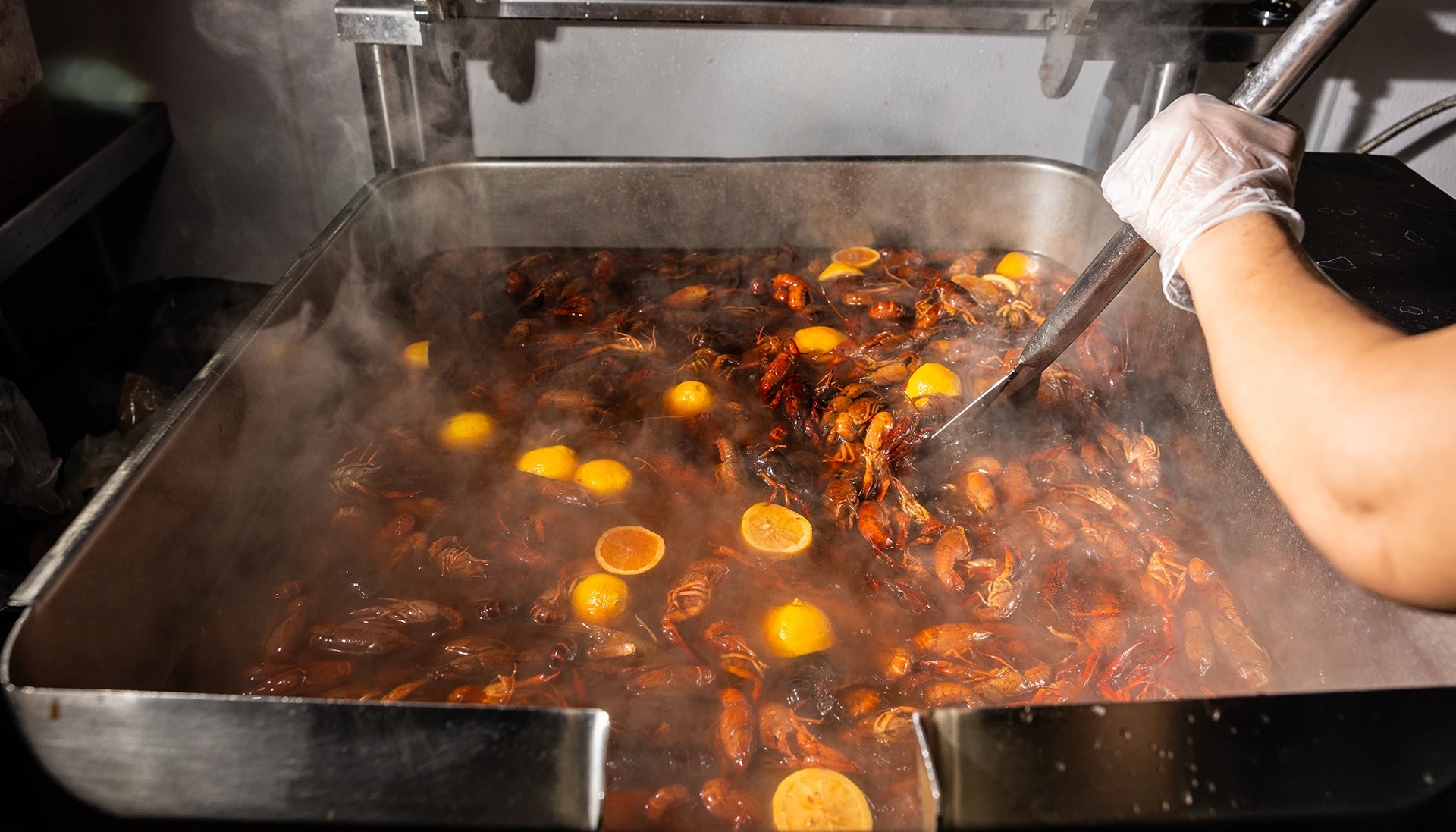
Fire up your burner and bring a large pot of seasoned water to a rolling boil, because this is the moment when the flavors of Cajun cuisine begin to come together. Add your Cajun spice blend, a halved onion, halved lemons, garlic, and bay leaves to infuse the broth with rich, savory seafood and Cajun food notes.
Drop the potatoes in first and simmer them for 10 minutes to start building the base of the boil. Add the corn and sausage and cook for an additional five minutes so they absorb the spicy broth.
Stir in the whole cleaned crawfish while keeping the heat high so the boil remains vigorous and lively, like a festive night at a Cajun restaurant. Boil the mixture for three to four minutes, then turn off the heat and let everything soak in the spicy broth for ten to fifteen minutes to absorb flavor and finish cooking.
Drain the pot and spread the boil on a newspaper-lined table or tray before tossing it with melted butter and extra seasoning to enhance the seafood flavors. Serve the Cajun crawfish hot with lemon wedges and crusty bread for soaking up the juices.
Shortcuts and Make‑Ahead Steps for Feeding a Crowd
Once the boil is finished and the table is set, think about ways to scale the work without slowing the party. You can parboil potatoes and corn the night before, chill them, and then finish cooking them in the seasoned broth just before serving so they absorb spice without tying you to the pot. Peel and devein shrimp earlier and store it on ice in the refrigerator, then toss it into the boiling liquid for a minute to cook through.
Prepare the spice blend and compound butter ahead of time, and warm the butter quickly when guests arrive. Pre-cook sausage and slice it so it can be reheated briefly without losing texture.
Set up stations for shelling, napkins, trash, and wet wipes to keep the seafood spread organized. Use disposable trays and a large bin for shells to simplify cleanup after enjoying Cajun cuisine. Assign one person to manage timing and another to replenish drinks and plates so the gathering runs smoothly.
Drinks, Sides, and Mexican‑Flavor Pairings for Your Boil
Balancing bold, spicy boil flavors with bright Mexican accents keeps every bite lively, so choose drinks and sides that refresh, complement, or echo the heat. An icy cerveza or a chilled agua fresca—such as hibiscus, tamarind, or cucumber‑lime—paired with lime wedges and extra salt provides acidity and chill to cut the spice and cleanse the palate.
Charred corn elote or esquites offer smoky creaminess and cotija crumble that mirror the boil’s richness and pair well with Cajun cuisine. Pickled jalapeños, red onion, and cilantro deliver a sharp, herbaceous contrast to the seafood and Cajun food flavors.
A simple mango‑pineapple salsa adds sweet heat that complements shellfish and enhances the overall Cajun restaurant‑style experience. Warm flour tortillas or bolillos allow guests to scoop up the juices and complete the meal.
Safety, Timing, Portions, and Cost Per Person for Groups
Good planning keeps the party fun and safe, so after you have picked invigorating drinks and sturdy sides, you should sort out timing, portions, and safety for the group. Decide on a serving time and send a clear start window so the seafood and Cajun cuisine are at their freshest, and stagger boil batches if you have more than 12 guests.
Plan for about 1 to 1.5 pounds of mixed shellfish per person, and reduce that estimate if you’re serving lots of sides or expect smaller appetites. Keep raw and cooked seafood separate, chill live or fresh shellfish on ice until cooking, and use a food thermometer to ensure shellfish briefly reach 145°F.
Provide gloves and plenty of napkins for messy shells, and place trash bins within easy reach. For cost planning, divide seafood, spices, and any equipment rental among guests, and expect to pay roughly $12 to $28 per person depending on the protein and seasonality.
Swap‑Ins: Shrimp, Lobster, Vegetarian, and Low‑Spice Options
Swap proteins and adjust flavor levels to match your crowd without losing the communal vibe of a boil. You can substitute shrimp with larger-shell seafood or use lobster in place of smaller crustaceans, and you can create a hearty vegetarian pot with artichokes, corn, potatoes, and smoked tofu or tempeh to echo the textures of Cajun cuisine.
Keep a low-spice batch by removing a portion before adding cayenne and hot sauce so milder eaters enjoy the same sides and textures as those who prefer bolder heat. If you choose shrimp, add them last and cook them three to five minutes in boiling liquid so they remain tender.
Lobster requires more time and benefits from split shells to soak up seasoning and the rich flavors found in Cajun food. When preparing a vegetarian option, parboil firm vegetables and add smoked tofu or tempeh near the end so they absorb spice and complement the seafood and Cajun restaurant-style sauces.
Label pots clearly and provide bowls of sauces and melted butter so everyone can customize heat and richness to their liking.
Hosting Tips: Set Up, Service, Cleanup, and Troubleshooting
Set up distinct stations for cooking, serving, and cleanup so guests can move easily and you can stay on top of timing.
Lay out a prep table with knives, bowls, and seasoning to support preparation for Cajun cuisine and seafood dishes.
Position the boil pot near a stable heat source and establish clear safety barriers around the cooking area.
Create a serving line with paper tablecloths, trays, and plenty of napkins to accommodate messy hands from cracked crab and lobster. Offer gloves and lobster crackers for guests who prefer them.
Assign one or two helpers to replenish sides, maintain drink bins, and keep ice stocked during the meal.
For cleanup, place trash, recycling, and compost bins in plain sight and keep wet wipes and hand sanitizer available for quick cleanups. Troubleshooting supplies should include a spare burner, extra fuel, and a basic first-aid kit.
Taste and adjust seasoning as you go to ensure the flavors meet expectations typical of a Cajun restaurant experience.
Communicate timing to guests so everyone can enjoy hot plates of Cajun food together.