Why Cajun Cuisine Keeps Winning Over New Fans
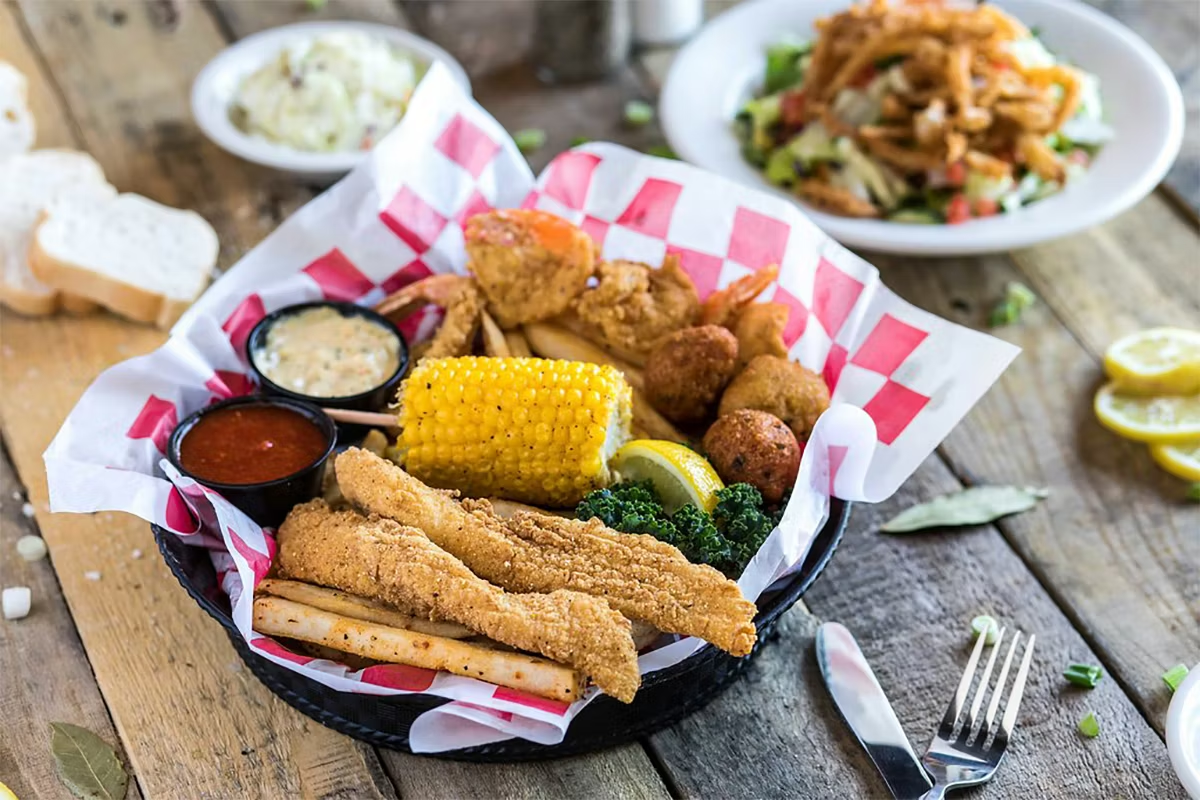
You’ll be drawn in by Cajun food because it hits immediate comfort notes—rich roux, smoky sausage, bright citrus, and fresh Gulf seafood—while still offering layers to explore. Cajun cuisine carries depth from French, African, Spanish, and Native roots, and simple techniques let you cook boldly without fuss. Communal feasts and modern twists keep those flavors alive, and places like Razzoo’s Cajun Cafe showcase how seafood and spice can bring people together.
What Makes Cajun Cuisine So Flavorful
Cajun cooking grew from both necessity and celebration, so it packs layers of flavor in every bite.
The base technique relies on the holy trinity of onion, celery, and bell pepper, which gives dishes a savory backbone. Cooks use slow browning, roux, and bold spices such as paprika, cayenne, and thyme to build depth without overwhelming the main ingredients.
Fresh seafood, smoked sausage, and game provide unique textures that absorb and amplify sauces. Careful salt management and proper timing ensure that flavors meld as the dish cooks.
Simple additions like file powder or a squeeze of lemon brighten stews and rice. Overall, Cajun cuisine rewards hands-on cooking and attentive seasoning, delivering comforting, layered dishes that showcase the best of Cajun food at a Cajun restaurant or home table.
How Cajun’s French, African, Spanish, and Native Roots Shaped the Food
Rooted in a history of migration and exchange, Cajun cuisine blends French technique, African ingredients and spice traditions, Spanish preservation methods, and Native American foraging to create dishes that are richly layered and surprisingly resourceful.
You can notice French influence in roux-based sauces, slow braises, and an emphasis on balance that informs many a Cajun restaurant’s menu. African cooks contributed okra, deep-frying, bold chilies, and communal cooking styles that turn Cajun food into a social event. Spanish settlers introduced curing, pickling, and salt-preservation techniques that stretched supplies and added bright, lasting flavors to seafood and other dishes. Native American knowledge of local plants, smoking, and wild game brought attention to snails, greens, and roots that might otherwise be overlooked.
When you taste Cajun food, you encounter practical techniques fused with cultural creativity that were born from necessity and remain sustained by flavor.
How Regional Gulf Ingredients Define Authentic Cajun Taste
The Gulf’s estuaries and wetlands provide the defining ingredients for authentic Cajun cuisine, including shrimp, oysters, blue crab, catfish, gulf fish, wild game, and a variety of seasonal shellfish. Briny oysters and sweet shrimp create a flavor base for many Cajun dishes, while blue crab and gulf fish contribute firm, flaky contrast.
Muddy catfish and freshwater catches add an earthy depth that pairs well with classic roux and peppery spices. Seasonal availability encourages creative cooking across Cajun food traditions, so rich stews appear when oysters peak and bold boils and sautés dominate during shrimp runs.
Local bayou herbs, filamentous moss, and coastal citrus brighten fattier proteins and reinforce the cuisine’s coastal identity. By relying on what the Gulf provides, Cajun restaurants and home cooks alike preserve an authentic flavor profile rooted in place and tradition.
How Simple Cajun Techniques Build Deep, Rustic Flavor
Those Gulf ingredients shine most when simple, time-tested techniques coax out depth without fuss.
Protein is browned slowly to build a caramelized base, and the fond is deglazed with stock or wine so flavors can mingle gently.
Vegetables are sweated low and slow to release sweetness rather than scorch, and a roux provides body as its color and aroma shift from blond to chestnut.
Stews and gumbo simmer long enough for edges to blur while flavors concentrate and are tasted and adjusted.
Bright herbs or a splash of acid are added at the finish to lift the richness, letting Cajun cuisine and seafood elements express rustic complexity so every bite feels honest and satisfying in a Cajun restaurant setting.
The Role of Spice, Smoke, and Umami in Cajun Dishes
Taste how spice, smoke, and umami work together to give Cajun cuisine its unmistakable punch.
Heat from cayenne and black pepper wakes the palate, while smoky notes from charred peppers, smoked sausage, or the caramelization of a roux add depth.
Savory umami from shellfish, browned meats, and concentrated stocks anchors everything so flavors feel rounded rather than one‑dimensional.
You’ll notice spice layered rather than merely hot, as it seasons early and returns as a finish that guides attention to aromatics like garlic and onion.
Smoke provides contrast by cutting richness and highlighting texture.
Umami builds the backbone of Cajun food, allowing modest ingredients to read as complex.
When you taste jambalaya, gumbo, or blackened fish at a Cajun restaurant, you recognize a deliberate balance in which each element amplifies the others without overpowering them.
Why Cajun Food Feels Like Comfort Food
When spice, smoke, and umami hit together, they do more than make food bold; they make it familiar in a way that comforts you. Cajun food evokes flavors that remind you of home-cooked meals, such as slow-simmered stocks, browned roux, and herbs that season rather than overpower.
Cajun cuisine balances heat with richness so each bite warms you without overwhelming your senses. Tender proteins, silky gravies, and sturdy rice or cornbread create textures that anchor a meal and make it feel grounded.
Braising and stewing produce depth over time, giving dishes a lived-in, dependable character. Even simple bowls of gumbo or seafood jambalaya offer a layered calmness, providing predictability and pleasure that soothe appetite and mood alike.
Why Communal Boils and Gatherings Matter
Pull up a chair and you’ll see why communal boils and gatherings matter: they turn cooking into conversation, transform Cajun food into shared memory, and make strangers feel like neighbors.
You join a circle where hands work together—peeling, seasoning, and passing plates—and you learn recipes by doing rather than by only watching.
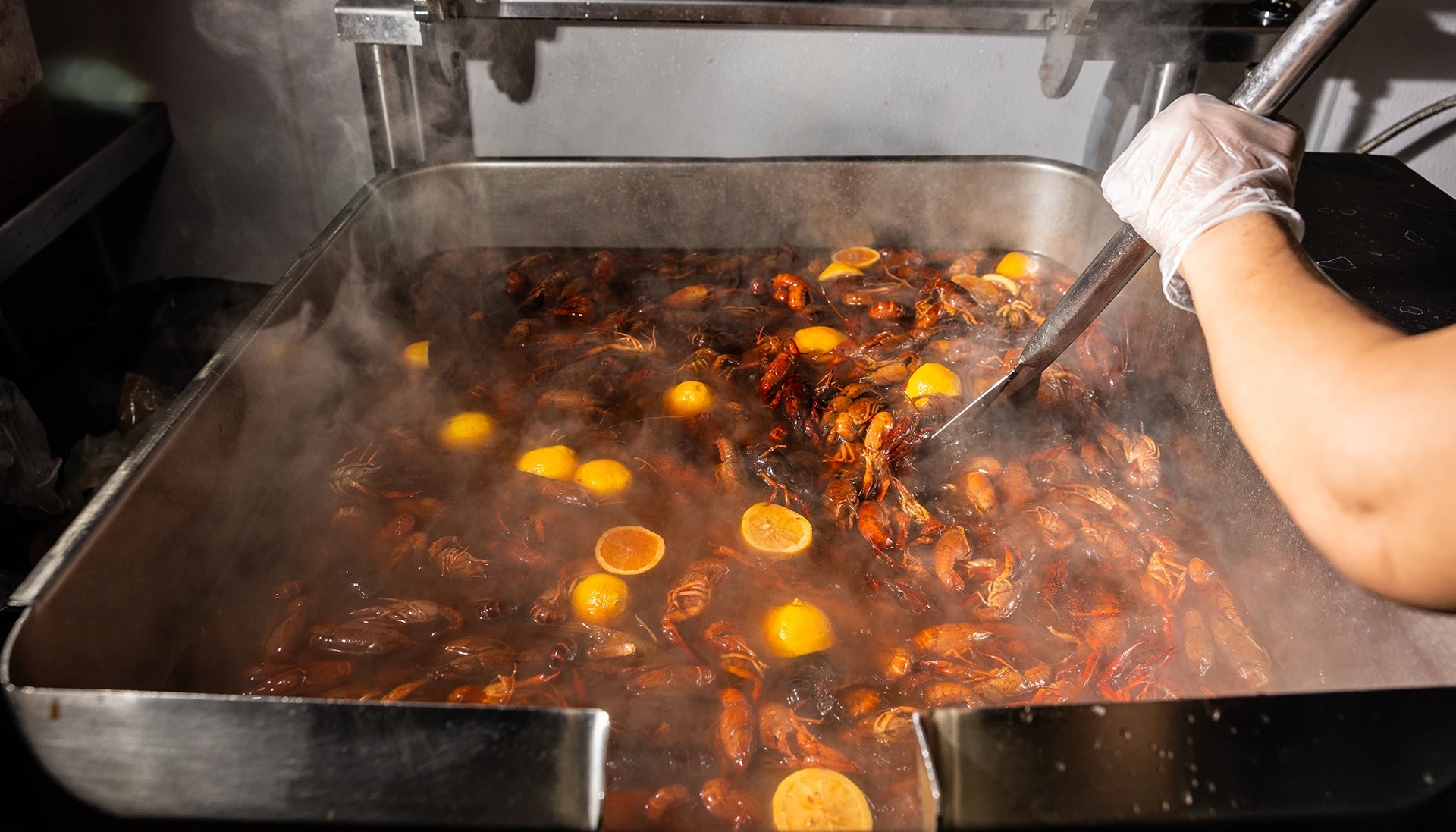
The rhythm of a boil or a crawfish peel creates space for people to talk, laugh, and trade stories while heat and spice do their work on the seafood.
You notice how someone’s technique makes the rice fluffier or the sauce richer, and you remember it for the next meal.
These events build identity and belonging; they teach etiquette and patience, celebrate milestones, and make newcomers feel welcome.
In short, communal gatherings are where Cajun cuisine becomes living culture and where a Cajun restaurant’s flavors meet the stories that sustain them.
How Modern Chefs Keep Cajun Relevant and Approachable
Chefs are reimagining Cajun food without losing its soul by blending tradition with techniques and ingredients that speak to today’s diners. They use restrained spice, clarified stocks, and lighter roux to maintain depth without heaviness.
Local produce, heritage proteins, and global accents—such as citrus, fermented chilies, and fresh herbs—are paired to refresh familiar flavors in Cajun cuisine. Plating respects communal roots while fitting modern dining through shareable tapas, composed plates, and tasting menus that teach history through bites.
Chefs prioritize sourcing and seasonality, working with fishermen and farmers to honor terroir and reduce waste. Through storytelling, cooking classes, and accessible pricing, Cajun restaurants invite curious eaters in, making seafood-driven dishes and classic preparations feel both authentic and immediately approachable without diluting their character.
Easy Cajun Dishes Beginners Should Try
You’ve seen how modern kitchens lighten and reinterpret Cajun food, and now it’s time to try approachable recipes you can make at home. Start with a simple shrimp boil that combines shrimp, corn, potatoes, and andouille sausage tossed with Cajun seasoning, simmered until just cooked, and finished with a squeeze of lemon.
A one-pot chicken and sausage gumbo made with a light roux and plenty of okra provides comforting texture and is delicious served over rice. Red beans and rice can be made on a weeknight by slow-simmering beans with smoked sausage and aromatics, and the flavors often improve the next day.
For a quick kick, sauté catfish or tilapia with a bold blackening spice to highlight seafood from the Gulf. These dishes demonstrate core techniques of Cajun cuisine, including seasoning, roux basics, and balancing heat, which can build confidence before tackling more complex classics typically found at a Cajun restaurant.
Where to Experience Authentic Cajun Cuisine Beyond Louisiana
If you crave genuine Cajun flavors outside Louisiana, begin in Gulf Coast towns in Texas, Alabama, and Mississippi where family-run Cajun restaurants and seafood shacks serve time-tested recipes. These places often offer crawfish boils, blackened fish, and hearty gumbo prepared by cooks with direct ties to Louisiana traditions.
You can also explore Southern cities like Houston, Mobile, and New Orleans-adjacent suburbs where festivals, pop-ups, and bistros showcase authentic Cajun cuisine with traditional spice blends and cooking techniques. Look for establishments that advertise smaller, scratch-made menus, daily roux, and live-fire cooking, and ask locals about where chefs learned their craft since names tied to Cajun families often indicate genuine culinary lineage.
Food trucks and farmers’ markets also present seasonal crawfish, boudin, and étouffée that reflect true regional roots.