What Makes Crab Legs Worth Ordering at a Restaurant
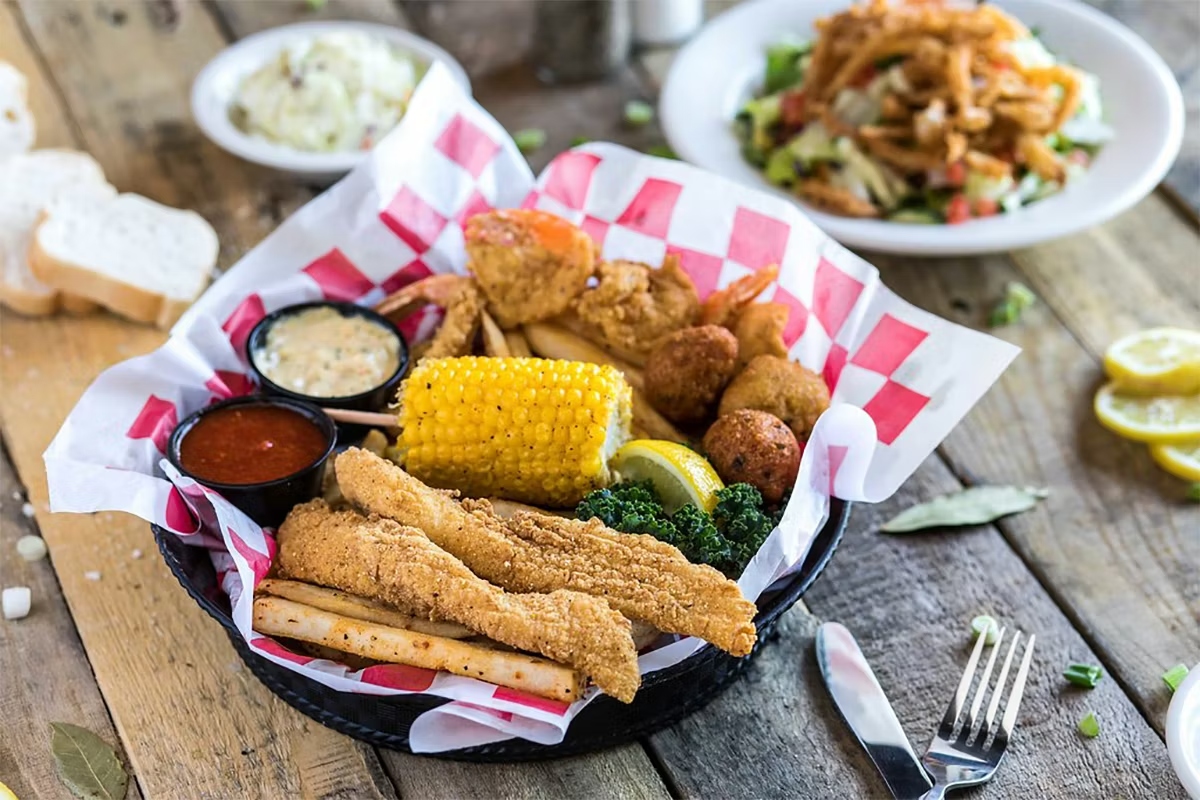
You’ll notice crab legs feel worth the price when the meat is sweet, briny, and tender instead of rubbery or mushy. Proper sourcing and careful handling make a big difference for crab legs served in Cajun cuisine or general seafood spreads. A gentle cook keeps the meat moist, and the whole ritual of cracking shells, sharing buckets, and dipping into melted butter adds real value to the experience. Razzoo’s Cajun Cafe captures that combination of flavor and presentation in its Cajun food offerings, which is why crab legs can be a memorable splurge there. Keep reading and I’ll show how to spot properly handled crab legs on a menu, which cooking methods keep them juicy, and when they’re actually a good splurge.
Why Crab Legs Feel Like a Splurge: Flavor, Ritual, Cost
Because they’re both tasty and theatrical, ordering crab legs feels like a small extravagance you don’t get every day. You’re paying for sweet, delicate meat that tastes special compared with routine seafood, and the flavor is richer, briny, and more rewarding to eat.
The ritual of cracking shells, dipping meat in butter, and sharing buckets with friends turns a meal into an event. That interaction slows you down, makes conversation easier, and gives you something tactile to focus on.
The cost reflects handling, shipping, and seasonality, so you’re also covering the labor and sourcing that restaurants absorb. In a Cajun restaurant or any place showcasing Cajun cuisine, choosing crab legs means buying both flavor and an experience, with a sensory payoff, a communal rhythm, and a sense that the evening was worth splurging on.
Freshness & Sourcing: How It Changes Crab-Leg Flavor
When crab legs come straight from a trusted source, the difference is immediate and unmistakable. Fresher crab has a cleaner, sweeter brine and a firmer, more succulent texture, while older or poorly handled legs become mushy, off‑smelling, and bland.
Recent catch preserves natural sweetness and briny notes because time and temperature break down muscle fibers and dull flavor. Sourcing matters as local, cold‑water species often deliver a pronounced sweetness, while warm‑water or farmed varieties can be milder.
Sustainable, well‑managed fisheries prioritize quick chilling and gentle handling, and those practices protect both taste and texture. In Cajun cuisine and other seafood traditions, the origin and treatment of crab legs shape whether a dish tastes vibrant and true to the sea or compromised.
Best Restaurant Cooking Methods for Sweet, Tender Crab Legs
Knowing you started with top-quality, freshly handled crab legs makes the subsequent cooking choices even more important.
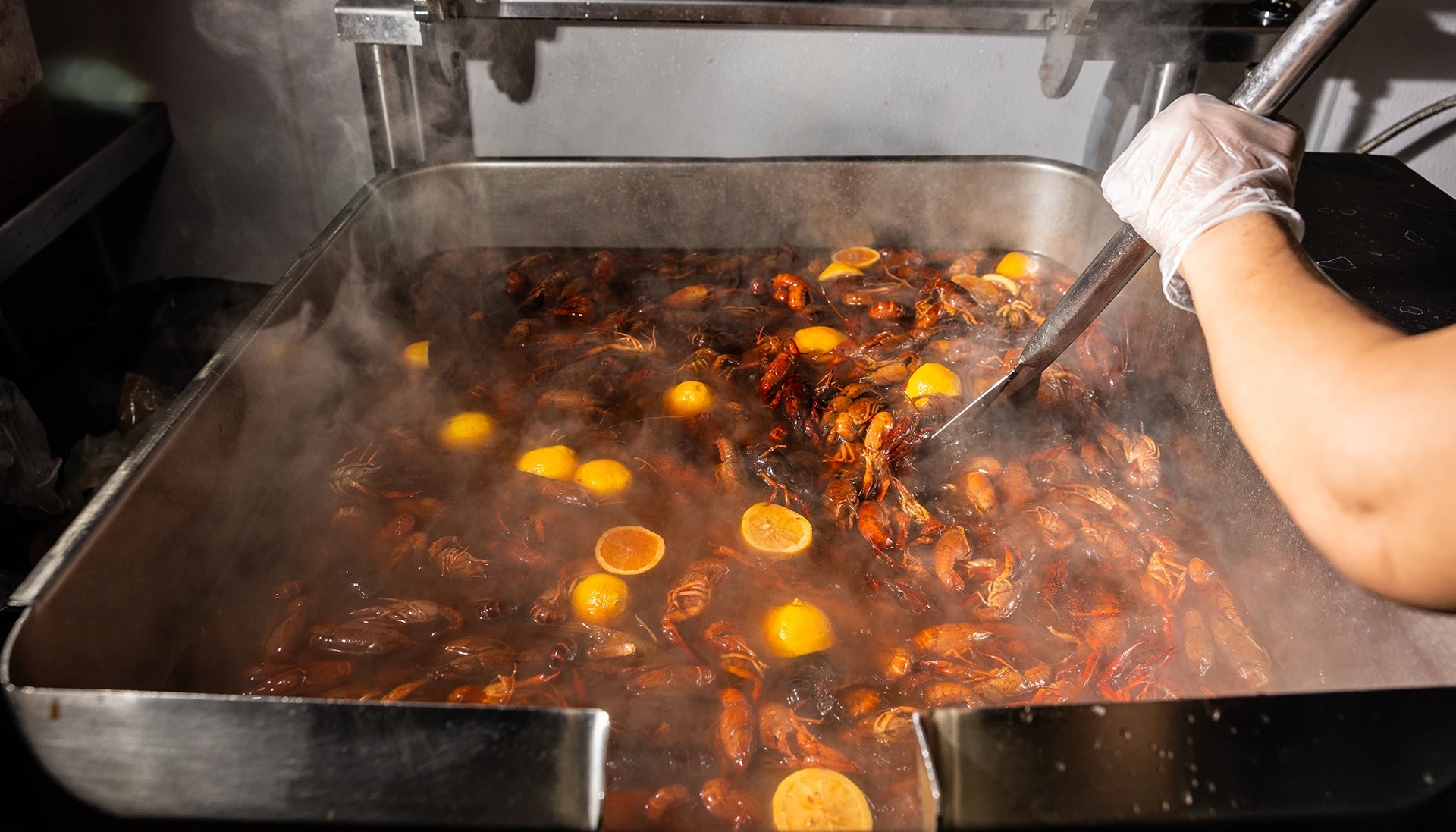
Steaming gently over a flavored broth keeps the meat moist and allows the natural sweetness and delicate briny notes to shine.
Light poaching in a seasoned court-bouillon also preserves tenderness, and removing the legs as soon as they turn opaque prevents the rubbery texture that ruins crab.
Grilling briefly with the shell on adds a pleasant smoky char that complements Cajun cuisine when you watch the heat and baste with butter or a citrus-herb oil.
Steaming, poaching, and quick grilling all allow precise control of doneness so the meat flakes easily and tastes sweet rather than tough.
A finishing touch of compound butter or a squeeze of lemon elevates the crab without masking the seafood’s intrinsic flavor, and these approaches translate well from home kitchens to a Cajun restaurant menu.
Crab Legs Portions & Value: When They’re Worth Ordering
Order crab legs only when the portion size and price align with what you actually want to eat.
Scan the menu for weight-based servings or market-price notes so you know what you’re getting at the Cajun restaurant or seafood spot.
Consider whether the listed amount matches your appetite or whether additional sides from the Cajun cuisine offerings will be needed to feel satisfied.
Factor in the shell-to-meat ratio, since larger legs often yield more meat per pound and provide better value than small clusters that appear generous but contain less edible flesh.
Share an entrée with someone if portions are large, or choose a sampler to enjoy variety from Cajun food without overspending.
Finally, compare the price per pound to the local market or to other menu items so you order crab legs when the math and your hunger justify the splurge.
Crab Legs Presentation: The Hands-On Dining Experience
Portion and price matter, but the way crab legs arrive at your table shapes the whole experience. You notice the moment a steaming platter or a rustic bucket lands, and the aroma, temperature, and arrangement set expectations.
Crackers, mallets, and bibs create a casual, interactive tone, while neatly pre-split sections make digging into the meat less effortful. Shared piles of crab legs encourage conversation and a communal rhythm, whereas individually plated portions feel more formal.
A mix of finger-friendly pieces and intact legs balances challenge and reward, and visible freshness — bright shells and moist meat — signals careful handling. Servers who explain cracking technique or offer quick tools help diners feel more comfortable, and presentation in a Cajun restaurant or seafood-focused setting often reflects the bold flavors and convivial atmosphere associated with Cajun cuisine.
Best Sauces and Simple Pairings for Crab Legs
Simple, bright sauces let crab’s sweet, briny meat shine.
Melted clarified butter with a squeeze of lemon is a classic pairing for crab legs.
Garlic-herb butter adds a deeper, savory layer that complements the natural sweetness of the shellfish.
A tangy mustard sauce or rémoulade brings a lively zip that pairs well with richer preparations of seafood.
Light vinaigrettes made with citrus or rice vinegar and a touch of sesame work nicely when crab is served chilled or in salads.
Cajun cuisine often features bolder sauces and spices that can be adapted to crab for a spicier profile.
Keep accompaniments minimal so the crab remains the focus; crusty bread is useful for mopping up sauce, a crisp green salad helps cut richness, and steamed corn or fingerling potatoes make for satisfying casual platters.
A chili-lime glaze or a dab of sriracha mayo provides heat that complements rather than overwhelms the delicate crab meat.
When choosing a beverage, match by weight and flavor intensity, with delicate whites or a pilsner-style beer working best alongside crab and other seafood.
How to Spot Good Crab Legs on the Menu : And When to Order
When you scan a menu for crab legs, look past marketing fluff and focus on origin, preparation, and price because those three details reveal whether a dish is worth ordering.
Check the species and source, since Alaskan king, snow, or Dungeness indicate differences in size and sweetness, and wild-caught crab from cold water usually tastes better than farmed.
Note the preparation method, as steamed, roasted, or chilled crab legs served with butter are good signs, while pre-battered or heavily sauced preparations can mask low quality.
Pay attention to portion size and the price per pound or per cluster to judge value, and consider seasonal timing because many popular crab species peak in late fall to winter.
If the menu is vague about these points, asking the server can clarify whether the crab is fresh that day or part of a Cajun cuisine special in a Cajun restaurant or seafood-focused establishment.