What Makes Boiled Seafood Different From Other Seafood
When you boil seafood, the pot itself becomes part of the dish because the seasoned broth pulls briny, mineral notes from shells while aromatics like garlic, citrus, and bay slowly infuse the meat. This method creates a unified, gentler flavor that you will not get from grilling or frying, and it is one reason boiled preparations are central to Cajun food and Cajun cuisine. Timing and order matter, with sturdier pieces going in first and delicate ones added last, which helps keep textures tender and moist. Razzoo’s Cajun Cafe showcases how those choices shape the final bite and highlight the seafood.
Basic Seafood Boil Method and Timings
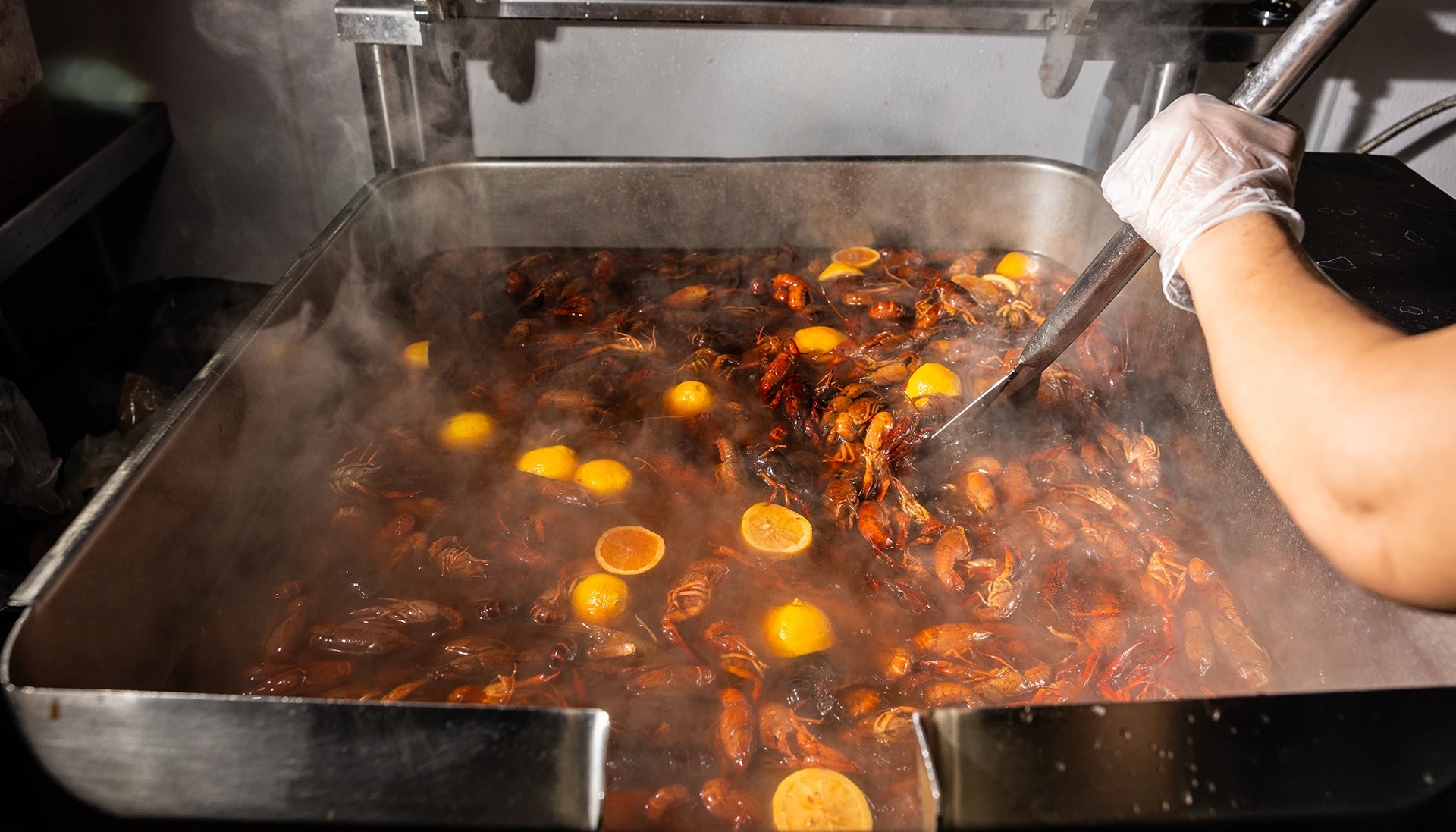
Start by filling a large pot about two-thirds full with water and add a generous pinch of salt, lemon halves, and a bay leaf or two before bringing it to a rolling boil.
You should layer sturdier ingredients first, such as potatoes and corn, so they cook evenly in the boil and absorb the flavors.
Add shellfish and other softer items later to prevent overcooking and to preserve the delicate texture of the seafood.
Maintain a steady, vigorous boil because a simmer won’t transfer heat quickly enough for even cooking in a seafood or Cajun-style boil.
Use a slotted spoon or a basket to lower and lift items together for consistent timing and easier draining after cooking.
Once items float and look opaque, remove them promptly to stop carryover cooking and to keep the seafood from becoming tough.
Drain the cooked ingredients and toss them with melted butter, spices, or a vinegar-based sauce while they’re still hot so the flavors adhere well.
Invite guests to test one piece to confirm doneness and to enjoy the bold flavors characteristic of Cajun cuisine served at a Cajun restaurant or in any Cajun food setting.
Seafood Boil Timing by Species and Cut
Plan your timings around each species’ thickness and whether the seafood is whole, shelled, or cut, because those factors determine how long the heat needs to penetrate without overcooking.
Shrimp cook fast, and peeled and deveined shrimp require one to two minutes in a rolling boil while shell-on shrimp need two to four minutes depending on size.
Mussels and clams open in four to six minutes, and any that stay closed should be discarded.
Lobster tails take six to ten minutes depending on tail thickness, and whole lobsters require ten to twelve minutes per pound.
Pre-cooked crab legs need only four to six minutes to reheat, while fresh crab legs require six to twelve minutes.
Firm white fish fillets that are one inch thick take four to six minutes, and thicker steaks need eight to ten minutes.
Cut shellfish into smaller pieces for even cooking, and stagger additions so that all pieces reach their best doneness for Cajun cuisine or a Cajun restaurant-style seafood boil.
Boil vs. Other Methods: Texture and Mouthfeel Explained
When you boil seafood, hot water and steam cook it quickly and uniformly, producing a tender, slightly springy texture that highlights the sweet, briny flavors of shrimp, crab, and other shellfish.
Boiled shrimp and crab keep a clean, compact bite because water surrounds the food, conducting heat evenly and preventing dry patches.
Grilling or roasting uses direct dry heat that firms proteins and creates crusts and chew, which contrasts with the softer results from boiling.
Poaching yields a delicate, almost silky mouthfeel similar to boiling but occurs at lower temperatures, so tissues stay softer in delicate seafood preparations often found in Cajun cuisine.
Frying produces a crisp exterior and a more rigid inner texture from rapid dehydration, a contrast familiar to anyone who enjoys fried seafood at a Cajun restaurant.
Steaming produces a lift similar to boiling but feels lighter since there’s less agitation, and that subtle difference shows up in many classic Cajun seafood dishes.
Understanding these differences helps diners and cooks appreciate how method influences texture and mouthfeel in Cajun food.
Building Broth: How Boiling Adds Flavor
Extracting flavor through boiling lets you turn shells, bones, and vegetable trimmings into a concentrated, savory broth quickly and reliably.
Boiling coaxes out collagen, gelatin, and soluble proteins that thicken and enrich the liquid, giving boiled seafood its characteristic mouthfeel.
As connective tissues dissolve, umami compounds and natural sugars release and layer taste without needing heavy fats.
The process also draws minerals and iodine from crustacean shells and fish bones, which impart a clean oceanic note unique to boiled preparations and familiar in Cajun cuisine.
Because heat pulls flavors into the water, the broth becomes the dish’s flavor foundation rather than merely a cooking medium.
When that broth is used to cook or serve seafood in a Cajun restaurant or home kitchen, it amplifies flavor cohesion and carries delicate seafood notes throughout the dish.
Seasonings, Aromatics & Timing for Great Boils
If you want a boil that sings, think of seasoning and aromatics as the architecture rather than an afterthought, because they set the tone, control heat, and determine how each ingredient will express itself.
Choose coarse salt, cracked pepper, citrus peel, bay leaves, and garlic as bold basics that infuse gradually into the broth common to Cajun cuisine. Add whole spices like coriander or mustard seeds early for deep flavor, which complements the smoky and spicy elements found in authentic Cajun food. Save delicate herbs, lemon wedges, and scallions for the finish to preserve brightness and to accent seafood without overpowering it.
Timing is everything, so put dense items such as potatoes and corn in first, then add sausages, and place shellfish in last to prevent overcooking. Taste the broth and adjust salt and acid before serving in order to ensure the final dish reflects the balanced, robust flavors of a Cajun restaurant boil.
Tools, Techniques, and Safety for Successful Boils
A great boil depends as much on gear and technique as it does on ingredients, so begin by assembling the right tools and planning safe steps.
Choose a large, sturdy pot with a tight-fitting lid and a heat source that can handle volume, such as a propane burner or a heavy-duty range.
Use long tongs, a slotted spoon or spider, and plenty of heavy-duty gloves or pot holders for handling hot shells and steam when preparing Cajun cuisine or seafood.
Position the pot on stable ground and keep a fire extinguisher nearby while checking propane connections before you light the burner.
Monitor water temperature with a thermometer and avoid overcooking by timing batches, especially when cooking shrimp and other seafood common to Cajun food.
Drain safely with a colander or lift bag to reduce splatter during transfers to the serving table.
Work with a partner for large boils and keep paths clear from the pot to the table, remembering that a busy scene like that found in a Cajun restaurant benefits from organized movement and keeping children and pets away to prevent accidents.
Serving, Sauces, Storage, and Reheating for Boiled Seafood
When the boil is finished, serve the seafood hot and simply so the natural flavors can shine; pile crab, shrimp, crawfish, and mussels on newspaper or trays and let guests dig in. Offer lemon wedges, melted butter, and a selection of bold sauces such as spicy remoulade, garlicky aioli, and a tangy vinegar-based dipping sauce to provide contrasting flavors in the style of Cajun cuisine.
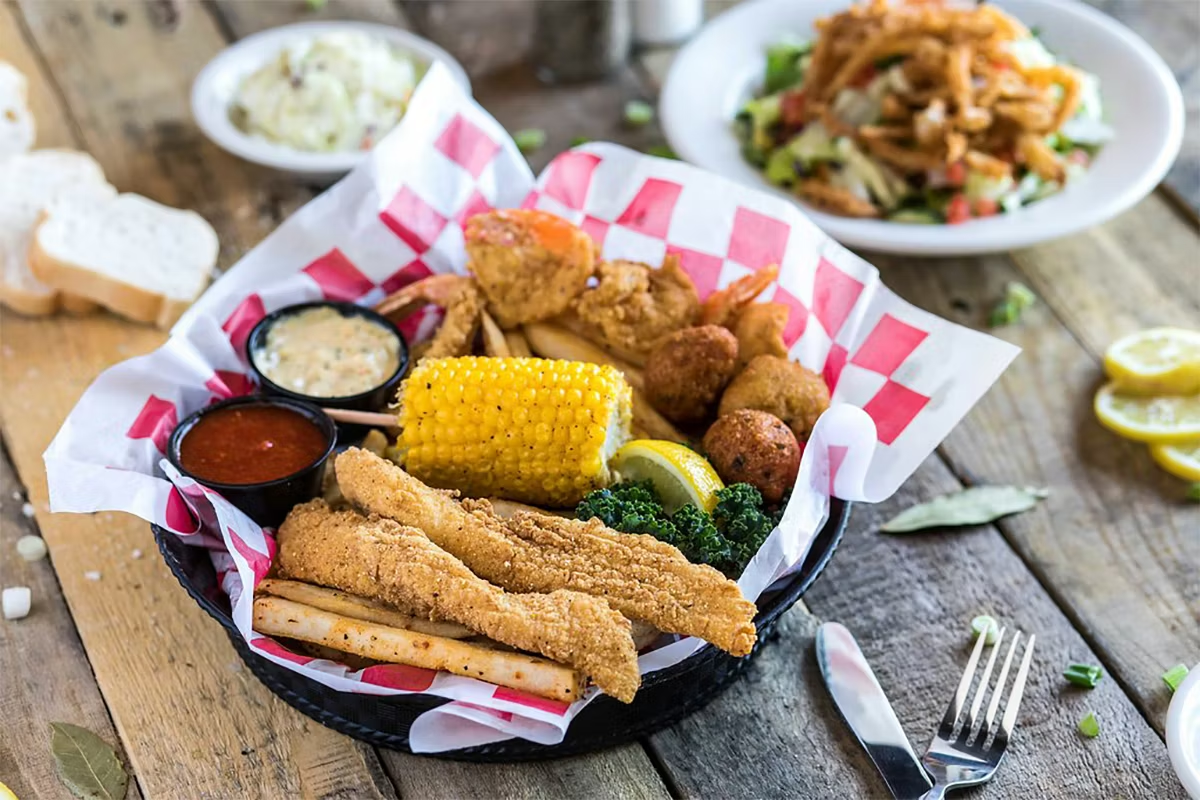
Crusty bread and corn on the cob complement the seafood and help sop up the seasoned juices.
Cool leftovers quickly, remove shells if preferred, and refrigerate in shallow airtight containers within two hours so the food stays safe and fresh; consume refrigerated portions within 2–3 days. For longer storage, freeze portions on a tray first and then transfer them to vacuum-sealed bags or heavy freezer bags, which will preserve the quality for up to three months.
Reheat the seafood gently by steaming or warming it in a skillet with a splash of water or butter to avoid toughness and preserve the dish’s texture.