The Best Way to Enjoy Crab Legs Without Overthinking It
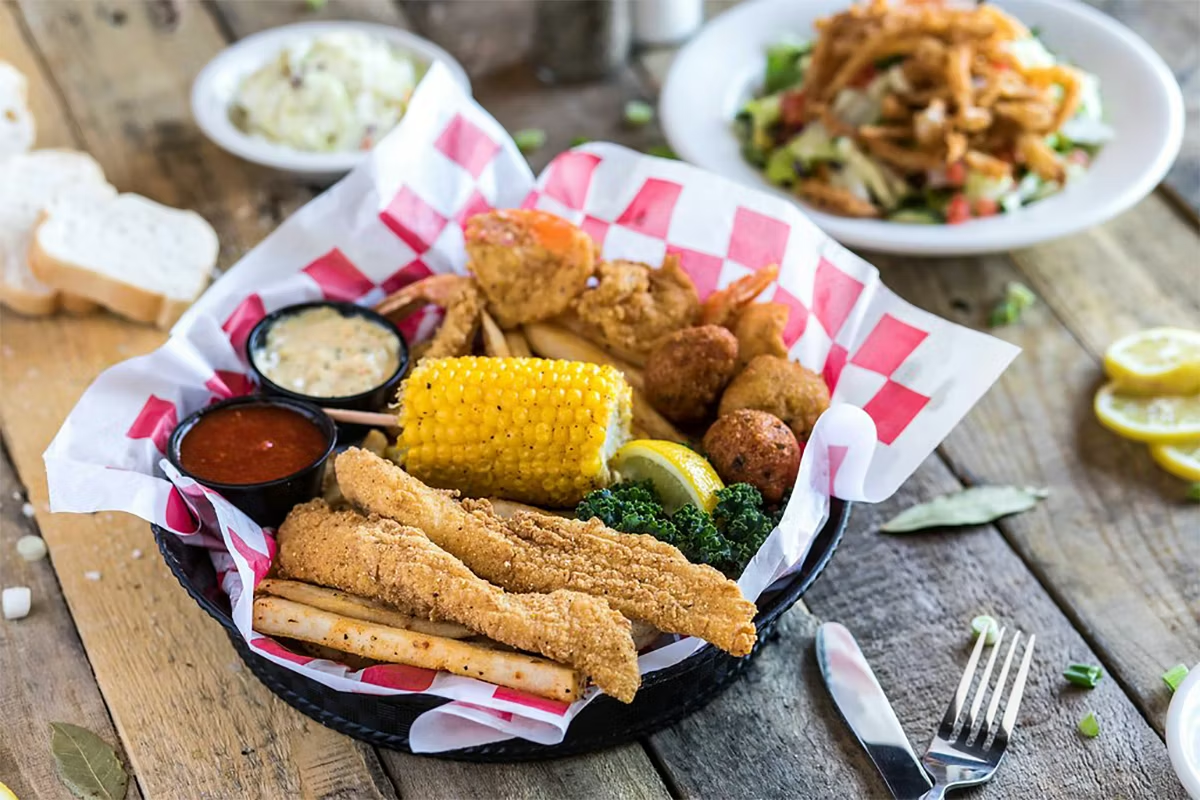
You want crab legs that taste fresh without a fuss, so thaw them quickly and then steam or briefly boil them before cracking and pulling the sweet meat with minimal mess. Keep butter, lemon, and a simple garlic sauce on hand, and set out wipes and a shell bowl so everyone can stay tidy while enjoying the seafood. Invite relaxed company who appreciate Cajun cuisine and casual conversation, and let the flavors—especially any bold Cajun food seasonings—take center stage. For a reminder of that spicy, convivial vibe, think back to a meal at Razzoo’s Cajun Cafe where the focus was on flavor rather than formality.
Fast Method: Steam Crab Legs in 6–8 Minutes
Steam the crab legs for a quick, reliable result by bringing a pot of water to a rolling boil and adding a steamer basket or rack.
Place the thawed legs on the rack, cover the pot, and steam for 6–8 minutes until they’re heated through.
The steam will be audible and the sweet shellfish aroma will rise as the crab warms, and keeping the lid on helps trap heat and prevents drying.
Use tongs to transfer the legs to a tray to avoid burns.
Serve the crab immediately with drawn butter, lemon wedges, and a sprinkle of chopped parsley or Old Bay for extra flavor that complements seafood and Cajun cuisine.
If some joints are thick, check for doneness at 6 minutes and give those pieces an extra minute or two rather than steaming everything longer.
Thaw and Prep Frozen Crab Legs Quickly
Before you heat crab legs, you should thaw and prep them so they heat evenly and crack cleanly.
Place the frozen legs in a sealed bag and submerge them in cold water, changing the water every 20–30 minutes; small clusters will take 30–60 minutes to thaw and large legs will take 1–2 hours.
You should avoid warm water to prevent loss of the crab’s delicate texture.
Once the legs are pliable, pat the shells dry with a towel to remove excess moisture that can cause uneven heating.
Trim any attached roe or gunk with kitchen shears, and use scissors to cut the shell along the underside if you prefer easier cracking after heating.
For a quick flavor boost that complements Cajun cuisine or seafood plates from a Cajun restaurant, brush the legs lightly with melted butter or a citrus-garlic mix before heating.
Store thawed legs in the fridge and cook them within 24 hours.
Boil or Bake Crab Legs (Alternative Methods)
Whether you boil crab legs for simplicity or bake them for a richer crust, both methods cook the legs quickly and preserve their sweet flavor when you follow the basics.
If you choose to boil, fill a large pot with salted water and add a splash of lemon or a bay leaf before bringing the liquid to a rolling boil; then drop the legs into the pot and cook them for 4–6 minutes until they’re heated through.
Drain the crab legs and serve them with melted butter for dipping alongside other seafood offerings.
If you prefer to bake, preheat the oven to 375°F (190°C), brush the legs with oil or butter and season them lightly, wrap them loosely in foil, and bake for 10–12 minutes to concentrate the flavor and develop a slightly caramelized edge.
Both techniques are common in Cajun cuisine and at many Cajun restaurants, where delicate sweetness is prized and overcooking is avoided because crab meat turns dry and loses its flavor.
Crack Crab Legs and Extract Meat Easily
Once the legs are cool enough to handle, hold a leg with a towel and snap each joint gently to expose the seam. Use kitchen shears or a crab cracker to cut along the top shell so the meat can be removed cleanly. For thinner sections, press with a rolling pin or the back of a knife to split the shell without crushing the meat.
Pull the shell halves apart and slide the meat out in one piece to preserve texture for Cajun cuisine or a seafood platter. Bend and squeeze the smaller leg tips toward the opening so the meat pops out, which works well when serving a spread at a Cajun restaurant or a Cajun food dinner.
Use a small fork or pick for stubborn bits when preparing dishes that highlight the sweet crab meat. Work methodically to avoid tearing the meat or leaving pieces behind when arranging crab legs for a seafood feast.
Simple Seasonings and Sauces That Improve Crab
Liven up crab with a few simple seasonings and sauces that bring out its natural sweetness without masking it. Start with melted butter, clarified butter if you want a cleaner flavor, and add a squeeze of lemon plus a pinch of flaky salt.
For a little heat, stir in crushed red pepper or a dash of smoked paprika to complement the seafood. A garlic-herb butter with minced parsley and a touch of white wine lifts the meat without overpowering it.
For a tangy option, mix Dijon mustard with honey and lemon to create a bright dip. For an Asian-inspired alternative, combine soy sauce, rice vinegar, sesame oil, and scallions.
Cajun cuisine offers bold spices that pair well with crab and bring a different dimension to the dish. Those who enjoy Cajun food will find that a blend of paprika, cayenne, garlic, and onion powder adds regional flair without hiding the delicate crab flavor.
A visit to a Cajun restaurant often reveals simple sauces that enhance seafood and celebrate its natural sweetness. Keep portions small so you’re enhancing rather than hiding the crab taste.
Quick Sides and Utensils for Serving Crab Legs
For a quick, satisfying meal, pair crab legs with simple sides and the right tools so diners can focus on the meat instead of fuss.
Serve crab legs with lemon wedges, drawn butter, and a loose green salad or quick slaw to add freshness without stealing attention. Steam or microwave small potatoes, or offer crusty bread to soak up juices and complement the seafood.
Include flavors inspired by Cajun cuisine if you want a spicy, regional twist that evokes a Cajun restaurant or coastal seafood traditions.
Provide crab crackers, seafood picks, and sturdy kitchen shears, and set out a mallet for thicker shells. Place finger bowls or wet wipes and plenty of napkins on the table, and use shallow serving trays to keep shells contained alongside a communal bowl for discarded shells.
Arrange everything within reach so everyone can dig in easily and the meal remains relaxed and sociable.
Wine, Beer, and Nonalcoholic Pairings for Crab Legs
Wine, beer, or a simple sparkling water can lift crab legs from good to memorable by echoing the shellfish’s sweet, delicate flavor without overpowering it.
Crisp, acidic white wines such as unoaked Chardonnay, Albariño, or Sauvignon Blanc cut richness and refresh the palate when crab legs are served alongside Cajun cuisine or a seafood spread.
Red wine lovers can enjoy chilled Pinot Noir because its light body and low tannins don’t clash with the crab’s texture and sweetness.
Beers like pilsners, wheat beers, or a dry saison offer effervescence and mild bitterness that balance buttery dipping sauces commonly found in Cajun restaurant preparations.
Chilled sparkling water with lemon, a citrusy kombucha, or a cold unsweetened iced tea brighten each bite when crab legs are paired with other Cajun food or seafood dishes.
Match intensity by choosing subtle drinks for delicate crab and bolder selections for heavily sauced preparations.
Fixes for Overcooked, Bland, or Too‑Salty Crab
When crab comes out overcooked, bland, or too salty, you can still rescue it with a few targeted moves.
Cutting overcooked meat into smaller pieces and folding it into moist dishes such as chowders, crab cakes, or fried rice helps mask dryness while blending the seafood into a more forgiving texture.
Brightening bland crab with acid—lemon, vinegar-based dressings, or a splash of white wine—along with fresh herbs and a pinch of salt brings out the natural sweetness of the shellfish.
Taming oversalting can start by rinsing shell-on legs under cold water and then serving them alongside unsalted starches like potatoes, rice, or crusty bread to balance the flavor in a way that suits Cajun cuisine and other seafood traditions.
For added texture and aroma, sautéing the meat briefly in butter with garlic and parsley contributes moisture and an appealing finish.
If the meat itself is too salty, soaking flakes in cold water for a few minutes and then patting them dry reduces surface salt without sacrificing the essence of the crab.
Tips for Eating Crab Legs Without Getting Messy
Crab legs can seem fussy, but a few simple habits make them much neater to eat. Cracking shells at the joints rather than splitting the entire leg helps keep pieces intact. Using a small mallet or a seafood cracker provides controlled force without shattering the shell into tiny fragments. Pulling the meat out with a pick or a small fork prevents tearing the shell and losing meat into the table.
Keep a bowl nearby for discarded shells so your place setting stays orderly. A damp cloth or a finger bowl is useful for quick wipes to prevent butter and juices from ending up on clothing. Dunking the meat briefly rather than immersing the whole piece limits drips and keeps napkins cleaner.
Working from the thicker sections outward yields larger chunks of meat that are easier to handle. Taking small bites and resting between pieces helps maintain a relaxed pace during a seafood-focused meal. Using a napkin under your hand can catch stray flakes and reduce cleanup after enjoying Cajun cuisine or a meal at a Cajun restaurant.