How to Build the Perfect Cajun Food Order for Your Table
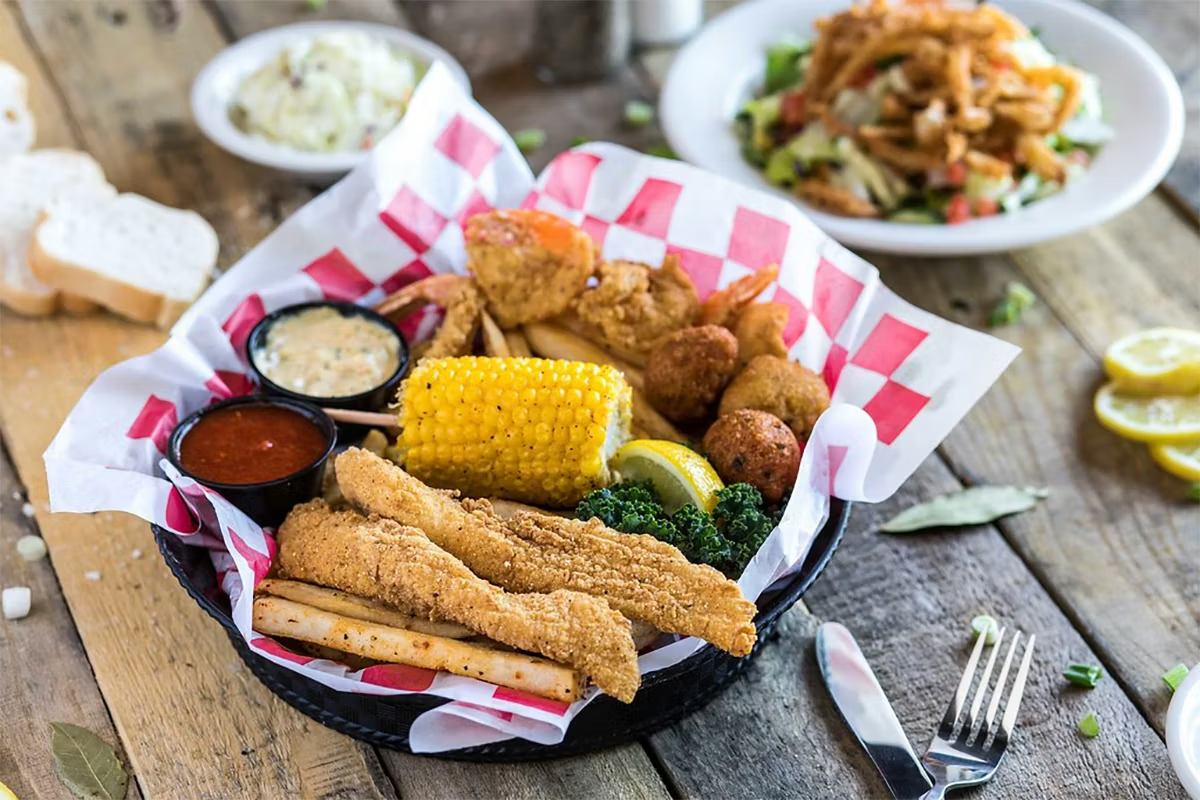
Pick a centerpiece that anchors the meal, such as gumbo, a shrimp boil, crawfish, or a hearty po’ boy, and then build the rest of your Cajun food order to balance spice, richness, and texture. Include one bright starter and one spicy starter, add two contrasting sides, and offer sauces on the side so everyone can tweak heat to their taste. Keep portions family-style for easy sharing, and consider seafood options throughout to maintain authentic Cajun cuisine flavors. Razzoo’s Cajun Cafe is a great example of how those elements come together for a satisfying spread.
Assemble a Cajun Order: Pick One Main That Anchors the Meal
Begin by choosing one main that anchors the whole meal, such as shrimp, gumbo, crawfish, or a hearty po’ boy. Pick the centerpiece first and then select sides and drinks that complement the chosen main within the broader Cajun cuisine.
If you choose shrimp, favor lighter sides like charred corn and a crisp salad so the seafood remains front and center. If you select a po’ boy, include pickles and fries to add texture and to cut the richness.
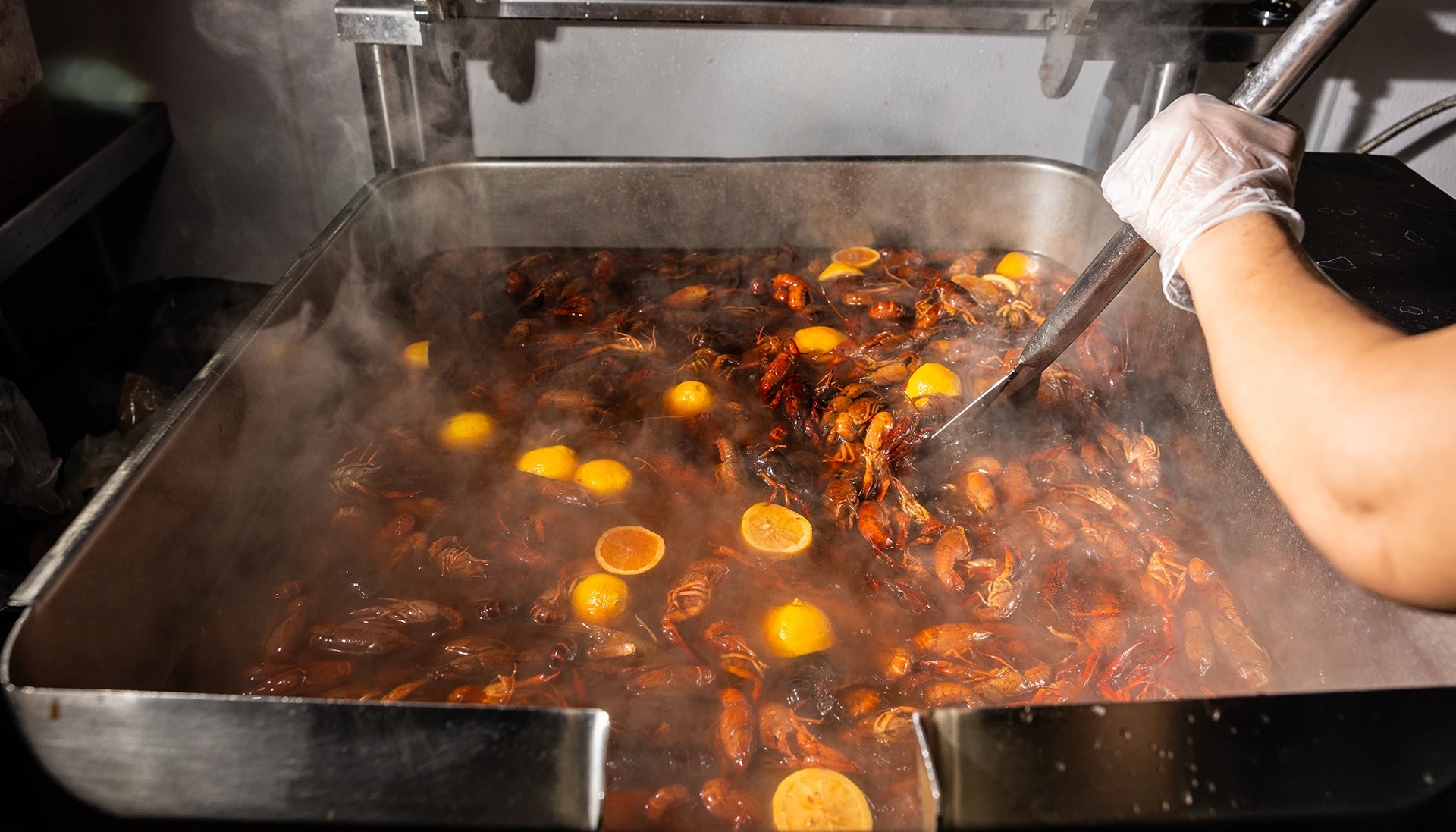
When crawfish is the centerpiece, pair it with plain boiled potatoes and corn to echo the flavors of a traditional Cajun meal. If gumbo leads the menu, serve sturdier starches like rice and crusty bread to soak up the flavorful broth.
Keep portions balanced to allow everyone at the table to sample multiple items without overwhelming the palate.
Balance Heat and Richness: Match Roux, Spice, and Acidity
Once you have selected the main course, tune the meal’s flavors by balancing roux, spice, and acidity so nothing overpowers the centerpiece.
When the main uses a dark, nutty roux, as in many Cajun cuisine stews and gumbos, keep the sides lighter and choose vegetables or rice that soak up richness without adding more fat. Match spice intensity to your diners by offering hot sauce or peppered sausage on the side so each person controls their own heat. Use acidity to cut through weight; vinegary coleslaw, lemon wedges, or a splash of hot vinegar will brighten stews and fried seafood alike. When sauces are heavy, skip extra creamy sides to avoid overwhelming the plate, and when spice dominates, add a cooling element such as pickled vegetables. Taste as you assemble the meal and adjust components so every bite remains balanced and satisfying in the style of Cajun food often found in a casual Cajun restaurant.
Add Two Starters: One Bright, One Spicy (Examples and Swaps)
Start the meal with two contrasting starters that set the tone by offering one bright choice and one spicy option.
A bright starter could be a citrusy shrimp ceviche, pickled okra, or grilled oysters with lemon butter to cut richness and awaken the palate.
Pair that with a spicy Cajun opener such as spicy boudin balls, buffalo-style shrimp, or a peppery crawfish beignet to introduce heat and excitement.
Simple swaps can alter the flavor profile, for example trading grilled for charred to deepen the taste, substituting crab salad for shrimp ceviche if sweeter seafood notes are preferred, or using jalapeño instead of cayenne to shift the spice character.
Keep portion sizes modest so guests can sample both without being overwhelmed, and let these contrasts prepare diners for richer mains in Cajun cuisine or at a Cajun restaurant.
Choose Two Sides: Texture and Acidity to Round Every Plate
After those contrasting starters wake the palate, choose two sides that balance texture and acidity so each bite remains interesting.
Pick one crunchy or creamy component, such as crispy fried okra, coarse-crumb cornbread, or a silky potato salad, to anchor mouthfeel. Contrast that component with something bright and acidic, like vinegary coleslaw, pickled okra, or tomatoes dressed with lemon and parsley.
The acid cuts fat and refreshes between spicy bites typical of Cajun food and Cajun cuisine, while the textural side adds comfort and contrast. Keep flavors simple and bold so the sides don’t compete with the main course at a Cajun restaurant.
This pairing keeps the plate lively and ensures every forkful feels purposeful and balanced.
Order for the Group: Portions, Family-Style Strategy, and Diet Swaps
When feeding a group, plan portions and plates so everyone is satisfied without wasting food. Order large-format items to share and add a couple of extra sides while asking the server how many people each entrée serves.
Rely on family-style mains such as Cajun gumbo, a whole blackened fish, or a crawfish boil, and supplement those dishes with rice, greens, and crusty bread so everyone can customize portions. Request split plates and sauce on the side to accommodate picky eaters.
For dietary swaps, choose grilled or roasted proteins instead of fried ones, ask for no butter, and request dressings served separately. If someone is vegetarian or gluten-free, order extra vegetable-forward sides and a hearty legume dish so they’ve substantial options rather than being treated as an afterthought.