What Regulars Notice About a Good Seafood Restaurant
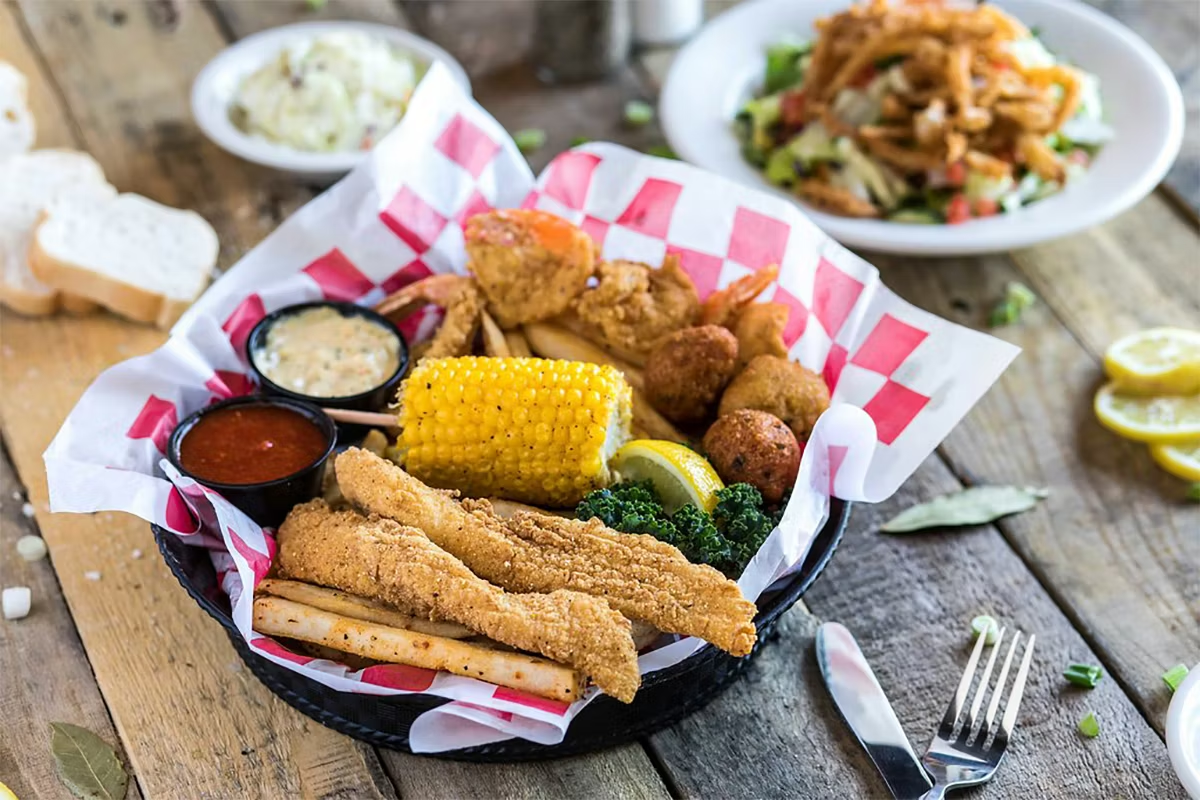
You notice freshness first: the fish looks bright, smells clean, and feels firm. You also pay attention to the rhythm in the kitchen, like how the daily catch changes, how tickets flow in sync, and how cooks handle delicate flesh with measured heat. Servers who can name the boat and suggest a wine tell you more than a menu ever could, and the same goes for someone who knows the Cajun cuisine pairings or recommends a spicy Cajun dish. The room hums when the team treats seafood and Cajun food with that same respectful precision, and places like Razzoo’s Cajun Cafe show how those small, consistent signs create dining experiences you want to revisit.
What “Fresh Seafood” Really Means
When a menu promises "fresh seafood," don’t assume it means the fish was caught yesterday; it usually means the Cajun restaurant handles and stores seafood so it’s safe, flavorful, and free of off-odors or slime.
You’ll notice bright eyes on whole fish, firm flesh that springs back, and a clean, briny scent rather than ammonia in quality Cajun cuisine.
Staff in a busy seafood kitchen will keep items on ice, rotate stock, and separate raw from cooked to prevent cross-contamination.
Suppliers, delivery schedules, and proper refrigeration matter more than labels for any restaurant that serves seafood.
Regulars at a Cajun food spot watch how quickly seafood moves from receiving to prep.
Chefs who trim properly and cook to preserve texture signal respect for the product, and in many cases "fresh" reflects care, timing, and technique rather than simply the catch date.
What Daily Catch and Menu Rotation Reveal About Quality
Noting how a kitchen handles "fresh" seafood naturally leads to watching its daily catch and the restaurant’s menu rotation.
The way a Cajun restaurant changes its offerings reveals how often stock moves and how seriously the kitchen treats seasonality.
Handwritten boards or weekly-shifting specials indicate that the menu relies on what’s available instead of frozen staples.
Regular rotation shows a chef adapting to supply and peak flavor windows, which makes Cajun cuisine items more likely to be cooked to highlight freshness.
When a menu rarely changes, ingredients may be held longer or sourced for consistency rather than quality.
Attention to portion sizes and simple preparations suggests confidence in the seafood and other ingredients.
A thoughtful rotation balances crowd-pleasing Cajun dishes with short-run gems, maintaining both quality and interest.
How to Verify a Restaurant’s Seafood Sourcing
If you want to trust a Cajun restaurant’s claims about its seafood, ask specific questions and look for concrete evidence rather than relying on marketing phrases. Ask where the fish came from, who the supplier is, and whether shipments are traceable by date or lot, and expect staff to answer with details about source and handling.
Check for local licenses, a displayed sourcing policy, or invoices you can view, since reputable Cajun cuisine establishments will accommodate transparency. Look for seasonal menus tied to fisheries or catch reports and inquire whether items are wild-caught or farmed and which certification standards apply.
Notice when servers answer confidently rather than evasively, because that usually indicates genuine knowledge about the seafood. Finally, confirm freshness by asking when the seafood arrived, as same-day or overnight delivery is a strong positive sign.
Prep Techniques That Highlight Seafood Texture
Because texture is what sets memorable seafood apart, good prep focuses on techniques that preserve or enhance the natural bite rather than mask it.
Chefs often use gentle brining to firm flesh without making it overly salty. Quick, high-heat sears create a crisp exterior while keeping the interior tender. Light curing or short acid baths, similar to brief ceviche-style treatments, can change mouthfeel without fully cooking the protein. Proper portioning and scoring prevent toughness from uneven heat and careful drying before cooking avoids steaming and resulting sogginess.
When steaming or poaching, controlling temperature and time precisely helps prevent a mushy outcome. Simple resting, seasoning at the right moment, and minimal handling allow the seafood’s texture to speak, whether the dish appears on a Cajun restaurant menu or within broader Cajun cuisine and seafood traditions.
What Kitchen Pace and Timing Say About Care
When a kitchen moves with a steady, purposeful rhythm rather than frantic bursts, it shows the team cares about each plate that leaves the pass.
You can tell from the timing when fish hit the grill or pan at the right moment so textures are perfect, sauces finish just before plating, and sides are ready together.
Cooks communicate quietly and adjust their pace when a rush hits so nothing is overcooked or cold.
Order tickets flow steadily rather than piling up, which prevents batches from being tossed out or compromised.
Consistent pacing reflects respect for ingredients and diners and signals that the kitchen values precision over haste.
That discipline is evident in balanced flavors, correct doneness, and dishes that arrive intact and thoughtfully composed, whether the menu highlights Cajun cuisine, classic seafood preparations, or other regional favorites.
Server Recommendations: What They Reveal
Pay attention to what servers point you toward and how they do it, because their recommendations reveal a lot about the kitchen, the menu, and the restaurant’s priorities.
When a server steers you to a daily catch, a house special, or a standout Cajun dish, you learn what’s fresh and what the chef trusts. If they highlight dishes by season, sustainability, or supplier, that signals thoughtful sourcing and respect for ingredients common in Cajun cuisine and seafood preparations.
Watch for specificity, because mentioning texture, preparation, or portion indicates that they’ve tasted or seen the plate recently. Pushy upselling for high-margin items without context is a red flag, while honest nudges toward specialties or smaller items show genuine care.
Good servers tailor suggestions to your tastes, handle allergies confidently, and answer follow-ups without guessing, and those cues tell you how connected the front and back of house are in a Cajun restaurant.
Front‑of‑House Cues That Build Trust
Look for the small, deliberate actions front‑of‑house staff take because they reveal how seriously a Cajun restaurant treats its guests. You notice punctual, warm greetings that feel genuine rather than scripted, and hosts who manage wait times honestly.
Servers who check back at sensible intervals — neither hovering nor disappearing — show respect for your meal rhythm. Staff who explain sourcing, preparation, and any seasonal limitations for Cajun food or seafood confidently build credibility without overselling.
Clean, orderly station areas and well‑kept menus indicate that management enforces standards. When mistakes happen, you watch how promptly they’re acknowledged and remedied because graceful recovery matters as much as proficiency.
Consistent timing between courses and knowledgeable bussing signal a coordinated team you can trust with delicate seafood and complex Cajun cuisine.
Pairings That Signal Thoughtful Seafood Service
Alongside a well‑shucked oyster or a bowl of gumbo, thoughtful pairings show the kitchen’s respect for flavor balance and the diner’s experience.
A citrus mignonette can brighten shellfish without overpowering it, and a buttery roll can be salty enough to complement a hearty chowder.
Simple sides such as charred greens, pickled slaw, or herby potatoes are scaled to the main rather than treated as an afterthought.
Drinks are chosen with purpose: a crisp white refreshes the palate, a low‑tannin red suits richer fish, and a local beer can echo smoky notes in Cajun cuisine.
Condiments arrive measured and restrained instead of as a buffet, conveying that the chef considered contrasts and complements so every bite lands deliberate and complete.
Staff Habits That Turn First‑Timers Into Regulars
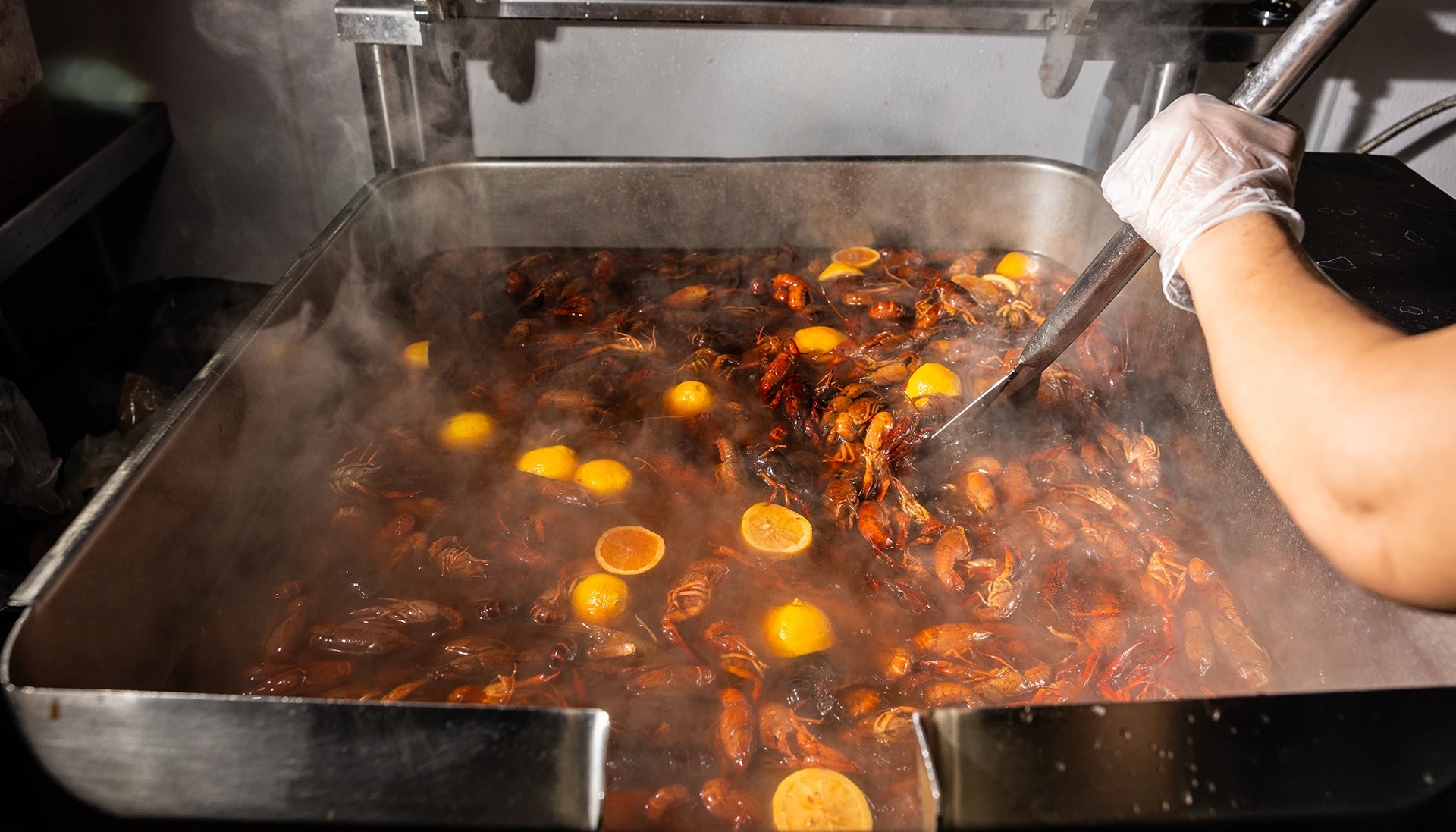
Staff habits are what make a visit feel like more than a meal; they make it feel like coming home. You notice when servers remember your name, how you like your crab boil, or that you prefer a corner table. Servers check in without hovering, refill water before you ask, and anticipate allergies or preferences related to Cajun cuisine or other seafood dishes.
Hosts greet you warmly and seat you promptly so the dining rhythm stays pleasant. Bussers clear plates smoothly so conversation flows without interruption. Bartenders suggest a cocktail that fits your mood and complements spicy Cajun food. Chefs send out a complimentary bite when service is busy or to celebrate something you mention.
Those small, consistent gestures build trust and show that the team cares about your experience; they’re the reason a first-timer becomes a regular at a Cajun restaurant.