What to Expect From a Menu Built Around Cajun Cuisine
When you open a menu centered on Cajun cuisine, you can expect bold, hearty dishes built on a dark roux and smoky cured meats. The flavors of Cajun food often revolve around the “holy trinity” of onion, celery, and bell pepper, and plates frequently arrive with rice or cornbread alongside generous portions meant for sharing. Daily seafood specials are common in Cajun restaurants, and menus usually offer variable heat levels and note common allergens so you know what to expect. Razzoo’s Cajun Cafe captures these traditions in dishes that showcase the smoky, spicy, and comforting elements of Cajun cuisine.
What to Expect From a Cajun Menu
When you open a Cajun menu, you’ll find bold, hearty dishes built around rich roux, smoked meats, and lively spice. Cajun cuisine often features gumbo, jambalaya, étouffée, and boudin that showcase deep, savory flavors and flaky andouille and plump shrimp.
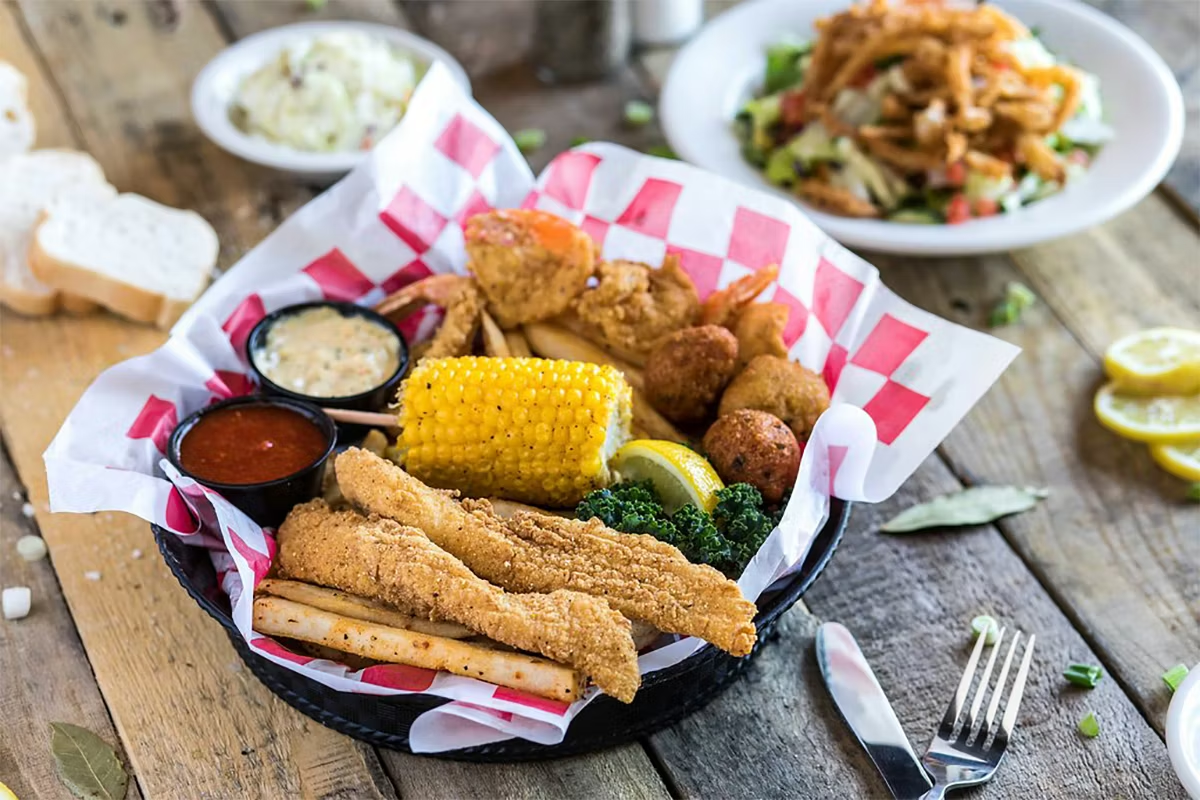
A Cajun restaurant typically offers communal plates and casual service, with generous portions meant for sharing or for filling you up. Sides such as rice and cornbread commonly arrive to tame heat and soak up sauces.
Menus frequently list preparation styles — blackened, fried, or simmered — so diners can choose preferred texture and intensity. Daily specials and market-driven seafood selections often signal freshness.
Cajun food generally prioritizes comfort and depth over delicate plating.
Core Cajun Flavors & Ingredients
Cajun cooking centers on a few bold building blocks, so its flavor profile becomes recognizable quickly. Dark roux, the “holy trinity” of onion, celery, and bell pepper, smoked andouille, shrimp and other Gulf seafood, and assertive spices like cayenne and black pepper define many Cajun dishes.
Roux ranges from tan to nearly chocolate and provides nutty depth while thickening stews and gumbos. The holy trinity forms the aromatic backbone in sautés, gumbos, sauces, and many preparations found in Cajun cuisine.
Smoked meats, especially andouille and tasso, lend savory, cured notes to dishes served in a Cajun restaurant or at home. Fresh seafood brings briny sweetness that balances the richness of roux and smoked meats.
Rice, potatoes, and crusty French bread absorb sauces and help balance the heat of spicy Cajun food. Herbs like thyme and bay leaf add subtle earthiness to complex flavor combinations.
When these elements are tasted together, they create a focused, rustic intensity that defines Cajun cooking and much of the region’s beloved cuisine.
Signature Cajun Dishes & Serving Style
Plunge into Cajun cuisine and you’ll find a handful of unmistakable dishes—gumbo, jambalaya, étouffée, and po’boys—that showcase the cuisine’s rustic heart and communal serving style.
You’ll encounter deep, simmered flavors such as gumbo’s dark roux and okra, jambalaya’s tomato-and-rice melding, étouffée’s velvety shellfish sauce, and po’boys’ crisp bread cradling fried seafood or roast beef.
Presentations in a Cajun restaurant tend to be straightforward and put ingredients and spice first rather than ornate plating.
Cast-iron skillets, steaming pots, and heaping bowls are often brought directly to the table to invite everyone to share.
Side items like corn maque choux, dirty rice, and pickled vegetables commonly accompany mains, balancing richness with bright, textural contrasts to savor.
Portion Sizes & Sharing Etiquette
Cajun restaurants typically serve generous, family-style portions meant for sharing. You can expect heaping bowls of gumbo, wide platters of jambalaya, and full loaves used for po’boys.
Sides such as rice, cornbread, fries, and pickled vegetables are often served to be passed around as communal plates. When dining with a group, ordering one or two mains and a few sides allows everyone to sample the variety of Cajun cuisine without creating unnecessary waste.
Servers at Cajun restaurants are accustomed to shared meals and can recommend how many dishes will serve each person. Leftovers from seafood dishes and other Cajun favorites usually reheat well, so asking for to-go containers is common.
Finally, tipping should reflect the overall meal experience rather than being calculated per individual plate because portions and service support the shared style.
Spice Levels & How to Order for Heat
When you order Cajun dishes at a Cajun restaurant, tell your server how much heat you prefer because Cajun cuisine ranges from mildly smoky to aggressively spicy. Kitchens can usually adjust the kick, so asking for descriptors like "mild," "medium," "hot," or "extra hot" helps set expectations.
Using familiar comparisons, such as "like a jalapeño" or "like a hot sauce," clarifies the level of spice you want. Cajun food often builds heat from cayenne, black pepper, and Creole seasoning rather than relying solely on chile peppers, which makes the flavors more complex.
If you’re unsure, start one notch below your usual tolerance and request extra spice on the side. When sharing seafood or other dishes, warn companions about spicy items so everyone knows what to expect. Clear, specific requests help servers and cooks match your preferred level of heat.
Dietary Swaps & Allergy Questions for Cajun Menus
Before ordering, specify your preferred heat level and tell your server about any dietary restrictions or allergies because Cajun dishes often combine common allergens such as shellfish, dairy, wheat, and soy with spicy seasonings.
Ask which dishes use a shared fryer or prep surface, since cross-contact is common in Cajun restaurants. Request substitutions such as grilled instead of fried preparations, rice or roasted vegetables instead of roux-based sides, and oil-only cooking in place of butter or cream.
If you’re gluten-free, confirm the thickening agent used in gravies and étouffées because many of these sauces are made with flour and can be thickened with cornstarch or a naturally thickened alternative.
Vegetarians and vegans should verify whether stocks and sauces are made from meat because Cajun cuisine and seafood preparations frequently start with meat-based bases.
Keep your questions specific and expect staff to guide you toward safe, tasty adjustments in the Cajun food menu.