What Cajun Cuisine Tells You About the Culture It Came From
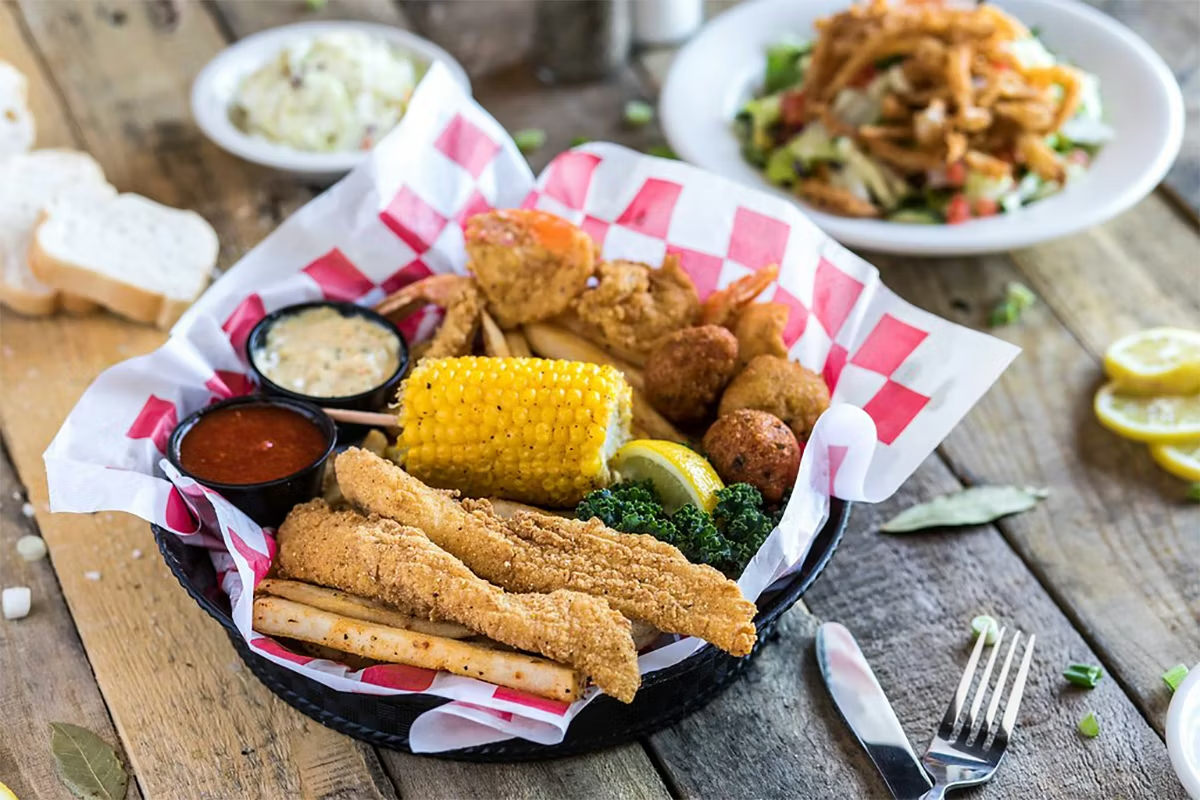
When you taste a gumbo or a shrimp boil, you get a clear sense of a people who turned scarcity into celebration. Cajun cuisine blends French technique with Native and African ingredients, and it often relies on what the bayou offers. Cajun food and seafood dishes are built for sharing after storms or long workdays. That mixture of resilience, thrift, and hospitality tells a larger story, and Razzoo’s Cajun Cafe captures that spirit well.
What Cajun Cuisine Is and Why It Matters
Heritage shapes every plate of Cajun food, and when you taste Cajun cuisine you’re tasting history that includes French-speaking settlers, Native American and African influences, and the landscapes of Louisiana.
You’ll notice simple techniques such as slow simmering, browning, and careful seasoning that transform modest ingredients into bold dishes. The flavor profile is built on the holy trinity of bell pepper, onion, and celery, along with garlic, cayenne, and thyme.
Cajun restaurants celebrate resourcefulness by turning rice, seafood, smoked meats, and local vegetables into communal meals that feed families and neighbors.
These dishes show how food anchors identity, language, music, and celebration in Cajun life while preserving memory, sustaining community bonds, and adapting without losing their roots.
How Acadian Exile Created Cajun One‑Pot Cooking
The communal dishes you tasted grew out of a specific history: the Acadian exile forced families into small settlements where cookware, ingredients, and time were scarce. People learned to stretch a handful of staples into a satisfying meal by cooking everything together in a single pot, combining meat, vegetables, and whatever roots or preserved items survived the journey.
One-pot cooking saved fuel, reduced cleanup, and concentrated flavors through long, patient simmering. Neighbors pooled catches, firewood, and pots for communal stews, so cooperation became part of the food culture. That economy of effort produced dense, layered dishes that carried memory and practicality, and those qualities are central to Cajun cuisine. When you eat Cajun food or a seafood stew from a Cajun restaurant, you’re tasting adaptation, resourcefulness, and a culinary response to displacement.
Ingredients That Reveal Cultural Contacts (Seafood, Rice, Peppers)
Rooted in trade, migration, and local abundance, Cajun ingredients tell stories of cultural contact you can taste. Cajun cuisine reflects Indigenous and French coastal practices in its use of Gulf seafood. Rice arrived with enslaved Africans and was adapted by Acadian settlers, becoming both a staple and a technique within Cajun food. Hot peppers trace Mesoamerican influence that was filtered through Louisiana’s creole exchanges and incorporated into French-based cooking.
Shrimp, crawfish, oysters, and crab anchor many Cajun dishes because locals adapted coastal know-how and seasonal harvesting to inland wetlands. The cultivation and preparation of rice were shaped by African knowledge and Acadian needs, producing distinctive textures and flavors in Cajun cuisine. The use of peppers, whether sparing or bold, demonstrates how New World flavors became integral to Cajun food. These ingredient choices map trade routes, labor histories, and everyday improvisation that made Cajun cuisine distinct.
How the Bayou and the Seasons Shaped Cajun Techniques
Because the bayou floods, freezes, and dries on its own rhythm, Cajun cooks learned to work with time and weather instead of against them. They adapted preservation methods such as smoking, salting, and pickling to stretch scarce protein through wet winters and lean seasons.
Harvests were scheduled around tides and migratory runs so shrimp, crawfish, and local greens could be used fresh or transformed for later. One-pot techniques — stews, étouffées, and gumbo — became central to Cajun cuisine because they tolerate variable ingredients and fuel.
Smoky, low-and-slow fires were built to handle swamp humidity. When storms cut supplies, cooks improvised with staples like rice and preserved pork.
The result is a practical Cajun food tradition: flexible, resourceful, and tuned to the bayou’s calendar rather than fixed recipes that never change.
Communal Meals, Hospitality, and Culinary Rituals
What grew from those practical, weather-shaped kitchens was a culture that gathers around food as a social glue. When you step into a Cajun gathering, you immediately feel ritual as communal pots of gumbo and jambalaya steam on a table while hands pass platters and stories fold into the sounds of spoons and laughter.
You don’t just eat Cajun food; you participate by shucking, stirring, and seasoning together so that meals become shared labor and celebration. Hospitality in Cajun cuisine isn’t formal but insistently generous, and neighbors arrive hungry and leave both stuffed and known.
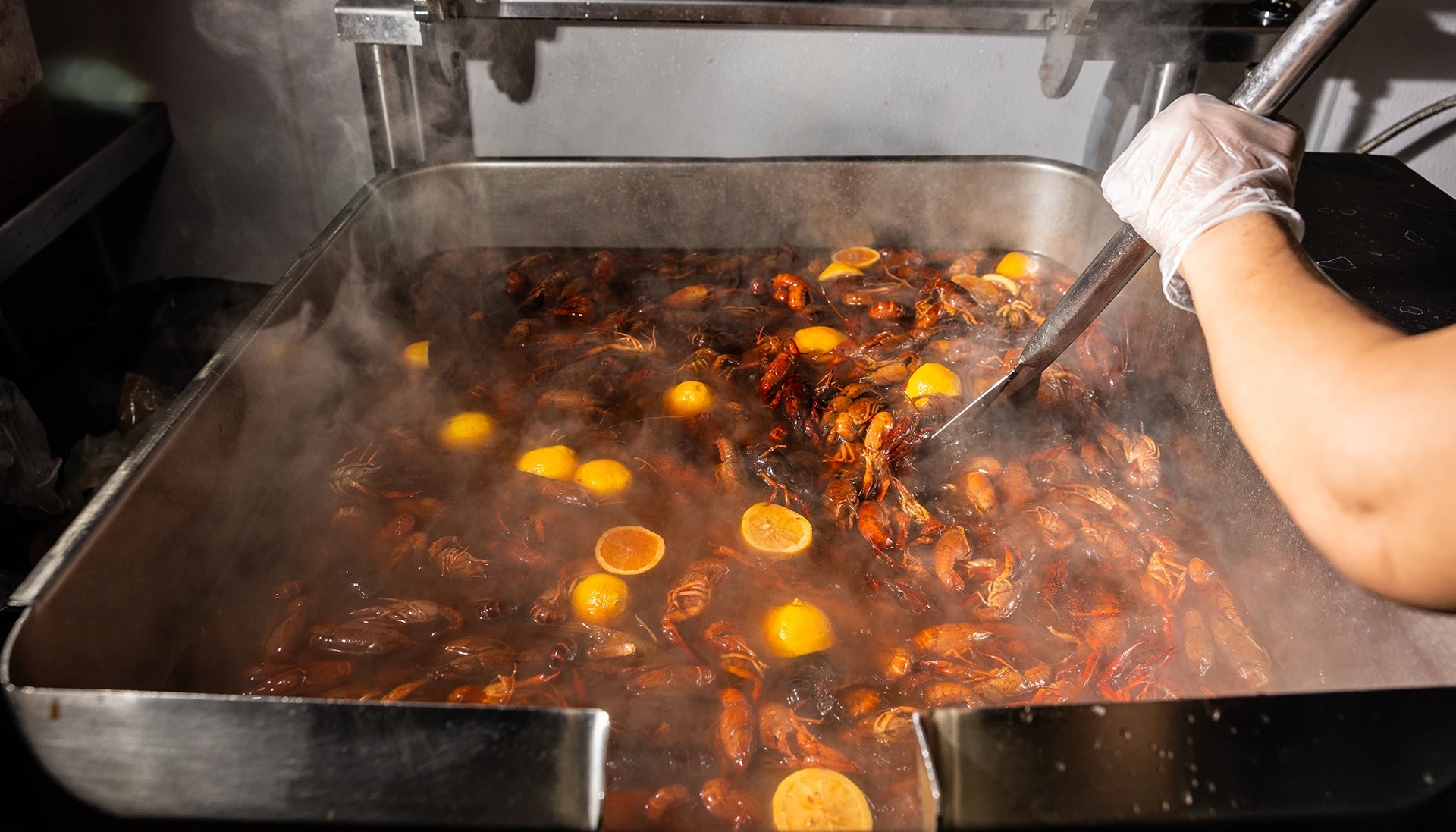
Rituals mark life’s moments in Cajun restaurants and home kitchens alike—bouchers, crawfish boils, and Sunday dinners each have rules about order, portions, and respect that keep community bonds tight. Through these practices, seafood and spice become a language that teaches belonging, reciprocity, and care.
How Food Preserved Acadian Identity Through Hardship
When you trace Acadian history through its meals, you see how food held a scattered people together. Simple staples and communal feasts carried memory, language, and kinship across exile, poverty, and dislocation.
Recipes became portable archives, with one-pot dishes, preserved meats, and root vegetables that traveled with families and endured lean seasons. Shared techniques such as smoking, drying, and pickling stretched supplies and maintained familiar flavors when new surroundings threatened cultural erasure.
Identity was spoken through ingredient choices and the rituals of preparation, and names and stories were passed at the hearth. Even under repression, cooking anchored community networks through barn gatherings, church potlucks, backyard boils, and the emergence of Cajun cuisine and Cajun food traditions.
Those same culinary threads later found expression in Cajun restaurants and seafood tables that kept the Acadian tongue and ties alive when other institutions were absent.
Cajun Cuisine Today: Pride, Revival, and How to Experience It
The culinary threads that kept Acadian identity intact have reemerged as a source of pride and renewal in contemporary Cajun culture. This revival appears in bustling boucherie events, in chefs reworking ancestral recipes, and in community feasts where elders teach younger cooks the importance of roux and spice balance.
Festivals celebrate crawfish boils and zydeco alongside culinary demonstrations, offering opportunities to taste, learn, and connect with Cajun food and seafood traditions. Local markets emphasize fresh, regional ingredients, and many Cajun restaurants blend authenticity with innovation.
Home kitchens continue to keep traditions alive, and visitors who attend gumbo cook-offs or sign up for a cooking class can experience how Cajun cuisine remains rooted and resilient.