Why Some Seafood Restaurants Feel More Authentic Than Others
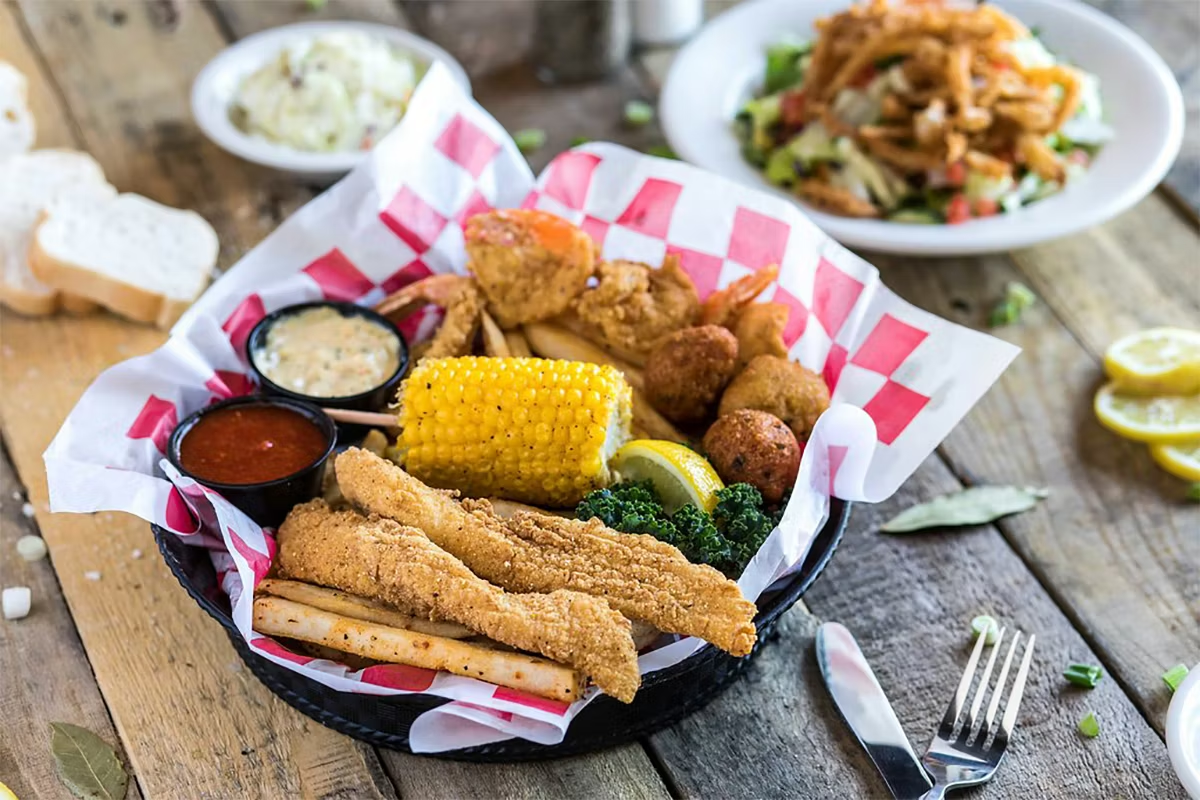
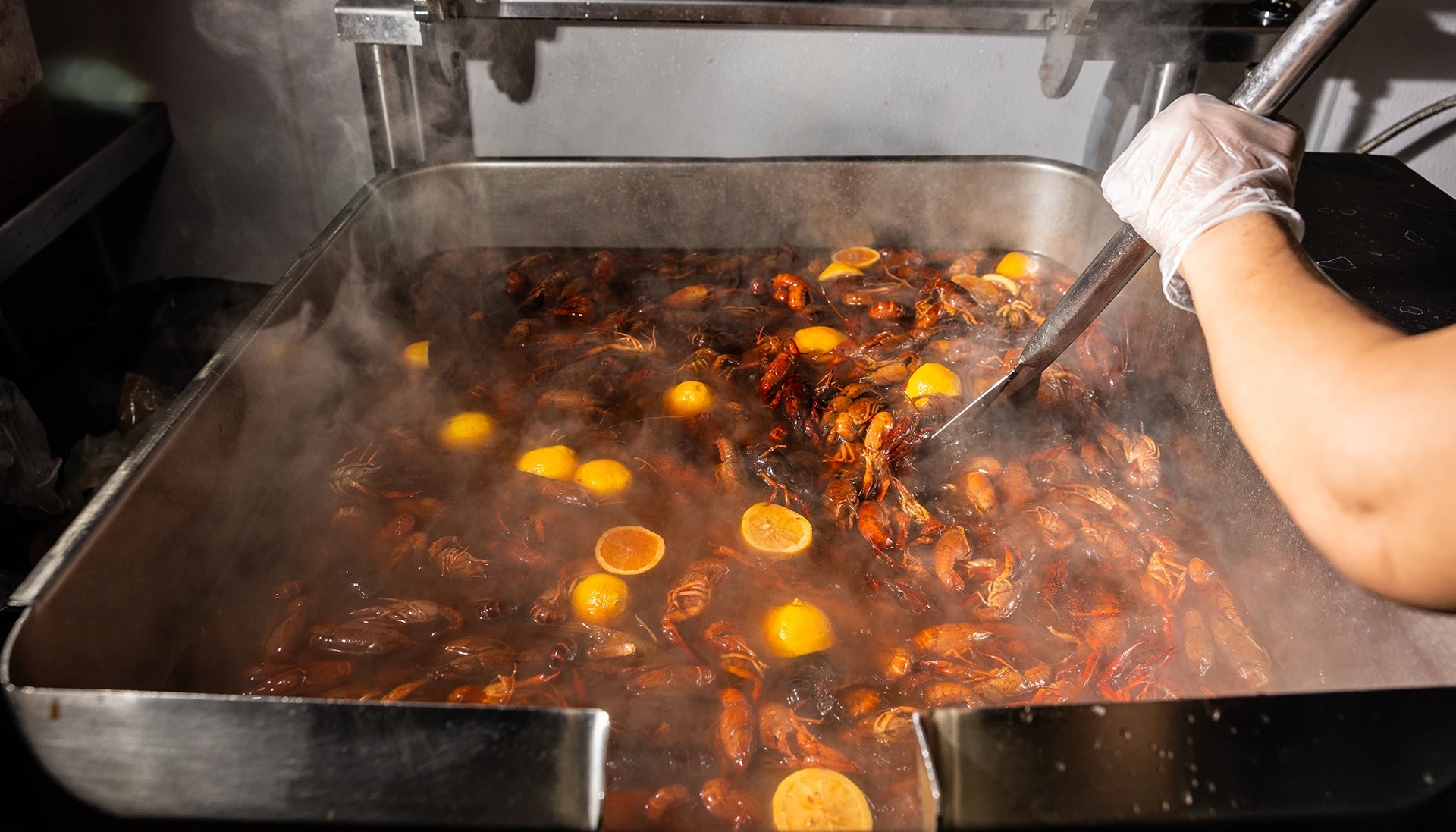
You care where your dinner came from, and you notice the small signs that mean something: the menu naming harbors, a server who can explain how the fish was caught, and plates that highlight the flesh instead of hiding it. Those details speak to place and practice and help distinguish a lived-in neighborhood spot from a polished chain, whether the kitchen leans toward classic seafood preparations or the bold spices of Cajun cuisine. The presence of oyster roasts, boiled crawfish, or a blackened fish that carries a smoky, peppery bite can make the room feel rooted in a regional tradition, and even a visiting chain can feel more authentic if its staff and menu reflect those local rhythms. Razzoo’s Cajun Cafe can feel particularly connected when its servers describe sourcing and when its dishes—Cajun food favorites alongside simple shellfish plates—show the care behind them.
What “Authentic” Means to Diners (Quick Checklist)
When you walk into an authentic seafood restaurant, you expect more than a menu claim and want fresh, traceable seafood prepared in ways that reflect regional traditions.
A Cajun restaurant, for example, often displays visible kitchen activity or open prep areas that show hands-on technique rather than frozen, reheated plating.
Diners notice simple, ingredient-forward dishes in seafood and Cajun cuisine that let natural flavors lead instead of heavy sauces masking them.
Menus at places committed to authenticity feature seasonal specials and change with the local catch rather than offering fixed, globalized items.
Staff who understand the cuisine describe cooking methods such as brining, smoking, grilling, or steaming and tie those techniques to regional practice.
Provenance and Sourcing: What to Ask and Look For
Because the origin of seafood shapes flavor, sustainability, and safety, diners should ask where a Cajun restaurant sources its catch and how recent that catch is.
Menus that list a local fishery, harbor, boat, or cooperative provide more useful information than vague “fresh” claims.
Restaurants that buy direct from fishers, use reputable distributors, or rely on frozen imports create different outcomes for Cajun cuisine and seafood quality.
Traceability information such as harvest date, region, and method (line-caught, trap, trawl) affects taste and environmental impact.
Certifications like MSC or reputable local programs can be part of the picture without telling the whole story.
Menu transparency and staff knowledge communicate how seriously a Cajun food establishment treats sourcing.
Proper handling, clear labeling, and seasonal offerings reflect thoughtful procurement practices.
Dishes and Techniques That Show Local Culinary Roots
Knowing where a restaurant’s seafood comes from reveals a lot about its roots, and the preparations tell the rest of the story.
You can spot authenticity when chefs employ local techniques such as wood-smoked mackerel, clay-pot stews, or simple charcoal grilling that echo regional traditions. In Cajun cuisine, for example, classic preservation and seasoning methods are often evident alongside native spice blends and curing or fermenting techniques.
Traditional pairings—specific greens, starches, or sauces served with fish—further indicate a dish’s lineage. When a plate highlights seasonal, nearby species with minimal intervention, it clearly nods to place.
Signature preparations like regional fritters, broths, or raw presentations reveal culinary history more than trendy plating does. Skilled handling is also apparent through clean butchery, proper doneness, and balanced seasoning that respect the ingredient’s history and flavor, and a true Cajun restaurant will reflect these qualities in its seafood offerings.
Design, Service, and Sensory Cues That Reveal the People Behind the Food
Although the food reveals a great deal, the room, the staff, and the sensory details reveal who’s truly behind it.
You notice worn wood tables, nautical ropes, or family photos that signal care rather than trend-chasing. Staff speak knowledgeably about catch names, preparation, and seasons, and their pride comes through without sounding rehearsed. The smell of sea brine, lemon, garlic, and charcoal arrives in balanced measures rather than as heavy masking scents.
Practical layouts create easy staff flow and a mix of communal and intimate seating where appropriate, while service timing respects pacing more than spectacle. Small gestures such as a server’s suggestion, a handwritten special, or a chef’s table hello communicate personal investment in Cajun cuisine and seafood alike. Those cues let you read the authenticity of a Cajun restaurant before the bill arrives.
Community Ties and Stories That Prove Authenticity
The room, the staff, and the sensory cues tell you who cooks the food, and the neighborhood and its stories explain why they cook it.
Faded fishing permits on the wall, servers mentioning a regular who’s been coming for decades, and the chef’s history of growing up on nearby docks all signal deep roots. Those details point to family recipes, seasonal sourcing, and partnerships with local fishers that shape the Cajun cuisine and seafood offerings.
Menu items are described with names and memories rather than corporate slogans. Community boards display fundraiser flyers and photos from neighborhood events.
When staff swap memories with customers, mutual ownership of the place becomes apparent. Authenticity appears in these living connections, so the Cajun restaurant isn’t merely located in a neighborhood but woven into its daily rhythms and history.
Red Flags of Inauthenticity : And How Restaurants Can Recover
When menu items read like marketing copy instead of family stories, muraled photos look staged, or staff can’t explain where the fish came from, those are clear red flags of inauthenticity for a Cajun restaurant. These signals erode trust quickly and damage a restaurant’s reputation for serving authentic Cajun cuisine or seafood.
Recovery begins with tracing the supply chain so that the provenance of ingredients, particularly seafood, can be documented and communicated. Staff training should enable servers to tell that provenance story plainly and confidently.
Generic decor can be replaced with meaningful artifacts or customer photos that reflect the real history of the restaurant and the community that made its Cajun food possible. Menus rewritten with provenance notes and simple anecdotes help connect dishes to people and place while inviting regulars to respond to the changes.
Inviting community members to share memories or recipes creates a genuine connection between the restaurant and local traditions. Transparency about mistakes, correction of sourcing issues, and visible follow-through demonstrate commitment to authenticity.
Consistency, humility, and verifiable details rebuild credibility more effectively than clever branding or empty claims.