What Sets Real Cajun Cuisine Apart From Imitations
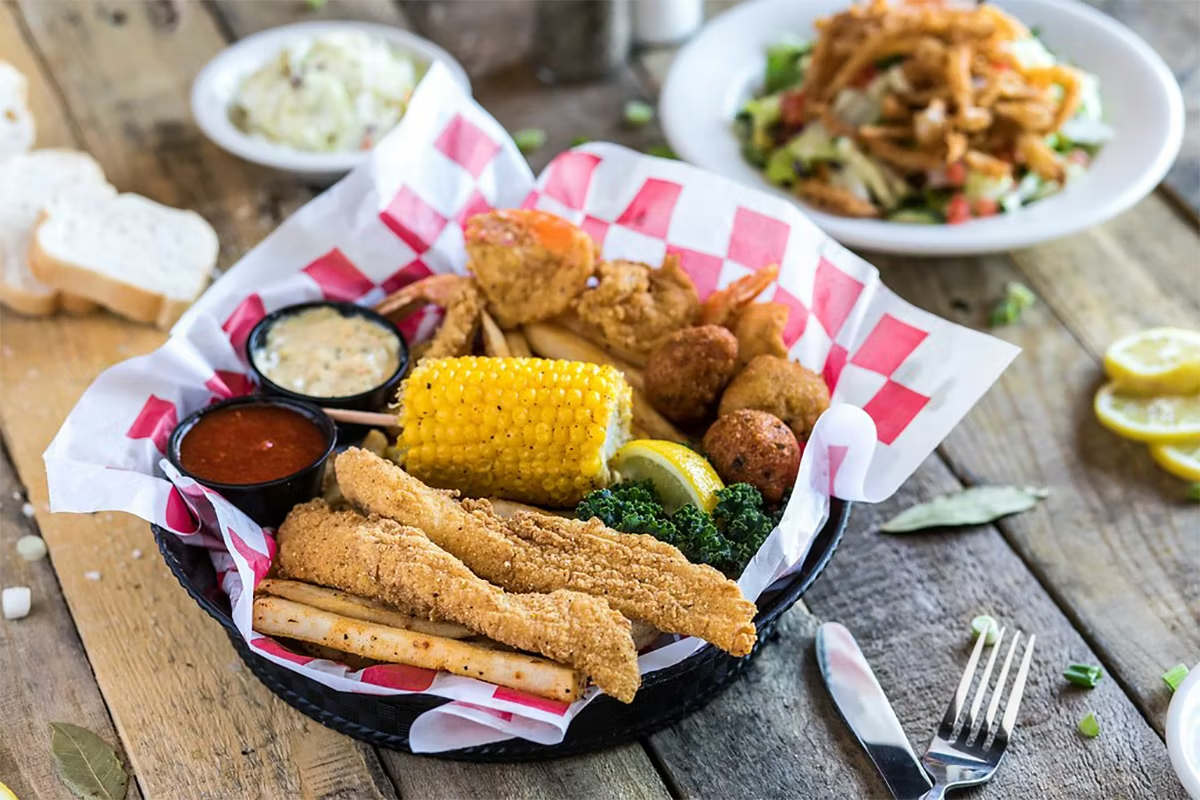
You can recognize Cajun food by how it is built rather than by reach for a spice jar. Cajun cuisine relies on a slow-made roux and the holy trinity sweated until soft, while stocks are pulled from bones and shells to form a rich base. Local pork, seafood, or game is then added with care so the flavors develop quietly instead of trying to overpower you with heat or shortcuts. Even in a casual dining spot like Razzoo’s Cajun Cafe, those techniques create the deep, honest flavor that defines real Cajun cooking.
Defining “Cajun” in Louisiana
When people talk about Cajun in Louisiana, they’re referring to a distinct cultural and culinary identity rooted in the Acadian exiles who settled the bayous and prairies centuries ago.
Cajun food is recognizable by its practical, hands-on approach, which emphasizes one-pot meals, bold seasoning, and locally sourced ingredients such as rice, roux, smoked meats, shellfish, and the “holy trinity” of onion, celery, and bell pepper.
The style of Cajun cuisine isn’t borrowed for show but reflects a way of feeding family and neighbors with what’s available and affordable.
Many Cajun restaurants convey a conversational tone in their recipes and menus while placing emphasis on technique over gimmickry.
True Cajun dishes balance heat, smoke, and savoriness without relying on trends or overcomplication.
How History and Place Shaped Cajun Cooking
Cajun cooking grew from exile, survival, and adaptation, and its flavors map directly onto the landscapes and histories that shaped them.
Acadian refugees brought French peasant techniques and then mixed them with Indigenous, African, Spanish, and coastal influences as they settled the bayous, prairies, and marshes of Louisiana.
You’ll notice Cajun cuisine built around what was available, such as rice from Spanish trade, wild game and fish from wetlands, and smoked pork preserved for lean months.
African methods like one-pot stewing and spice blends met Indigenous uses of local herbs and roasting.
Slow braises and communal meals reflect practicality and an ethic of stretching ingredients in both Cajun food and seafood traditions.
When you eat true Cajun food in a Cajun restaurant or at home, you’re tasting a culinary map of resourcefulness, place, and layered cultural exchange.
The Holy Trinity: Onion, Celery, Bell Pepper
At the heart of almost every Cajun pot you’ll find the Holy Trinity: finely chopped onion, celery, and green bell pepper that build the base flavor and aroma for gumbo, jambalaya, and étouffée.
These vegetables are treated as one unit in Cajun cuisine because balance matters more than precision. They’re sweated gently to coax sweetness without browning, and that soft, fragrant bed allows proteins, spices, and stock in Cajun food to meld later.
Proportions are adjusted by dish, with more onion lending sweetness, more celery adding earthiness, and more pepper contributing brightness.
Fresh, crisp produce and a uniform dice help the vegetables cook evenly. Imitations often skip this careful melding, which is why authentic Cajun restaurant dishes have deeper, integrated savor instead of sharp, isolated flavors.
Roux: Making and Using Dark Roux for Depth
In a heavy skillet or Dutch oven, you develop a dark roux by slowly toasting equal parts flour and fat until they reach a deep brown, nutty color that provides backbone to Cajun dishes. You stir constantly to prevent burning and lower the heat as needed, because patience yields flavor in traditional Cajun cuisine.
Oil, butter, or rendered pork fat each impart different aromas while the technique remains the same. Once the roux is dark, you deglaze carefully with stock or water, whisking to incorporate and create a silky base for gumbo and other seafood stews.
You add the holy trinity next so the vegetables cook in that toasted flavor that defines much of Cajun food served in a Cajun restaurant. Unused roux stores refrigerated and will keep while deepening in complexity over time.
A proper dark roux offers the rich depth associated with authentic Cajun cuisine.
Cajun Seafood, Game, and Seasonal Produce
Cajun cuisine makes the most of the bayou’s bounty by combining seafood, wild game, and seasonal produce with strong, simple techniques and bold seasoning.
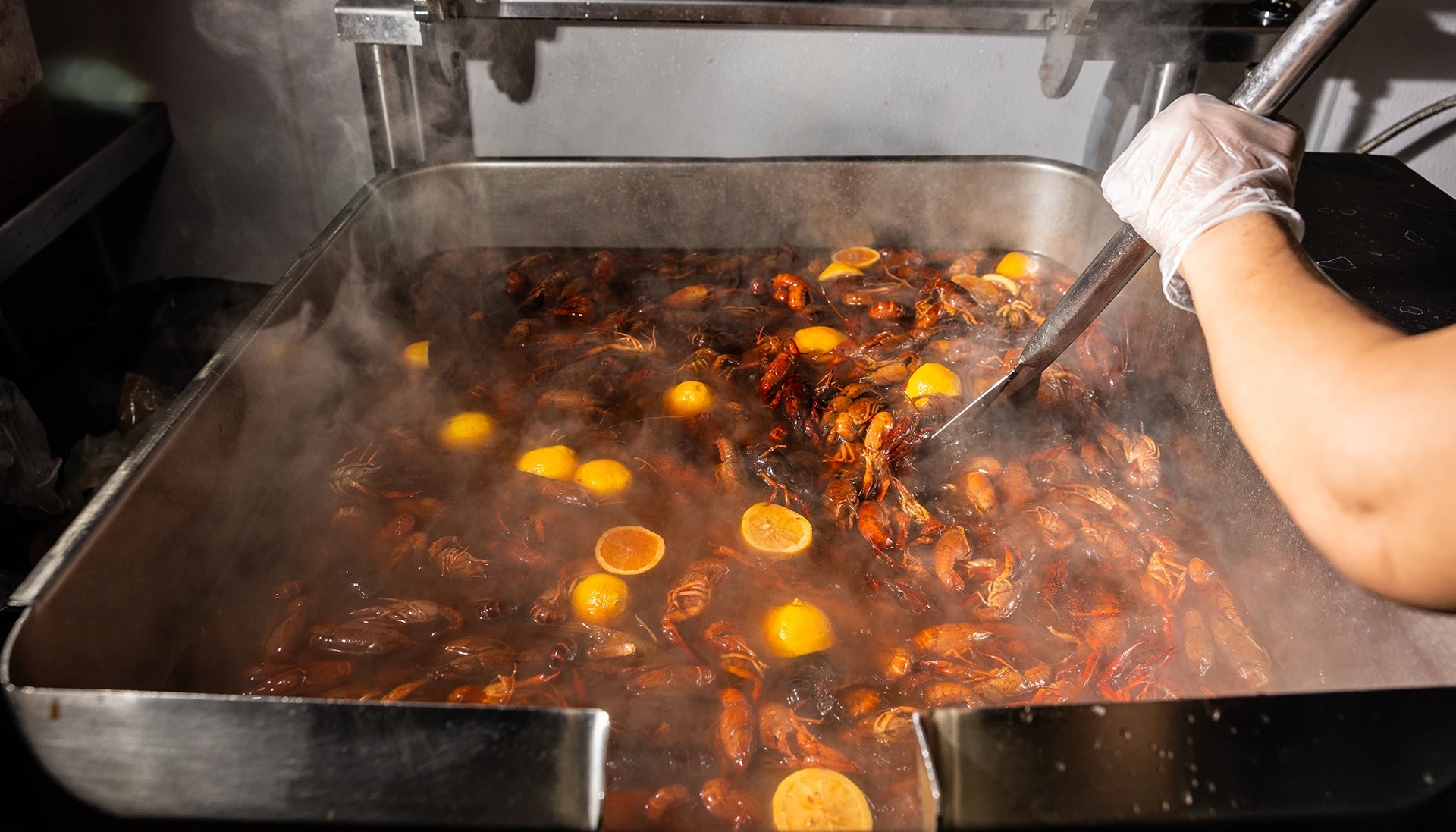
Cajun cooks treat shrimp, crab, oysters, catfish, and crawfish with respect, using quick sears, braises, or boils that highlight natural sweetness and texture.
Hunters and fishers bring back duck, rabbit, and venison that are simmered into stews or roasted with aromatics to add depth without masking flavor.
Cajun restaurants and home kitchens rely on seasonal vegetables such as okra, squash, greens, and tomatoes, which are added late for brightness or slow-cooked to enrich sauces.
The techniques in Cajun food favor hands-on timing and modest ingredients so each component sings.
That pragmatic approach gives authentic Cajun dishes their honest, layered character.
Using Cajun Seasoning : Sparingly and With Purpose
After you have treated seafood, game, and produce with care, think of Cajun seasoning as a finishing partner rather than a cover-up. You’ll reach for it to highlight char, sweetness, or natural brine and not to mask poor technique. Start lightly by sprinkling, tasting, and then adding more if needed, and allow heat, paprika, garlic, and thyme to nudge flavors forward instead of letting them dominate.
Use Cajun seasoning differently depending on the ingredient: a pinch works well on roasted fish, a light rub complements venison, and a dash brightens garden vegetables. Heavier blends suit sausages or dishes in Cajun cuisine where bold spice is intended. Layering aromatics such as onions, bell peppers, and celery before adding the seasoning at the end creates more depth. This restraint helps keep dishes balanced and true to the spirit of Cajun food and the flavors often found in a Cajun restaurant.
One-Pot Cajun Methods: Gumbo, Jambalaya, Fricassée
One-pot Cajun dishes rely on techniques that build flavor through timing, layering, and patience rather than complexity.
In Cajun cuisine, a dark roux for gumbo is developed by stirring until it smells nutty and deep, and that color carries a toasted flavor that can’t be replicated with seasonings alone.
When making jambalaya, proteins and vegetables are browned first so the rice can later absorb spiced stock and allow everything to meld without becoming mush.
Fricassée in Cajun food involves gently simmering proteins in a reduced, seasoned liquid until they become tender, and the dish is finished with a bright acid or fresh herbs to lift the flavors.
Each Cajun restaurant–style recipe balances heat, seasoning, and texture and avoids shortcuts that skip caramelization or proper reduction.
The result is cohesive, homey, and unmistakably Cajun, with seafood often playing a starring role in the cuisine.
Common Shortcuts That Fake Cajun Flavor
You’ll often see "Cajun" tags applied to dishes that skip the work that makes Cajun cuisine distinctive.
Many places use pre-made spice blends instead of building a balanced seasoning profile that develops across cooking stages. Boxed roux or browned butter is frequently presented as a dark roux, and quick-steamed seafood is substituted where proper searing or slow simmering would concentrate flavor.
Thin, watery sauces are common where long reductions should deepen and thicken the glaze. Restaurants sometimes make skimpy use of local ingredients such as andouille or tasso, and they rely on MSG or sugar to manufacture a sense of savory depth.
Precooked proteins are reheated rather than slow-cooked to develop collagen and caramelization, and dishes often show one-note heat, with too much cayenne and too little of the smoked complexity that complements seafood and meat in authentic Cajun food.
These shortcuts save time, but they strip away the texture, aroma, and layered savor that define true Cajun cuisine.
How to Spot an Authentic Cajun Restaurant or Product
If you want to tell real Cajun cooking from imitators, look for evidence of technique and local ingredients rather than relying on a "Cajun" label. Authentic Cajun cuisine often features a dark, nutty roux or a properly reduced sauce and a pronounced but balanced use of smoked meats such as andouille or tasso.
Proteins will show visible browning and caramelization, and the overall depth of savory flavor won’t depend solely on salt, sugar, or MSG. When dining at a Cajun restaurant, the menu will include specific local seafood and seasonal items alongside scratch-made side dishes like dirty rice or stewed okra. Servers and chefs will be able to describe how long sauces simmered and whether stocks are house-made.
Packaged products that reflect genuine Cajun food list simple ingredients and smoked meats rather than vague “natural flavors,” and their texture and aroma convey the quality of the ingredients.
Simple Swaps to Make Home Meals Taste Authentically Cajun
You can turn ordinary weeknight dishes into meals that taste like authentic Cajun cooking by swapping a few key elements. Use the holy trinity of onion, bell pepper, and celery as your flavor base instead of relying on onion alone, and sweat them slowly to build depth.
Replace plain rice with dirty rice or add smoked sausage and green onion to white rice to introduce traditional Cajun flavors and texture. Trade generic seasoning for a modest Cajun blend of paprika, cayenne, garlic, thyme, and oregano, and briefly toast it in oil so the spices bloom.
Choose an acid such as lemon or vinegar at the end to brighten stews, gumbos, and seafood dishes. Finish the plate with fresh parsley and green onion, and use smoked or andouille sausage along with low-country seafood when possible to achieve an authentic Cajun cuisine profile.
Small swaps yield a big, authentic payoff that evokes the flavors of Cajun food and a good Cajun restaurant.