Why Happy Hour Works Better at Casual Restaurants
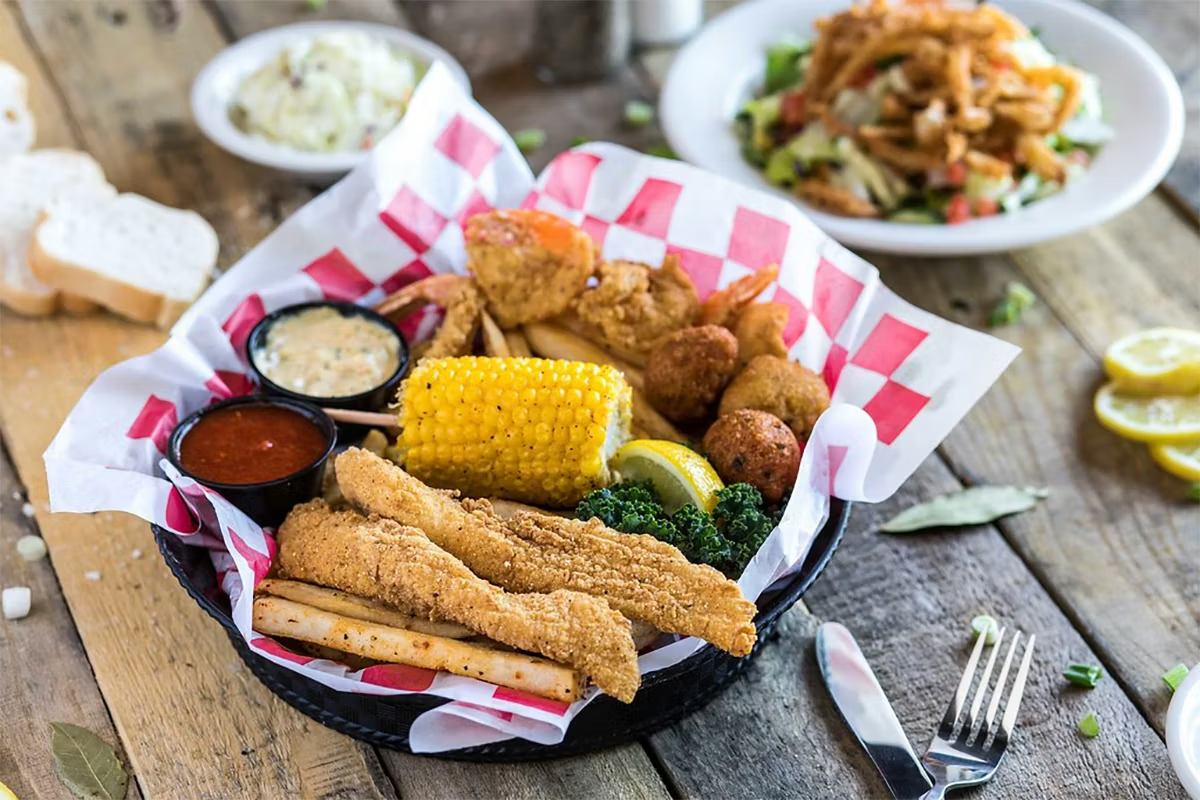
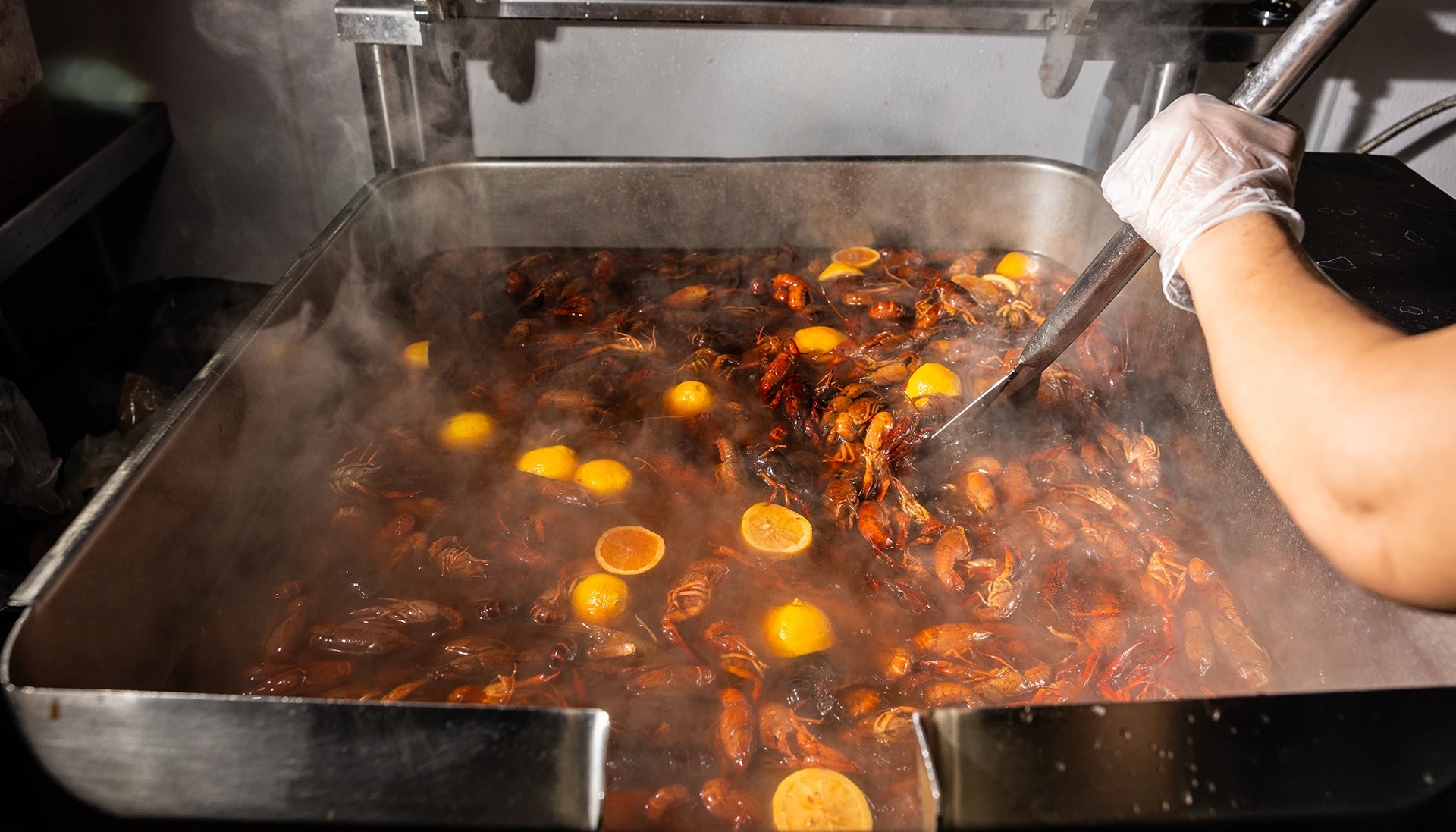
You’re more likely to drop into a casual spot after work because the relaxed vibe, lower prices, and approachable menu reduce the effort and risk of planning a night out. Shared plates, easygoing seating, and crowd‑pleasing low‑cost cocktails invite you to linger and order more rounds without feeling pressured. The same formula works especially well for Cajun cuisine and seafood-focused menus, where bold flavors and shareable dishes encourage group dining and repeat visits. Razzoo’s Cajun Cafe fits this playbook by pairing comforting Cajun food with an unpretentious atmosphere that keeps customers coming back.
Why Casual Restaurants Win the After‑Work Crowd (Who Benefits)
Because you want a quick unwind without fuss, casual restaurants attract the after‑work crowd by combining convenience, affordability, and a relaxed vibe.
You can walk in without a reservation, grab a seat at the bar, and start decompressing right away. You don’t need to dress up or plan a long evening, and the pace is forgiving so conversation flows while staff move with friendly efficiency.
You save money but still get satisfying food and drinks, and many casual spots serve Cajun food or seafood options that feel indulgent without being formal.
Managers benefit from steady early‑evening traffic, bartenders earn income from busy shifts, and kitchen staff keep orders rolling without the pressure of fine‑dining timing.
Happy‑Hour Pricing and Portioning That Feel Low‑Risk
That easygoing, come-as-you-are vibe carries over into happy hour at a Cajun restaurant, where prices and portions are designed to feel low-risk.
You can try a new cocktail or a seafood-infused drink without committing to a full-priced drink, since half-sized pours and $5 specials lower the cost of experimentation. Small plates featuring Cajun cuisine and snack-sized bites let you nibble without feeling wasteful or overly full, so ordering several items feels sensible rather than excessive.
Clear, simple pricing and visible menus reduce decision friction, causing quicker choices and more frequent returns. When servers suggest sampler combos or dollar-add-on upgrades, guests are more likely to say yes because the perceived downside seems minimal.
That balance between affordable risk and manageable portions keeps customers coming back.
How Shared Plates and Grazing Menus Encourage Lingering
By spreading dishes across the table, shared plates and grazing menus turn a quick stop into a social experience that invites you to stay.
In a Cajun restaurant, for example, you might order a few small bites of Cajun cuisine or seafood and suddenly have reasons to linger: passing plates, debating which bite is best, and trying one more item because someone else already did.
That slow rhythm reduces turnover without pressure, since you’re occupied, comfortable, and engaged. Casual restaurants design menus so combinations work at different paces, letting you snack, chat, and reorder without commitment.
Sharing also lowers perceived cost and risk, so patrons experiment more and stay longer. In short, communal formats create interaction and flexibility that make happy hour feel like an event rather than just a quick deal.
Drink‑Menu Tactics: Pricing, Pours, and Signature Low‑Cost Cocktails
Shared plates set the pace, but the drink list often determines how long you stay in a Cajun restaurant. Pricing, pour sizes, and a few signature low-cost cocktails shape behavior just as much as the Cajun cuisine or seafood on the menu. You might spot $5 wells, $6 draft specials, and a priced-by-the-ounce wine list that nudges you toward rounds instead of one-offs.
Smaller pours and tapered price jumps keep patrons ordering more frequently without their noticing the cost creep. Signature cocktails priced to undercut full-menu mixes become social rituals when one person orders a cheap, tasty drink and the group follows while the server cycles back more often. Diners read those menu cues and adjust their pace, becoming quicker to order another round and slower to leave. Smart drink tactics boost average checks while keeping guests comfortable and engaged in the Cajun dining experience.
How Lighting, Seating, and Noise Shape Social Comfort
When lighting, seating, and noise are tuned to the same social frequency, guests stay longer and relax more easily.
Low, warm lighting flatters faces and reduces glare, so people don’t squint or feel exposed; it signals intimacy without sacrificing visibility for menus and drinks.
Seating with modest back support and small armrests allows patrons to shift posture and lean in for conversation, so they don’t feel pinned or awkward.
Moderate ambient noise masks anxieties and creates a lively hum that encourages spontaneity, because spaces that are too quiet feel clinical while those that are too loud shut down chat.
In a Cajun restaurant serving Cajun cuisine and seafood, these elements combine to lower social friction, leading people to talk more, order another round, and linger as they enjoy the flavors and company.
As a guest, you can sense when a place is calibrated for casual connection.
Flexible Seating Layouts That Improve Group Dynamics
To make groups feel comfortable and connected, design seating that adapts to different party sizes and interaction styles in a Cajun restaurant setting. Movable tables and chairs allow parties to expand or split without awkward gaps, which works well for groups sharing Cajun cuisine or seafood platters.
Booths with removable sections and a mix of communal benches and small two-tops support both mingling and intimate conversation among diners enjoying Cajun food. Sightlines should be arranged so people can maintain eye contact without shouting, and low partitions or varied heights can define zones while preserving a social atmosphere.
Flexible bar seating accommodates drop-in groups and standing ledges invite quick chats over oysters or shrimp, and durable, easy-to-move furniture enables staff to reconfigure the space during peak times. Prioritizing adaptability lets guests shape their own experience, enhancing comfort, conversation flow, and the desire to return for more Cajun cuisine.
How Casual Spots Cut Costs Without Cutting the Experience
Casual Cajun restaurants trim costs without trimming character by choosing smart, visible savings that never feel cheap to guests. You’ll notice streamlined menus that focus on Cajun cuisine crowd-pleasers and popular seafood dishes, which reduces ingredient waste and speeds service without narrowing choices.
Staff in a casual spot multitask efficiently — hosts may bus tables and servers often run drinks — so labor stays lean while interactions remain friendly. Simple decor updates, such as durable tabletops and rotating local art, lower refresh costs while preserving a lively atmosphere.
Batch cocktails and house wines reduce pour variance and speed service, delivering consistent quality at lower price points. Technology like mobile POS systems and inventory apps trims ordering errors and prevents overstock, allowing the dining experience to stay relaxed and full-featured rather than stripped down.
Marketing Moves That Drive Repeat Happy‑Hour Visits
Regular reminders about why your Cajun restaurant’s happy hour is worth returning to keep seats filled and the buzz alive. Targeted emails and SMS provide timely reminders, and highlighting rotating specials creates FOMO among diners.
Genuine photos and short videos of smiling guests enjoying shareable bites and seafood platters convey the atmosphere better than words alone.
A simple loyalty punch card or digital stamp that rewards repeat visits encourages patrons to return without creating friction.
Partnerships with local businesses and nearby offices for cross-promotions and group deals bring steady weekday traffic to your Cajun cuisine offerings.
Limited-time themed nights turn occasional visitors into regulars by giving them reasons to come back.
Staff members who invite guests to return with personalized suggestions and who mention upcoming offers on the check help build relationships that keep customers coming.
Consistent messaging across social channels makes patrons recognize and anticipate your happy hour rhythm.
Metrics: Measuring Happy‑Hour ROI and Customer Lift
Start by tracking the handful of metrics that directly tie happy-hour activity at your Cajun restaurant to revenue and repeat visits so you can tell which promotions actually move the needle.
Measure incremental revenue during happy-hour windows versus baseline sales at the same times on non-promoted days to understand the true lift from Cajun cuisine specials and seafood offerings.
Track average check and items per check for happy-hour guests and compare those figures to regular service to see whether patrons are ordering more Cajun food or additional drinks.
Use redemption rates and cost-per-redemption for coupons or digital offers to assess spend efficiency and the financial impact of seafood discounts.
Follow customer lift by tagging guests who visit during happy hour and monitoring return frequency, spend, and spend growth over 30–90 days to capture longer-term effects on loyalty.
Calculate ROI by subtracting promotion costs, including discounts, labor, and marketing, from incremental gross margin to determine whether the Cajun-focused promotions deliver profitable returns.
Iterate offers based on which metrics improve margin and repeat behavior so that your happy-hour strategy evolves with customer response.
Lessons Casual Spots Offer Full‑Service Bars: Practical Takeaways
Look to what casual spots do well and borrow the tactics that fit your full‑service bar, such as simplifying menus to speed service, spotlighting a few high‑margin drinks to lift checks, and designing promotions that bring customers back without eroding profit.
Paring down options enables faster ordering and more consistent pours, and training staff on those core items keeps service brisk even during peak happy hour.
Offering limited‑time pairings or bundled snacks can increase per‑head spend without heavy discounting, and pairing those offers with Cajun food or seafood dishes helps create distinctive, high‑value combinations.
Tracking sales by item and shift reveals which promotions actually drive new visits versus cannibalizing regular traffic.
Promoting your offers clearly on the floor and online, while rotating concepts seasonally, keeps regulars curious about new twists on Cajun cuisine and other menu features.
Small, disciplined changes compound into measurable gains for a full‑service bar attached to a Cajun restaurant or other casual dining operation.