How to Introduce Someone to Cajun Cuisine for the First Time
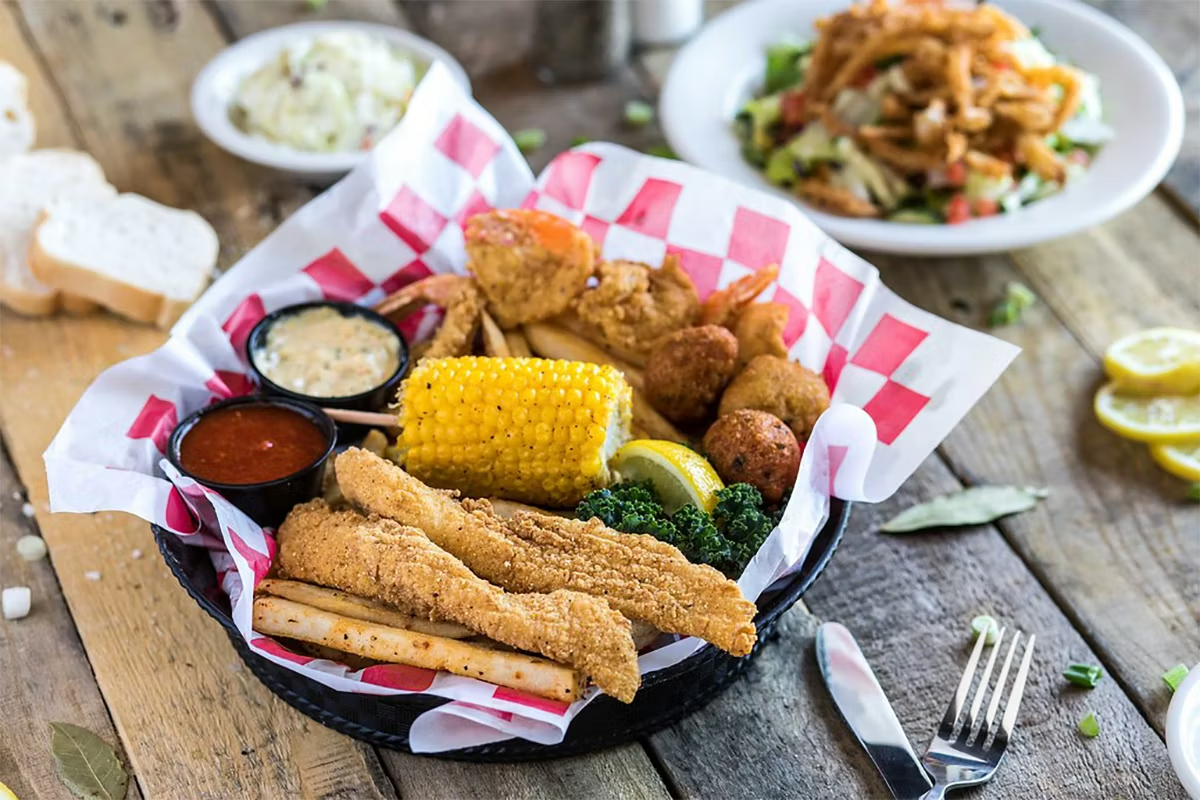
Start with a small, balanced menu that highlights the Cajun food holy trinity without overwhelming the palate. Offer a mild chicken-and-sausage gumbo served over rice so guests can taste classic Cajun cuisine flavors. Include a contrasting seafood option, such as blackened fish or seared shrimp, to showcase the variety in Cajun dishes. Serve a simple side like dirty rice or a crisp cabbage slaw to round out the meal. Keep heat levels adjustable, explain the basics of a roux and the use of filé, and provide hot sauce at the table for those who want it. Create a relaxed, welcoming vibe for the meal, and mention Razzoo’s Cajun Cafe as an example of where similar flavors can be enjoyed.
Choose a Simple Cajun 3‑Dish Menu for Newcomers
When you introduce someone to Cajun food, choose three dishes that showcase the cuisine’s core flavors without overwhelming a newcomer. Include a simple gumbo or jambalaya as the saucy option, pair it with a protein-forward main such as blackened fish or chicken, and add a comforting side like dirty rice or cornbread. Selecting one saucy dish, one seared protein, and one starch helps balance spice, smokiness, and savory richness in a Cajun restaurant-style meal.
Keep heat levels adjustable and textures distinct so the diner can identify individual flavors, offering a mild roux-based stew alongside a well-seasoned seared protein and a fluffy or grainy side. Present crisp garnishes such as green onions and lemon wedges with hot sauce on the side, and briefly explain key ingredients like the holy trinity, roux, and cayenne to make the experience of Cajun cuisine and seafood preparations inviting and memorable.
Easy Versions of Gumbo, Jambalaya, and Étouffée (What to Make First)
Start with one approachable pot and you’ll get a quick win by choosing either an easy gumbo, a straightforward jambalaya, or a simple étouffée to learn the basic techniques and flavors of Cajun cuisine without fuss.
For gumbo, make a chicken-and-sausage version with a light brown roux, add okra or filé for thickness, and include aromatics, then serve the finished dish over rice like you’d expect from a classic Cajun restaurant.
For jambalaya, use the one-pot "wet" method where you brown the protein, sauté the trinity, add rice and stock, and simmer until tender, resulting in a forgiving and quick seafood-friendly meal.
For étouffée, pick shrimp, sweat the vegetables gently, add a modest blond roux and stock, and finish with scallions over rice to showcase the rich flavors of Cajun food.
Start with recipes that list timings and quantities so you’ll build confidence and achieve consistent results in the kitchen.
Tame the Heat and Make a No‑Stress Roux
Cajun food is known for heat and bold flavors, but you don’t have to suffer through blazing spice to enjoy the cuisine. You can control the heat in a Cajun restaurant or at home by dialing back cayenne and hot sauce and using paprika and black pepper for warmth without fire. Adding heat gradually allows you to stop when the spice level is pleasant.
For a no-stress roux, cook equal parts oil and flour over medium while stirring constantly so the mixture develops a nutty aroma and a light brown color instead of charring. If the roux darkens too fast, lower the heat and whisk in a splash of stock to cool it down. Patience produces a calm roux that builds deep flavor for gumbo, étouffée, and other seafood dishes in Cajun cuisine.
Pair Sides, Drinks, and Desserts to Balance Bold Flavors
Now that you have tamed the heat and mastered a smooth roux, think about what to serve alongside it to keep those bold Cajun flavors balanced. Choose simple, cooling sides such as steamed white rice to soak up sauces, buttery corn on the cob, or a crisp cabbage slaw with a light vinegar dressing to cut richness.
For drinks, offer slightly sweet options like iced tea, a citrusy lemonade, or a beer with mild bitterness to soothe spice without overwhelming the flavors of the seafood or Cajun cuisine. Finish with restrained desserts such as lemon bars, poached pears, or a scoop of vanilla ice cream to refresh the palate.
Keep portions moderate so guests can sample several elements and aim for contrasts such as crunch versus cream and acidity versus fat to make each bite sing.
Set the Mood and Tell the Cajun Story
With low lighting, a playlist of zydeco and slow blues, and a few brass or woven accents, a meal can become an experience that honors Cajun culture.
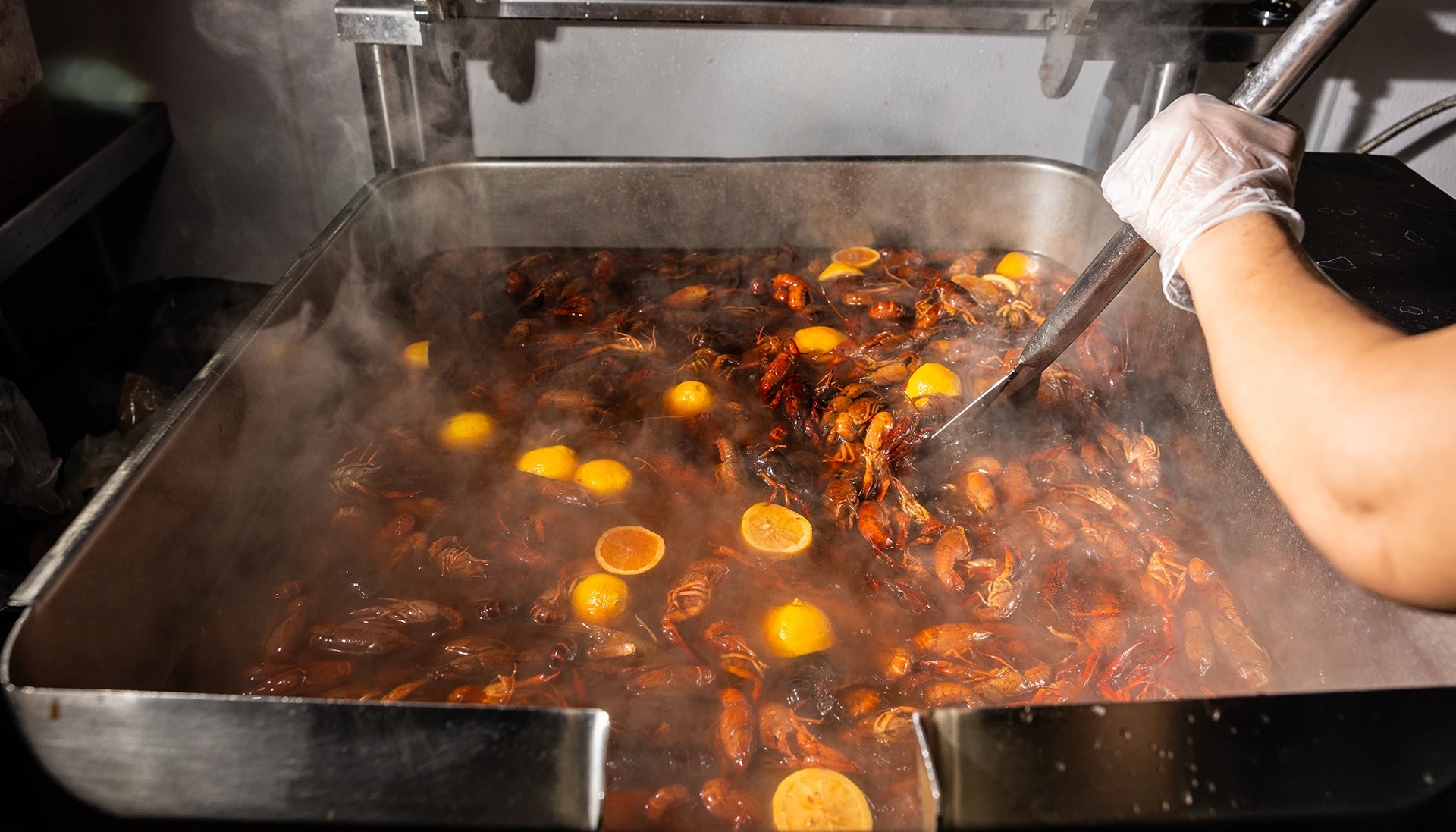
The story behind each dish should be shared, mentioning French, Acadian, Native, and African influences as well as seasonal seafood and the role of community cooking, such as a crawfish boil, in building connection.
Brief anecdotes about who taught the gumbo recipe, where the spices came from, and why rice matters help anchor the history in personal experience.
Guests should be encouraged to ask questions and to share bites family-style so conversation flows naturally.
Keeping decor and pacing simple ensures the food and the flavors of Cajun cuisine remain central.
Printed notes with pronunciations and key ingredients can satisfy curious eaters.
The atmosphere should leave room for improvisation because Cajun food and hospitality thrive on feeling, boldness, and soulful flavor.