Stadium Food vs. Cajun Food: Why You Should Eat Before the Match, Not At It
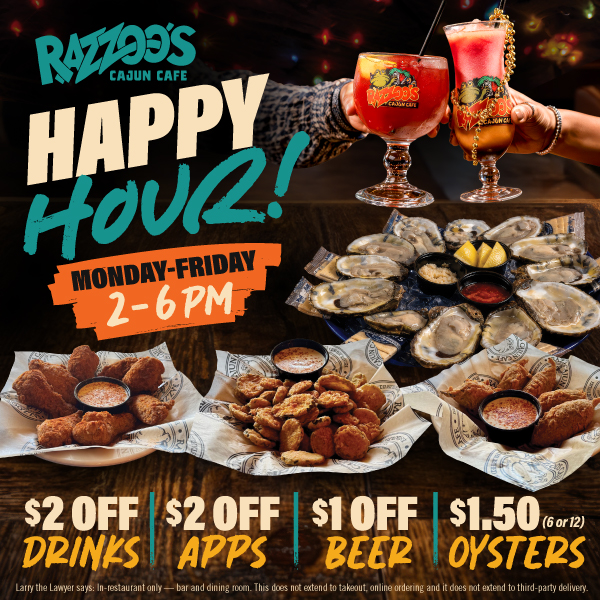
You’ll want to eat before kickoff, not during it, because both stadium concessions and rich Cajun cuisine can slow digestion, spike bloating, and wreck steady energy. Cajun food and seafood dishes often pack bold, heavy flavors and spicy heat that make people feel sluggish in the stands. Aim for a balanced meal a few hours beforehand that includes lean protein, easy carbs, light vegetables, and plenty of water. Skip oversized, greasy, or fiery options that tend to weigh you down, and if you’re craving authentic Cajun flavors before the game, consider Razzoo’s Cajun Cafe for a meal that hits the mark without leaving you uncomfortable.
What to Eat Before the Match and When
If you want to feel energized and focused for the match, eat a balanced meal 2–3 hours beforehand that includes lean protein, complex carbohydrates, and a little healthy fat, such as grilled chicken with brown rice and vegetables or a modest portion of seafood prepared in a light Cajun cuisine style.
Choose foods you have tested in training and stick with familiar options like a turkey sandwich on whole-grain bread, oatmeal with banana and nuts, or a quinoa bowl with roasted veggies and salmon.
Stay hydrated by drinking water steadily instead of gulping just before kickoff, and consider having a small 200–300 ml sip 15–20 minutes prior if you feel the need.
If you want a quick top-up 30–45 minutes before the match, opt for a light carbohydrate snack such as a piece of fruit or a plain granola bar while avoiding unfamiliar Cajun restaurant dishes that may upset your stomach.
Avoid These Stadium Concession Traps (Why They Bloat You)
Stadium food is designed for taste, speed, and profit rather than digestion, so you’ll often feel bloated and sluggish after only a few bites. Oversized portions, greasy fried items, and heavily sugared drinks overload the stomach and demand extra blood flow to handle the fat and sugar.
Menu combos that bundle a giant drink and fries commonly cause carbonation and salt to trap gas and water in the digestive tract. Processed sausages, cheese sauces, and battered foods slow gastric emptying and produce a stuffed, uncomfortable feeling during the match.
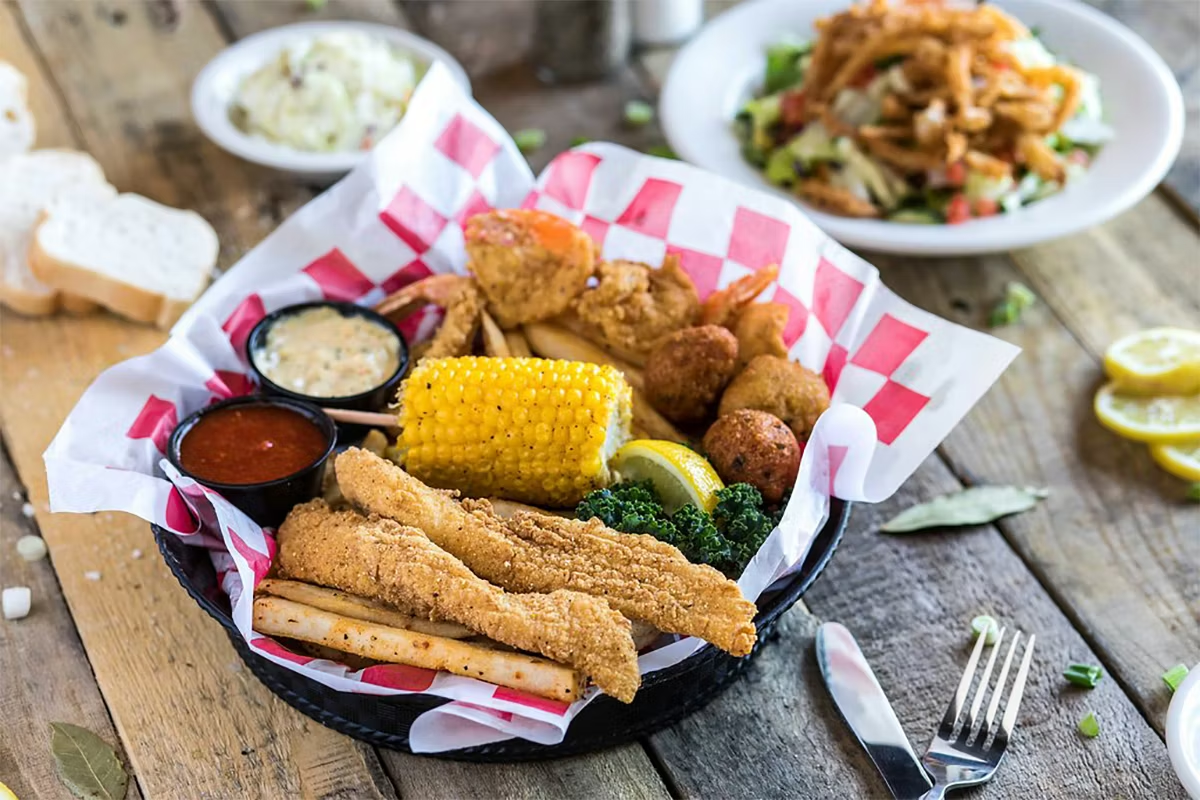
When Cajun cuisine or seafood appears on the menu, it often comes richly seasoned and sauced, which can amplify heaviness and slowed digestion. Choosing a small lean protein or a plain sandwich with water helps avoid the worst symptoms. Eating earlier and pacing intake typically preserves comfort and focus through the final whistle.
Cajun Food: Which Ingredients Cause Trouble – And When You Can Indulge
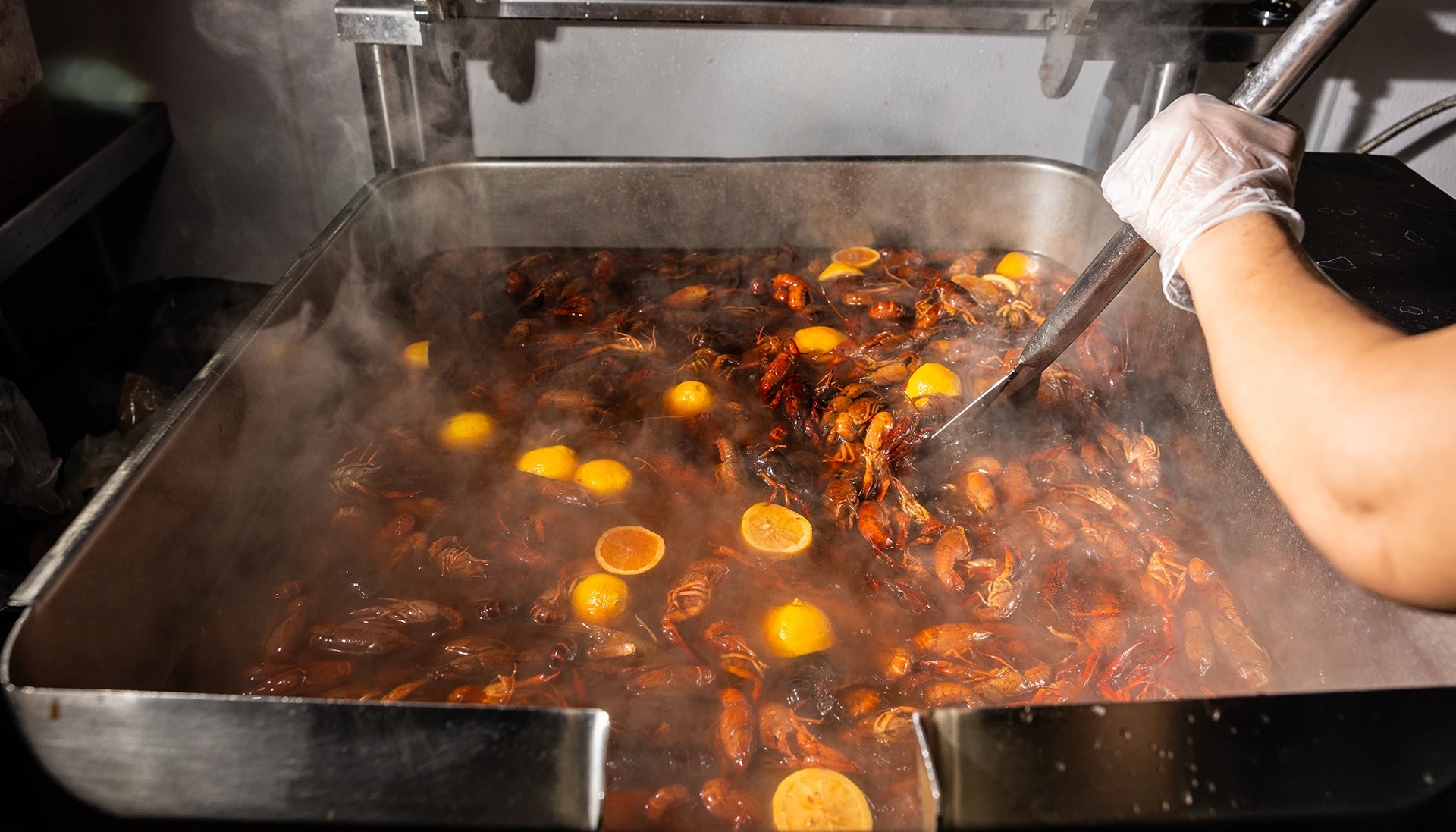
Maneuvering Cajun cuisine requires knowing which flavors are likely to upset your stomach and which ones you can enjoy with less risk. Spicy peppers, heavy roux, and rich sausages contain capsaicin and high levels of fat that can trigger heartburn, indigestion, or loose stools, particularly for people who are sensitive or who haven’t eaten recently.
Fried dishes and creamy étouffées tend to sit heavy and slow gastric emptying, making them harder to digest before physical activity. Shellfish and other seafood can cause reactions in those with mild sensitivities, so it’s wise to be cautious if you’re unsure.
On the positive side, lean grilled fish, steamed rice, and simple vegetable sides are generally gentler choices within Cajun food. Hydration, smaller portions, and waiting at least an hour after a hearty Cajun meal reduce the likelihood of digestive discomfort.
Build a Pre-Game Meal for Energy and Easy Digestion
After weighing which Cajun ingredients tend to cause trouble, plan a pre-game meal that provides steady energy without upsetting your stomach. Choose lean protein such as grilled chicken or turkey to help stabilize blood sugar without heavy fats.
Add easily digestible carbohydrates like white rice, a small baked potato, or plain pasta to supply quick energy. Include a modest portion of cooked vegetables such as steamed carrots or zucchini for gentle fiber and essential micronutrients.
Keep spices mild and sauces minimal to reduce the chance of reflux, even when enjoying flavors inspired by Cajun cuisine or seafood preparations. Hydrate with water or an electrolyte drink and sip steadily so the body remains balanced.
Time the meal about two to three hours before kickoff so digestion is underway without leaving a feeling of fullness. Finish with a small banana for potassium, and include a light, low-fat yogurt if an extra snack is desired.
Quick, Portable Swaps and Snacks to Skip the Concession Line
You can skip long concession lines and still enjoy satisfying flavors by packing a few smart, portable swaps and snacks. Compact, nonperishable items deliver energy and taste, such as roasted nuts or trail mix that provide protein and healthy fat.
Whole-grain crackers paired with single-serve nut butter make a sturdy, flavorful option, and hummus packets accompanied by veggie sticks add freshness and fiber.
Baked pita chips with salsa cups offer a lighter alternative to greasy nachos while preserving bold taste, and a cold-packed sandwich on sturdy bread with lean protein and crisp greens travels well when wrapped tightly to avoid spills.
For a touch of indulgence, dark chocolate squares or dried fruit can curb sweet cravings without causing a major sugar crash.
Bringing seafood-inspired snacks or a sampler of Cajun cuisine flavors can add a spicy, savory kick, and a reusable bottle with electrolyte tablets helps keep you hydrated and energized throughout the match.