The Kind of Happy Hour You Actually Want to Stay For
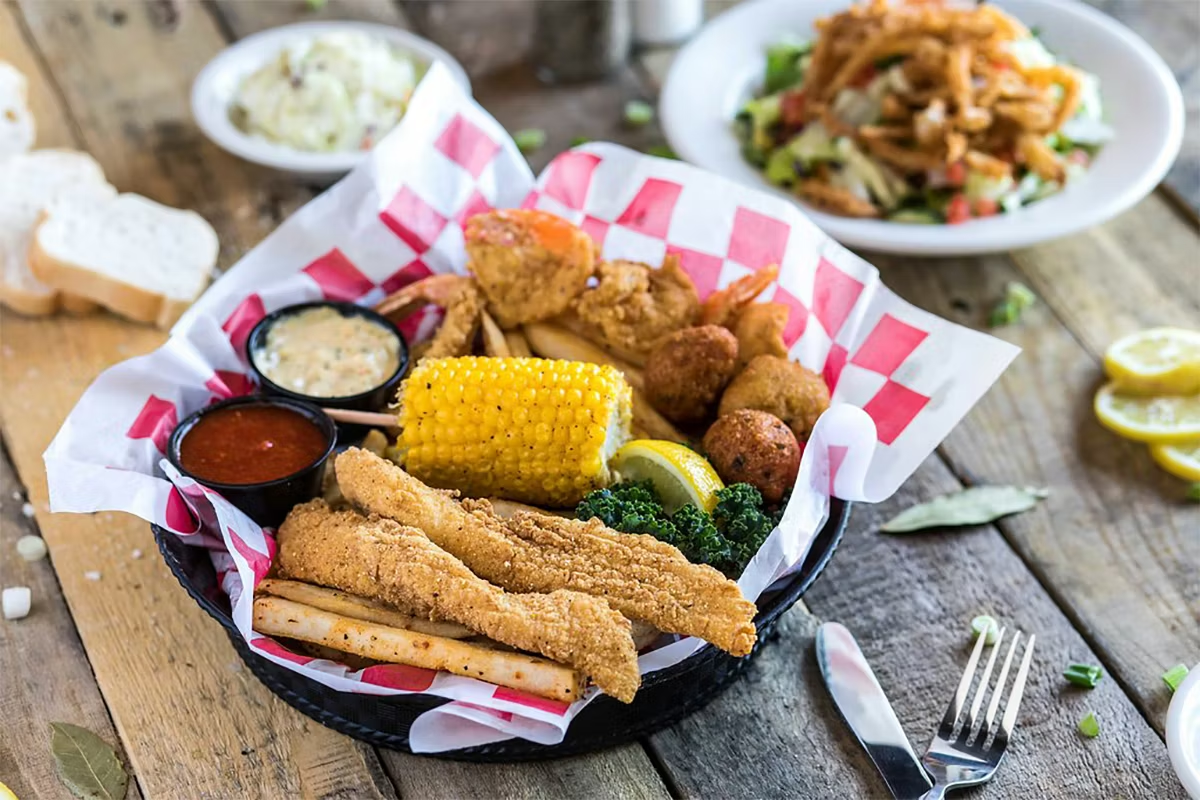
You want a happy hour that actually keeps you, with comfy seating, warm light, easy drink choices, and shareable bites that don’t require fuss. Picture two price tiers, a few signature cocktails and low‑ABV options, plus short live moments that punctuate conversation instead of drowning it out. Cajun cuisine and seafood share plates slide naturally onto the menu, bringing bold flavors and a social vibe that encourages lingering. A couple of standout Cajun dishes can coexist with lighter snacks for guests who want something less heavy. Razzoo’s Cajun Cafe comes to mind as a place that understands how to balance lively flavors with a welcoming atmosphere. The goal is a space where people arrive, feel comfortable, and decide to stick around.
Quick Checklist: 6 Signs of a “stay‑For” Happy Hour
You’ll know you’ve found a “stay‑for” happy hour when the vibe, value, and service all line up, and the appeal goes beyond just cheap drinks.
Comfortable seating invites lingering and makes conversation easy in a Cajun restaurant or seafood tavern. A playlist at a conversation‑friendly volume enhances the mood without drowning out talk.
Genuinely attentive staff check in without hovering, creating a relaxed atmosphere where patrons feel looked after. A focused but affordable menu that includes standout bites from Cajun cuisine or seafood selections keeps people ordering more than one round.
Drink specials that include quality pours, not watered‑down versions, show that a venue respects its offerings. Reasonable timing with flexible hours allows guests to unwind instead of feeling rushed.
If most of these elements are present, the evening will be enjoyable and you’ll likely stay longer.
Who It’s For and What You Want It to Feel Like
If most of the checklist items are checked, think next about who you want the space to serve and how you want it to feel.
Picture the group you’ll invite: coworkers for low-key decompressing, old friends catching up, or a date where conversation matters more than noise.
Match the vibe to the people, perhaps pairing relaxed chairs and calm music with a menu that highlights Cajun food or seafood for deep talk. Lively tunes and communal tables can create playful energy for groups who enjoy Cajun cuisine and shared plates.
Decide whether you want easy flow or quiet corners, bright and social or dim and intimate.
Say no to spaces that force you into discomfort, because a purposefully chosen environment shapes interactions and encourages the kind of connection you intended.
Choose a Mellow Venue: 7 Practical Criteria
When you pick a mellow spot, prioritize places that make conversation easy and stress invisible. Choose venues with steady background music that won’t compete with voices, seating that lets people face each other without shouting, and lighting that feels warm rather than harsh. Check noise levels during peak hours rather than only during quiet times so you know what to expect.
Prefer establishments with a clear layout so people can drift in and out without blocking service. Look for a manageable crowd size, since a packed room can feel energizing but true comfort comes from having room to breathe.
Seek a menu that includes simple, tasty shareables and affordable drink options so nobody hesitates to order, and consider Cajun cuisine or seafood dishes if you want bold, communal flavors. Confirm that service speed is decent, because slow but attentive staff help maintain a relaxed mood.
Finally, pick a location with easy transit and parking so arriving is effortless and the evening can begin smoothly.
Seating That Invites Lingering
With low, comfortable seating and tables sized for conversation, a good happy hour spot makes you want to stay past one drink. You settle into couches or deep chairs that support relaxed posture instead of stiff backs that push you out.
Seating arranged in small clusters helps your group feel private while remaining connected to the room. Mixed heights and angles encourage easy eye contact without shouting.
Clear pathways allow servers to move freely without interrupting your flow. A few bar stools accommodate quick stops while more intimate nooks invite long chats.
Subtle cushions and warm, table-level lighting create a cozy atmosphere suited to enjoying Cajun cuisine or seafood dishes. Surfaces that accommodate plates and phones keep you comfortable and organized, and thoughtful seating invites lingering conversation and repeat visits.
Happy Hour Menu: Drinks and Snacks to Keep People Talking
Comfortable seating sets the tone, and the menu keeps the conversation flowing.
The small plates encourage sharing and include crispy chickpea fritters, tangy pickled vegetables, and a bright citrus shrimp ceviche that highlights the seafood flavors guests love.
The offering features three signature cocktails and two low-ABV options, each accompanied by a short description so guests can order confidently.
Snacks are organized into two clear price tiers, labeled snackable and shareable.
The menu includes an unexpected vegetarian highlight alongside a nostalgic bar snack that sparks stories.
A 2-for-1 window and a late single-item discount reward lingering guests.
Allergens and preparation times are clearly labeled to help with ordering.
When bold Cajun cuisine and fresh seafood flavors invite passing plates, people stay, chat, and order another round.
Atmosphere Tips: Lighting, Sound, and Scent to Relax Guests
Although the menu draws people in, the right atmosphere keeps them lingering with dim, layered lighting, a curated soundscape at conversational volume, and subtle scents that don’t compete with Cajun cuisine.
Warm bulbs and adjustable fixtures help tables feel intimate without plunging a Cajun restaurant into shadow. Accent lighting highlights greenery or artwork, giving depth without glare.
For sound, playlists that match the crowd and lowered levels allow conversation while soft surfaces control echo.
A faint citrus or herbal note near the entry, or warm bakery and seafood aromas when they suit the menu, can be effective without overpowering candles. Small, intentional touches encourage guests to stay longer and return.
Happy Hour Pricing and Timing That Feel Generous
Regularly offering honest-value prices and smart timing makes guests feel like they’re getting a genuine deal rather than falling for a gimmick.
Clear, simple discounts—such as fixed-dollar-off signature cocktails or consistent half-price small plates—help people instantly recognize savings.
Starting happy hour early enough to catch after-work crowds while avoiding overlap with the dinner rush creates a smoother flow for service.
A 4–6 p.m. window often captures both office workers and diners seeking an early meal.
Rotating a few limited-time steals each week keeps regulars curious without confusing newcomers.
Transparency about excluded items and the duration of a promotion ensures expectations match reality.
Using pricing that preserves perceived quality prevents the menu from feeling cheap even when there are strong bargains.
Capping promotional quantities protects popular Cajun dishes, seafood offerings, and other items from selling out too quickly.
When guests trust the value and timing, they tend to arrive relaxed and prepared to linger and enjoy the Cajun restaurant atmosphere.
Host Moves and Service Cues That Encourage Staying
Good pricing and smart timing bring people into a Cajun restaurant, and the way hosts and servers greet and cue guests keeps them from leaving too soon. A warm, unhurried welcome that makes patrons feel seen—complete with a smile, eye contact, and a quick mention of Cajun cuisine specials—sets a relaxed tone.
Hosts should stagger seating and offer a visible place to corral coats and bags so guests don’t feel rushed. Servers can check in within a few minutes with water and a concise rundown of seafood highlights while giving space and remaining approachable.
Subtle cues such as refillable bread bowls, staggered small plates, and natural breaks between courses suggest that staying to enjoy Cajun food is both comfortable and rewarded without overt pressure.
Small‑Scale Programming and Formats to Extend Attention
You can keep guests lingering by offering short, sharable experiences that feel purposeful and low-commitment. Mini-sets of 10–20 minutes, such as acoustic acts or rapid trivia rounds, can punctuate conversation without hijacking the night.
Rotating tasting flights that highlight Cajun cuisine or seafood specials encourage sampling without requiring a long stay. Schedule micro-programs at predictable intervals so people can plan to arrive or stay for the next moment.
Formats that invite participation, including partner challenges, pick-a-card prompts, or collaborative art stations, create interaction while resetting quickly for the next group. Subtle cues from staff and ambient lighting shifts help keep transitions smooth.
You can measure what works by tracking repeat attendance and sales during each slot and then iterate to refine the approach. Small-scale programming keeps the room feeling alive while allowing guests to control how long they stay.
Troubleshooting: Fix the Top 8 Reasons Nights End Early
When nights fizzle out early, a handful of fixable issues often kills the momentum, including noise that blocks conversation, slow service, shifting energy, and unclear timing.
Controlling volume helps keep guests engaged by using zoned speakers and enforcing quiet around conversation areas.
Speeding up service benefits a Cajun restaurant when staff use pre-batched cocktails, a streamlined menu that highlights Cajun cuisine and seafood, and clearly defined roles for team members.
Keeping energy steady becomes easier when short highlights are scheduled, such as mini-performances, trivia bursts, or a late surprise that resets attention.
Setting clear start and end cues helps guests understand the evening’s arc so they remain present rather than drifting.
Preventing cliques improves the vibe when seating is mixed and mingling games are encouraged, which can pair well with communal orders of Cajun food.
Monitoring lighting provides balance by keeping the room brighter early and dimmer later.
Finally, gathering quick feedback nightly creates a loop for iteration and continuous improvement.