Why the Best Happy Hours Have Cajun Food on the Menu
If you want happy hour to move faster, sell more, and taste memorable, Cajun food delivers with bold spices and shareable formats that keep tabs flowing while groups graze. Cajun cuisine pairs naturally with beer, wine, and cocktails, and many seafood and meat small plates are easy to prep in bulk so kitchen lines stay smooth. Razzoo’s Cajun Cafe shows how specific plates, pairings, and shortcuts make Cajun cuisine a smart operator’s choice without sacrificing flavor.
Why Cajun Small Plates Boost Happy Hour Sales
Cajun small plates let guests sample bold Cajun flavors without committing to a full entrée, and they naturally drive more orders during happy hour. Patrons are drawn to shareable, spicy bites in a Cajun restaurant setting, which encourages tasting and lively conversation. Increased sampling leads to higher table turnover while maintaining guest satisfaction.
Small plates showcase signature Cajun spices and textures—crispy okra, mini po’boys, or shrimp ravigote—which prompts customers to try several items per visit. Predictable portion control helps keep food costs consistent while inventive presentations create social media-worthy moments that attract new customers. Rotating offerings allows the kitchen to test winners and respond quickly to demand for Cajun cuisine and seafood options. By emphasizing variety, bold seasoning, and shareability, Cajun small plates convert casual interest into multiple orders and stronger evening revenue.
Low‑Cost, High‑Impact Cajun Happy Hour Items
Now that you’re using shareable Cajun small plates to boost orders, focus on items that deliver big flavor for little cost. Start with spiced popcorn shrimp or battered oyster bites, which use small portions of seafood protein but read as indulgent.
Offer boudin or andouille sliders on modest rolls, since smoky sausage stretches farther than steak and still satisfies. Cajun-seasoned fries or tots with remoulade are inexpensive, craveable, and easy to batch.
Turn leftover vegetables into charred okra or smoky corn maque choux served in tapas portions to showcase Cajun cuisine in a tapas-style format. Use house spice blends to make cottage-industry staples seem signature so your Cajun restaurant feels authentic.
Price items to encourage pairing with drinks and rotate specials to test what moves fastest to keep margins healthy while giving guests bold, memorable bites.
Shareable Cajun Small Plates: Fried, Skewered, and Bowl Options
When designing shareable Cajun small plates, aim for bold textures and punchy seasoning that pair with cocktails and encourage passing plates.
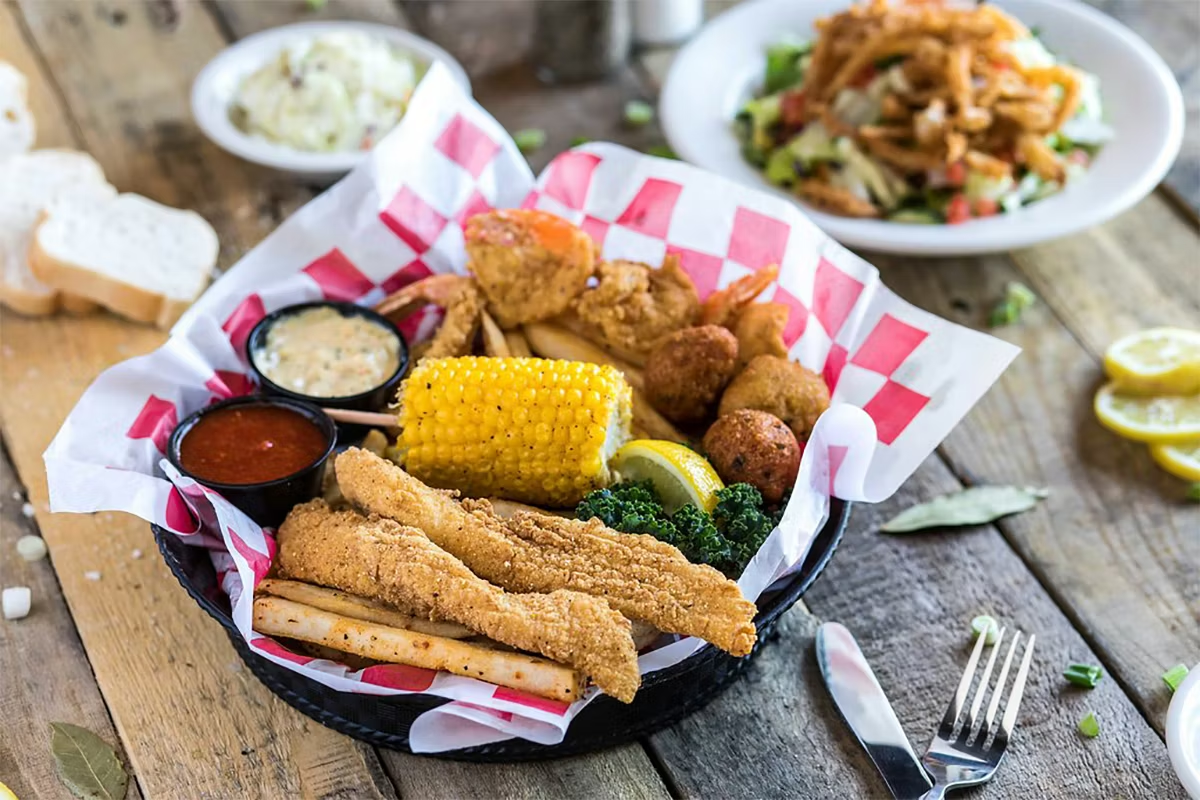
Start with crisp fried bites such as smoky boudin fritters, crunchy okra, or popcorn shrimp tossed in cayenne-laced batter and serve them with a tangy remoulade.
Add skewers for easy handling, featuring charred andouille and shrimp glazed with garlic butter or blackened chicken satay finished in a spicy Creole sauce.
Offer small bowls to anchor the spread, including mini jambalaya cups, red-bean stew shooters, or creamy crawfish mac for spoonable comfort.
Balance heat with citrus, pickles, and an herb-forward gremolata so flavors pop alongside seafood and cocktails.
Keep portions biteable, prep-friendly, and easy to replenish to maintain fast service and a social vibe in a Cajun restaurant or when showcasing Cajun cuisine.
Plating and Pacing Cajun Small Plates for Groups
To keep a lively flow at the table, plan how plates arrive, circulate, and restock so guests can graze without crowding. Shared boards should offer varied textures such as crispy boudin fritters, sauced shrimp, and skewers so people can mix bites.
Staggered delivery works well in Cajun cuisine by starting with dry-fried or grilled items, following with saucier bowls, and finishing with a palate-cleansing salad. Small communal plates and extra napkins make it easier for diners to enjoy Cajun food, and labeling dishes helps guests know heat and spice levels.
Refill stations or a server rotation prevent bottlenecks during a busy evening in a Cajun restaurant, and positioning sauces and toothpicks centrally keeps the table organized. Cutting larger seafood or meat items into ready-to-eat portions helps speed service, and pacing dishes to match drink orders avoids overloading the table when groups linger or request another round.
Why Cajun Flavors Work for Happy Hour Drinks
Cajun flavors balance heat, smoke, and bright acidity, so they pair naturally with the brisk, social pace of happy hour. In Cajun cuisine, those elements give drinks something to push against and guests bold bites to nibble between sips.
Spice wakes the palate and makes each sip taste fresher and more interesting, while smoky components echo barrel-aged spirits and charred garnishes. Acidic hits cut through richness and prevent cloyingness, encouraging another round.
Bold seasoning and herbal notes found in Cajun food stand up to citrus, bitters, and effervescence, allowing cocktails to keep their character instead of disappearing beside flavorful seafood or hearty dishes in a Cajun restaurant. Because Cajun components demand attention without overpowering, food sharpens drinks, drinks refresh the mouth, and the group stays engaged and craving the next combination.
Pairing Cajun Bites With Beer, Wine, and Cocktails
Cajun bites bring heat, smoke, and acidity, and they pair well with beers, wines, and cocktails that either mirror those traits or provide a cooling counterpoint. For beer, crisp lagers or pilsners help wash spice away, while amber ales and saisons echo roasted, peppery notes that complement Cajun cuisine and seafood dishes.
With wine, off-dry Riesling or Vouvray tames heat, and a bright unoaked Chenin Blanc lifts citrusy acidity without overpowering flavors typical of a Cajun restaurant. Red wine drinkers will find a chilled Beaujolais or a light Grenache more satisfying alongside Cajun food than big tannic wines.
Cocktails can refresh or play up smoke, and options such as a citrusy gin fizz, a mint julep for cooling richness, or a smoky mezcal mule work well with charred flavors in Cajun cuisine.
Kitchen Shortcuts: Prep, Speed, Allergy Notes, and Pricing
When time is short, smart prep transforms Cajun cooking from fiddly to fast. Trimmed and deveined shrimp prepared in batches speed service in a Cajun restaurant.
Roasted and frozen bell pepper, onion, and okra mirepoix provides a quick jambalaya start for busy shifts. A jar of homemade or high-quality store roux kept in the refrigerator thickens and browns sauces instantly for consistent Cajun cuisine.
Proteins are portioned and mise en place is organized to support rapid service. Par-cooked rice that’s reheated helps avoid gumminess in seafood and rice dishes.
Sheet-pan methods allow kitchens to feed crowds with less fuss. Common allergens in Cajun food include shellfish, peanuts in some spice blends, and dairy in creamy remoulades, so menu items should be clearly marked for server guidance.
Dishes are priced to balance perceived value and food cost by focusing on shareable bites, controlled portions, and seasonal local ingredients to keep margins healthy.
Real Bars That Grew Happy Hour With Cajun Small Plates
Bars that leaned into Cajun small plates transformed slow weekday hours into packed happy hours by offering spicy, sharable bites that encouraged groups to linger.
Many of these bars simplified mise en place and portioned plates for grazing so guests could sample several items without committing to a full entrée. Menus commonly balanced heat with cool creams, charred corn, and bright citrus to keep flavors lively and addictive within the larger framework of Cajun cuisine. Staff paced service to match conversation, promoted combo deals, and trained servers to suggest pairings with beers and cocktails, which helped the bar feel like a casual Cajun restaurant and a social destination.