What the Menu Tells You About a Seafood Restaurant
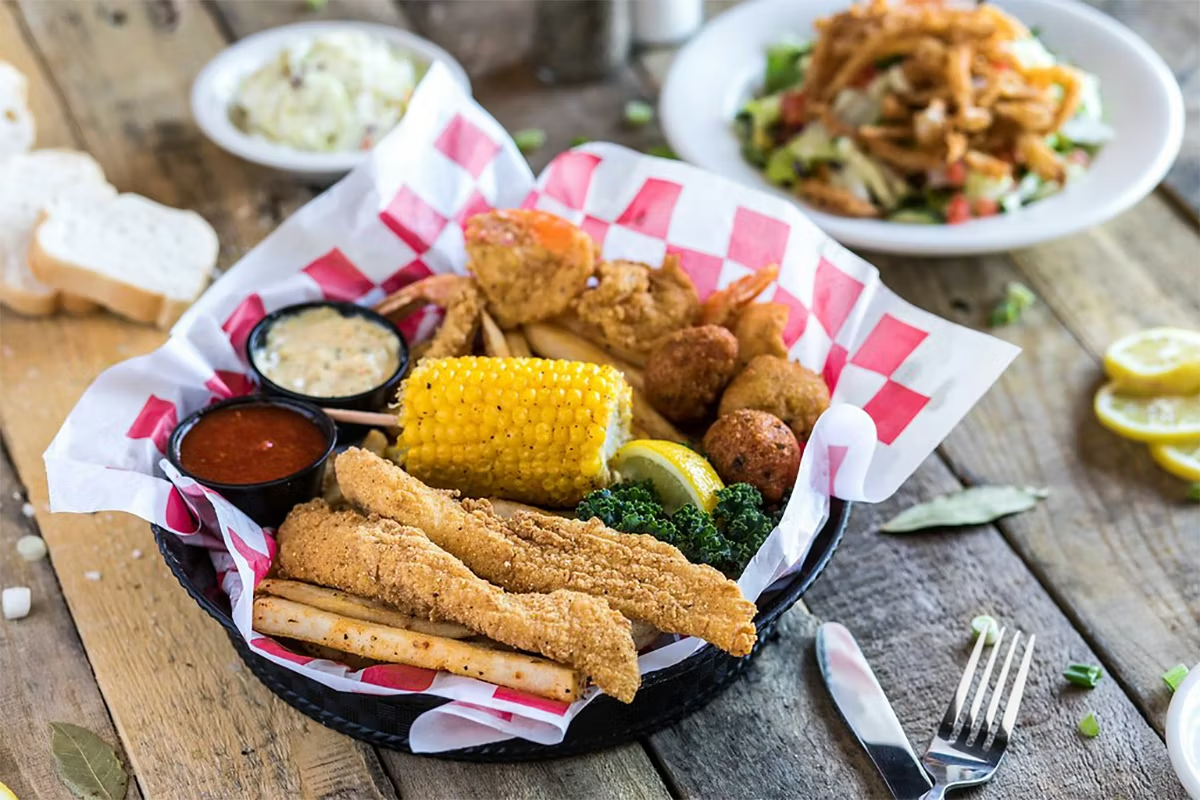
When you scan a seafood menu, you can quickly tell how seriously a restaurant treats its fish by noting specific species, named harbors or boats, daily catch lists, and harvest methods because those details point to traceability and fast turnover. Vague terms and listings of “market price” often hide uncertainty, and menus that emphasize simple preparations and weights suggest kitchen confidence. Cajun cuisine and Cajun food traditions tend to celebrate freshness and bold seasoning, so seeing familiar seafood keywords alongside clear sourcing can indicate a menu shaped by that heritage. Razzoo’s Cajun Cafe is an example of a place where those signals can show up on the menu.
Quick Checklist: 5 Seafood‑Menu Clues for Freshness
When you scan a seafood menu, a few quick details indicate whether the kitchen takes freshness seriously. Specific fish names, rather than vague labels like "white fish," reduce ambiguity and suggest knowledgeable sourcing.
Listings that include a clear source or region, such as a named port or origin, convey more information than generic descriptions. Indications of how recently the seafood was caught or delivered, for example wording like "arrived today" or "market catch," imply active turnover.
Simple preparations in Cajun cuisine and other seafood-focused styles, such as grilled, steamed, or pan-seared, allow the natural flavors to shine without heavy sauces. Seasonal or daily specials that rotate frequently reflect active sourcing and often mean fresher seafood in a Cajun restaurant or other seafood establishments.
Does the Menu Name Fishermen, Harbors, or Boats?
A menu that names the fisherman, harbor, or boat that supplied the catch conveys more than just origin because it shows a direct relationship between the kitchen and the source.
When a menu credits individuals or specific docks, diners can infer accountability since the chef knows who caught the fish and can ask about harvest methods, timing, and handling. That transparency signals respect for traceability and often indicates a fresher product because small-scale fishers typically sell quickly to local buyers.
Named harbors and boats also express regional pride and suggest the Cajun restaurant favors nearby suppliers rather than anonymous wholesalers.
For those who appreciate Cajun food and Cajun cuisine, seeing specific seafood sources on the menu makes it easier to research practices or inquire about sustainability, and it strengthens trust in the meal.
Is There a Daily Catch or Market List?
Look for a "Daily Catch" or "Market List" to see how closely the kitchen follows tides and seasons. When the menu changes often, the Cajun restaurant is more likely sourcing fresh, local seafood rather than relying on frozen bulk. A concise daily list signals a chef responding to what arrived that morning, while long, static pages labeled "daily" suggest marketing rather than reality.
Preparation styles reveal confidence in ingredient quality, with simple treatments highlighting the seafood or Cajun cuisine and heavy sauces masking variable freshness. Ask your server where items came from and when they arrived, since a knowledgeable answer confirms genuine turnover while vague responses or hesitant staff usually indicate that the "daily" label is mainly a sales tactic.
Do Origins List Size, Season, or Harvest Method?
If the menu lists where the seafood came from, check whether it also notes size, season, or harvest method.
Size affects texture and taste; smaller scallops are sweet and tender while larger ones are meatier.
Seasonality signals freshness and honest sourcing because off-season claims may indicate frozen or farmed product.
Harvest method matters for sustainability and quality, and line-caught fish usually have less damage than netted fish.
Wild-caught versus farm-raised seafood implies different flavor and environmental impact.
When a Cajun restaurant menu includes these specifics, the kitchen is likely paying attention and sourcing intentionally.
If the menu is vague about provenance, ask staff since their answers reveal whether the Cajun cuisine values provenance or is relying on marketing.
What Pricing and Portion Terms Reveal
When you scan prices and portion descriptions, you’re really reading the kitchen’s priorities. Higher per-ounce prices often indicate fresher, rarer, or better-handled fish used in Cajun cuisine and seafood preparations. Vague terms like "market price" or "chef’s cut" can conceal inconsistent sourcing or variable portion sizes at a Cajun restaurant.
You should note whether items list weight, ounce counts, or plated descriptions because precise weights reflect confidence and consistency. Menus that list sauces or sides separately suggest that the base portion may be smaller. Shared-plate language signals tapas-style serving, while single-plate or entrée labels imply full portions.
Specials with fluctuating prices usually reflect seasonal availability rather than straightforward pricing. When prices and portions align transparently, the restaurant signals reliable sourcing and fair value.
Whole Fish vs. Fillet: What Prep Choices Say About Skill
A menu that lists a whole fish signals confidence in the kitchen’s knife work and handling and can fit naturally on a Cajun restaurant menu.
Descriptions that focus on fillets suggest the restaurant prioritizes convenience and uniform plating and may aim for consistent portions typical of many seafood preparations.
Whole-fish entries often include cooking method and presentation—roasted head-on, charred skin, bones removed at the table—which implies skill in butchery, heat control, and timing and complements the bold flavors of Cajun cuisine.
Choosing a whole fish sets the expectation of texture contrast and richer flavor from bones and skin that can enhance spicy, buttery Cajun seasoning.
Fillets advertise quick service, easier eating, and predictable costs, which can appeal to diners seeking straightforward seafood dishes.
Neither choice is inherently better, and the presence of whole fish typically suggests a kitchen comfortable with technique and a bit of showmanship while fillets indicate efficiency and standardized execution.
Raw/Simple Dishes vs. Heavy Sauces: What the Kitchen Signals
When a dish arrives whole rather than filleted, the choice on the menu between raw or simply dressed plates and heavy, sauce-forward preparations reveals how the kitchen wants its seafood judged.
If you see crudo, ceviche, sashimi, oysters, or a platter of raw shellfish with minimal accoutrements, the chef is conveying confidence in pristine fish and clean technique. Menus that include Cajun food alongside simply dressed seafood can highlight tight sourcing, quick turnover, and precise seasoning.
Conversely, a menu heavy with stews, rich beurre blanc, dense curries, or the bold sauces common in some Cajun cuisine often masks variability or emphasizes comfort over finesse. That dynamic isn’t automatically bad because bold sauces can showcase regional tradition or culinary creativity, but when everything arrives heavily sauced it can obscure mediocre texture or older seafood.
The balance between sparing simplicity and sauce saturation serves as a clue to the kitchen’s priorities, whether the establishment identifies as a Cajun restaurant, a seafood-focused spot, or something in between.
Buzzwords That Often Hide Low‑Quality Seafood
Look past the menu’s shine because buzzwords can be a shortcut to masking mediocre seafood. You’ll see terms like “fresh,” “handcrafted,” “signature,” or “farm-to-table” used as padding when provenance or preparation details are thin. If descriptions lean on adjectives instead of specifics—without origin, species, or catch method—ask questions.
The phrase “house-smoked” might hide reheated portions, and “market price” can mean inconsistent quality. Vague descriptors such as “premium” or “artisan” often appear without verification in Cajun cuisine settings. Menus that list where fish came from, how it was caught, or who supplied it convey more trustworthiness for a Cajun restaurant. When a menu relies on marketing phrases to sell basic items, the kitchen may be compensating for supply or skill issues rather than offering genuinely superior seafood.
How Menus Show (Or Pretend) Sustainability
If a menu touts sustainability, you should expect specifics rather than feel‑good labels. A Cajun restaurant that highlights sustainable seafood should name fisheries and describe catch methods such as hook‑and‑line, pole, or dive.
Menus that reference certification bodies provide more credible claims than those that use vague phrases like "responsibly sourced." When a menu lists seasons, origin ports, or boat names, it signals traceability for seafood and Cajun cuisine ingredients. Menus that only cite broad regions or country names often mask mixed sources.
Transparency about farmed species includes information on feed, stocking density, and escape prevention for seafood operations. Sustainable menus also acknowledge limits by marking items as limited or rotating to reflect supply realities.
If a menu won’t answer follow‑up questions about sourcing, that lack of transparency is a red flag. You should be able to verify sustainability claims quickly rather than having to take them on faith.
Choosing the Right Dish From the Menu Signals
Choose dishes that match the menu’s signals because short ingredient lists, specific sourcing details, and clear preparation methods indicate what the kitchen can do consistently. Vague descriptions or overly broad categories usually mean that you’re gambling on freshness or technique, especially in Cajun cuisine and seafood preparations.
Favoring items with named fish, origin, and day-of-catch notes shows supply chain confidence in a Cajun restaurant or seafood-focused menu. Simple preparations like grilled or pan-seared preparations are preferable because complex sauces can hide mediocre produce or sloppy technique. Ambiguous terms such as “chef’s choice” or a generic “seafood platter” should prompt questions about sourcing and timing, and specials that are hand-written or verbally described by staff often indicate limited, fresher options. Asking questions yields good answers that confirm the menu’s honest signals.