What Makes a Happy Hour Feel Like More Than Just Cheap Drinks
You notice it the moment you step in: warm light, layered seating, and music set at a level that lets people talk without shouting. The staff move with purpose, turning orders into small performances, and the focus on Cajun food and seafood shows up in shareable bites and cocktail flights that encourage conversation instead of chasing volume. Thoughtful touches like slate menus, flaming garnishes, and nightly tweaks shift the focus from price to experience, and there’s more to uncover if you stick around at Razzoo’s Cajun Cafe.
Curate the Happy-Hour Vibe: Lighting, Music, Seating
When lighting, music, and seating work together, happy hour stops feeling like a discount and becomes a memorable experience. Warm, dimmed lights flatter faces without making the space feel cave-like, and layers of pendants, sconces, and candles help define distinct zones.
A playlist that matches the evening’s energy—mellow for early arrivals and more upbeat as the crowd builds—keeps the atmosphere lively without drowning out conversation. Seating arranged to encourage choice includes high tables for groups, cozy booths for pairs, and a few stools at the bar for casual mingling.
Clear pathways and sightlines allow people to move comfortably and connect with one another. In a Cajun restaurant that serves Cajun cuisine and fresh seafood, these small, consistent design decisions make guests notice the vibe more than the price.
Train Staff to Create Personal, Unhurried Service
Train your team to slow down and make each guest feel seen, because personal, unhurried service can turn a busy happy hour into a memorable visit at a Cajun restaurant.
Servers should greet guests promptly, learn names or preferences, and pause long enough to listen so that orders reflect each guest’s desires and any dietary needs. Encourage eye contact and brief menu guidance that highlights Cajun food specialties and seafood options while keeping pacing thoughtful so orders arrive without rush.
Role-playing common scenarios such as a couple deciding, a group needing staggered courses, or a regular wanting the usual helps staff develop confidence and timing.
Give staff the authority to adjust timing, offer small touches like refilling water or suggesting a second drink, and read body language to know when to step back. Schedule shifts to avoid constant hustle so team members who aren’t scrambling can provide calm, attentive service that guests remember from their Cajun cuisine experience.
Design Shareable Happy-Hour Bites That Lift Cocktails
Good front-of-house service sets the stage for food that keeps guests lingering, so pair that calm, attentive approach with shareable bites that boost cocktails.
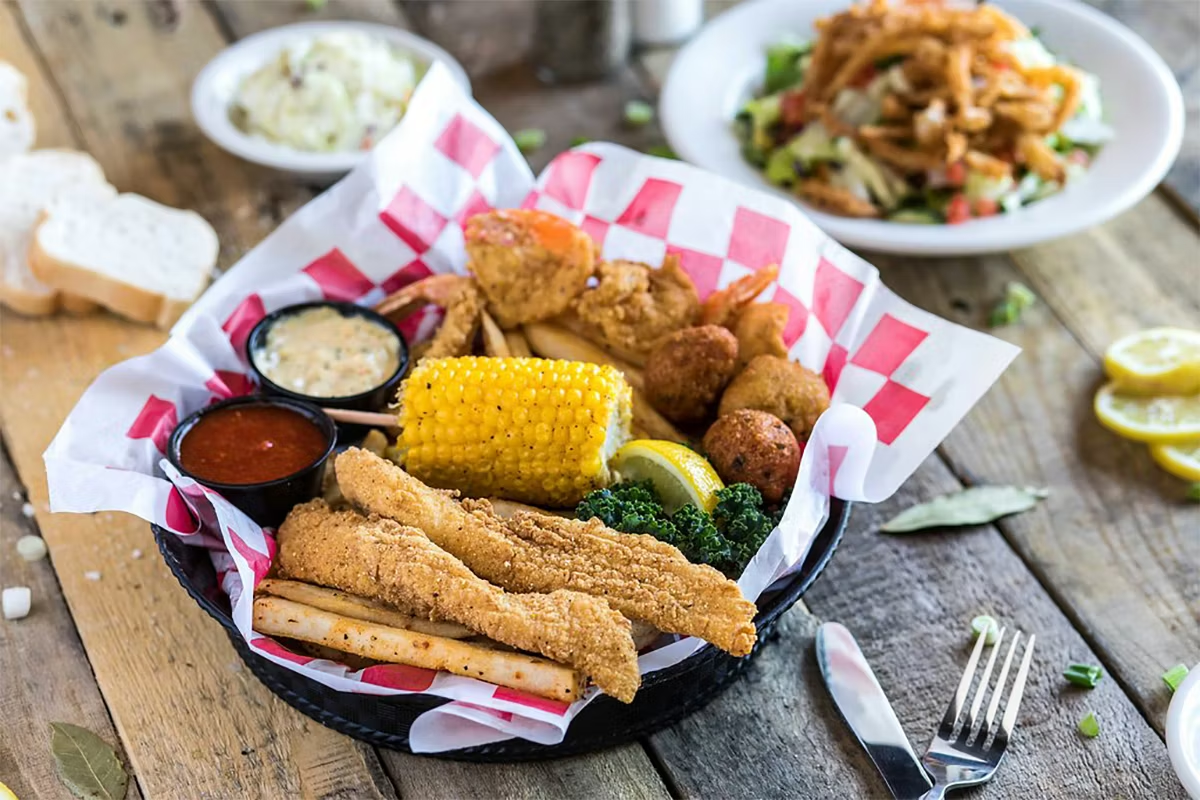
Design a concise menu of small plates that favor bold, complementary flavors such as acidic ceviches, smoky meats, bright pickles, herb-forward dips, and Cajun seafood preparations that accentuate spice and smokiness.
Keep portions easy to pass and eat with one hand while avoiding heavy plating that slows turnover.
Build cross-utilization into recipes to control waste and maintain freshness during peak hours in a Cajun restaurant or bar program focused on lively, communal dining.
Highlight a few signature items that staff can describe quickly to guide pairings and to showcase the spirit of Cajun cuisine.
Present dishes on communal boards or tapas-style plates to encourage conversation and tasting while preserving an elevated, social happy-hour atmosphere.
Price Happy-Hour Deals for Quality, Not Quantity
Because price signals more than bargain-hunting, set happy-hour deals that emphasize quality and perceived value rather than sheer volume.
Guests who come for a thoughtful experience will respond to smaller pours of premium spirits, curated flight options, and elevated bar snacks bundled with one craft cocktail.
Offerings that include Cajun cuisine or seafood-inspired small plates fit naturally with a focus on provenance and bold flavors.
Price tiers should be clear so guests know they’re getting a special selection rather than watered-down portions.
Limited-time signature cocktails offered at a modest discount work better than blanket price cuts on house pours.
Staff who can explain the choices briefly while highlighting ingredients and origin help justify the price and reinforce the restaurant’s commitment to taste and care.
This approach keeps margins healthier, raises perceived status, and draws patrons who return for quality rather than only low prices.
Create Moments That Spark Conversation
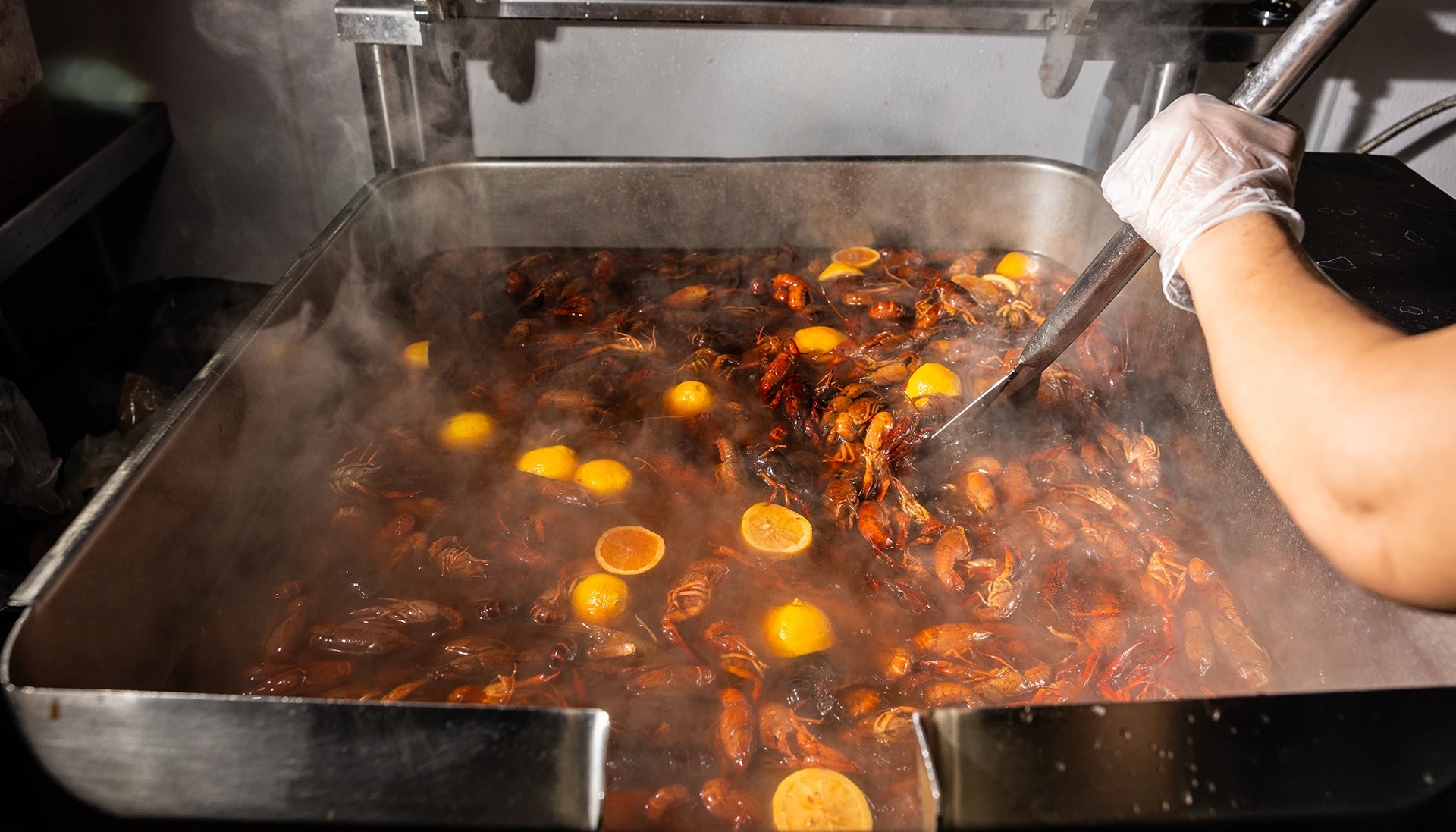
Designing little moments—such as a dramatic flaming garnish, a communal seafood board showcasing Gulf catch, or a bartender’s quick story about a pepper or spice—gives guests something to notice and talk about.
You can seed conversation with tactile details like slate menus passed around, cocktail flights arranged like a mini tasting, or a signature bitters rinse that smells like citrus and pine.
Staff who offer a one-line anecdote or tasting tip when they serve something special create a more memorable evening.
Arranging seating to encourage eye contact and sharing, with high tables for groups and a counter for interaction, enhances the social energy in a Cajun restaurant or a venue focused on Cajun cuisine.
Changing one element nightly, whether it’s a local-ingredient spotlight, a playful garnish, or a trivia card about seafood and regional cooking, keeps repeat customers curious and engaged.
Those small, intentional choices turn an ordinary drink into a shared experience that people want to discuss and seek out again.