The Traditions Behind Classic Cajun Cooking
You live where food answers the seasons and the work, and where simple ingredients become deep, smoky, life-sustaining dishes rooted in Cajun cuisine. You learn to start with the holy trinity, to build a dark roux, and to honor slow, one-pot methods that stretch a small harvest into a big meal. Those practices tie you to community rituals like the boucherie and crawfish boils, and they keep secrets about seafood and flavor that are worth exploring. I even think of places like Razzoo’s Cajun Cafe when I picture those traditions, because the ways we cook are part of how we belong.
What Is Cajun Cooking? Origins and Defining Influences
When you taste Cajun cooking, you encounter food shaped by survival, migration, and a fierce respect for local ingredients.
Cajun cuisine traces its roots to French peasant techniques blended with Acadian history, as people adapted to Louisiana’s swamps after exile.
West African, Spanish, Native American, and Caribbean influences appear in the spices, stewing methods, and rice-based dishes found in Cajun food and seafood preparations.
Practicality is evident in one-pot meals, preserved proteins, and seasonal foraging that transform simple items into bold flavors.
Bold seasoning, slow braises, and communal dishes characterize many offerings at a Cajun restaurant and in home kitchens alike.
Technique matters more than ornament in this cuisine, as browning, deglazing, and patient simmering build depth.
Cajun cooking remains pragmatic, regional, and deeply tied to place.
The Cajun Holy Trinity: Celery, Bell Pepper, and Onion
Many Cajun stews and sauces begin with a simple, familiar trio: celery, bell pepper, and onion. This "holy trinity" serves as the aromatic foundation for Cajun cuisine and is typically chopped so the pieces are a similar size, which helps them cook evenly and release a balanced mix of sweetness, bitterness, and savory depth.
Chefs in a Cajun restaurant sweat these vegetables gently in fat—such as oil, butter, or bacon drippings—until they soften and mingle, creating a savory base that supports proteins, spices, and liquids without overpowering them. Proportions are adjusted by dish, with more bell pepper providing brightness, more onion adding sweetness, and more celery contributing a vegetal backbone.
Mastery of this trio sharpens timing and seasoning and allows authentic Cajun food and seafood preparations to build flavor from an essential beginning.
How to Make a Roux : Step-by-Step for Gumbo and Gravy
Begin by heating equal parts fat and flour over medium-low heat so you can control the color and flavor as the roux develops. Stir constantly with a flat-edged spatula or whisk to prevent burning, and scrape the pan’s bottom to incorporate browned bits.
For gumbo in Cajun cuisine, aim for a dark chocolate color because it will taste smoky while its thickening power drops, so add liquid slowly. For gravy, stop at a blond or peanut shade for a nuttier flavor and stronger thickening.
If you scorch the roux, discard it and start fresh. Measure your ingredients, maintain patience, and adjust the heat rather than stirring faster. Allow the roux to cool slightly before adding stock to avoid splatters.
Taste and season after the roux has integrated to balance salt and heat for authentic Cajun food and seafood dishes served in a Cajun restaurant.
Essential Techniques: Smoking, Stewing, and One‑Pot Cooking in Cajun Food
In homes and smokehouses across Louisiana, Cajun cooks rely on smoking, stewing, and one‑pot techniques to build deep, layered flavors with minimal fuss. They treat smoke as seasoning, using hardwoods like hickory or pecan to add sweet, savory notes to sausages, ribs, and smoked fish. Cajun restaurant kitchens and home cooks both control temperature and time to avoid bitterness.
When they stew, cooks brown meats, deglaze, and then simmer low and slow so collagen dissolves and flavors concentrate. One‑pot Cajun cuisine staples such as jambalaya and étouffée allow chefs to layer aromatics, rice or roux, proteins, and stock so each ingredient contributes without creating extra dishes.
These methods emphasize thrift, patience, and attention, and cooks coax maximum flavor from modest ingredients through technique rather than complexity.
Seasonal Rhythms and Community Rituals: Gumbo Fridays, Boucherie, Crawfish Boils
Communities often gather around food calendars that mark the year, such as Gumbo Fridays during Lent, winter boucherie hog butchering, and spring crawfish boils. Each event turns work into celebration and transforms neighbors into family as people come together to share Cajun food and seafood.
You find rhythm in those gatherings through predictable timing, shared tasks, and roles that are passed down through generations. People help cut, season, stir, and serve while they chat and learn techniques for preparing Cajun cuisine.
Rituals shape identity by blessing the meal, assigning duties, and sharing leftovers with elders and newcomers. These events reinforce reciprocity because everyone contributes to the feast and takes something home.
Food anchors social ties as gatherings resolve disputes, welcome births, and help communities mourn losses. Through repetition, seasonal rites preserve recipes, stories, and a sense of belonging that keeps Cajun culture vibrant, and they also sustain the menus and atmosphere of local Cajun restaurants.
Practical Recipes: A Simple Gumbo, Jambalaya, and Crawfish Boil Roadmap
Roll up your sleeves and get comfortable because these three core recipes strip Cajun cuisine down to practical steps you can follow at home.
For gumbo, begin by slowly cooking a dark roux, then add the holy trinity of onion, celery, and bell pepper followed by your choice of sausage and seafood or chicken; simmer the mixture with stock and finish with file or okra to add thickness.
When preparing jambalaya, brown the meat first, stir in the vegetables, add rice and stock, and cook covered over low heat until the rice absorbs the liquid.
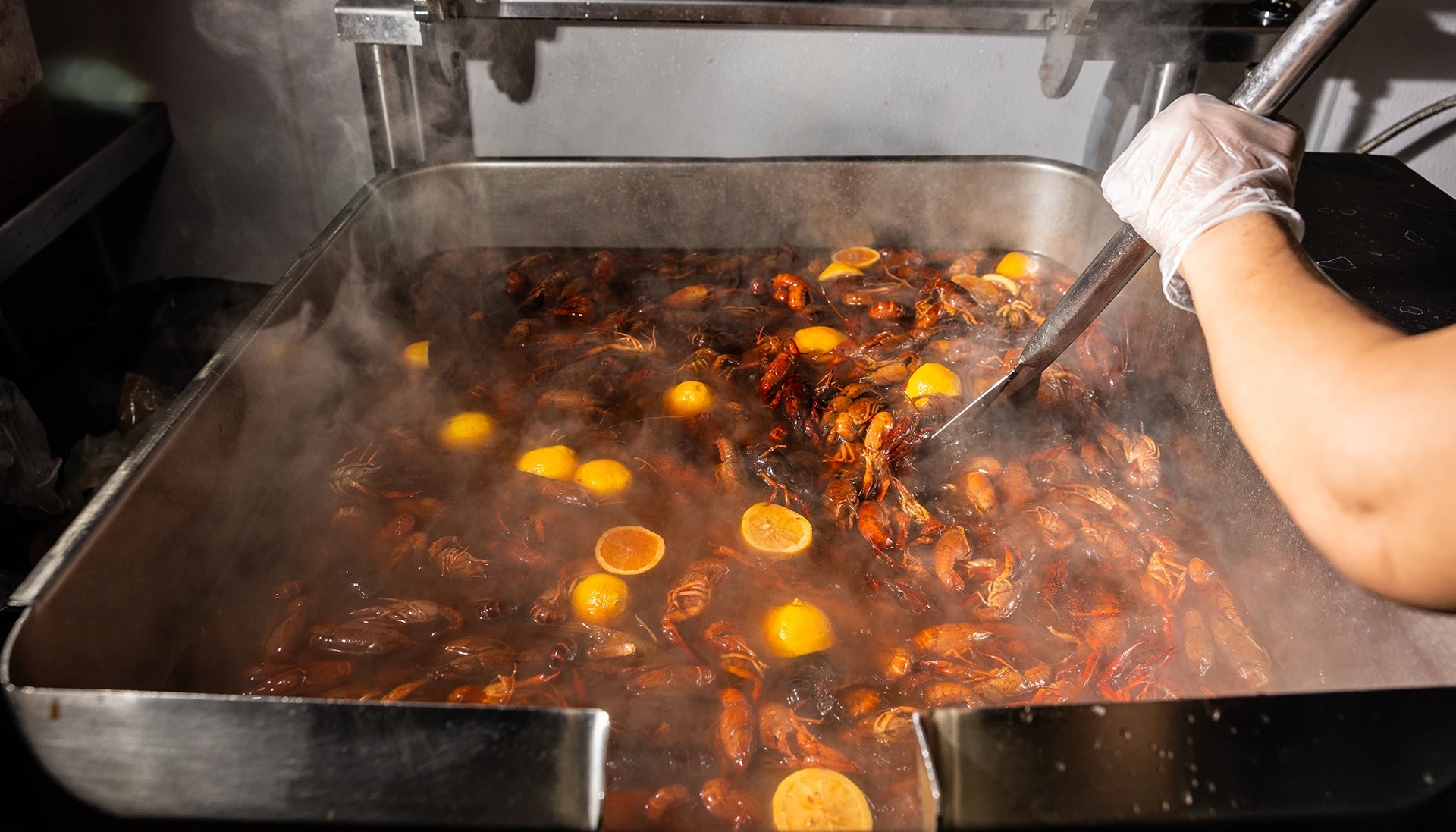
For a crawfish boil, season a large pot of water, bring potatoes and corn to a boil until they’re nearly done, add the crawfish briefly to finish cooking, then drain and serve the meal for a communal seafood feast.
Clean your tools, taste as you go, and enjoy the flavors of Cajun food as you dine with friends and family.
Preserving Cajun Traditions in Modern Kitchens: Substitutions and Tips
Modern kitchens won’t always mirror a Louisiana smokehouse, but you can preserve Cajun flavor by making smart substitutions such as using smoked paprika and liquid smoke when andouille isn’t available.
Quick-cooking brown rice or parboiled rice can be used in jambalaya for convenience without sacrificing the spirit of the dish.
Frozen okra or file powder are suitable stand-ins when fresh ingredients aren’t available for gumbo or other seafood dishes.
The trinity of onion, celery, and green pepper should remain the foundation of Cajun cuisine, and good-quality stock will boost depth when ham hocks or whole seafood aren’t on hand.
Crisp store-bought bacon can replace salt pork to season beans or rice.
Balancing spicy heat with acid like lemon or vinegar works better than simply adding extra cayenne in many Cajun food preparations.
When time is tight, a dark roux can be shortcut by using store-bought broth thickened with a cornstarch slurry and stirred until silky and well seasoned.