How to Judge a Seafood Restaurant Before You Even Sit Down
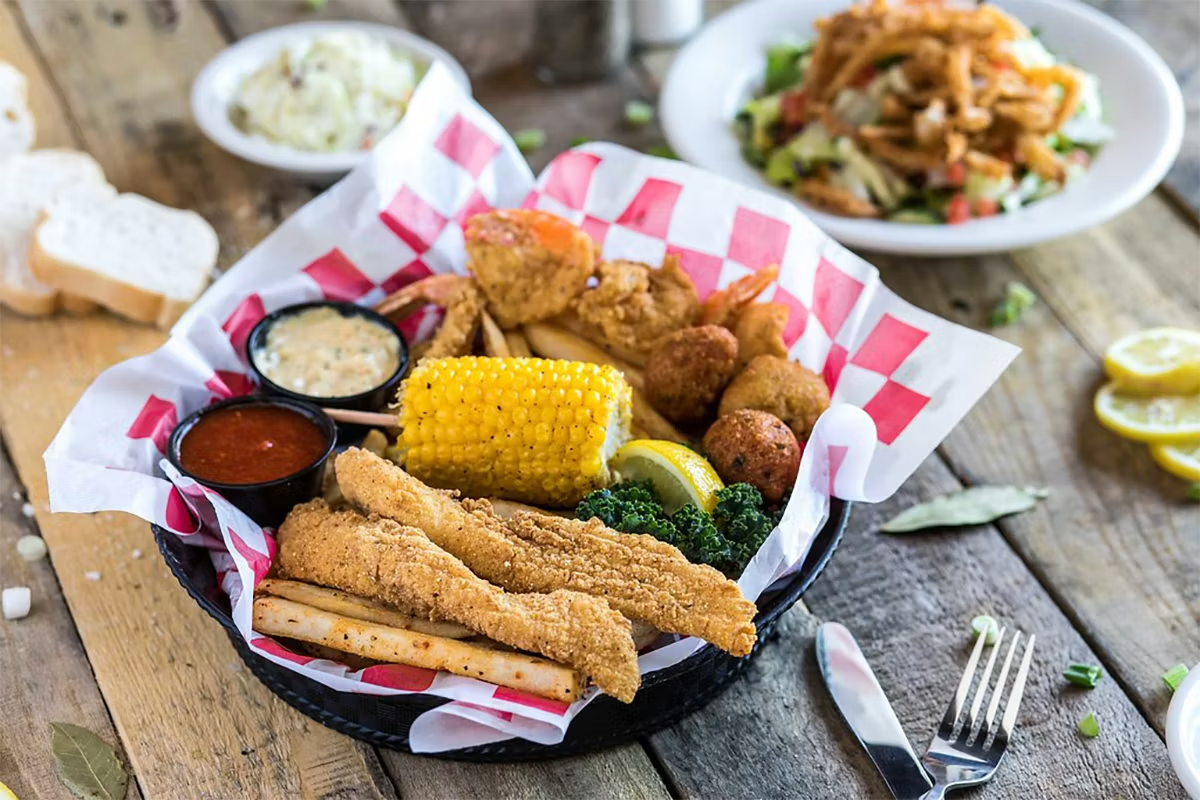
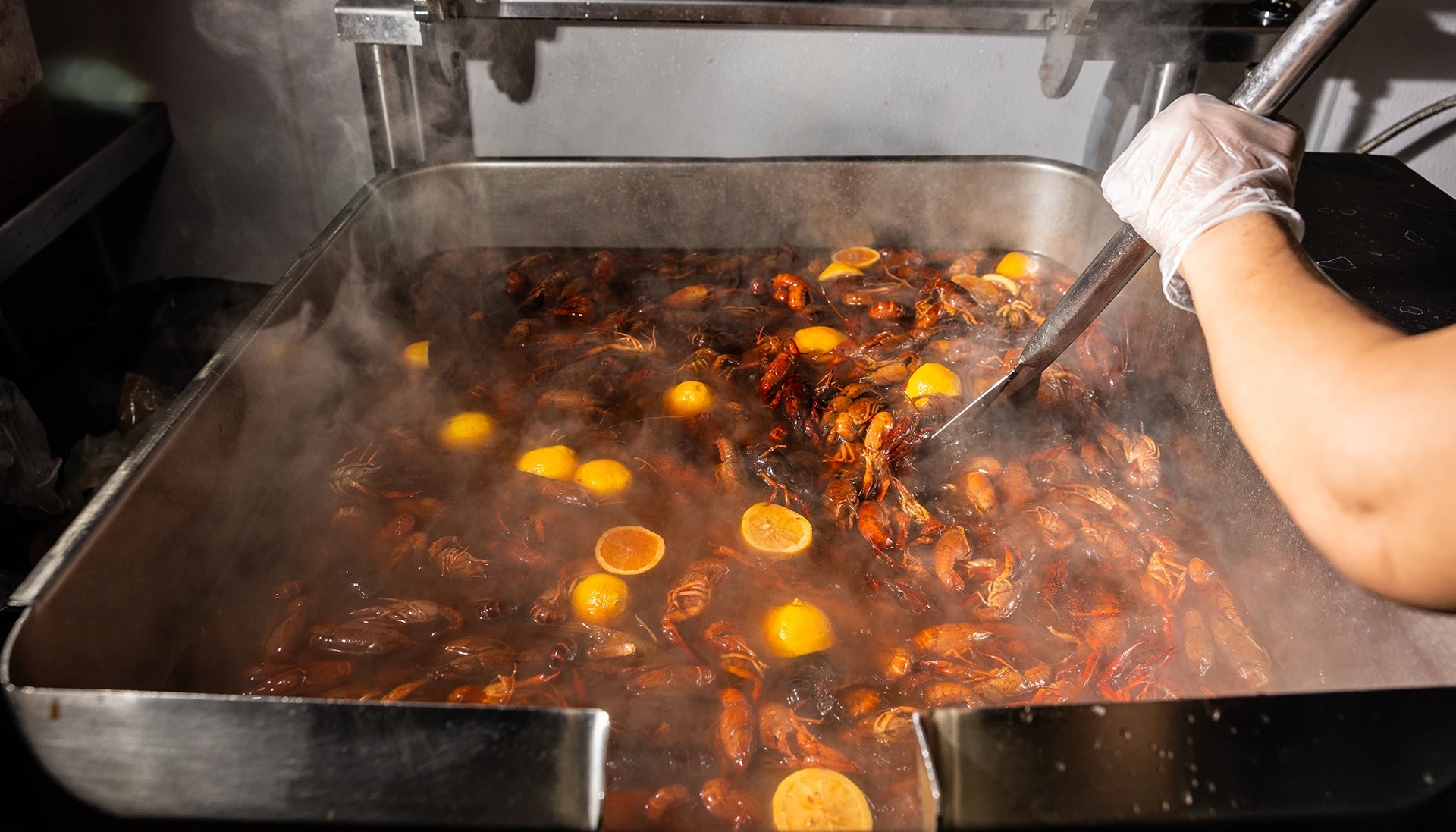
Before you sit, take a quick walk around and trust what you see and smell. A tidy entrance, clear sourcing information, cool display cases, and the absence of an overpowering fishy odor all say a lot about how a restaurant handles seafood and Cajun cuisine. Spotting live shellfish, labeled packages on crushed ice, and clean staff using tongs points to proper care. Razzoo’s Cajun Cafe naturally brings to mind the sights and smells you want from a place serving Cajun food and fresh seafood, so keep looking before you commit to a table.
Quick Checklist: 6 Checks Before You Walk In
Before you open the door, run six quick checks so you don’t get stuck with bad seafood or a sketchy kitchen. First, scan the staff; neat uniforms and visible hands imply care, while dirty or distracted workers are a red flag.
Second, glance at the display case or fish tanks and confirm that the ice is clean and the fish are bright with clear eyes.
Third, note how deliveries are handled because frequent, organized handoffs usually mean fresh turnover.
Fourth, peek at nearby prep through windows to see whether cross-contamination risks are being managed.
Fifth, check the menu for specificity since vague listings like “fresh fish” without sourcing can suggest inconsistency about the Cajun cuisine or seafood offerings.
Sixth, trust your nose at the entrance because any sour or overly fishy odor indicates you should keep walking from that Cajun restaurant.
Exterior Cues: Curb, Smell, and Bathrooms
When you approach a seafood or Cajun restaurant, the curb, the air, and the public restrooms often act as honest reporters about how the kitchen runs. A tidy sidewalk and a well-kept entrance signal attention to detail in the way seafood and Cajun cuisine are handled. A neutral or clean-smelling doorway suggests that fish and shellfish have been stored and prepared properly. A grimy or foul-smelling bathroom is a strong warning that sanitation standards may be lax throughout the restaurant.
Overflowing trash, standing water, and piles of discarded fish boxes indicate sloppy supply handling and poor kitchen organization. A faint briny scent near the door is normal for establishments serving seafood or Cajun food, while anything sharp or rotten points to problems with freshness. A neglected restroom that’s stained or lacks soap and paper suggests that similar shortcuts may be present inside the kitchen.
How a Safe Seafood Display Looks
You have checked the outside, and now you notice how the seafood itself is presented. The display features clean, well-lit cases with crushed ice or refrigerated shelving that holds items separated and clearly labeled.
Fish sits on fresh ice rather than in murky water, and shellfish are kept cool with moving air when they’re displayed live. Raw seafood is kept away from ready-to-eat items and utensils to prevent cross-contamination.
Staff handle products with gloves or tongs, and melting ice is replaced frequently. Visible temperature gauges or refrigeration vents provide reassurance about cold storage.
Packaging is intact without leaks, and shucked or prepped items remain covered. A tidy, organized display suggests that a Cajun restaurant or other kitchen serving Cajun cuisine follows safe storage and handling practices for their seafood.
Judge Fish Freshness by Sight and Texture
Look closely at color and feel because fresh fish gleams with bright, translucent flesh and clear, bulging eyes rather than dull skin, sunken eyes, or brownish gills that signal age.
Run your fingertips lightly or watch staff do so to confirm that firm flesh springs back and doesn’t leave an indentation.
Fillets should look moist and not dry or slimy, and a slight natural sheen is preferable to a sticky residue.
Scales should cling tightly while fins remain intact instead of appearing tattered.
For shellfish displayed with shells, check that shells close promptly when tapped, which indicates live, healthy specimens.
Shrimp and scallops should appear plump and consistent in color without dark spots or excessive mushiness when served in a Cajun restaurant or as part of Cajun cuisine or other seafood preparations.
Smell Tests for Seafood Freshness
A quick sniff often reveals more about seafood freshness than a long look. Bring your face near the display or plate and note whether the seafood smells like the sea—clean, briny, and slightly sweet—or whether it gives off sour, fishy, or ammonia-like odors that signal spoilage. Trust your nose, because fresh shellfish, whole fish, and fillets should be neutral to mildly oceanic in scent.
Strong, pungent, or overly sweet smells indicate bacterial breakdown or improper storage. Cooked seafood that reeks of canned or metallic notes should be returned to the kitchen.
When ordering raw items at a Cajun restaurant or from Cajun cuisine offerings, a faint cucumber or mineral scent is acceptable while anything sharp is not. Don’t let attractive presentation blind you to off odors, and consider finding another place if staff dismiss your concerns.
Live Tanks and Oyster-Bar Safety Checks
If the seafood passes your sniff test, inspect any live tanks or oyster bars before ordering because what you see there reveals how the restaurant handles shellfish. Clear water and active creatures indicate good turnover, while excessive algae, debris, or sluggish animals suggest poor maintenance.
At the oyster bar, staff should use clean tools, rinse oysters briefly, and keep shucked shells separated from fresh stock to prevent cross-contamination. Ask where the shellfish came from and whether recent harvest dates or advisories are posted, since sourcing information is important for seafood safety.
If a bartender or server is vague about sourcing or you notice cross-contamination risks such as open garbage or raw fish near ready-to-eat items, consider choosing a different Cajun restaurant or Cajun cuisine spot to protect your health.
Ice, Packaging, and Temperature Cues
Check the ice, packaging, and temperatures before you order, because cold items such as seafood or Cajun cuisine should sit on clean, replenished ice or remain properly covered and chilled.
Look for clear, odor-free ice rather than cloudy or melting pools that suggest poor turnover.
Packaged seafood and prepared Cajun food should be sealed, labeled with dates, and free of excess liquid.
When displays use refrigeration, touch visible surfaces or ask staff to confirm temperatures, since safe displays run near 32–41°F (0–5°C).
For to-go or prepped items, insulation and cold packs indicate proper transport planning.
Avoid offerings that sit at room temperature or on thin crushed ice that warms quickly.
These cues reveal how seriously a Cajun restaurant treats cold-chain control and help you decide whether to eat there without relying solely on staff explanations.
Staff Behavior That Signals Proper Handling
You’ll quickly learn a lot from how staff move and handle food in a Cajun restaurant; attentive servers and cooks who wash or glove up between tasks, use clean utensils, and avoid bare‑hand contact with ready‑to‑eat items are signaling good practices.
Watch how they plate, store, and transport seafood in the Cajun cuisine kitchen, because steady trays, lids, and covered containers cut cross‑contamination risk.
Notice whether staff change aprons or sanitize hands after handling cash, bins, or raw fish in a setting that serves Cajun food.
Clean tongs and scoops kept separate for raw and cooked items are a good sign of proper food handling.
If someone sneezes or coughs, they should step away and wash up rather than returning to touch food.
Polite but purposeful movement, visible handwashing sinks, and labeled sanitizers indicate that the establishment takes food safety seriously.
Verify Sourcing, Catch Method, and Menu Claims
When you scan a menu or ask staff about seafood, look for specific sourcing details such as the harvest region, whether the product is wild-caught or farmed, and the seasonality because those details affect freshness, sustainability, and potential contaminants.
You should also check catch methods since line-caught, trap, troll, or specific net types often result in lower bycatch and better quality than indiscriminate trawling.
Ask if the Cajun restaurant can show traceability or supplier names because reputable places will answer confidently and note certifications like MSC or ASC where applicable.
Beware vague phrasing such as “fresh” without origin or “local” with no definition.
Finally, compare menu claims for Cajun cuisine or other seafood dishes to reasonable expectations for the season and region since inconsistencies suggest either poor sourcing practices or menu exaggeration.
What to Do When You Spot Red Flags
Spotting vague sourcing or questionable catch methods should prompt immediate follow-up rather than silence. Ask specific questions about the supplier, the harvest date, and how the fish was caught, and observe how the staff respond. If answers are evasive, inconsistent, or defensive, treat that as a red flag.
Politely request to speak with a manager or ask for documentation such as invoices, source certifications, or a traceability statement. If staff can’t provide details, order something else or leave the establishment.
Take photos of questionable labeling or display practices while noting plate freshness, odor, and temperature. Report serious concerns to local health or fisheries authorities.
Trust your instincts because safe, responsibly sourced seafood and Cajun cuisine come with transparency, and when transparency is missing you should protect your health and vote with your wallet.