What a Good Crawfish Restaurant Gets Right Every Time
When you walk into a great crawfish place, you notice small touches that add up quickly and make the experience feel intentional. The kitchen is clean and efficient, and the staff are friendly as they hand out bibs and set the tone for a fun Cajun food meal. A bright, fragrant spice aroma signals careful seasoning rather than an attempt to mask anything, and properly purged crawfish are tender with layered aromatics and balanced heat that speak to an understanding of Cajun cuisine. The sides are composed to cut through the richness rather than compete with it, so the whole seafood spread feels harmonious. Even the little operational details, from the pace of service to the way platters are presented, tell you the whole operation is solid, and fans of places like Razzoo’s Cajun Cafe will recognize those qualities right away.
Quick Checklist: 5 Signs of a Great Crawfish Restaurant
Often you’ll know a great crawfish spot the moment you walk in because the steam, spiced aroma, and steady stream of locals create a welcoming atmosphere.
Fresh, bright shells and firm tails are clear signs that the seafood was recently caught and handled properly.
The seasoning should have a lively balance that highlights Cajun cuisine without tasting only salty or overly sweet.
Observing quick, confident prep and clear portion sizes indicates that a Cajun restaurant has consistent quality and efficient kitchen practices.
Cleanliness is important, and tidy prep surfaces, organized bins, and staff who change gloves demonstrate proper sanitary habits.
Watching crowd patterns and repeat customers provides evidence that a place consistently delivers reliable flavor and good turnover.
Use this checklist to pick spots that emphasize freshness, bold Cajun food flavors, efficient service, and proper hygiene.
What to Notice the Minute You Walk In
Step inside a Cajun restaurant and take a quick inventory with your senses: the first waft of spice, the sight of steaming pans or bright seafood shells, and the hum of a busy kitchen tell you more than a menu ever will.
Observe how staff move, because confident servers and cooks suggest organized service in a place that serves Cajun cuisine.
Note cleanliness, since floors, tables, and visible prep areas should be tidy rather than sticky in an establishment that prepares seafood and spicy dishes.
Listen for timely plates and clear communication, because constant shouting or long silences can signal trouble even when the aroma of gumbo and étouffée fills the air.
Check the pace of turnover, as full tables indicate demand and freshness without creating an overcrowded atmosphere in a beloved Cajun food spot.
Watch seating comfort and lighting, since a welcoming room affects how long you’ll want to linger while enjoying the flavors of Louisiana.
Finally, pay attention to the menu’s clarity and the staff’s willingness to answer questions, because their confident responses reflect pride in the Cajun cuisine they offer.
Crawfish Freshness: Look, Smell, and Proper Purging
When you inspect crawfish for a Cajun cuisine meal, trust your eyes and nose because fresh crawfish look lively with intact shells and clear, bright eyes and they shouldn’t give off sour, ammonia, or overly fishy odors.
You’ll also want firm, springy tails that curl when handled, since limp tails or discolored spots signal age or poor handling.
Ask staff at a Cajun restaurant how recently the batch arrived and where it was sourced because good places rotate stock daily.
Proper purging is essential for seafood served in Cajun food settings, and crawfish should be soaked and rinsed in clean, cool water to remove mud, grit, and any off-flavors before cooking.
A restaurant that explains its purging routine and shows clean holding tanks or prep areas is demonstrating care for quality and food safety.
The Perfect Boil: Spice, Timing, and Tenderness
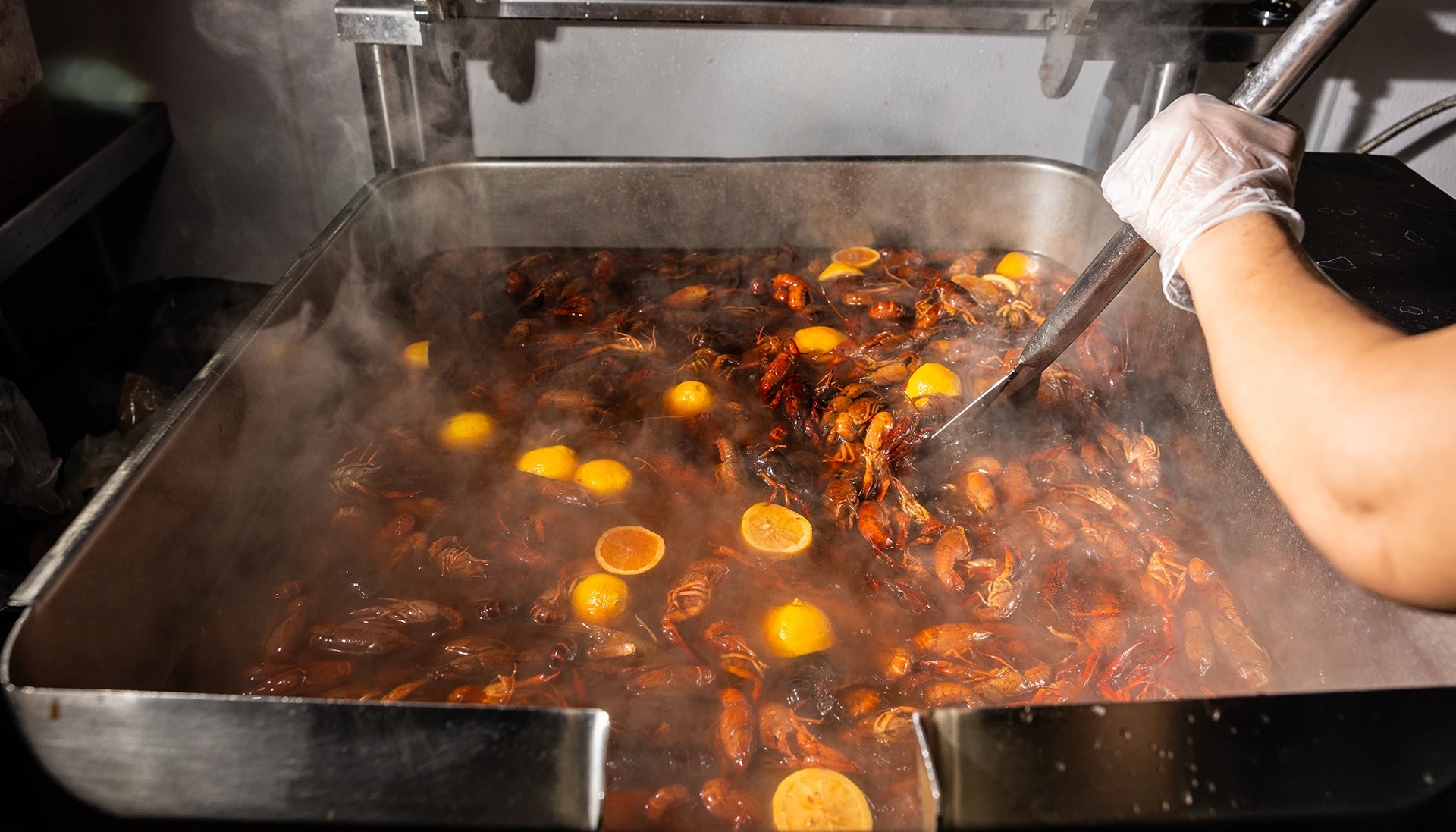
A perfect crawfish boil balances bold seasoning with precise timing so the spice penetrates without turning the meat rubbery.
You’ll heat a large pot and layer aromatics and salt before adding the spice mix at the right moment so flavors infuse instead of merely coating the shells.
Watching the water temperature matters because a rolling boil followed by a steady simmer helps prevent overcooking.
Adding crawfish in batches ensures that each crustacean cooks evenly.
You can test tenderness by pulling a tail; it should yield easily while remaining firm.
After cooking, allow the seafood to rest briefly off the heat to let the spices settle and the juices redistribute.
Clean, consistent technique along with measured spice, controlled heat, and careful timing distinguishes great Cajun cuisine from mediocre offerings at a Cajun restaurant.
Sauces, Sides, and What to Order With Your Boil
You have the boil timing and spice dialed, so pick accompaniments that will elevate every bite. Start with a bright, acidic sauce such as garlic-lemon butter or a vinegar-based Creole dip to cut richness and highlight the sweet meat.
Offer a creamy remoulade for contrast and a smoky, spicy aioli that pairs well with shells or fries.
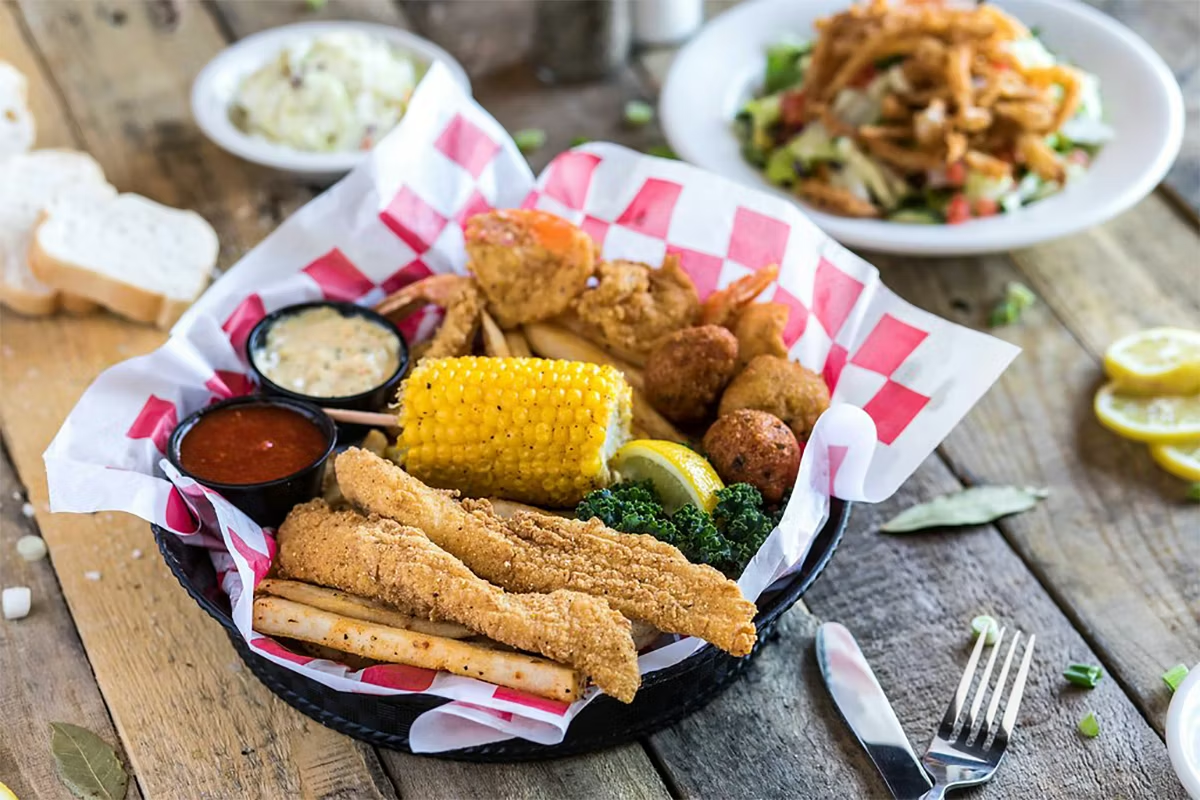
Choose sides that soak up flavor: corn and potatoes absorb the seasoning while charred bread or garlic toast lets you mop up juices.
Include a simple slaw or pickled vegetables to refresh the palate between spicy bites in Cajun cuisine.
If rice or dirty rice is available at the Cajun restaurant, it will steady the meal.
Order extras strategically with additional corn, extra potatoes, and a sauce sampler so you can mix and match and find your favorite combination in seafood boils and Cajun food settings.
Portions, Prices, and Judging Value at a Crawfish Spot
Because portion sizes and pricing vary widely, judge a crawfish spot by how much you actually get on the tray and what that amount costs per pound or per person.
Ask about average yield or watch a portion being plated so you have a clear estimate of edible meat after shells and heads are removed.
Compare plates by weight rather than by how piled they look, because generous shells can mask small meat quantities.
Check whether sides, Cajun seasoning, dipping sauces, or other elements of Cajun cuisine or seafood service are included or extra and factor those into the per-person total.
Consider peak versus off-peak pricing and whether larger orders reduce the per-pound cost.
Ultimately, you’re buying a generous, consistent feed at a Cajun restaurant, not just a decorative heap.
Service Cues That Make a Messy Meal Effortless
After you’ve sized up portions and prices, pay attention to how the kitchen and servers set you up for the inevitable mess; good Cajun restaurants make cracking shells and mopping fingers feel easy instead of awkward. You’ll receive a sturdy bib, plenty of napkins, and a clear bowl for shells without having to ask, and servers will place wet wipes or a damp towel within reach.
Staff clear space for communal trays and promptly refill drinks so you don’t have to juggle cups while peeling shellfish. Plates often arrive staggered so you can focus on each course, and servers offer simple cues—“want more seasoning?” or “need a hand?”—without hovering.
These small, intentional gestures keep you comfortable, let you dig into Cajun cuisine confidently, and make the whole messy seafood ritual feel like part of the fun.
Red Flags and Quick Fixes at the Table
If servers don’t bring basics like bibs, wet wipes, or a shell bowl without prompting, that’s a red flag; ask for them right away or flag a manager if staff seem uninterested.
Scan the table for sticky surfaces, empty condiment bottles, or slow refills of drinks, because those signs indicate inattentive service.
Speak up calmly and request a wipe-down, fresh sauces, or faster drink service, and pointing out specifics usually gets quicker results.
If shells pile up, ask for a clearing plate or a busser to remove them, and if the seasoning on your Cajun food or other seafood is off, ask for a rerun or adjustment.
Keep complaints brief and factual, for example saying “My order isn’t seasoned,” and if issues persist, ask to speak with a manager or politely refuse to pay for clearly substandard items.