What to Look for in a Lunch Special That Feels Like a Real Meal
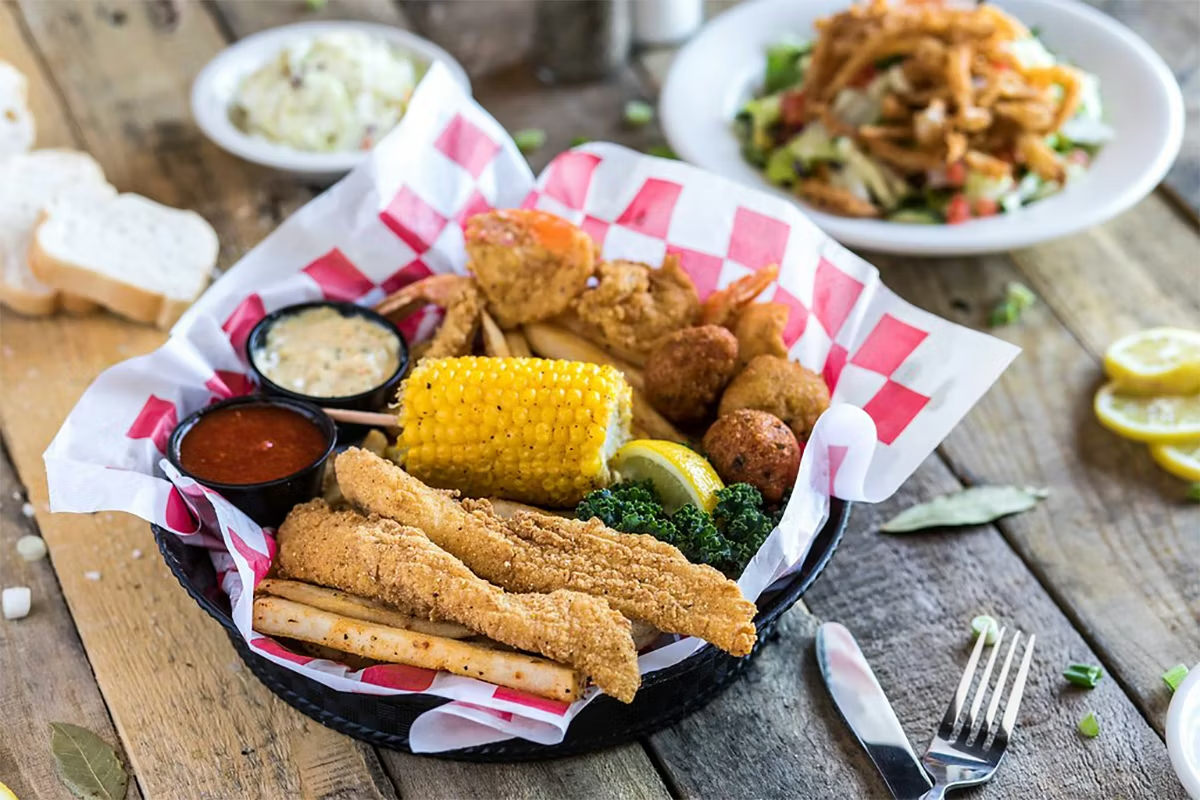
When you choose a lunch special, look for a clear protein such as seafood or a Cajun-style chicken that anchors the plate, a hearty portion of vegetables that feels substantial, and a sensible carb like rice or a baked potato so the meal actually sustains you. Pay attention to made-to-order wording and visible freshness, and ask for sauces on the side when you want control over spice and richness. Portion sizes should match the price, and if you enjoy Cajun cuisine, a dish with bold seasoning and a touch of heat can make the meal feel more memorable. Razzoo’s Cajun Cafe often highlights seafood and Cajun food preparations that fit these criteria.
Quick 30‑Second Checklist for a Worthwhile Lunch Special
When you’re short on time, a 30-second checklist can help you identify a lunch special that’s worth your money. Look for clear pricing and a balanced meal that includes protein plus vegetables or a salad. Reasonable portion size and visible freshness are signs that the food, whether Cajun cuisine, seafood, or another style, will be satisfying.
Included extras such as soup or a drink often add value to the special. If one or more of these elements are missing, the offer is probably not a good deal. Menus that include allergen notes and ingredient transparency reduce the chance of surprises.
Asking staff about how long items sit under heat lamps provides useful information because fresher food is preferable. It’s helpful to know whether sides are made to order or prepacked, since made-to-order sides usually taste better.
Confirming the total cost with tax and tip in mind avoids sticker shock. Choosing establishments that clearly display what you receive and offer simple substitutions makes it easier to get a satisfying lunch, especially at a Cajun restaurant or a place known for seafood.
Balanced Protein, Carbs, and Veggies in a Lunch Special
That quick checklist helps you spot a worthwhile deal, and the meal itself needs to fuel you through the afternoon, so look for a balance of protein, carbohydrates, and vegetables.
A clear protein source such as grilled chicken, tofu, fish, legumes, or a Cajun seafood option will keep you satisfied and steady.
Pair the protein with a moderate carbohydrate like brown rice, whole-grain bread, or a baked potato to provide energy without a sugar crash.
Make sure half the plate or a generous side consists of vegetables, with choices such as leafy greens, roasted root vegetables, or a crisp salad to add fiber, vitamins, and bulk.
Avoid meals that are all starch or all protein, because when those three components are present you’ll leave energized, focused, and ready to tackle the rest of your day.
Portion Clues That Make a Lunch Special Filling
Portion size, along with balanced nutrients, indicates whether a lunch special will actually keep you full.
A palm-sized portion of protein, such as a serving of Cajun seafood or a grilled chicken breast, provides a satisfying center to the plate. A cupped-hand serving of whole grains or starchy carbs offers steady energy and works well with Cajun rice or a modest helping of potatoes.
Vegetables or salad should be at least fist-sized to add volume and nutrients. Protein that fills most of the plate creates a more substantial meal than a token strip of meat.
Carbs should be satisfying but not heaping, and a cupped-hand of rice, pasta, or potatoes supplies consistent fuel. Vegetables should be generous and display color and volume equal to or exceeding the carbohydrate portion.
Dressings and sauces contribute calories and should complement the food without replacing solid components. If a side appears to be a token garnish, requesting a larger portion can result in a more filling lunch.
These visual cues are useful when choosing a Cajun restaurant lunch special or a plate of Cajun cuisine.
Freshness Signals to Spot Real Ingredients
Portion clues indicate how filling a lunch special will be, but freshness reveals whether the ingredients are real and worth eating.
In Cajun cuisine, bright, vibrant colors in vegetables and herbs signal freshness, while dullness and limp leaves indicate they’ve sat too long.
Smell matters in a Cajun restaurant and beyond; a clean, garden-like aroma suggests freshness, whereas sour or metallic notes are a warning to avoid the dish.
Textures provide important information, as crisp lettuce, firm tomatoes, and a resilient crust on bread show that ingredients were handled recently.
For seafood and other proteins, the absence of sliminess and a neutral scent rather than a strong ammonia odor indicate good quality, and cooked meats that are moist but not wet reflect proper preparation.
Asking staff about when components were prepped or how often batches are rotated can reveal whether a lunch is made from fresh, honest ingredients.
Why Flavor and Texture Variety Matters
A lunch special that combines a variety of flavors and textures will keep you satisfied longer and make each bite more interesting. Contrast is important, with crisp greens, tender proteins, and a little chew to prevent the mouth from becoming bored.
Savory, acidic, salty, and slightly sweet notes should balance so flavors don’t flatten halfway through the meal. Textural variety also signals freshness and thoughtful preparation, which is especially evident in Cajun cuisine and seafood dishes at a good Cajun restaurant.
Elements that alternate—such as creamy dressing against crunchy vegetables or firm grains paired with soft roasted vegetables—help each forkful feel composed. That balance can transform a quick lunch special into a genuinely enjoyable and memorable meal.
Smart Sides That Boost Nutrition and Satiety
When you pick sides for a lunch special at a Cajun restaurant, choose items that add fiber, protein, and healthy fats so you stay full and focused through the afternoon.
A simple salad with mixed greens, beans, or lentils offers fiber and plant protein instead of plain fries. A small quinoa or farro salad provides whole grains that help steady blood sugar.
Roasted or steamed vegetables dressed with olive oil or avocado deliver healthy fats that promote satiety alongside Cajun cuisine’s bold flavors. A hard-boiled egg, a cup of Greek yogurt, or a portion of cottage cheese contributes compact protein that pairs well with seafood or spicy dishes.
A modest handful of nuts or a seed mix creates a crunchy, nutrient-dense topping when portions are controlled. These swaps make the meal balanced and sustaining without extra calories or fuss.
Menu Wording That Avoids Surprises
If you want customers to leave satisfied instead of surprised, use clear, specific menu wording that sets accurate expectations about ingredients, preparation, and spice level.
A Cajun restaurant should say “grilled chicken” instead of just “chicken,” note sauces and dressings, and flag common allergens like nuts, shellfish, or dairy.
Menus for Cajun cuisine and seafood dishes should indicate portion size—“half sandwich” or “generous bowl”—so people know if an item is a light lunch or a full meal.
Describing heat with words diners understand, such as “mild,” “medium,” or “spicy,” helps convey the intensity of Cajun flavors.
Menus should list ingredients for composed dishes so no one gets an unwelcome bite of cilantro or raw onion.
Being honest about garnishes and add-ons avoids surprises for guests.
Avoiding vague terms like “house special” without explanation reduces complaints and builds trust.
Cooking Methods That Make a Lunch Special Satisfying (And Healthier)
Choosing cooking methods that boost flavor without piling on fat makes lunch specials satisfying for fans of Cajun cuisine and seafood alike. Grilled, roasted, steamed, or broiled preparations concentrate flavor and keep calories lower than deep-frying, which suits the bold tastes of a Cajun restaurant menu.
Searing or charring meats and vegetables creates savory crusts, and finishing them gently preserves juiciness in dishes like blackened catfish or roasted Andouille-studded vegetables. Steaming or blanching greens and grains helps preserve nutrients and texture, and a light dressing of citrus, herbs, or a drizzle of high-quality oil complements the spicy, tangy notes typical of Cajun food.
Braises and slow-cooking yield tender, satisfying results using smaller cuts and minimal added fat, producing rich, robust flavors without heavy creams or batters. Sauces served on the side allow diners to control richness and keep seafood and Cajun specialties tasting bright and balanced.
Price vs. Portion: When a Special Is a Real Bargain
Because price alone doesn’t tell the whole story, you should look at portion size, ingredients, and preparation to judge whether a lunch special is really a bargain.
A modestly priced Cajun dish with fresh protein, vegetables, and a whole-grain side often beats a cheap, oversized fry-and-sauce combo.
Ingredient quality matters, and seasonal produce, real cuts of meat, or fresh seafood add value to a meal.
Preparation makes a difference because made-to-order items keep texture and flavor while frozen rehashes do not.
Extras such as soup, salad, or a small dessert can increase the overall value when those items would otherwise be purchased separately.
Finally, considering how long a meal keeps you satisfied is important because a balanced Cajun cuisine plate saves you from costly snacks later.
Which Lunch Special to Pick Based on Your Afternoon Plans
Portion size, ingredients, and preparation indicate whether a lunch special is worth the price, but your afternoon plans should guide what you order. If you have meetings or need to stay sharp, choose a lighter protein with fiber-rich sides; grilled chicken or a salmon salad will keep you alert without causing a post-meal slump.
For active afternoons or running errands, higher-carbohydrate options that include whole grains or starchy vegetables provide necessary refueling. If you’ll be on the move, portable, less-saucy dishes are preferable because they’re less likely to stain clothing or require utensils.
Planning a nap or a leisurely walk calls for a heartier, comforting plate with slow-release carbohydrates and some healthy fat to help you relax. Cajun cuisine and seafood choices can fit any of these needs depending on preparation, and a Cajun restaurant will often offer both lighter grilled options and richer, spice-forward dishes. Match pacing and logistics to ingredients to achieve both satisfaction and function.