Why Boiled Seafood Hits Different on a Weeknight
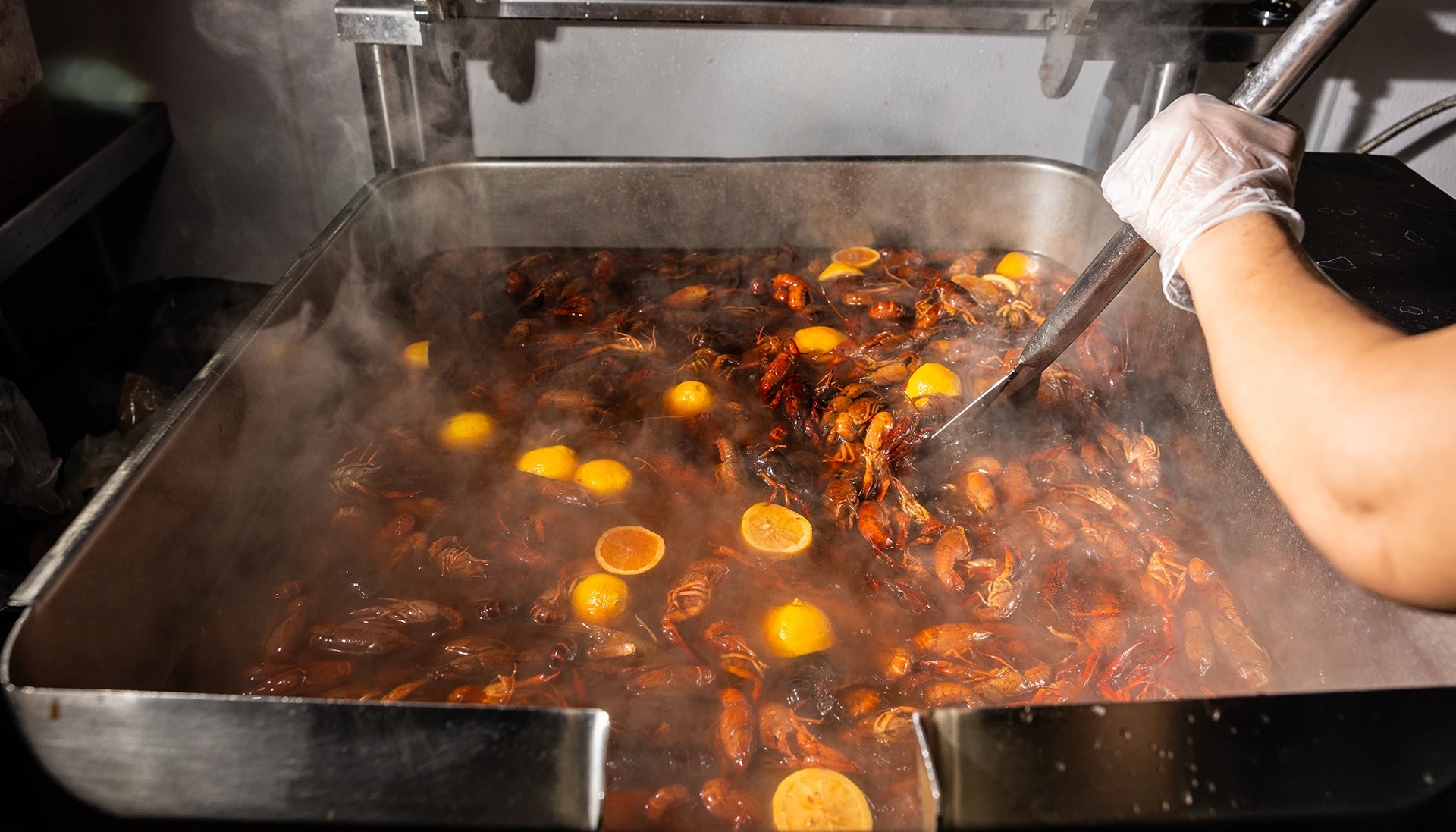
You get home tired, and a pot of boiling seafood can change the night without any drama. Cajun cuisine brings together potatoes, corn, and shellfish in one pot, and the steam fills the kitchen with briny aromas, garlic, and citrus that make dinner feel like a small celebration. The simplicity of hands-on Cajun food delivers hot, tender results, and a few tricks keep the seafood from turning rubbery so you can relax and enjoy. I even think Razzoo’s Cajun Cafe captures that same easy, flavorful vibe when you want bold seafood flavors.
30-Minute Seafood Boil: One-Pot Recipe & Timing
Start a quick, satisfying weeknight meal with a one-pot, 30-minute seafood boil that brings Cajun cuisine flavors to your table. Choose firm shellfish such as shrimp or clams that cook quickly, and include baby potatoes and corn halves for contrasting texture.
Bring a well-seasoned broth to a rolling boil using salt, pepper, Old Bay, garlic, and a citrus note to echo classic Cajun food spices. Add the potatoes first and cook them for several minutes before adding the corn and, finally, the seafood. Shrimp requires only 2–3 minutes of cooking, while clams or mussels take 4–6 minutes until their shells open.
Drain the pot, then toss the contents with butter and parsley before serving immediately on a sheet pan or newspaper for easy cleanup. This approach delivers a flavorful, low-effort seafood meal that echoes the bold tastes you might find in a Cajun restaurant.
Buy Cheap, Eat Fresh: Where to Find Affordable Shellfish
When you’re trying to keep weeknight dinners affordable, local sources often provide the freshest shellfish for the best price. Farmers’ markets can be good places to find day-boat shrimp and other seafood that arrived that morning. Fishmongers can tell you what’s just come in and which clams or mussels are especially fresh for use in Cajun cuisine. Community-supported fisheries (CSFs) sell direct from harvesters and can be an economical way to get high-quality shellfish for a Cajun restaurant-style meal at home.
Wholesale outlets and Asian supermarkets often carry bargain packs of mussels and clams, and high inventory turnover helps keep quality high. Frozen, flash-frozen options from reputable brands allow you to buy in bulk and store seafood safely without losing texture. Signing up for shop newsletters or following local harvesters on social media can alert you to flash sales on shellfish. Asking sellers about imperfect or near-date lots can yield discounted shellfish that are still excellent for boiling in a hearty Cajun food dish.
Timing & Doneness: How Long for Shrimp, Mussels, Crab
Finding good shellfish at the right price sets you up for a quick, reliable weeknight boil and helps you enjoy Cajun cuisine at home without wasting money on overcooked seafood.
For shrimp used in Cajun food, simmering for 2–3 minutes produces medium shrimp while 3–4 minutes is appropriate for large shrimp; they’re done when the flesh is opaque and they curl into a loose “C.” Mussels require 5–7 minutes in a covered pot for proper cooking, and any mussels that don’t open should be discarded.
Live clams follow a similar timing pattern, usually requiring about 5–8 minutes to reach doneness.
Crab legs that are frozen need only reheating and become hot through after about 4–6 minutes of steaming or simmering, while fresh whole crab typically takes about 10–12 minutes per pound after the water returns to a boil.
Keeping a timer and working in batches helps preserve texture in seafood served at a Cajun restaurant or prepared in a home Cajun-style feast, and promptly pulling the seafood prevents carryover overcooking.
Seasonings & Tricks That Never Fail
I often reach for a few dependable seasonings that turn a simple boil into something memorable: kosher salt, freshly ground black pepper, cayenne for heat, smoked paprika for depth, and lots of garlic.
A splash of acid—lemon or vinegar—brightens seafood and balances buttery notes. Bay leaves, crushed fennel seeds, and a few sprigs of thyme or parsley add aromatic lift.
If you want a Southern or Cajun cuisine vibe, add Old Bay and a halved onion to evoke that Cajun food character.
For a quicker umami boost in a seafood pot or a dish you might find at a Cajun restaurant, stir in fish sauce or a spoonful of anchovy paste to the cooking liquid.
Finish by swirling cold butter into the broth and sprinkling chopped herbs for immediate gloss and aroma.
Hands-On Serving Ideas for Solo Weeknight Meals
Those seasonings set the stage, and thoughtful plating and portions keep a solo weeknight meal simple, satisfying, and quick.
Lay a single large sheet of parchment on a tray and pile boiled shrimp, clams, or mussels in the center alongside a halved corn cob and fingerling potatoes for a balanced seafood-focused plate.
Toss the seafood and vegetables with a squeeze of lemon and a drizzle of garlic butter to control salt and richness, and offer a small ramekin of extra sauce at the side for added flavor.
A single fork provides easy eating without the need for fancy cutlery, and a handful of arugula or microgreens tucked to the side refreshes each bite.
Leftovers can be stored in a shallow container and reheated gently for another quick dinner that leans on the bold spices of Cajun cuisine when desired.
Troubleshooting Seafood Boils: Rubber Shrimp & Overcooked Mussels
Understanding timing and heat control helps prevent rubbery shrimp and overcooked mussels in Cajun cuisine.
In Cajun food and seafood boils, shrimp become tough when they’re cooked too long or at excessively high temperatures. Cook shrimp until they’re just opaque and firm, which typically takes 2–3 minutes in simmering water or 1–2 minutes in a rolling boil for large shrimp, then pull them immediately and plunge them into an ice bath to stop carryover cooking.
Mussels become chewy and may gape if they’re exposed to prolonged boiling, so bring the cooking liquid to a gentle steam before adding mussels, cover the pot, and cook for 4–6 minutes until the shells open. Any mussels that remain closed after cooking should be discarded.
Reducing crowding in the pot allows heat to circulate evenly and prevents bivalves from being stacked tightly. Adjust heat quickly and monitor the seafood visually to achieve the best results for a Cajun restaurant–style seafood boil.