What to Look for in a Good Boiled Seafood Spot
When you’re choosing a boiled seafood place, look for clear signs of freshness and honest sourcing rather than flashy decor. In casual conversation, listen to how the staff talk about their catch because that can tell you a lot about the seafood and the kitchen’s confidence. Pay attention to how the kitchen handles shellfish and whether the prep looks clean and organized, since Cajun food and Cajun cuisine depend on good technique as much as bold flavors. You want seasoning that complements the natural taste of the seafood instead of masking it, and noticing those details will help you decide if the meal is going to be worth the mess. Razzoo’s Cajun Cafe comes to mind when I think of places that get those elements right.
Quick Checklist: What Makes a Great Seafood Boil
Start by checking the basics: fresh ingredients, balanced seasoning, and proper cooking times for seafood.
A great seafood boil from a Cajun restaurant will have shellfish that are firm and tender rather than rubbery, corn that’s cooked through, and potatoes that hold their shape.
Look for clear menu notes on sourcing and cooking methods so you understand how the Cajun cuisine is prepared.
Spice levels should be bold but not overwhelming, and sauces ought to complement the seafood rather than mask it.
Portions should be generous without relying on excess filler like too much sausage or excess carbs.
Service matters because timely plating and hot delivery preserve texture and flavor.
Cleanliness at prep stations and attentive staff are signs of care.
Consistency is important, as the best Cajun food delivers the same satisfying boil on every visit rather than only occasionally.
Seafood Freshness & Sourcing
You should expect seafood that has been handled with care from catch to kitchen because freshness is the single biggest factor that separates a good Cajun boil from a forgettable one.
Menus that list source regions, catch dates, or supplier names suggest a Cajun restaurant is prioritizing quality and transparency. Ask staff when shrimp, crab, or oysters arrived and you’ll learn whether they rotate stock daily. Whole fish should have bright eyes, firm flesh, and a mild sea scent rather than a strong fishy odor.
For shellfish, tags or receipts indicating harvest area and date should be available on request.
Favor Cajun cuisine establishments that partner with local fisheries or reputable purveyors and that adjust offerings by season to match peak freshness.
Kitchen Hygiene & Shellfish Safety
Because shellfish can spoil quickly and harbor harmful bacteria or toxins, the kitchen’s hygiene practices directly affect safety and the quality of Cajun cuisine and seafood dishes.
You should watch for clean prep areas, sanitized cutting boards, and staff who use gloves or change them between tasks when dining at a Cajun restaurant.
Notice whether raw and cooked items are separated and stored at correct temperatures, since cross-contamination is a top risk with shellfish in Cajun food preparations.
Ask about sourcing and whether the kitchen follows local shellfish advisories or uses certified suppliers for seafood used in Cajun dishes.
Check that dishware and utensils are visibly clean and that handwashing stations are stocked, because these are important for maintaining standards in Cajun cuisine.
If you see sloppy practices such as fruit flies, unlabelled containers, or staff handling money then food, consider dining elsewhere to avoid foodborne illness from seafood served in a Cajun restaurant.
How They Cook: Doneness & Texture
Pay attention to how cook times and textures match the seafood you order, because proper doneness separates tender, juicy shellfish from rubbery or mushy results.
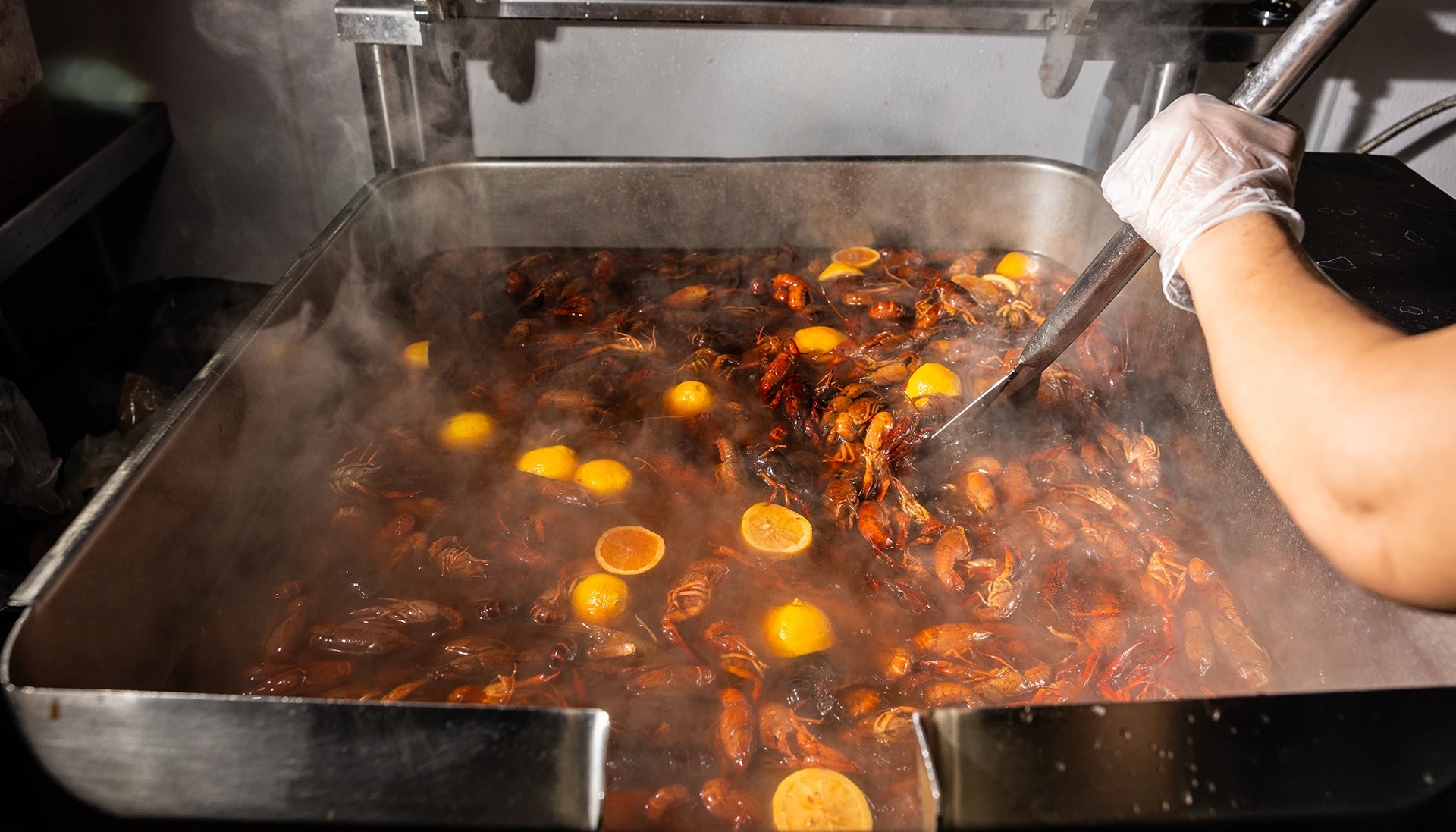
In Cajun cuisine and other seafood preparations, cooks time batches by species and size so that shrimp curl but stay plump, lobster meat pulls away from the shell while remaining moist, and crab legs yield flaky strands without collapsing.
Clams and mussels should open fully and feel resilient rather than chalky.
If everything arrives uniformly overcooked or underdone, that indicates a problem with process control.
Staff in a Cajun restaurant or seafood kitchen will often describe how they time or test doneness using visual cues, internal temperature checks, or touch tests.
Reliable kitchens adjust cook time for harvest size and use separate pots to prevent carryover overcooking.
Seasoning, Spice Balance, and Flavor
At a good boiled seafood spot, the first thing you often notice is a confident, balanced seasoning that enhances the natural sweetness of the shellfish. Cajun cuisine relies on layers of flavor, including aromatics in the boil and a noticeable but not overpowering heat.
Finishing touches such as citrus or herb butter brighten the dish without competing with the taste of the seafood. Careful spice distribution matters because clumps of grit or uneven heat are signs of sloppy technique.
A quality Cajun restaurant allows you to taste the crab, shrimp, or crawfish first and then the seasoning, rather than presenting a uniform paste of sauce. When the flavor is one-note or overwhelms the shellfish, the seafood is likely being used to hide flaws.
Spots that offer adjustable heat and clarifying condiments give diners control over the final balance.
Portion Sizes & Boil Value
Good seasoning sets expectations, but you should check portion sizes and overall boil value next because those factors determine whether the Cajun meal feels generous or skimpy.
Look for a clear weight or count listed per order so you know what seafood or Cajun dish you’re getting, because vague descriptions like "plenty" can hide tiny portions.
Compare protein-to-side ratios, since a good Cajun boil gives substantial shellfish or crab relative to potatoes and corn rather than the reverse.
Watch pricing carefully because premium rates for minuscule servings indicate low value in a Cajun restaurant.
Consider how leftovers reheat and whether the shells are packed or mostly filler when evaluating a Cajun cuisine experience.
Observing plates at neighboring tables can reveal whether the establishment serves full, satisfying piles that reflect a priority on portions.
Menu Choices, Add‑Ons, and Dietary Options
When you’re choosing a boiled seafood spot, scan the menu for clear choices, sensible add‑ons, and straightforward notes about dietary options so you can tailor the meal without surprises.
You’ll want menus that list portions and combos plainly — single, double, and family — and that show cooking levels and sauce heat.
Look for add‑ons like extra corn, potatoes, sausage, or drawn butter priced per piece rather than buried in vague “market price” lines.
Check whether spices, sides, and dipping sauces are customizable or pre‑mixed to match your preferences.
For dietary needs, confirm gluten‑free or nut‑free preparation and whether cross‑contact is avoided by the Cajun restaurant staff.
Ask whether vegetarian or vegan sides are available to accompany Cajun cuisine and seafood dishes.
Finally, see if allergen information is posted or if staff can explain substitutions quickly and accurately.
Table Setup, Peel‑Friendly Service, and Atmosphere
Look for a place that sets you up to dig in comfortably: a peel‑friendly table will have kraft paper or easy‑clean disposable covers, plenty of napkins, wet wipes or finger bowls, and clear trash or discard stations so shells don’t pile up on your plate.
A good Cajun restaurant will have servers who clear shells promptly, refresh sauces and drinks, and offer tools like mallets or seafood forks before your hands become full.
Lighting should be bright enough to reveal seasoning without being harsh, and the atmosphere should be casual and lively while accepting the inevitable mess and conversation that come with Cajun cuisine.
Clean restrooms, accessible hand‑washing stations, and staff who move with friendly efficiency indicate that the spot respects both the flavor and the practicalities of eating seafood by hand.