What People Get Wrong About Seafood Boils
You probably treat a seafood boil like a free-for-all where you dump everything into raging water and let it go. That approach ruins the delicate balance of Cajun cuisine because shrimp become rubbery, potatoes turn to mush, and the bold flavors of Cajun food blur into spicy chaos. If you stage additions, control the heat, and pull seafood the moment it’s done, you will preserve textures and flavors and keep the whole event from turning into a soggy mess. Razzoo’s Cajun Cafe celebrates the bright, layered approach to seafood that keeps each ingredient distinct and delicious.
Why Technique Beats Chaos in a Seafood Boil
Although a seafood boil often appears as organized chaos, reliable technique keeps flavors balanced and textures right. Controlling timing, heat, and layering produces tender shrimp, fully cooked corn, and intact sausages instead of an uneven mess.
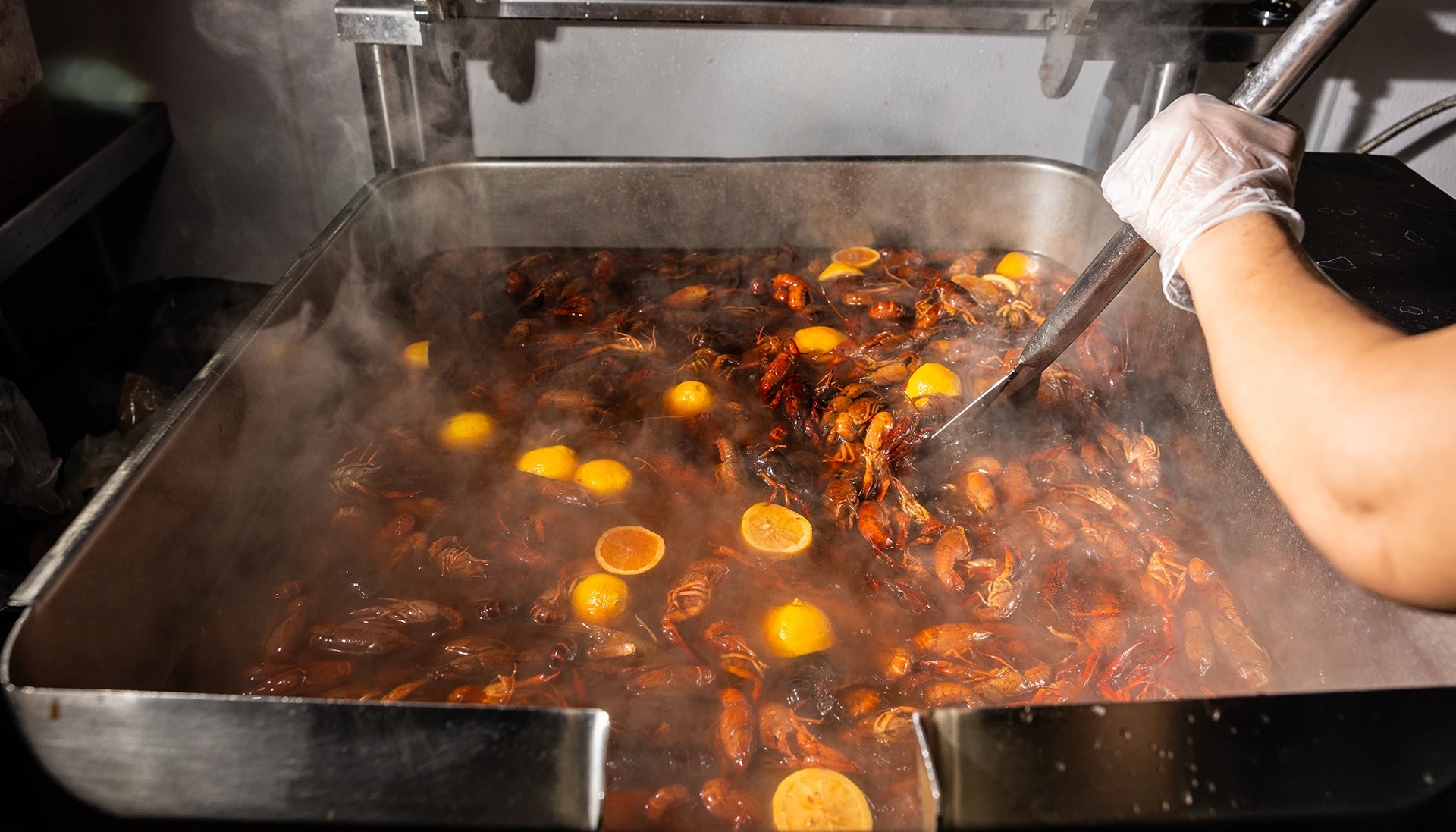
A seasoned broth forms the foundation of the pot, with sturdy vegetables added next and items that need moderate time like potatoes and corn placed afterward. Delicate proteins are finished last to preserve their texture and flavor within the Cajun cuisine tradition.
Monitoring boil intensity prevents starches from overcooking and shells from shattering. Using baskets or nets to lower and lift groups together avoids repeated stirring that tears ingredients.
Adjusting salt and spice gradually and tasting between stages refines the final seasoning in a way that reflects the bold flavors of Cajun food served at a Cajun restaurant. By sequencing and gentle handling, the result remains consistent rather than soggy and uneven.
Timing Shellfish for Tender Shrimp, Crab, and Mussels
Now that you have sequencing and gentle handling down, focus on timing shellfish so shrimp, crab, and mussels come out tender and perfectly cooked for classic Cajun cuisine.
Treat each species on its own clock, remembering that mussels typically open in about 5–7 minutes once the cooking liquid reaches a boil. Pull mussels as soon as they open and discard any that remain closed, since closed shells indicate they didn’t cook properly.
Shrimp cook very fast; large shrimp generally need roughly 2–3 minutes in a rolling boil and will show opaque flesh and a pink color when done.
Crab cooking time depends on size, with cluster legs often taking 6–10 minutes and whole medium crabs requiring about 10–15 minutes from the moment the pot returns to a boil.
In a busy Cajun restaurant or when preparing seafood for a Cajun food spread, add the most delicate items last, use a reliable timer, and remove them promptly to avoid rubbery, overcooked shellfish.
Seafood Boil Seasoning: Balance Spice, Salt, and Aromatics
Seasoning a seafood boil well means balancing heat, salt, and aromatics so each bite tastes bright and bold without overwhelming the shellfish.
You should layer flavors by adding a measured pinch of coarse salt to the cooking water, including citrus zest for brightness, and using a controlled heat source like crushed red pepper or cayenne so the spice complements rather than masks the natural sweetness.
Whole aromatics such as garlic cloves, bay leaves, and peppercorns release their flavors slowly throughout the boil.
Tasting the broth as it cooks allows adjustments, since shellfish concentrate flavors and benefit from a lighter hand.
Finish the dish with fresh herbs and a squeeze of lemon to lift the flavors and evoke the vibrant notes common in Cajun cuisine and seafood served in a Cajun restaurant.
You should avoid dumping a single seasoning blend into the pot and instead tweak components individually to achieve balance.
Best Add-Ins: Corn, Potatoes, and Sausage That Cook Right
Once your broth tastes balanced, choose add-ins that finish at the same time as the seafood so everything comes out perfectly cooked.
Pick small red potatoes or cut larger potatoes into uniform pieces so they cook through in the same boil cycle as shrimp or mussels. Use fresh or frozen corn on the cob, halved, which reaches doneness alongside the potatoes without turning mushy.
For sausage, opt for fully cooked links such as smoked Andouille or kielbasa and slice them so they heat through and absorb the broth’s flavor without shedding excess fat into the pot. Stagger the timing by starting the potatoes first, adding the corn midway, and introducing the sausage just before the seafood to keep textures distinct and preserve the integrity of classic Cajun cuisine found in many Cajun restaurants and seafood boils.
Choosing Sustainable Shellfish for Your Boil
When you pick shellfish for your boil, favor species harvested or farmed with transparent, low-impact methods so you protect ecosystems and help guarantee steady supplies for Cajun cuisine and other seafood traditions. Check labels and seller information for certified wild fisheries or responsible aquaculture, and look for MSC, ASC, or reputable regional programs that support sustainable seafood.
Choosing mussels, oysters, and clams is a good option because these shellfish filter water and generally have smaller footprints than many finfish or intensive shrimp operations. If you prefer crab or lobster in your Cajun food or at a Cajun restaurant, opt for locally managed stocks that have clear quotas and size limits.
Ask your fishmonger when the catch was landed and whether it’s prone to bycatch, and avoid ambiguous "local" claims that lack traceability. Buying thoughtfully reduces pressure on vulnerable populations and keeps your boil delicious while minimizing hidden environmental costs.
Serving, Cleanup, and Social Tips for an Effortless Boil
To make a seafood boil feel effortless, plan the flow in advance and set long tables covered with paper or butcher-block-style coverings. Group utensils, Cajun sauces, and plenty of napkins at stations so guests can self-serve, and place large bowls or trays for shells and trash within easy reach to encourage people to clear their own plates.
Lay out the food in a logical order with proteins, Cajun sides, and bread arranged so people move smoothly through the line. Provide finger-friendly tools such as crab crackers, shrimp picks, wet wipes, and hand sanitizer to keep hands clean during the meal.
Encourage communal pacing by announcing when batches of seafood are ready and inviting guests to eat together. For cleanup, clearly label trash, recycling, and compost bins and assign a couple of helpers to consolidate linens and scrape tables.
Keep drink stations separate from the food line to reduce congestion and preserve a relaxed, social vibe reminiscent of casual Cajun cuisine gatherings.