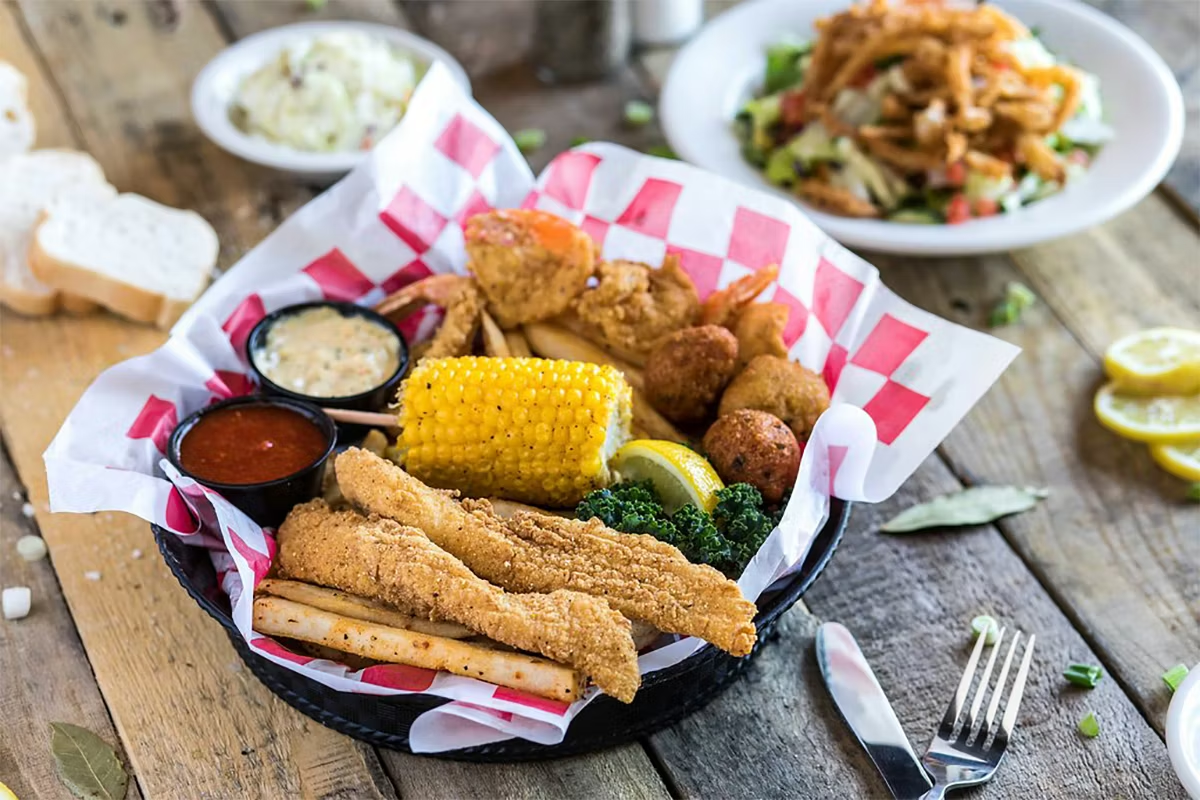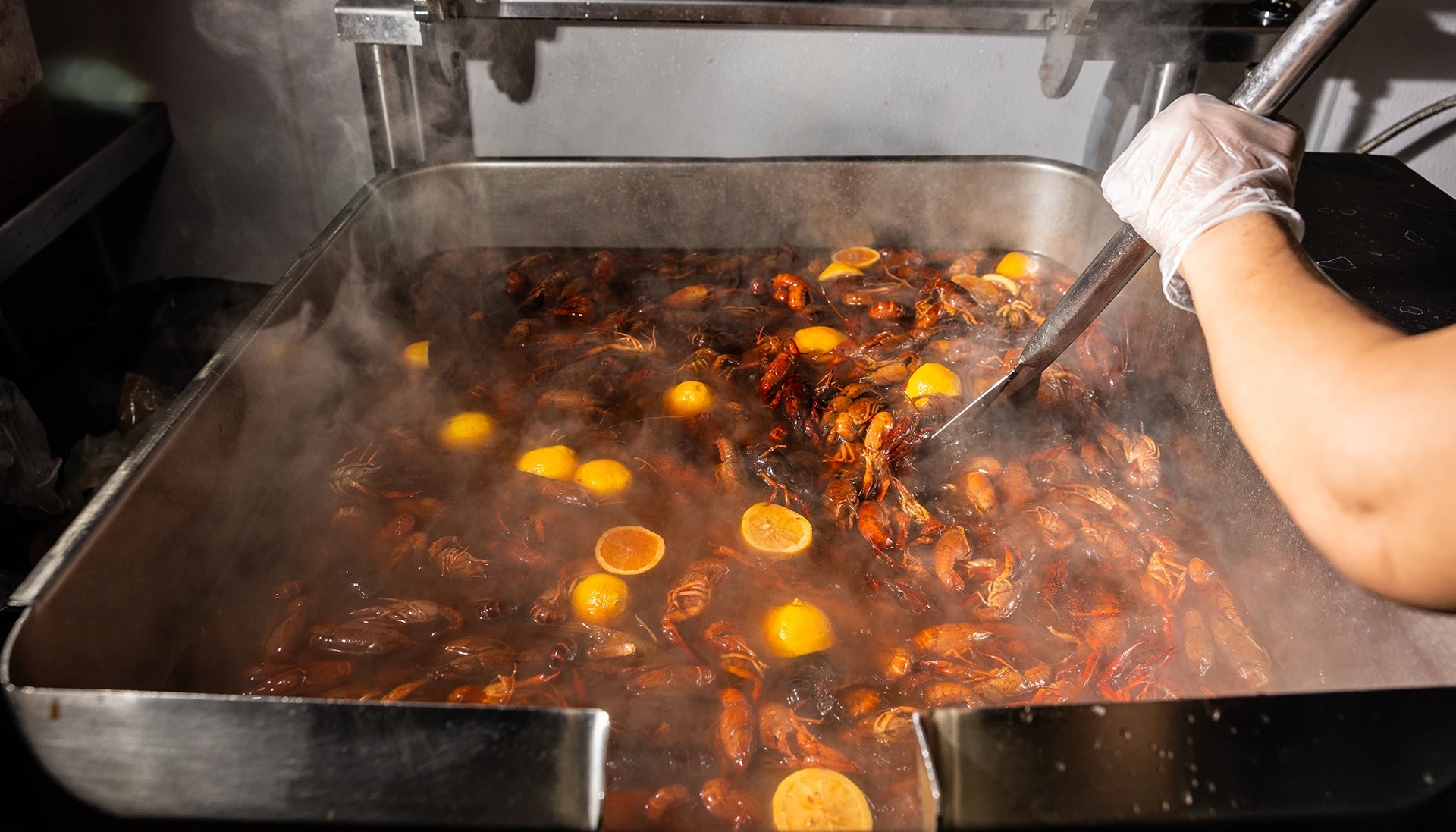
What a Great Boiled Seafood Spread Actually Looks Like
You want the table to smell like salt, smoke, and lemon, and you want everyone reaching across it without hesitation. Set long butcher paper, bring steaming pots, and line up platters heaped with corn, potatoes, sausage, and shellfish glossed in lemon‑herb butter. Include bold Cajun flavors and the rustic charm of Cajun cuisine so that the spread feels authentic and lively. Get the napkins and tongs ready, then keep going—there’s a simple checklist and timing trick that makes the whole seafood boil effortless. Razzoo’s Cajun Cafe captures this convivial, spicy spirit of a proper Cajun seafood feast.
What Your Boil Should Deliver: Flavor, Pace, Vibe
A good boil should deliver bold, layered flavor while maintaining a lively pace from start to finish and creating a relaxed, communal vibe that invites everyone to dig in.
The seasoning should hit immediately and evolve as juices mingle, with citrus brightness, smoky paprika, garlic depth, and a background heat that doesn’t overwhelm.
Cook times should be staggered so shrimp from Cajun seafood boils stay tender, corn stays sweet, and potatoes hold their shape. The pot shouldn’t be crowded, and stages shouldn’t be rushed.
An easy rhythm—pouring, draining, and spreading—allows people to gather without rigid timing.
Presentation matters, with piles on butcher paper, simple tools, and plenty of napkins enhancing the experience. When flavor, pace, and vibe align, the meal takes on the energy of true Cajun cuisine served in a lively Cajun restaurant.
Quick Checklist & Timeline to Pull Off a Seafood Boil
Now that you have the flavor, pace, and vibe sorted, here is a compact checklist and timeline to execute a seafood boil without stress. Confirm headcount and dietary needs three to seven days ahead so you can plan quantities for the Cajun cuisine elements and any seafood allergies.
Two days before the event, shop for live shellfish, sausage, corn, potatoes, seasoning, and ice to ensure everything for your Cajun food boil is fresh.
The night before, thaw frozen items in the refrigerator and prepare the spice mix, butter sauce, and foil packets to streamline cooking on the day.
On the event day, set up the propane burner and a long table and arrange utensils, bibs, paper, trash bins, and serving vessels ninety minutes before guests arrive so the Cajun restaurant–style presentation feels effortless.
Begin cooking potatoes and corn forty-five minutes before guests will eat to allow them time to become tender. Add sausage about twenty minutes later so it finishes closer to serving time. Add shellfish last, since seafood cooks quickly and benefits from a brief boil.
Allow the pot contents to rest for five minutes after cooking, drain them, toss everything in the butter sauce, and serve the Cajun-style seafood family-style while hot.
Choose Shellfish: Crowd-Pleasers vs Showstoppers
A few reliable shellfish choices will please most crowds, while a couple of showstoppers can make your seafood boil memorable, so pick based on taste, prep time, and budget. Shrimp and mussels are staples in Cajun cuisine because they cook quickly, travel well, and suit varied palates.
Clams or littlenecks add a briny contrast without requiring fancy prep, which complements the bold flavors of Cajun food. For heft, crab legs or lobster tails serve as showstoppers that look impressive and feel indulgent, although they raise costs and demand slightly more handling.
Decide whether to serve shellfish whole or shelled, since whole shellfish creates theatrics while shelled options make eating easier for guests. If you expect picky eaters, include at least one neutral option such as peeled shrimp so everyone can find something to enjoy.
Finally, balance textures and flavors across the spread to reflect the richness of Cajun restaurant-style seafood and ensure every guest finds something they’ll happily eat.
Plan Quantities & Timing for a Hot, Coordinated Service
When you’re feeding a crowd, plan portions and cooks’ timing so that everything hits the table hot and in sync.
For mixed shellfish in Cajun cuisine, estimate one to one and a half pounds per adult and increase the amount to two pounds or more if side dishes are light.
Break totals into batches based on pot capacity and cooking windows, because shrimp and clams finish in minutes while crab and lobster take longer.
Stagger starts so that the longer items begin first and quicker-cooking seafood is added near the end.
Assign one person to time boils and another to drain and season so nothing sits soggy.
Keep a brief checklist that includes guest count, pot sizes, batch counts, start times, and plating order.
Communicate the timeline aloud during service so everyone in the Cajun restaurant or home kitchen executes the plan without guesswork.
Equipment & Setup: Pots, Burners, Tables, and Tools
Set up pots, burners, tables, and tools so your boil runs smoothly and safely when preparing Cajun food. Choose heavy-duty stockpots that match your burner output to suit the demands of Cajun cuisine and seafood boils. Position burners with clear access for draining and lay out prep and serving tables to keep wet and hot zones separate in a busy Cajun restaurant or home kitchen.
Select burners rated for the pot size to provide even heat and stable support, and saddle larger pots on dual-burner stands when necessary. Provide a sturdy draining station using a ring or colander set over a heatproof tub, and maintain clear sight lines for pouring during seafood boils.
Arrange workstations left to right to create an efficient flow through prep, cook, drain, and serve stages for Cajun dishes. Stock long-handled skimmers, tongs, heatproof gloves, and multiple ladles to handle large-volume cooking common in Cajun cuisine.
Keep spare propane or fuel nearby and have a fire extinguisher and first-aid kit available in the kitchen. Label zones and sweep for trip hazards to maintain a safe environment for preparing Cajun food and seafood.
Build the Seasoning Base and Set Heat Levels
Now that the pots, burners, and workstations are ready, focus on building a seasoning base and dialing in heat so flavors can develop properly as the boil begins.
Start with cold water, kosher salt, and aromatics such as halved onions, crushed garlic, bay leaves, and peppercorns to create depth in the broth. Add your chosen spice blend or crab boil mix sparingly at first, since it’s easier to intensify the seasoning later.
Bring the pot to a vigorous rolling boil and then reduce to a steady, strong simmer that will crack shells without shredding meat.
Taste the liquid after a quick chill and adjust salt, acid, or heat by adding lemon, vinegar, cayenne, or smoked paprika to suit the profile of a Cajun cuisine or seafood boil.
Keep heat controllable so you can raise it to finish cooking or lower it to maintain a gentle simmer for a restaurant-quality Cajun food preparation.
Vegetables & Starches to Cook in the Pot : and Sides to Serve
Although you build deep flavors in the broth, you should reserve space and timing for vegetables and starches that soak up the spice, such as corn on the cob, fingerling or red potatoes, and whole shallots or halved onions.
Potatoes are added early so they soften without falling apart, while corn joins later to remain crisp-tender. You can toss in artichoke halves, mushrooms, or chunks of squash for variety, and it’s better to stagger cook times rather than overcrowd the pot.
These vegetable and starch choices pair naturally with Cajun cuisine and seafood boils served in a casual Cajun restaurant setting.
For sides, crusty bread is ideal to mop up flavorful juices, a simple green salad refreshes the palate, and pickled vegetables cut through richness. Offer lemon wedges and extra melted butter so guests can customize each bite.
Easy Finishing Touches: Compound Butter, Dips, and Garnishes
When your seafood comes off the heat, reach for a few quick finishing touches such as compound butters, bright dipping sauces, and fresh garnishes to lift every bite.
Slice a cold herb butter studded with lemon zest, minced garlic, and chives and let it melt over hot crab legs and shrimp for instant gloss and flavor.
Whip up quick sauces like a mayonnaise-based aioli with smoked paprika, a vinegary shallot mignonette, or a chili-lime crema to provide contrast to the briny sweetness.
Simple garnishes such as lemon wedges, chopped parsley, sliced scallions, and flaky sea salt allow guests to customize their plates.
These modest additions take boiled seafood from good to memorable while preserving the delicate flavors prized in Cajun cuisine and many seafood-focused restaurants.
Drinks & Sides to Balance Richness and Salt
If you want drinks and sides that cut through shellfish richness and brininess, pair bright, acidic wines such as chilled sauvignon blanc or a crisp unoaked chardonnay to cleanse the palate between bites. Sparkling wine or a lemony hard seltzer adds effervescence that lifts oily textures common in seafood dishes. For nonalcoholic options, iced green tea with a squeeze of citrus or sparkling water with cucumber keeps the meal invigorating.
Simple, crunchy sides complement Cajun cuisine by providing acid and textural contrast, so a fennel-citrus slaw, a tangy vinegar coleslaw, or pickled vegetables work well. Boiled potatoes or crusty bread can be served sparingly to soak up juices without overwhelming the plate at a Cajun restaurant. Lemon wedges, an herbed yogurt sauce, and a light mustard vinaigrette allow guests to tailor acidity and cut salt in rich seafood preparations.
Serving Rituals, Mess Control, and Common Fixes
If you want to enjoy a communal Cajun boil without drowning in shells and spice, set up a clear serving ritual by covering the table with butcher paper, placing communal bins for shells and wet wipes at each end, and giving each guest a small plate for picked meat and a finger bowl with lemon water.
You should keep tongs, shell crackers, and nut picks within reach, and provide labeled bowls for discarded bones and shells.
It helps to have extra paper towels and a hand-sanitizer pump handy.
To control mess at a Cajun restaurant-style gathering, serve proteins in staggered rounds so the table doesn’t overflow and replenish sides in small batches.
Common fixes for problems in Cajun cuisine include diluting an over-salty broth with stock, water, or a potato, rescuing bland spice with melted butter mixed with cayenne, and reheating gently to avoid rubbery shrimp.