The Role Hospitality Plays in Cajun Culture
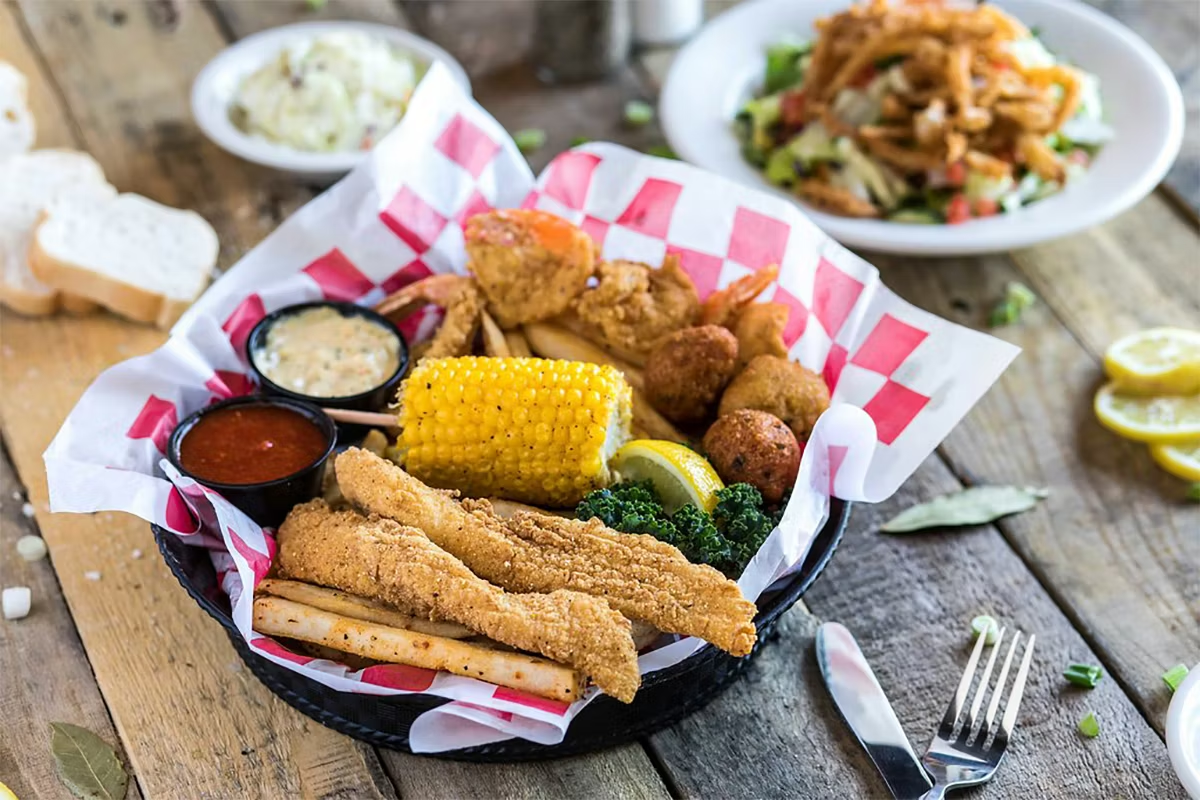
When you walk into a Cajun home, someone will offer you gumbo, a chair, and a story before you even ask for anything. Hospitality in Cajun culture is not just polite; it is practical, with neighbors trading food, tools, and work after storms. The rituals, language, and sharing of crawfish and other seafood draw newcomers into the circle and reinforce community bonds. Keep your manners and listen to the music, and you will notice how everyday acts around Cajun cuisine and gatherings hold a community together. I remember seeing the same spirit at Razzoo’s Cajun Cafe, where the food and atmosphere reflect that communal warmth.
Roots of Cajun Hospitality: How Acadian Exile Created Communal Care
When the Acadians were expelled from Nova Scotia in the 18th century, they’d to rebuild lives on unfamiliar bayous and prairies, and from that struggle they forged a culture of mutual care that still guides Cajun hospitality today.
People inherited practices born of necessity, such as sharing harvests, swapping tools, and opening homes when storms or illness struck. Families learned to cook Cajun food and seafood dishes for a crowd because neighbors might arrive unannounced, and they passed down recipes that stretched provisions without wasting.
Communal work—building cabins and clearing fields—became social glue, and reciprocal favors established credit beyond money. Hospitality in this context wasn’t charity but survival turned ethic, and participation in a network that balanced independence with interdependence kept people fed, sheltered, and connected through everyday acts and the shared pleasures of Cajun cuisine in the home or at a local Cajun restaurant.
Language & Storytelling: Keeping Cajun French and Memory Alive
Because Cajun French carries the rhythms of everyday life, it does more than name things and keeps memories, jokes, prayers, recipes, and seafood traditions alive across generations.
You hear elders tuck history into casual phrases as they recall meals at a Cajun restaurant or the sensations of home-cooked Cajun cuisine, passing local customs and warnings without fanfare.
When you listen, stories surface that explain why fields are tended a certain way, why certain blessings are spoken, and why a particular saying eases grief.
Speaking Cajun French binds you to kin and neighbors and signals welcome, shared knowledge, and the recipes behind the community’s favorite seafood boils.
You learn idioms that compress long experiences into few words, and those compact lessons guide behavior during hard times.
Cajun Gatherings: Meals, Music, and Neighborly Rituals
If you step into a Cajun gathering, you’ll find meals, music, and neighborly rituals braided together so tightly that they become a single living practice. People spoon gumbo and other Cajun cuisine onto paper plates while fiddles set the pace and elders call out instructions for folding a tablecloth or passing the hot sauce.
You slip into a circle where conversation flows like the music: call-and-response, quick jokes, and shared stories that stitch newcomers into the group. You help without ceremony by stacking chairs, stirring beans, and lifting a cooler, and your contribution is noticed.
Dances begin with a nod, and songs invite you to join. Children learn roles by watching, and quarrels smooth out over coffee. In these gatherings, Cajun hospitality is practical, immediate, and felt in every shared rhythm.
Table Etiquette at Crawfish Boils (What to Expect)
Though the spread looks casual, crawfish boils follow a few unspoken rules you’ll want to know.
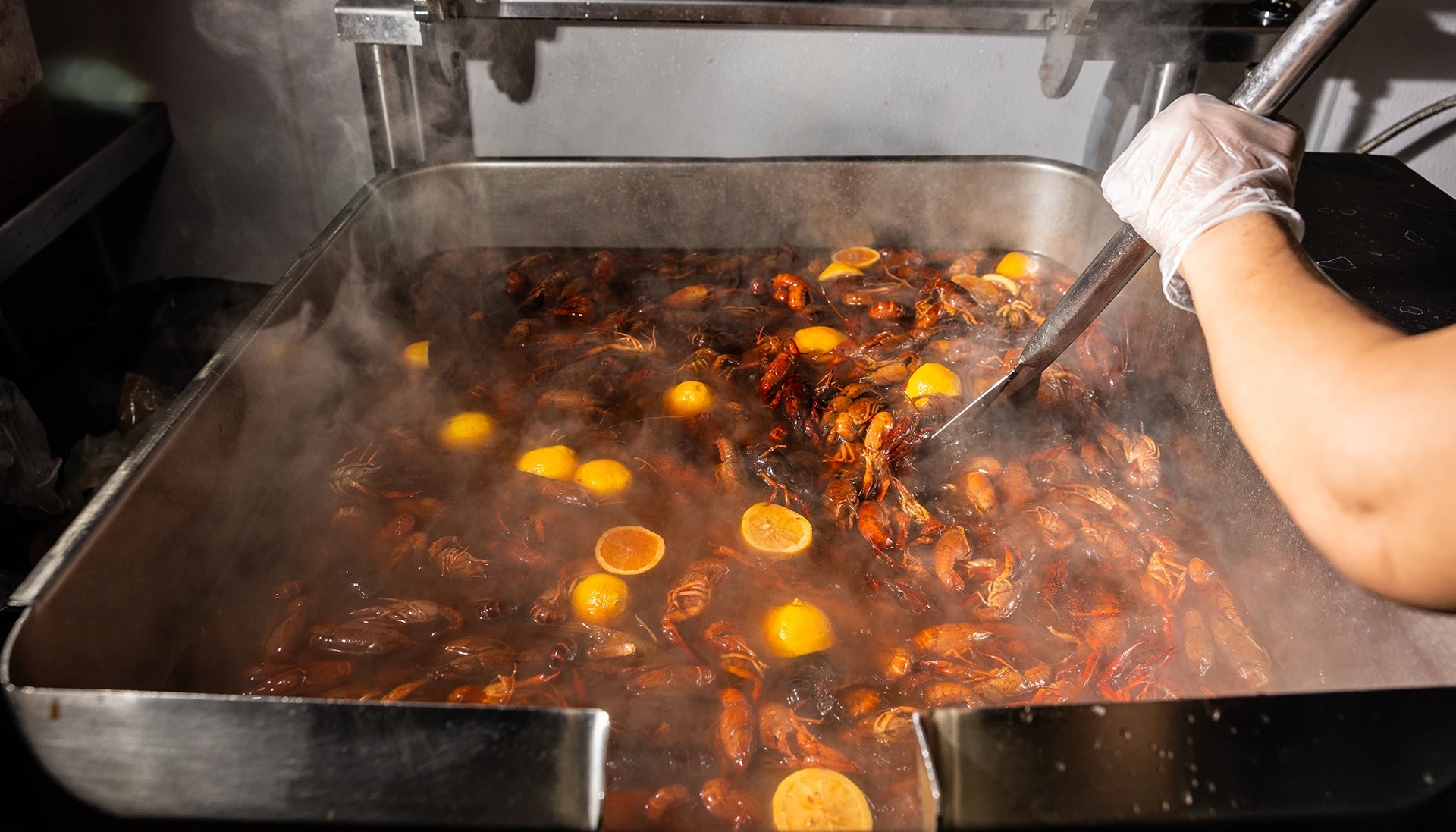
Guests usually grab a newspaper-lined table and peel at the table instead of elsewhere, keeping their pile of shells out of the way. You should arrive ready to dig in and bring a willingness to share food and conversation when enjoying Cajun cuisine or seafood. People commonly use the communal bowls and sauces, offer a squeeze of lemon or extra napkins, and pass dishes rather than reaching across someone.
If someone offers a beer or more crawfish, it’s polite to accept or to decline gently since an outright refusal can feel blunt. Diners eat with their hands while avoiding loud, sloppy gestures.
When the meal is finished, it’s customary to tidy your area, stack newspapers, and thank the host because hospitality centers on respect and reciprocity.
Music and Dance as Invitations to Community
Step into a dance hall or pull up a chair at a house party, and the music pulls you into the circle. Cajun and Zydeco tunes do more than entertain; they extend an invitation. You feel rhythms guiding your feet, and someone offers a hand or a smile to welcome you into a two-step or a waltz.
Musicians call out familiar tunes and stories that connect neighbors and newcomers, while accordions and fiddles set a pulse everyone recognizes. You learn steps by watching, joining when you’re ready, and sharing space with generations.
Dance breaks down formality, turning strangers into partners and hosts into companions. The hospitality in these gatherings is both audible and kinetic, and the same spirit often accompanies plates of Cajun food and seafood served at nearby tables.
A Cajun restaurant or a family kitchen can carry the same warmth and invitation as the music, and Cajun cuisine helps keep the community moving together.
How Neighbors Pitch In After Storms: Sharing Food, Labor, and Shelter
The same welcoming energy you feel on the dance floor carries into the aftermath of a storm, when neighbors show up with pots of gumbo and other Cajun cuisine, chainsaws, and open sofas. You’ll find hot Cajun food passed door to door so families don’t worry about meals while they clear debris.
Folks organize chainsaw brigades and roof tarping crews, trading labor hour for hour so damage gets addressed quickly. Someone turns a living room into temporary housing, and others bring mattresses, blankets, and quiet companionship.
You’re offered tools, a warm meal, and elbow grease without asking, and repayment is rarely demanded. This shared response isn’t just practical aid but a cultural contract in which you help when you can and accept help with dignity when you need it.
How Visitors Should Respect Cajun Hospitality
When you visit Cajun communities, pay attention and accept invitations graciously because people offer food, help, and conversation as a sign of goodwill rather than as an obligation you must immediately reciprocate.
Guests should observe customs such as removing shoes if asked, waiting for hosts to start meals, and returning polite greetings. You should taste Cajun food and seafood dishes even if you’re unsure, compliment sincerely, and avoid critiquing family recipes. Offer thanks and help with clearing plates when appropriate while respecting private rituals or storytelling by listening without interrupting.
Ask before photographing people or homes and bring a small token when invited into a home only if it feels right. Hosts should never be pressured to join tourist activities, and your humility and attentiveness will show respect for Cajun hospitality and community values.
Modern Changes to Cajun Hospitality: Urbanization, Festivals, and the Future
Respecting traditional hospitality prepares you to notice how Cajun social life is shifting as people move to cities, festivals grow, and younger generations blend old and new practices.
Communal meals are being recreated in urban apartments, potlucks sometimes give way to pop-up dinners, and elders offer recipes while younger cooks add new twists to Cajun cuisine and seafood dishes.
Festivals amplify hospitality by inviting outsiders to share Cajun food, music, and dance, and those events also have the power to commercialize rituals even as they celebrate cultural richness.
Technology keeps connections alive because social media spreads event news and preserves stories, but it can also flatten context and obscure the deeper meanings behind traditions.
Looking ahead, sustainable hospitality is supported when people learn local etiquette, buy local ingredients for Cajun restaurant menus and home kitchens, and prioritize genuine exchange over spectacle so that Cajun warmth endures in changing places.