The Lasting Appeal of Cajun Cuisine
You have probably tasted Cajun food and felt both comfort and surprise at once. Simple ingredients become rich and soulful through a slow roux, a sizzling trinity, and backyard boils. Cajun cuisine is practical, proudly local, and always ready to adapt when kitchens or seasons change. Razzoo’s Cajun Cafe reflects those humble techniques, ingredients, and gatherings that keep Cajun cuisine and seafood traditions alive and evolving.
What Is Cajun Cuisine and Where It Came From
When you taste Cajun cuisine, you’re biting into a food tradition born from survival and creativity. French-speaking Acadian settlers adapted their cooking on Louisiana’s bayous by using local ingredients such as shellfish, pork, rice, and peppers, and by employing bold seasoning to stretch what they’d into satisfying meals.
Cajun food is recognizable by its rustic, resourceful nature, with one-pot boils, hearty stews, and simple preparations that highlight available ingredients. The cuisine is regional and rooted in family, passed down through hands that cooked for work and celebration alike.
Improvisation is common in Cajun cooking, with game, seasonal vegetables, or preserved items substituted as needed, so dishes vary by parish and household. When you dine at a Cajun restaurant or savor Cajun seafood at home, you’re tasting history: survival strategies turned into a flavorful culinary identity that’s both practical and soulful.
Three Flavor Pillars: Roux, Holy Trinity, Spice
Cajun cuisine builds its flavors on three core pillars: a deeply browned roux for body and color, the "holy trinity" of onions, bell peppers, and celery for a savory foundation, and a thoughtful use of spice to provide heat and nuance.
In many Cajun dishes and at a Cajun restaurant, cooks coax a roux slowly, watching the color deepen and the aroma shift as it thickens sauces and ties ingredients together. Chefs sweat the holy trinity until it softens, releasing layered sweetness and vegetal depth that anchors soups, stews, and seafood preparations. Seasonings such as cayenne, black pepper, and regional blends add warmth while remaining balanced so the other elements can shine.
Together these pillars create Cajun food that feels rustic yet deliberate, with humble ingredients elevated by technique and restraint.
How Local Ingredients Shaped Cajun Food
Cajun food often reads like a map of the local larder, with swamp and bayou, farmland and coast supplying what cooks had on hand. Cooks use crawfish, shrimp, and oysters because those seafoods are abundant, and they stretch proteins with pork, smoked ham, and game when the seasons demand it.
Rice, corn, and root vegetables that store well through wet winters form the backbone of many Cajun dishes. Wild greens, okra, and peppers from backyard plots are turned into hearty stews and sides that make the most of modest yields.
Preservation with salt, smoke, and fermentation helped bridge harvest gaps and keep flavors consistent. The practical need to adapt quickly when the catch or crop changes shaped Cajun cuisine into something bold, resourceful, and rooted in what’s nearby and available.
How French, African, Native American & Spanish Traditions Shaped Dishes
Local ingredients shaped Cajun cooking, while the flavors came from a blend of culinary traditions brought by peoples across centuries.
You taste French technique in roux and braising, which bring richness and structure to gumbos and étouffées in Cajun cuisine.
African influence appears in one-pot cooking, bold spices, and the use of okra to thicken stews, adding economy and depth to seafood and other dishes.
Native American contributions include smoking, drying, and the use of wild game and indigenous vegetables, which connect Cajun food to place.
Spanish and Caribbean touches contribute sofrito-like bases, peppers, and the interplay with tomatoes, pushing heat and brightness in the flavors served at a Cajun restaurant.
Together these traditions created an adaptable cuisine that combines methods and ingredients to make intensely flavored food that feels both familiar and new.
Rustic Techniques: Why Cajun Cooking Endures
Dig into Cajun cooking and you’ll find hands-on techniques such as smoking, low-and-slow braising, one-pot stews, and a dark roux that keep flavors concentrated and meals resilient. Cajun cuisine builds depth with few ingredients, as cooks render fat slowly, sweat aromatics until fragrant, and brown proteins to develop Maillard complexity.
The approach to Cajun food relies on basic tools like a cast-iron pot, a sturdy spoon, and an outdoor smoker, and on methods that tolerate variability in harvests and pantry staples. Long cooking times turn tough cuts tender while a dark roux both thickens dishes and imparts a nutty warmth.
These approaches help conserve resources, stretch modest catches of seafood, and produce reliable, transportable meals for a Cajun restaurant or home table. Practicing these techniques teaches patience, improvisation, and a respect for seasonality that keeps Cajun cooking alive.
Classic Cajun Dishes to Know and Try
Stew, smoke, and spice define the classic Cajun dishes you’ll want to try when exploring Cajun cuisine.
Gumbo offers a deep, roux-driven richness and is often studded with sausage, seafood, or chicken while being thickened to satisfy. Jambalaya provides a one-pot melody of rice with tomatoes in Creole variations or pure Cajun spice paired with whatever proteins you prefer.
Boudin presents a compact, savory surprise with rice, pork, and herbs stuffed into casings and either grilled or steamed. Étouffée showcases shellfish bathed in a butter-and-roux sauce that clings to rice.
Blackened fish arrives with a charred, spice-crusted exterior that highlights robust seasoning. Po’boys feature crispy fried seafood or roast beef tucked into French bread with simple dressings that complement the fillings.
Each of these dishes reflects Cajun resourcefulness and bold flavor found in Cajun food and many Cajun restaurants.
Signature Recipes You Can Make at Home
Try these approachable Cajun recipes at home to bring bold, smoky, and spicy flavors to your table without needing professional equipment or obscure ingredients.
Start with a simple shrimp étouffée, sautéing onions, bell pepper, and celery in butter before adding a light roux, tomatoes, stock, and plump shrimp, then finish the dish with parsley and a dash of hot sauce.
Make jambalaya by browning sausage and chicken and stirring in rice, tomatoes, stock, and Creole seasoning before simmering until tender.
Prepare blackened fish in a hot cast-iron skillet using a spice rub of paprika, cayenne, garlic, and thyme to showcase classic Cajun cuisine flavors.
Round out the meal with corn maque choux and a crusty baguette to complement seafood and hearty proteins.
These recipes highlight Cajun technique through bold seasoning, layered aromatics, and quick, high-heat cooking for reliably dramatic results.
Cajun Today: Vegetarian, Low‑Sodium, and Fusion Variations
Cajun cuisine has evolved with dietary trends and global tastes, embracing vegetarian swaps, lower-sodium approaches, and creative fusions while keeping its bold spirit intact.
In vegetarian versions of Cajun food, andouille can be replaced with smoked mushrooms or tempeh to mimic texture and smokiness, and vegetable stock combined with umami-rich ingredients can stand in for long-simmered meats.
When reducing sodium, fresh herbs, citrus, roasted garlic, smoked paprika, and peppery heat help preserve punch without excess salt.
Fusion bowls at a Cajun restaurant can mix Cajun spice with Asian, Latin, or Mediterranean elements, producing gumbo-style broths with miso, jambalaya rice with roasted peppers and harissa, or po’boys made with battered cauliflower.
These adaptations allow diners to enjoy Cajun flavors while meeting vegetarian, heart-healthy, or globally inspired preferences in seafood-free and seafood-inclusive dishes alike.
Food and Community: Celebrations, Storytelling, and Gatherings
Cajun food often sits at the center of gatherings where recipes, music, and stories are passed around like second helpings. People join hands to peel shrimp, stir a bubbling pot of gumbo, or flip cake-like boudin balls, and those shared tasks turn strangers into kin.
Elders recount harvests, river tales, or why a roux is stirred "just so," and listeners learn technique with a laugh. Food marks weddings, fais do‑dos, and Sunday suppers, anchoring language and memory within the community.
Guests carry recipes home on crumpled paper or in their heads, altering them slightly while honoring the original. In these moments, Cajun cuisine becomes a living archive that sustains identity, connection, and joy across generations.
Where to Taste Authentic Cajun Food Now
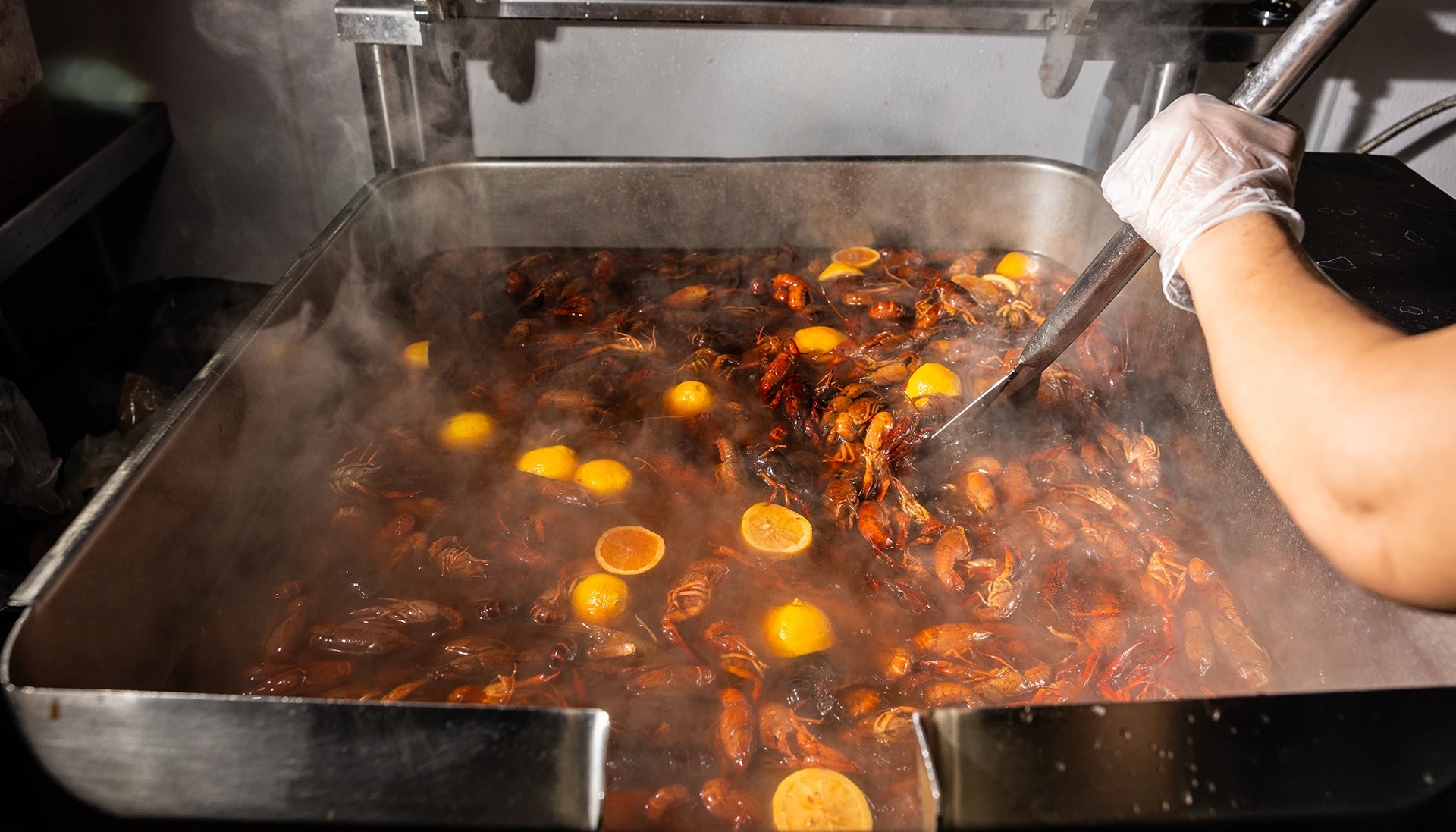
If you want the truest taste of Cajun cuisine, head to small towns, backyard crawfish boils, and family-run Cajun restaurants where recipes have been handed down for generations.
You’ll find gumbo simmering with dark roux, boudin and cracklins sold at roadside stands, and shrimp-and-grits plates that balance spice and comfort.
Visit weekly community fais do-dos or festivals to sample seasonal dishes and meet cooks who’ll share stories with your plate.
Don’t overlook market stalls and seafood docks where freshness shapes flavor.
If you can join a neighborhood boil, bring a pot, roll up your sleeves, and learn timing and seasoning from locals as you taste classic Cajun food.
You’ll leave with new favorites and a clearer sense of how place defines Cajun cuisine.