The Ingredients That Show Up in Cajun Food Again and Again
If you cook Cajun food, you already rely on a few key players that show up in almost every pot. In Cajun cuisine the holy trinity of onion, bell pepper, and celery forms the foundation of many dishes. Chefs build depth with a roux and a layer of aromatics before adding bold spices and hearty proteins such as crawfish, shrimp, or smoked sausage. There is more nuance behind each ingredient choice than first meets the eye, and small swaps can change the character of an entire seafood gumbo or étouffée. Razzoo’s Cajun Cafe has made these familiar flavors approachable for home cooks and restaurant diners alike.
What Makes a Dish “Cajun”? Key Ingredients and Flavor Principles
When you taste a true Cajun dish, you notice bold, layered flavors built from a few core elements. The holy trinity of onion, celery, and bell pepper provides a foundational aromatic base for Cajun food. Toasted spices such as cayenne and black pepper add heat and depth to Cajun cuisine.
Smoky orouille and other cured meats contribute savory, smoky notes that are common in a Cajun restaurant’s offerings. Rich stocks made from seafood, chicken, or pork lend body and umami to stews and sauces. Robust roux, often browned to a deep color, gives sauces their silky texture and adds complexity.
Spices are toasted early to bloom and release their full flavor potential. Shrimp, crab, and crawfish are used with care and often appear in seafood boils and étouffées. Rice and potatoes absorb sauces and help carry the dish, balancing intensity and texture.
Acidic touches such as vinegar and lemon brighten heavy plates and lift the overall flavor profile. Slow-simmered stocks and browned proteins create warmth and deepen the savory character of Cajun cuisine. The defining balance of these elements—heat, smoke, fat, and acid—creates the distinctive taste of Cajun food.
The Holy Trinity: Onions, Bell Pepper, Celery – How to Use Them
In the heart of every Cajun pot, the holy trinity of onion, bell pepper, and celery lays the flavor groundwork for Cajun cuisine.
You should chop each vegetable uniformly so they cook evenly, dicing smaller for quick sautés and larger for long simmering.
Sweat the vegetables gently in oil or butter without browning them until they become translucent and fragrant, which releases sweet, aromatic base notes that complement seafood and other proteins used in Cajun food.
You can adjust the ratios by dish, using more onion for sweetness, extra pepper for brightness, and additional celery for savory depth.
The trinity provides a flavorful beginning for soups, stews, jambalaya, and étouffée served at a Cajun restaurant or made at home, creating layered flavors that meld with spices and stock.
Reserve raw bits for garnish to add fresh crunch and color to finished plates.
Roux Basics: Making Gumbo’s Dark, Nutty Base
Start by toasting equal parts fat and flour over medium heat until the mixture turns a warm brown and smells nutty.
You’ll know the roux is ready when it darkens evenly and gives off a toasted aroma.
Keep the roux moving with a flat spatula or whisk so it browns uniformly and doesn’t burn.
Patience is key when developing the deep, nutty flavors that anchor Cajun cuisine and seafood stews.
Choose oil, lard, or clarified butter depending on the flavor you want and the smoke point required for your kitchen.
As the color deepens from blond to peanut to chocolate, the sauce gains richer, more complex notes while its thickening power decreases.
Cool and store any unused roux because it freezes well for future use in a Cajun restaurant or home kitchen.
When adding stock, do so gradually while stirring to incorporate it and avoid lumps.
A well-made roux provides the smoky, toasty depth essential to classic Cajun food and hearty gumbo.
Aromatics That Add Depth: Garlic, Shallots, Green Onions
Aromatics form the flavor backbone of Cajun cuisine, so garlic, shallots, and green onions are indispensable partners rather than afterthoughts.
In Cajun food, chefs often start by sweating shallots until they’re soft and translucent to create a sweet, oniony base without harshness. Minced garlic is typically added later so it can release pungent, savory oils without burning.
Chopped green onions are tossed in near the end to provide a bright, fresh bite and a mild sharpness that lifts stews, etouffées, jambalayas, and many seafood dishes. The amounts of each aromatic vary by dish, with more green onions used for lighter seafood plates and extra shallots for richer, roux-based sauces, and garlic kept controlled to avoid overpowering the other flavors.
Cajun Spice Backbone: Cayenne, Black Pepper, Paprika – How to Layer Them
Once the aromatics have built a savory base, it’s time to layer the spices that give Cajun food its signature kick: cayenne for heat, black pepper for bite, and paprika for color and mild sweetness.
A small amount of paprika can be added early to bloom its color without burning, which works well when preparing gumbo or other Cajun cuisine that will simmer for a long time.
Black pepper should be incorporated during cooking so it releases aromatic oils and helps anchor the savory notes in stews and seafood dishes served in a Cajun restaurant setting.
Most of the cayenne is best reserved until later to allow control over the heat level, starting modestly and increasing after tasting the dish.
When deglazing the pan or finishing a sauce, whisking in the remaining pinch of cayenne helps marry the spices with the sauce and completes the flavor profile for authentic Cajun seafood and other classic preparations.
Key Herbs: Bay Leaf, Thyme, Parsley – Timing and Substitutes
Layer the herbs carefully, because bay leaf, thyme, and parsley each play distinct roles in Cajun cooking and timing their addition guarantees the fullest flavor without bitterness or loss of freshness.
Add bay leaf early in simmering stocks, stews, or gumbo so its floral, slightly bitter oils can infuse slowly, and remove it before serving.
Use thyme, whether fresh or dried, during the main cooking phase, keeping stems in pots and adding leaves toward the end for brightness in Cajun cuisine.
Stir flat-leaf parsley in right at the finish or use it as a garnish to preserve its fresh, grassy note with seafood dishes.
If you lack bay, a small kaffir lime leaf or dried oregano can serve as a cautious substitute; replace thyme with marjoram or savory, and swap parsley for cilantro sparingly when seeking a different green lift in a Cajun food or Cajun restaurant-style preparation.
Staple Proteins: Andouille, Chicken, Shrimp – Uses and Swaps
Cajun food relies on bold spices but often gains much of its character from the proteins chosen: smoky andouille brings depth, tender chicken provides comfort, and sweet shrimp offers brine-forward brightness.
Andouille works well in gumbo, jambalaya, or simmered beans because it adds fat and a spicy, smoky backbone, and kielbasa or smoked chorizo can serve as substitutions when needed.
Roast or poach chicken for dishes such as étouffée, fricassee, and red beans, with boneless thighs remaining juicier while turkey can be used as a lighter alternative.
Shrimp should be added late in cooking to keep it plump, and when shrimp are unavailable, firm white fish or bay scallops can replace them in Creole recipes or seafood pasta dishes.
When making swaps in Cajun cuisine or in a Cajun restaurant kitchen, it’s important to match textures and cooking times to preserve the intended balance of the dish.
Cajun Seafood: Crabs, Oysters, Shrimp – Choosing and Prepping
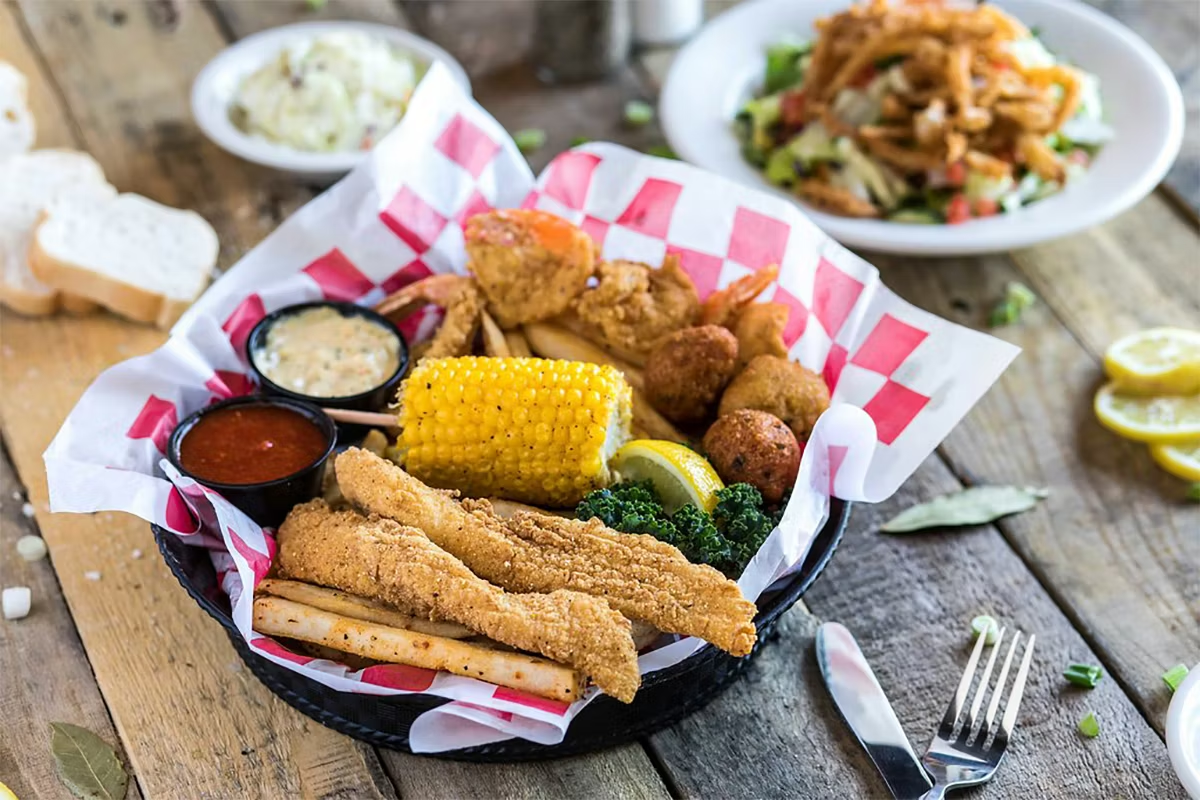
Choose your seafood with care, since fresh crabs, oysters, and shrimp each bring distinct textures and salt profiles that shape classic Cajun cuisine. Pick hard-shell blue crabs for robust meat and sweet flavor, choose soft-shell crabs for ease of eating, and select stone crabs when they’re available for their firm claws.
Choose oysters that smell briny rather than fishy, and serve them raw, charred, or poached in stews to highlight their flavor in Cajun food. For shrimp, opt for wild-caught when possible and select size based on cooking method, using jumbo shrimp for grilling and medium shrimp for dishes such as étouffée.
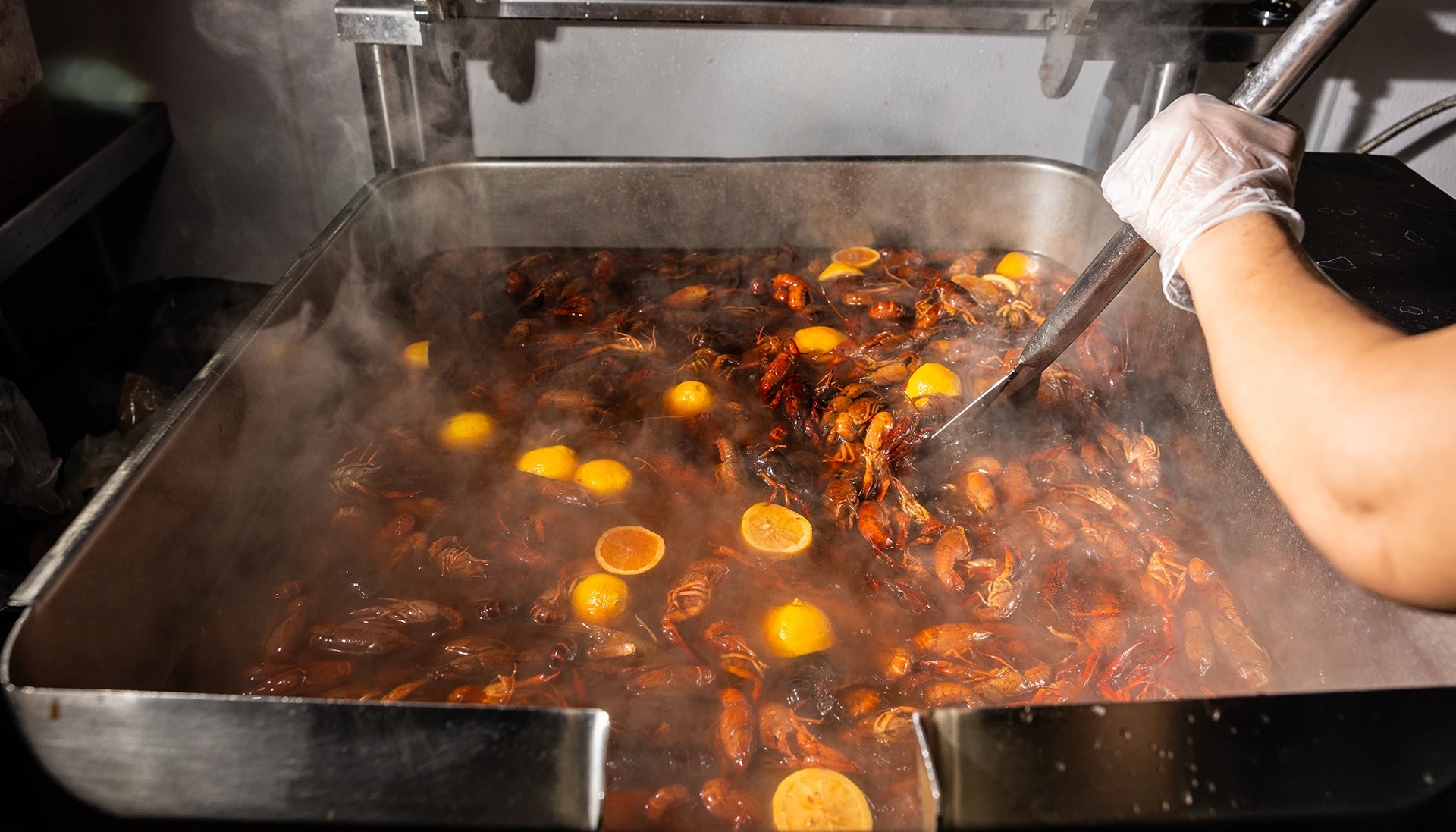
Rinse shellfish briefly, keep them cold, and purge sand from oysters or clams when needed to preserve quality for a Cajun restaurant–style meal. Peel shrimp while leaving the tails on for presentation, and par-cook crab to lock in texture before finishing it in gumbos or boils.
Vegetables & Legumes: Okra, Tomatoes, Red Beans – Texture and Function
Think about how okra, tomatoes, and red beans each play a precise role in Cajun dishes: okra thickens and adds a slippery, vegetal bite, tomatoes bring acidity and body, and red beans lend creamy heft and smoky, savory depth.
You’ll use okra to bind stews and gumbo, as its mucilage smooths sauces while contributing fresh green flavor. Tomatoes balance richness and brighten rice dishes, sauces, and étouffées with both liquid and umami.
Red beans build substance; when mashed slightly they turn broths velvety, and when left whole they provide tooth and contrast. When combined, textures layer into a pleasing mix of slick okra, plump beans, and yielding tomato flesh, so each spoonful feels complete.
The goal in Cajun cuisine and in a Cajun restaurant setting is harmony rather than dominance, with each ingredient supporting the others in seafood stews, rice plates, and other regional specialties.
Pantry Tips for Authentic Cajun Flavor: Buying, Storing, and Substitutions
When you stock a Cajun pantry, focus on a handful of durable staples such as the holy trinity of vegetables—onion, celery, and bell pepper—along with home-ground or quality pre-mixed spices, canned tomatoes, dried red beans, okra (fresh or frozen), and seafood-friendly stocks so you can layer authentic flavors without last-minute compromises.
Buying whole spices and toasting and grinding them produces a brighter flavor that enhances Cajun cuisine, and storing them in airtight jars away from light preserves that freshness.
Choosing smoked paprika and cayenne instead of blends labeled simply "hot" brings a more characteristic smoky heat to dishes common in Cajun food.
Keeping dried beans cool and using a vacuum seal or the freezer extends their life for use in later gumbo or red beans and rice.
Freezing leftover stock in portions makes it easier to add depth to seafood broths and stews when cooking Cajun restaurant–style meals at home.
Frozen okra tends to retain texture better than late-season fresh okra, which helps maintain quality in gumbos.
You can substitute andouille with smoked sausage, or replace chicken stock with seafood stock plus a touch of fish sauce to add complexity to Cajun seafood preparations.