The Appeal of Boiled Seafood for Group Dinners
You’ll find boiled seafood is one of the easiest ways to feed a crowd while keeping things social and relaxed. It turns a meal into a shared, hands‑on experience and stretches pricier seafood with potatoes and sausage, which makes it easy to introduce elements of Cajun cuisine without breaking the bank. Moving the boil outdoors helps keep smells and steam from taking over your house, and the lively, communal feel of a Cajun food spread keeps conversation flowing. There is practical prep and timing to nail if you want service to be smooth and guests to stay comfortable, and many people take inspiration from restaurants like Razzoo’s Cajun Cafe when planning menus and flavor profiles.
When a Seafood Boil Works Best
A seafood boil is the go-to choice when you want a casual, social meal that’s easy to scale. It works especially well for backyard gatherings, beach days, or porch parties where low-fuss cooking still feels festive.
A boil suits mixed groups with varied tastes because it lets everyone pick what they like without formal place settings. The method is ideal when prep time is limited but big flavor is desired, since seasoning goes into one pot and most ingredients cook together.
Cajun cuisine shines in this format, bringing bold spices and communal dining that encourage guests to mingle. The meal also accommodates dietary needs, as you can add more corn and potatoes for vegetable options or adjust spice levels for children.
A seafood boil highlights the social side of Cajun food and provides a simple, communal centerpiece for any casual gathering.
Seafood Boil Portions & Choosing Seafood for a Crowd
Plan portions carefully so everyone gets enough without wasting money or food. You should estimate about 1 to 1.5 pounds of mixed seafood per adult when you include mussels, clams, shrimp, and crab legs. When you serve large portions of meatier items such as lobster or king crab, reduce the estimate to 0.75–1 pound per adult. Count children as half portions.
You can balance pricier shellfish with economical staples like potatoes, corn, and smoked sausage to stretch the meal and satisfy appetites. Ordering a variety helps picky eaters find something they like, so offer both peeled shrimp and whole-shell options. You should factor in dietary restrictions and shellfish allergies up front.
Buy fresh seafood when possible or choose frozen options from sustainably sourced suppliers, and plan thawing and storage to keep quality high. The flavors of Cajun food and Cajun cuisine pair well with a generous seafood boil, and a visit to a Cajun restaurant can provide inspiration for seasoning and sides.
Equipment & Setup: Pots, Burners, and Cleanup
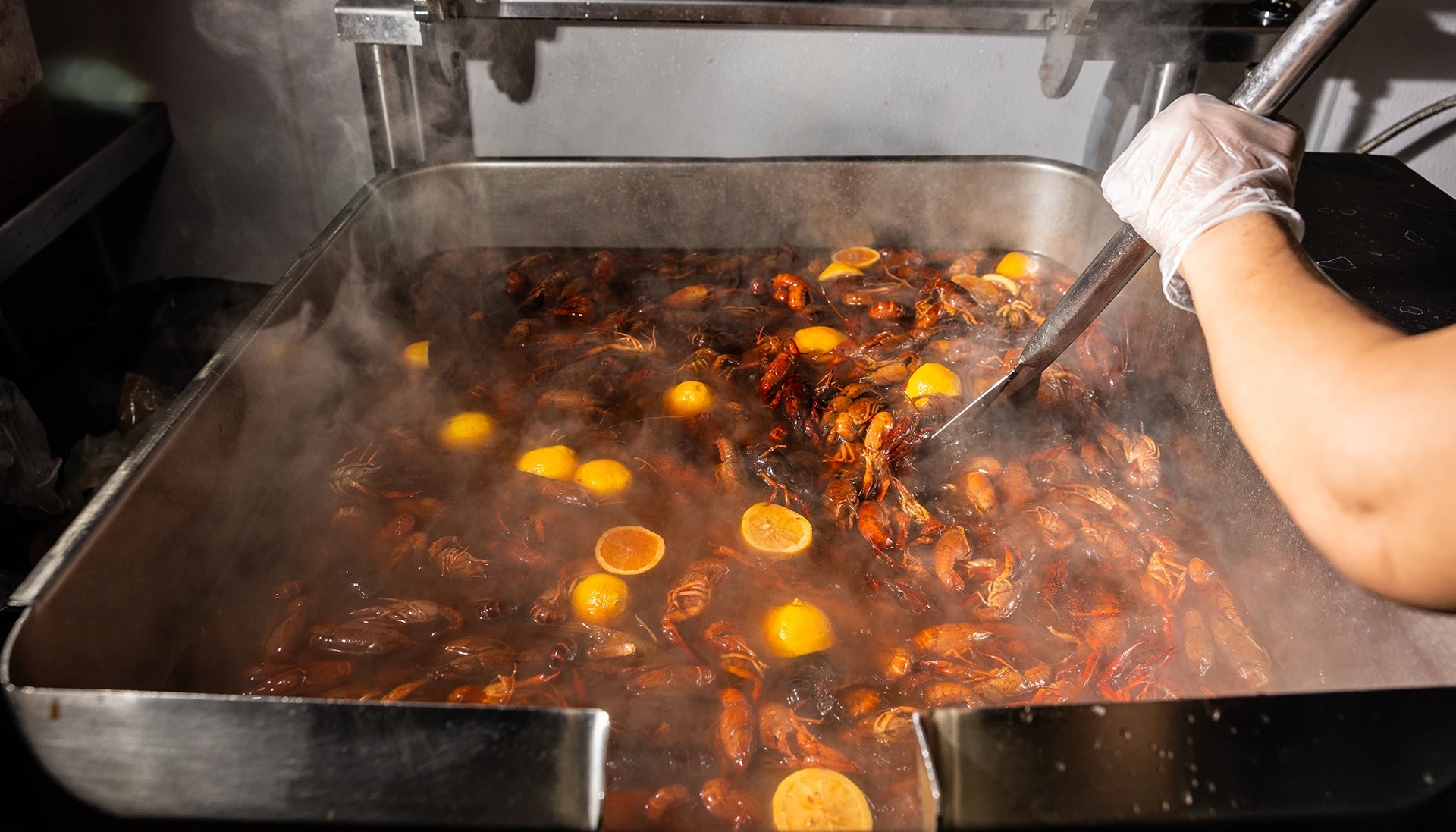
Now that you have settled portion sizes and seafood choices, it’s time to get gear and layout nailed so the boil runs smoothly. Choose a large, sturdy pot—at least 60 quarts for 12–15 people—or use a smaller one for each batch. Use a propane burner with wind guards outdoors, since electric ranges can slow you down. Include a perforated basket or insert for easy lifts and bring a long-handled skimmer and tongs for transfers.
Set up distinct stations for cooking, serving, and trash and waste. Cover your table with kraft paper or a disposable tablecloth to simplify cleanup. Keep trash bins and a separate bucket for shells within easy reach. Bring heavy-duty gloves and position a hose or a large sink nearby for quick rinses.
Make plans for grease disposal and recycling that respect local rules and protect the environment.
This equipment and setup will support a seafood-focused Cajun cuisine boil and help recreate the lively atmosphere of Cajun food gatherings or a casual Cajun restaurant experience at home.
Seasoning Mixes and Adjustable Spice Levels
Because everyone at the table tolerates heat differently, build a flexible seasoning approach that layers flavor and lets diners adjust spice levels on the fly.
Start with a well-balanced base blend of salt, paprika, garlic powder, onion powder, and celery seed to give savory depth without overwhelming heat. Keep concentrated hot elements such as cayenne, crushed red pepper, hot sauce, and chili oil separate so they can be added as desired.
Offer measured additions at the table so guests can customize their portions while enjoying Cajun cuisine or seafood dishes.
For milder palates, provide lemon wedges, butter, and a herb medley of parsley and thyme to brighten and soften spice.
Label jars or small bowls clearly and include a neutral dipping sauce to tame heat for those who prefer less intensity. This approach helps a Cajun restaurant serve a range of spice preferences without redoing entire batches.
Boil Timeline for Smooth Service (Quick-Start Checklist)
Start with a clear timeline to keep service moving smoothly in a Cajun restaurant setting. Map out when to light the burners, bring the seafood stock to a rolling boil, add aromatics, and stagger shellfish and vegetables so everything finishes at peak doneness.
First, note the service time and work backwards; preheat the stock 30–40 minutes before guests arrive. At T-minus 25 minutes, add aromatics and potatoes because they need longer. At T-minus 12 minutes, add corn and firmer sausages to the pot. At T-minus 6–8 minutes, add shrimp and mussels for optimal texture. At T-minus 4 minutes, add delicate clams and littlenecks so they don’t overcook.
Use timers for each batch and assign one person to monitor the pots to maintain consistency in the Cajun cuisine. Keep a spare pot on a low burner for reheats and label cooked versus raw trays while communicating the timeline to helpers so the team stays coordinated.
Serving, Sides, Sauces, and Drink Pairings
With a hot pot drained and spread on butcher paper, the presentation highlights the seafood and evokes the communal feel of Cajun cuisine. Guests gather around communal piles of shrimp, crab, and crawfish, using gloves, picks, and plenty of napkins as they dig in.
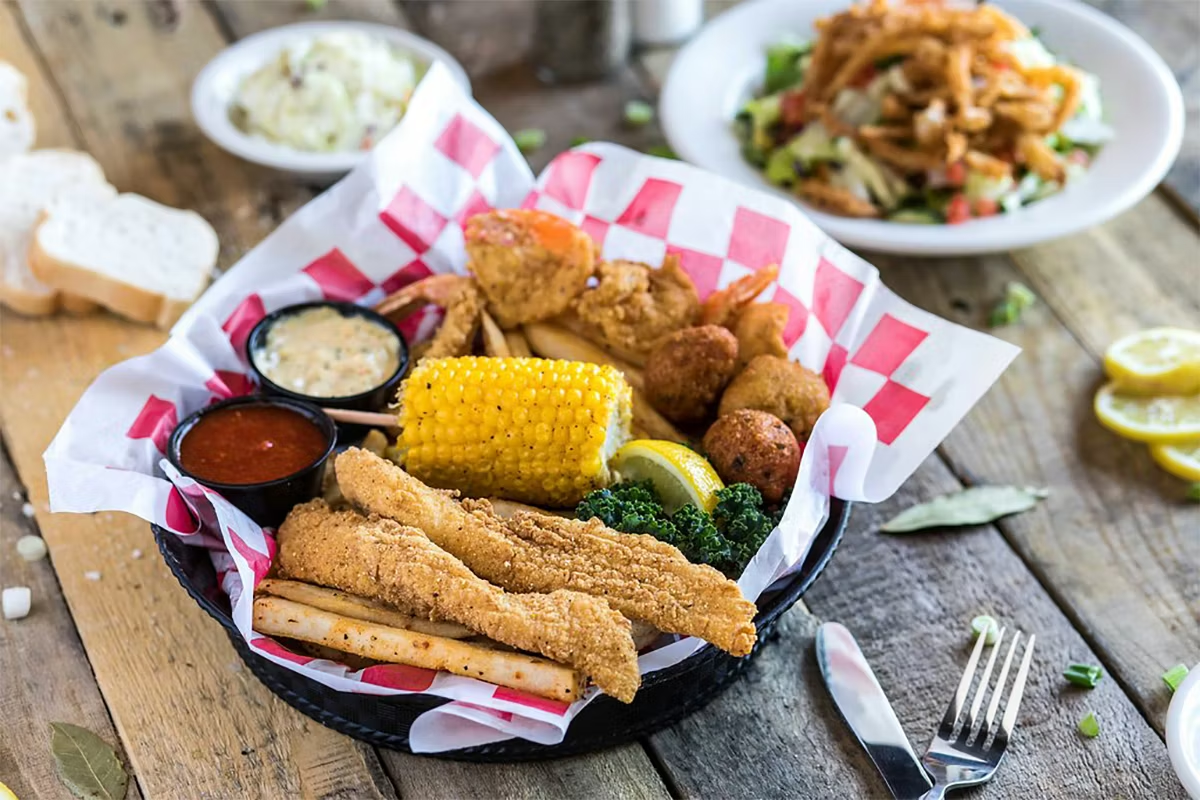
Crisp sides such as corn on the cob, new potatoes, and crusty bread complement the rich flavors of the boil, while a simple green salad provides a refreshing contrast. Bright, varied sauces — including garlic butter, a citrusy vinaigrette, and a spicy remoulade — are provided and labeled so diners can choose their preferred pairing.
Brisk white wines, cold pilsners, and citrusy seltzers refresh the palate, and a light rosé offers a fruitier option. Small bowls for shells and a lemon wedge station complete the spread and reinforce the casual, convivial atmosphere often found at a Cajun restaurant.
Dietary Swaps: Gluten‑Free, Shellfish‑Free, and Veg Options
If you’re accommodating allergies or preferences, you can still capture the communal spirit of a seafood boil by swapping ingredients and techniques to suit gluten‑free, shellfish‑free, and vegetarian diets.
For a gluten‑free Cajun cuisine approach, choose certified gluten‑free sausages, sauces, and spice blends, use cornstarch or rice flour for dredges and thickeners, and make sure equipment is cleaned thoroughly to avoid cross‑contact.
For shellfish‑free gatherings centered around seafood or Cajun food flavors, focus the pot on firm fish steaks, clams only if they’re tolerated, or smoked fish chunks, and enhance the broth with kelp, fish stock, and citrus.
For vegetarian options that still honor Cajun restaurant staples and seafood boil traditions, offer hearty vegetables such as potatoes, corn, artichokes, and mushrooms along with plant proteins like tofu, tempeh, or chickpeas, all seasoned with the same bold spices used in Cajun cuisine.
Label each serving plainly so guests can identify what’s safe to eat.
Food-Safety & Handling for Large Seafood Batches
Because large batches amplify risk, strict timing, temperature, and cross-contact controls are necessary when handling seafood for a group boil. Keep raw and cooked items separate, label containers, and use dedicated utensils and cutting boards to avoid cross-contamination in any Cajun cuisine or Cajun restaurant setting.
Chill seafood to 40°F (4°C) or below until just before cooking, and don’t let it sit at room temperature. Cook shellfish and crustaceans to recommended internal temperatures, and don’t rely on appearance alone when preparing Cajun food.
Cooling leftovers quickly is important, and shallow containers and ice baths speed this process so that items can be refrigerated within two hours, or within one hour when ambient temperatures exceed 90°F (32°C). Reheat leftovers only once to at least 165°F (74°C) before serving.
Monitor serving temperatures so that hot seafood remains above 140°F (60°C) or chilled items are kept on ice below 40°F (4°C). Discard any seafood that appears questionable.
Indoor vs. Outdoor Boil Setups (Budget Tips)
Decide where to host your boil based on space, cost, and cleanup, since indoor setups reduce weather risk and allow you to reuse kitchen equipment while outdoor boils accommodate larger pots and propane burners for bigger, more economical batches.
If you have a small guest list and reliable ventilation, working in the kitchen with stockpots and a stovetop lets you cut equipment rental and confine cleanup to a single area, and it also keeps the aromas of Cajun cuisine contained.
For larger groups, setting up outside with a single burner and a big pot shortens cooking time and prevents steam from filling indoor spaces, which is especially helpful when preparing seafood for many guests.
Borrowing or renting gear while comparing propane and electric burner prices can lower costs, and inexpensive disposable table covers and trays make post-meal cleanup simpler for any Cajun food gathering.
Prioritize safety by placing equipment on stable surfaces, keeping it away from foot traffic, and keeping a fire extinguisher readily accessible during your Cajun restaurant-style boil.
Leftovers, Storage, and Repurpose Ideas
When your boil winds down, act quickly to cool and portion leftovers so they stay safe and tasty. Remove shells from shrimp and crab if you plan to reheat, and divide seafood, sausages, and potatoes into shallow containers before chilling them within two hours to prevent bacterial growth. Label containers with the contents and date, and use them within three days for the best flavor and safety.
Reheat gently by steaming or sautéing shrimp and crab briefly to avoid rubberiness, simmering sausages in sauce, and microwaving potatoes with a splash of water. Chopped seafood works well tossed into pasta with garlic and lemon, folded into omelets or frittatas, or made into shrimp tacos with cabbage slaw, and creamy crab bisque is a comforting way to showcase leftover crab from a Cajun food boil.
You can also freeze portions of Cajun cuisine leftovers for future soups or casseroles that highlight the bold flavors of Cajun restaurant–style seasoning.