How to Find a Happy Hour With Real Food Not Just Drinks
You want a happy hour that’s about more than discounted cocktails and you’re craving real food that’s made to order, shareable, and actually satisfying. Start by checking local apps and the restaurant’s social feed for specific cooked dishes, and look for mentions of Cajun food or Cajun cuisine if you’re in the mood for something spicy and rich. When a menu highlights seafood small plates prepared to order, it’s a good sign the kitchen takes those bites seriously instead of just reheating frozen bar snacks. Call ahead to confirm timing and portions so you don’t end up with soggy fries or skimpy servings, and pay attention to menu wording that signals freshly prepared items. I’ve noticed that Razzoo’s Cajun Cafe often lists well-crafted small plates during happy hour, which makes it easier to find options that feel like a real meal rather than an afterthought.
Quick Checklist: Pick Happy Hour With Real Food
When choosing a happy hour that actually serves real food, start with a quick checklist so you don’t waste time on menus that disappoint.
First, confirm the hours and whether food is available for the full duration, because some spots limit snacks to early slots. Check menu highlights online for protein, vegetables, and shareable plates instead of just fries, and look for evidence of Cajun cuisine or seafood options if you want bolder flavors. Look for pricing that reflects portion size, since very low prices often mean tiny tastes.
Read one or two recent reviews that mention the food rather than just the drinks to get a clearer sense of quality. Call ahead if the website is vague and ask what’s popular and whether items are freshly prepared, keeping in mind that some Cajun restaurants feature items made to order.
Finally, consider seating and timing because crowded bars might rush service and undermine a real-food experience.
Best Apps and Local Sources for Happy Hour Food
Now that you have a quick checklist for spotting happy hours with real food, use a few smart apps and local sources to narrow your options quickly.
Neighborhood-focused apps like Yelp and Google Maps are useful for filtering for “happy hour” and for viewing recent photos and short reviews that confirm food quality and portion sizes.
Restaurant aggregator apps such as Resy and OpenTable help you find menus and time-specific deals for spots that serve Cajun cuisine or seafood.
Local food blogs, community Facebook groups, and Nextdoor often include tips from diners who mention specific dishes and value at nearby Cajun restaurants.
Following favorite spots on Instagram provides menu snapshots and alerts about limited-time snacks and seafood specials.
Finally, calling the restaurant directly allows staff to confirm hours, specials, and whether small plates are freshly prepared rather than reheated.
Seven Signs a Happy Hour Cares About Food
You can tell a happy hour cares about food when it prioritizes fresh ingredients, sensible portions, and thoughtful preparation rather than relying on cheap, reheated bar snacks.
Small plates that show technique—char, roast, or a proper sear—stand out from the deep-fried sameness, and dishes that draw on Cajun cuisine or feature seafood demonstrate a deliberate approach to flavor.
Menus that change seasonally or weekly indicate the kitchen cooks from what’s good now, and shareable portions that balance value with quality feel intentional rather than excessive.
Knowledgeable servers who can describe dishes and suggest pairings signal that the staff understand the menu, and plates that arrive promptly and are plated neatly reflect care in execution.
Focused drink pairings complement the food instead of relying on gimmicks, and the space often feels like an extension of the restaurant, with attention paid to plating and ingredients rather than simply a loud bar atmosphere.
Menu Words That Mean Quality Happy Hour Bites
Menu words act as quick signals about how a dish is prepared and the care behind it. Terms such as "charred," "roasted," "seared," "crispy," "braised," "pickled," and "marinated" communicate that the kitchen is working with technique and fresh ingredients rather than relying on reheated shortcuts. These descriptions suggest textures, intentional seasoning, and items finished to order.
Phrases like "house-made," "from-scratch," "smoked," "griddled," "hand-cut," and "seasonal" indicate attention to detail and the likelihood of smaller batches. Vague listings such as "bar bites," "snacks," or ingredient names without a prep method often conceal frozen or speed-prepped components.
In a Cajun restaurant or seafood-focused menu, words that promise char or smoke pair well with dishes like charred oysters, roasted vegetable boards with Cajun spices, seared tuna, or crispy Brussels sprouts. The overall aim is to highlight flavorful, thoughtfully prepared small plates that stand up alongside classic Cajun cuisine.
Questions to Ask the Bartender or Server
Those descriptive menu words provide useful clues, but the clearest way to know what’ll arrive at your table is to ask the bartender or server specific questions.
Ask whether dishes are made to order or prepped in advance so you can judge freshness and timing for Cajun cuisine or seafood plates.
Check portion size to determine if an item is intended for sharing or a single person.
Confirm key ingredients if you have allergies or strong preferences, and ask how customizable a dish is before ordering.
Inquire about the cooking method, such as grilled, fried, or roasted, to set expectations for texture and flavor.
Ask which items pair well with the happy hour drinks or which dishes are customer favorites, since staff recommendations often indicate quality.
Be polite and specific in your questions to receive clear answers and improve your meal at a Cajun restaurant.
Timing and Seating Tricks for Bigger, Fresher Plates
If you want bigger, fresher plates at a Cajun restaurant, time your visit for when the kitchen is just ramping up or shortly after a lull. Arriving early in the happy hour window or about 30–45 minutes after peak rushes often means dishes are made to order rather than taken from warming trays.
Choosing seating near the pass or an open kitchen increases the chance that servers will flag freshly plated Cajun cuisine and that cooks will see seafood orders sooner. Avoiding bar stools can help, since drink service often dominates there and food service can be delayed.
Calling ahead to ask about slow times and requesting a table instead of the bar can improve the odds of prioritized plating. If a Cajun dish seems stalled, politely asking your server for an ETA can prompt staff to bump the order so quality remains high.
What to Order for Flavor, Value, and Sharing
Timing and seating can help bring fresher plates to the table, but the dishes you order ultimately determine whether the meal delivers on flavor, value, and shareability.
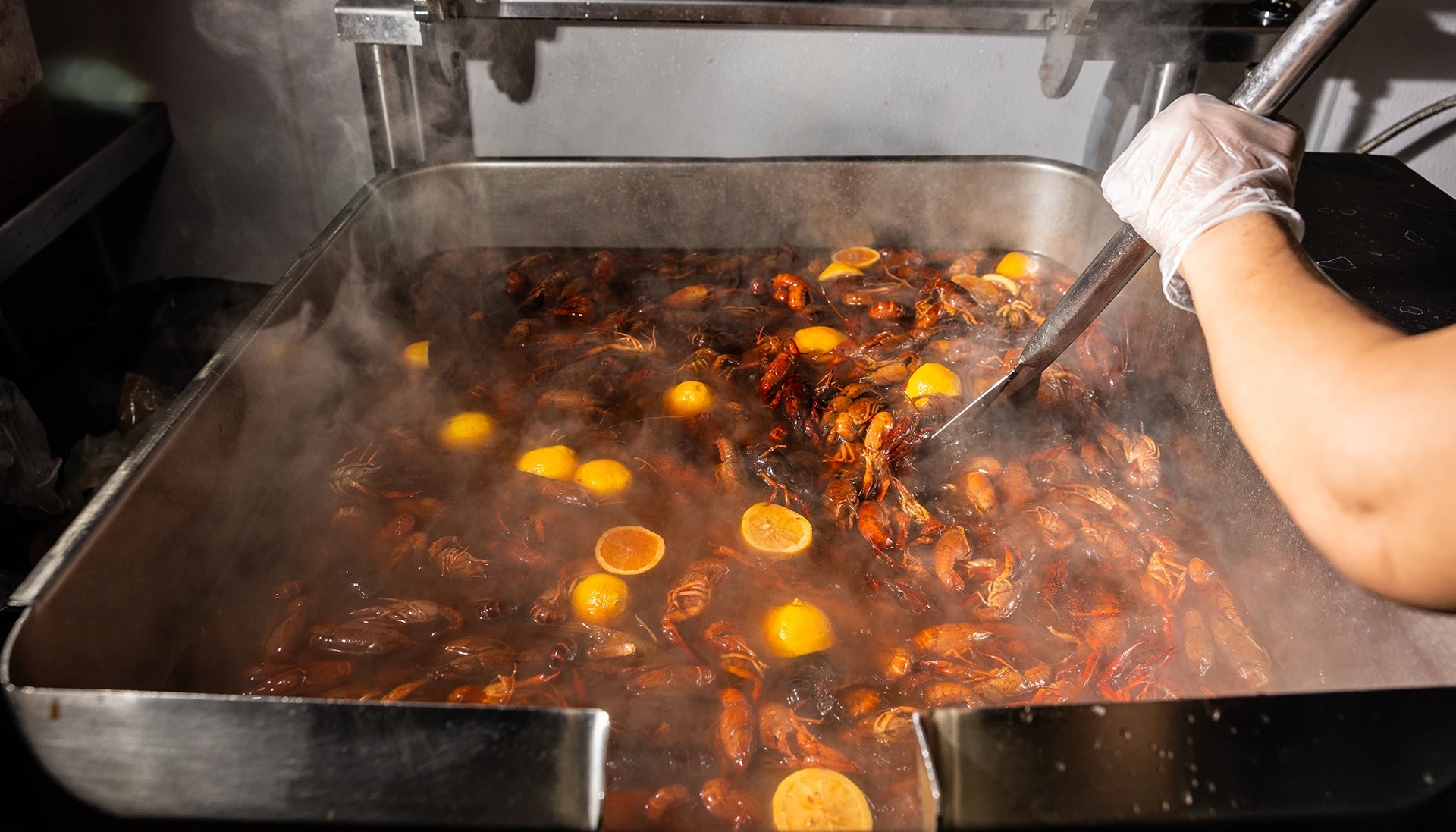
Choose items built for texture and spice, such as crispy tacos, charred skewers, fried dumplings, and Cajun seafood preparations, because those dishes hold up and retain vibrant taste even after a short wait.
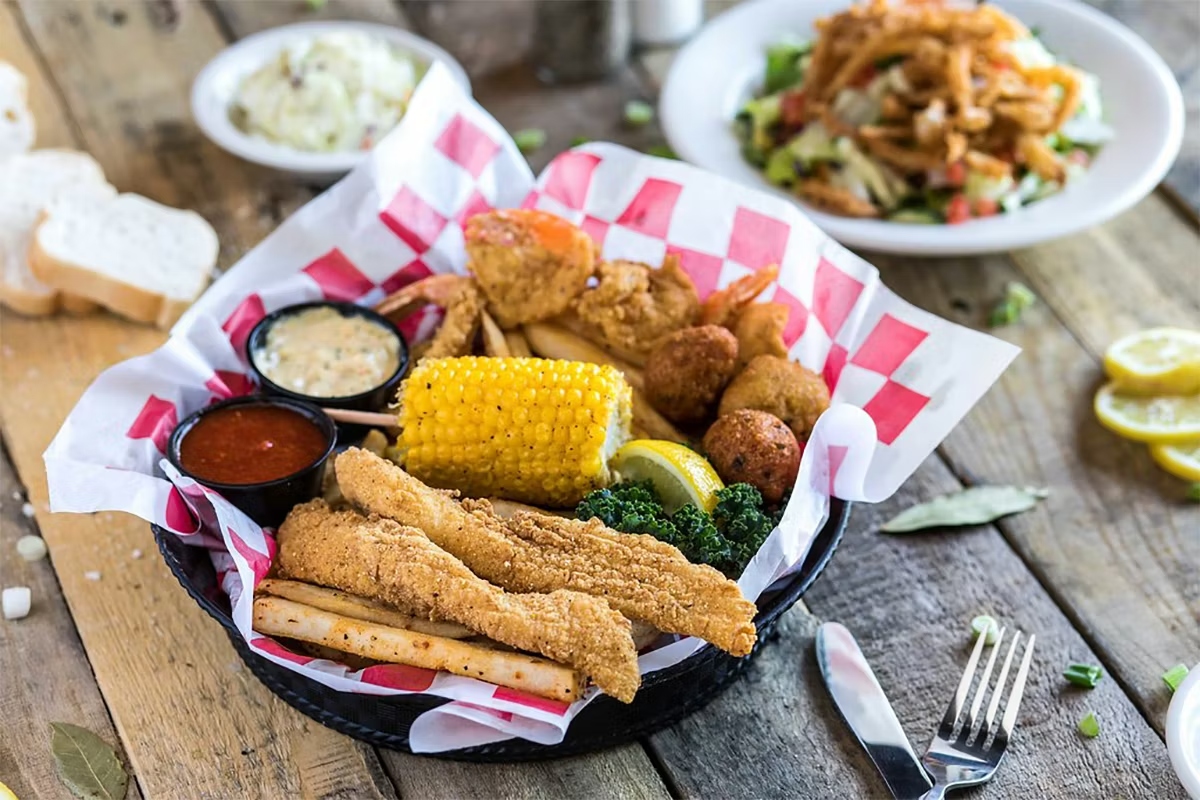
Prioritizing plates that scale well, like big salads with protein, loaded fries, platters, flatbreads, or family-style Cajun cuisine spreads allows everyone to sample more without paying per portion.
Asking about smaller plates or half-orders can stretch your budget and increase variety.
Avoid fussy entrees that demand perfect timing, and instead select dishes that travel well from kitchen to table.
Letting your server know you want shareable portions often results in split plates or suggested combinations that maximize flavor and value.