How Boiled Seafood Became a Texas Favorite
You have probably enjoyed a shrimp or crawfish boil at a picnic or bar, and you might not know how those Gulf flavors crossed ports, railcars, and backyards to become a Texas staple. The trail runs from coastal camps and Cajun cuisine techniques to backyard kettles, festivals, and restaurants, and it shows why spices, timing, and communal ritual matter. Cajun food traditions and seafood recipes brought by migrants helped shape regional tastes, and the influence of places like Razzoo’s Cajun Cafe is part of the story of how steamed pots became a social centerpiece. There is more history and regional twist behind that steaming pot than you might expect.
Gulf Origins: Coastal Communities and Early Boiling Traditions
When you follow the shoreline of the Gulf, you see how coastal communities shaped Texas boiling traditions. Fishers and shrimpers hauled daily catches to communal docks, and families and neighbors pooled pots, spices, and stories. You learn techniques handed down by generations, such as timing shells to crack just right, layering aromatics, and balancing heat so shrimp stay tender.
Communal boils marked celebrations and simple suppers alike, with hands dipping into shared paper-lined tables. Regional spice blends—cayenne, bay, and garlic—were adapted to available herbs and local palates. The practice was both pragmatic and social, transforming quick, fresh seafood by fire into a communal rhythm that anchored coastal identity independent of urban distribution networks.
Cajun cuisine and seafood traditions influenced these gatherings, and elements of Cajun food appeared alongside local flavors. Visitors sometimes found a casual Cajun restaurant atmosphere at docks and markets, where the blend of tradition and taste felt unmistakably Gulf-born.
How Port Cities and Railroads Spread Gulf Seafood Inland
Along the piers and in the warehouses of Galveston, Corpus Christi, and other Gulf ports, entrepreneurs and dockworkers packed ice, spices, and crates of shrimp and shellfish onto early railcars, and that logistics mix sent coastal flavors inland. The trains connected port towns to Dallas, Houston, and beyond, bringing perishable seafood to markets and restaurants within hours. Refrigerated cars and scheduled timetables turned ephemeral catches into reliable inventory, enabling inland grocers to advertise fresh Gulf fare.
Regional recipes traveled with the goods, and cooks adapted Cajun cuisine, seasonings, and methods to local palates and available equipment. Cold storage, packing houses, and rail hubs codified an infrastructure that allowed Gulf seafood and Cajun food to influence Texas tables far from the shoreline.
How Crawfish, Shrimp, Crab and Oysters Became Texas Staples
Those rail lines did more than move boxes; they brought tastes that reshaped home kitchens and market stalls across Texas. Crawfish, shrimp, crab, and oysters arrived fresher and faster, and cooks began to experiment with them.
Immigrant communities and Cajun food traditions shared recipes at communal tables, and fishermen adapted harvests to meet local demand. Markets and fish camps turned seasonal catches into reliable staples for Cajun restaurants and seafood purveyors, and people learned to buy by the pound or sack.
Restaurants and roadside vendors served straightforward preparations that highlighted the sea’s bounty, making seafood accessible beyond coastal towns. Over time these species became central to festivals, family gatherings, and everyday meals, and crawfish boils, shrimp plates, crab boils, and oyster nights came to express regional identity rooted in those redistributed catches.
What Makes a Texas Boil Distinct: Spices, Timing and Technique
Because Texas boils borrow from Gulf Coast tradition but mix in local boldness, you’ll notice a few clear differences.
The spice blends are bigger and bolder, drawing on cayenne, paprika, garlic, and bay leaf along with commercial crab boil packets to build deep, smoky heat that complements Cajun cuisine and seafood dishes.
Ingredients are timed by density, with potatoes and sausage added first, corn following, and shellfish cooked for the shortest interval so everything finishes hot and tender.
The water is well salted and brought to a rolling boil while care is taken to avoid overcooking.
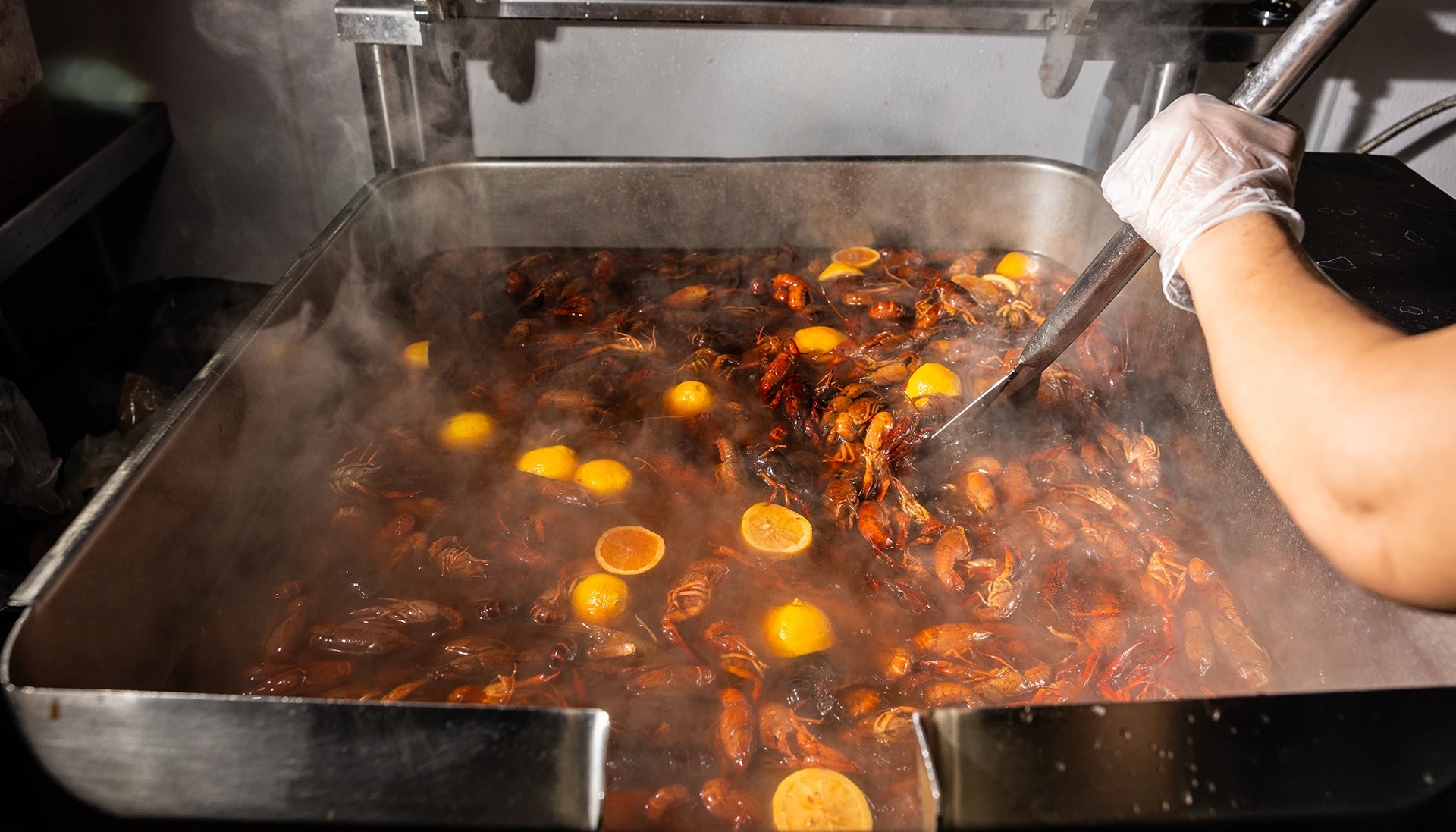
After draining, the seafood and accompaniments are tossed with butter and extra seasoning so flavors cling, and sturdy equipment such as large pots, strainers, and long-handled tools are used to manage volume and heat safely in a Cajun restaurant-style setup.
Backyard Boils: The Social Ritual, Etiquette and Menu
A Texas backyard boil often turns the yard into a communal table where neighbors, friends, and family gather around steam and spice. Guests grab bibs and take seats at folding tables lined with newspaper as they observe the unspoken rules of the gathering.
The host dumps the pot to share the steaming Cajun food and seafood that have been simmering in a savory broth. Children usually claim their seats early, and platters are commonly passed clockwise among the guests.
People peel shrimp, split sausage, and trade stories while vinegar, melted butter, and lemon are shared freely. The menu is straightforward and echoes Cajun cuisine with items such as shrimp, crab, corn, potatoes, sausage, and sometimes oysters.
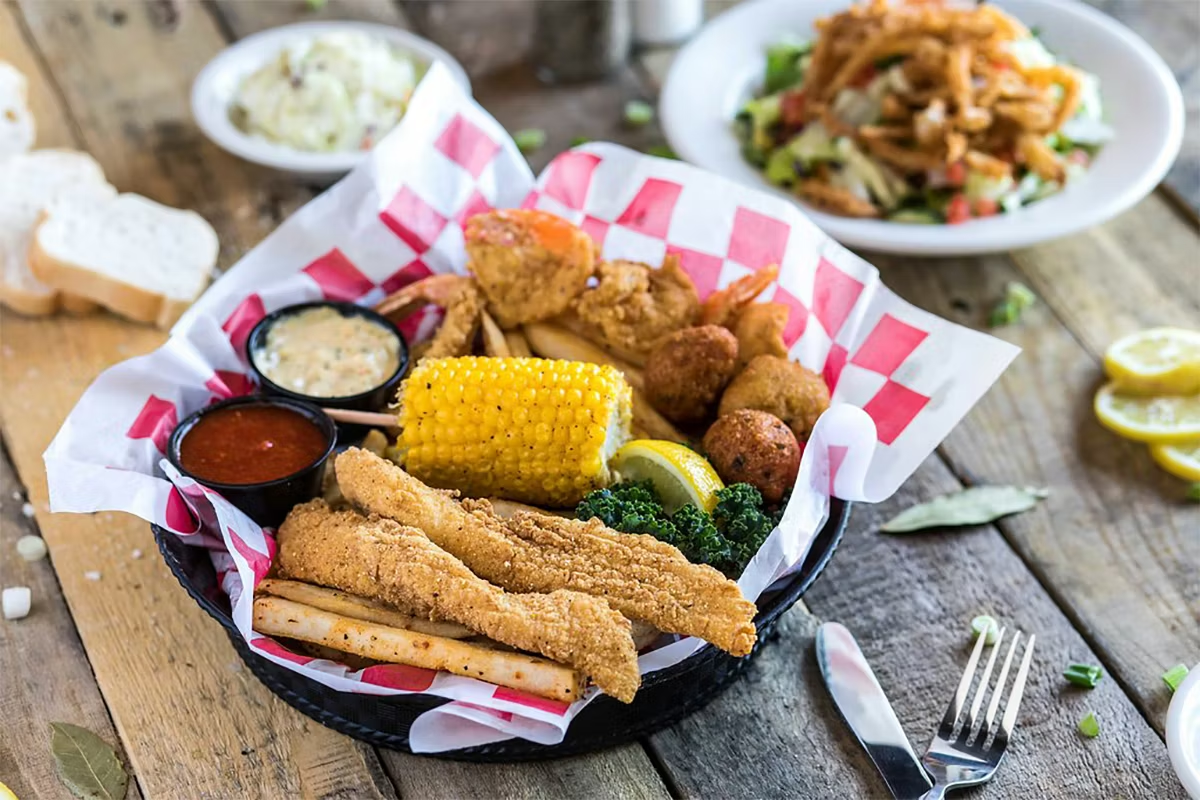
Sides remain simple and typically include coleslaw, hush puppies, cold beer, and sweet tea. Guests leave with hands seasoned, a dog-eared recipe, and an invitation to the next boil.
Restaurants, Festivals and Media That Popularized Texas Boils
Step into the world of Texas boils and you’ll find that they didn’t just happen in backyards; restaurants, festivals, and media all played a big role in spreading the tradition beyond neighbors and family.
Local and Cajun restaurants turned communal flavors into menu staples and offered adjustable spice levels and shared-pod platters that let diners sample shrimp, crab, sausage, and other seafood without hosting their own event.
Festivals amplified that reach by letting visitors taste regional variations, watch pitmasters cook massive pots, and join eating contests that turn a meal into theater.
Media coverage, from food blogs to television segments, showcased techniques, recipes, and personalities and made the boil and aspects of Cajun cuisine accessible to newcomers.
Together, these outlets transformed a neighborhood ritual into a statewide culinary identity that people can both attend and replicate.
Regional Twists: East Texas, Houston, Gulf Coast and Hill Country
While the core of a Texas boil—seafood, spice, and communal plates—remains familiar, each region applies its own stamp on seasoning, sides, and presentation so diners taste distinct local identities from East Texas to the Gulf Coast.
In East Texas cooks favor bolder, pepper-forward blends and pair the boil with potatoes and corn to reflect Southern comfort and links to Cajun cuisine.
Houston blends Creole, Cajun food, and Latin influences, adding garlic, citrus, and jalapeño notes alongside rice or plantain chips.
The Gulf Coast emphasizes fresh shrimp and crab with lighter, briny boils that showcase the catch and the seafood itself.
In the Hill Country you’ll find smoked sausages, beer-brined additions, and Alpine-influenced sides that echo the region’s German heritage.
Each region invites communal dining, shared plates, and a chance to savor the regional character of seafood and Cajun restaurant–inspired flavors.
Seasonality, Sustainability and Where to Find Good Texas Seafood
Because Texas waters change with the seasons, knowing when shrimp, oysters, crab, and finfish are at their peak helps you get the best flavor and price.
Local fishing calendars show that brown shrimp run in summer, oysters thrive in cooler months, and blue crab peaks in late summer to fall.
Choosing seafood from certified fisheries or reputable Texas markets that publish sourcing supports replenishment and reduces bycatch.
Visiting public oyster reefs and buying from dockside sellers often results in fresher catches and fairer prices.
Asking vendors about harvest methods and origin provides valuable information about sustainability.
Favoring wild-caught regulated species or well-managed farms promotes healthier ecosystems.
Buying seasonal and sustainable seafood makes the boiled seafood and Cajun cuisine you serve fresher, tastier, and more responsible for the environment.
How to Host a Texas Boil: Menu, Tools and Timing
Gather your guests and heat your pot because a Texas boil combines timing, tools, and bold flavors. Plan a simple menu featuring fresh shrimp, smoked sausage, small potatoes, corn, and optional crab so the seafood and other ingredients finish cooking near the same time. Season the boil with bay leaves, cayenne, lemon, and either a commercial boil mix or a homemade spice blend for a Cajun-inspired flavor that evokes Cajun cuisine.
Use a large stockpot with a basket or a high-sided fryer pot on a propane burner outdoors to handle the volume and steam. Prepare long-handled tongs, a slotted spoon, heatproof gloves, and newspapers or butcher paper to cover the table for easy cleanup.
Start by boiling the potatoes and sausage, add the corn next, and add the shrimp last because the shrimp require just a few minutes to cook through.
Drain the cooked ingredients onto the prepared paper and allow them to steam briefly before serving. Present the meal with melted butter, extra seasoning, cold drinks, and plenty of napkins so guests can enjoy the communal, seafood-heavy experience reminiscent of a Cajun restaurant or a classic Cajun food gathering.