Why Seafood Boils Keep Showing Up on Everyone’s Weekend Plans
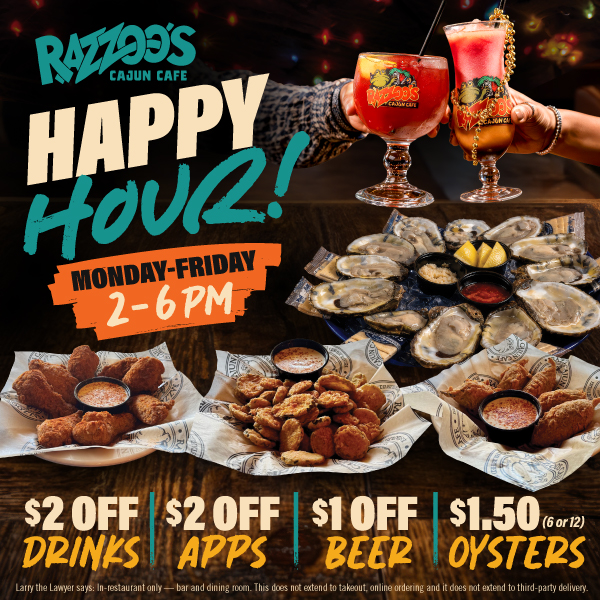
You probably notice seafood boils turning up on weekend invites because they strip dinner down to something you can touch, laugh over, and not fuss about. Cajun cuisine contributes bold, communal flavors that scale easily and encourage passing the spice and the stories. The casual setup gives everyone a job and helps the evening feel like a small celebration instead of a production. A liberal pour of butter and a spread of shrimp, crab, and corn bring people together in a way that feels like a lively, down-to-earth tradition, and places such as Razzoo’s Cajun Cafe have helped popularize that convivial spirit.
Why Seafood Boils Feel Like a Weekend Ritual
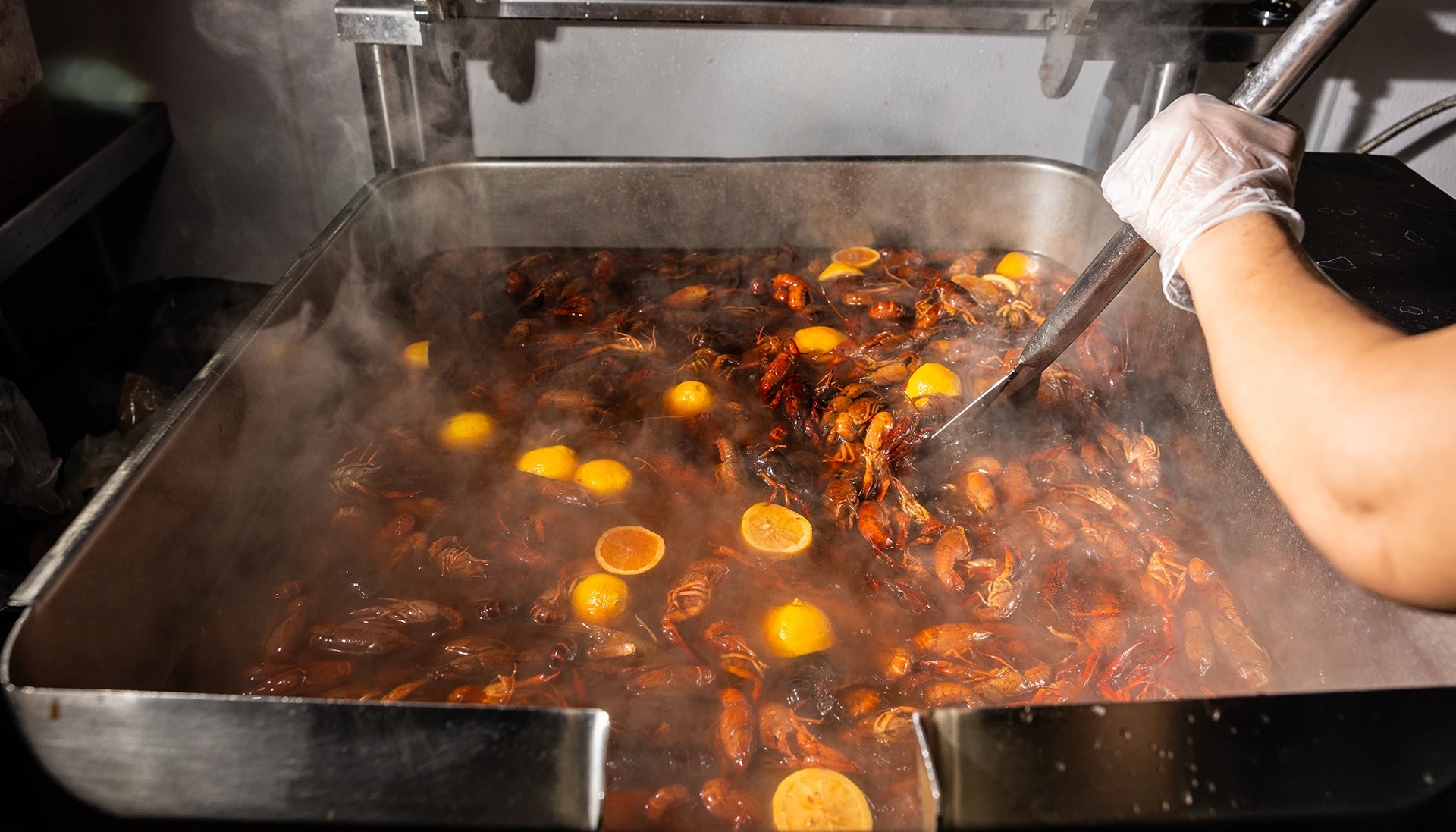
When you gather around a steaming pile of crab, shrimp, and corn, the whole afternoon shifts into something communal and alive. Chopping, boiling, and sharing create a rhythm that everyone instinctively joins.
People trade recipes and pass spice jars while timing the pot together, so the work feels light and social. Phones get tucked away, conversations stretch, and laughter fills the spaces between shelling and eating.
The menu’s simplicity makes hosting easy, and the communal cooking lowers pressure, invites participation, and keeps the focus on people rather than presentation. The flavors recall Cajun food and broader Cajun cuisine traditions, and those elements combine comfort food, hands-on involvement, and casual timing into a weekend ritual you plan around and look forward to.
If You’re Invited: Etiquette and What to Bring
If you’re lucky enough to receive an invitation to a seafood boil, arrive prepared to contribute, since hosts often expect a small offering, practical help, or both. Bring something useful such as ice, beer, dessert, or a simple side, and check with the host to avoid duplicating what others will bring.
Offer to arrive a bit early to help set up tables, unwrap corn, or tend the stove because hands-on help is as valuable as cash. Dress for mess by wearing old shoes and layers, and bring a hand towel or wet wipes for guests who forgot.
Respect the host’s serving plan and don’t rearrange the spread, and ask before bringing dietary substitutions so everyone can enjoy the Cajun cuisine and seafood on offer. Clean your area before you leave and thank the host, and send a quick text the next day to show appreciation.
Hosting Checklist for an Easy Backyard Seafood Boil
For a smooth backyard seafood boil, gather your essentials before guests arrive, including cookware such as a large pot or a bag setup and a reliable fuel source.
Stock up on fresh seafood and seasonings that reflect Cajun cuisine, and prepare sturdy tables with enough seating for everyone.
Set out trash and recycling bins and provide plenty of ice and a variety of drinks to keep guests refreshed.
Include simple tools like mallets, bibs, and wet wipes to make eating shellfish more comfortable.
Plan portions carefully and estimate about 1 to 1.5 pounds of seafood per person depending on the sides and appetites of your guests.
Pre-chill drinks and set up a self-serve station with ice, cups, and garnishes to support a relaxed gathering.
Arrange a prep area for chopping and seasoning ingredients and organize containers specifically for shellfish, potatoes, and corn.
Lay down disposable table covers and keep paper towels within easy reach to manage spills.
Verify that you have enough propane or charcoal, test burners, and keep a fire extinguisher nearby for safety.
Designate coolers for leftovers and label recycling bins to streamline cleanup after a night of Cajun food and seafood enjoyed with friends.
How a Boil’s Setup Creates Social Theater (Roles, Timing, Staging)
Against a backdrop of clinking shells and scented steam, a backyard seafood boil becomes a staged event in which everyone slips into a role: the host acts as director, the cooks become performers, and the guests serve as an enthusiastic audience. Timing and placement shape the rhythm and camaraderie, echoing the lively atmosphere of Cajun food and the immersive experience of Cajun cuisine.
You set stations for a prep table, a boiling pot, a serving spread, and communal tables, and each spot signals who does what during the meal. The choreography of timing ensures that rounds of corn, potatoes, and shrimp arrive hot together, while staggered arrivals keep conversation flowing and the seafood tasting fresh. Small tasks such as ladling, plating, and pouring drinks give people purpose and keep them engaged. Lighting, seating clusters, and music all cue the tempo, turning a simple meal into a shared, participatory ritual reminiscent of a bustling Cajun restaurant gathering.
Why Butter, Spice, and Hands-On Eating Win Crowds
Often the secret to a seafood boil’s appeal is unapologetically simple: melted butter, bold spices, and getting your hands messy make the meal immediate, convivial, and memorable. The experience evokes Cajun cuisine with its emphasis on big flavors and communal dining. Diners dig in without forks and formalities, and that physicality breaks down barriers fast.
Butter carries heat and salt, coating shrimp, crab, and corn so every bite feels indulgent. Spice blends—cayenne, smoked paprika, and Old Bay—wake the palate and spark conversation about heat levels and preferences. Eating with your hands forces people to slow down and savor textures while they share plates.
Guests trade recipes, pass lemons, and compare spice tolerances as the meal unfolds. Ultimately, the combination of tactile feeding, rich fat, and assertive seasoning makes boils feel like a celebration you can taste and touch, much like a lively night at a Cajun restaurant.