The Dishes That Define Cajun Cuisine for New Diners
If you’re new to Cajun food, you can expect bold, rustic flavors built on onions, celery, and bell pepper that form the backbone of many dishes in Cajun cuisine. Portions are often generous and meant for sharing, and you will notice a few signature plates everywhere you go. Gumbo, jambalaya, and étouffée differ in texture and preparation, with gumbo often served as a stew, jambalaya as a hearty one-pot rice dish, and étouffée as a saucy seafood- or meat-based over-rice entrée. Dirty rice and boudin stand out for their distinct textures and seasoning—dirty rice for its savory, spiced grains and boudin for its seasoned pork-and-rice sausage filling. Spice and smoke are used thoughtfully in Cajun cuisine to create comforting, fiery, and soulful flavors that celebrate seafood, pork, and the vegetables at the heart of the tradition. You can find authentic takes on these classic dishes at Razzoo’s Cajun Cafe, where the regional flavors are showcased in a convivial setting.
What Cajun Cuisine Is and What to Expect
Cajun cuisine grew out of resourcefulness and community and represents the hearty, rustic cooking of French-speaking Acadian exiles who adapted to Louisiana’s bounty. You’ll find bold, straightforward flavors driven by local ingredients such as seafood, pork, rice, and seasonal vegetables.
Plates at a Cajun restaurant tend to offer generous portions, comfort-food textures, and balanced spice rather than overwhelming heat. Dishes in this tradition are built for sharing and daily life, with one-pot stews, rice dishes, and fried plates that suit both family tables and roadside eateries.
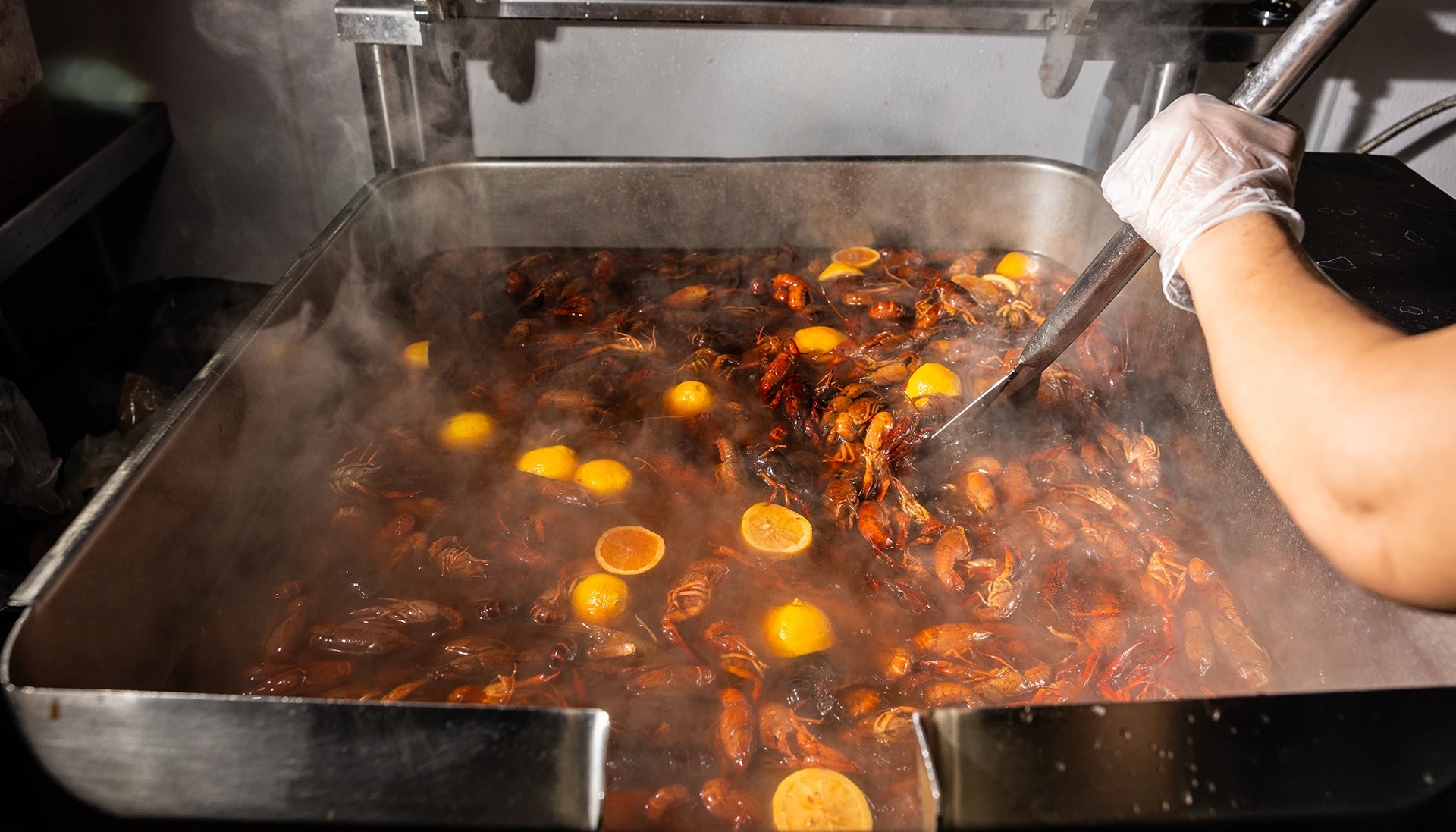
You’ll notice techniques like braising, stewing, and pan-searing that concentrate flavor without fuss. Menus vary by season and locale, and diners can expect crawfish in spring as well as smoked meats in cooler months.
Cajun food rewards those who come with an appetite and curiosity.
The Holy Trinity: Cajun Flavor Base
As you move from the big-picture ingredients and techniques of Cajun cooking, you’ll quickly notice one simple combination that underpins most savory dishes: the Holy Trinity. You’ll find diced onion, celery, and green bell pepper chopped fine and sautéed slowly in oil or butter until soft and fragrant.
That base builds depth and a slightly sweet backbone before stock, tomatoes, sausage, seafood, or a roux are added. You’ll learn to control timing and heat so those flavors bloom without browning too much.
Once you can make a balanced Holy Trinity, you’ll recognize it across Cajun cuisine, from gumbo and jambalaya to étouffée and hearty stews, and you’ll know how to adjust proportions to tilt a dish toward sweeter, earthier, or brighter notes.
Portions, Spice Levels, and Sharing Etiquette
When planning a meal, think about portions in terms of family-style sharing and plate generous helpings for mains like Cajun jambalaya, gumbo, or other Cajun cuisine. Offer smaller sides so people can sample everything and enjoy the variety of seafood and traditional accompaniments.
Gauge spice by asking if diners prefer mild, medium, or hot while offering hot sauce and cayenne on the side to suit individual tastes. Balance heat with cooling accompaniments such as crusty bread, pickles, or a simple salad to calm flames and refresh the palate.
Encourage passing dishes and providing serving spoons so everyone can take what they want without double-dipping. If someone prefers less heat, split a dish before adding spices so both milder and spicier portions are available.
Clear communication keeps the meal comfortable, allows the flavors of Cajun food to shine, and makes sharing authentic, sociable, and enjoyable.
Cajun Gumbo: What’s in a Bowl and How to Choose
When choosing a gumbo at a Cajun restaurant, begin by identifying the base components: roux, stock, and the holy trinity of onions, bell peppers, and celery.
The color of the roux determines the flavor profile, with blond roux offering light nuttiness, brown roux giving deeper caramelized notes, and dark roux contributing smoky depth.
The choice of stock affects the dish, as chicken stock lends comfort while seafood stock brings briny brightness that complements Cajun cuisine.
Proteins should be matched to the broth, since sausage adds fat and spice, shellfish provides sweetness, and chicken delivers heartiness.
Okra creates a silkier, slightly thickened broth, whereas filé powder gives an earthy, dusted finish to the gumbo.
Consider the desired spice level and select garnishes such as green onions and parsley to brighten the bowl.
Order based on the texture and seasoning profile you crave from this classic of Cajun food.
Jambalaya vs. Dirty Rice: How They Differ and When to Order
Gumbo’s bowl-and-sauce focus highlights why rice-based dishes take a different role in Cajun cuisine.
Jambalaya and dirty rice both center rice but use it in contrasting ways. Jambalaya is a one-pot, savory, paella-like dish in which rice absorbs stock, tomatoes (sometimes), and browned meats or seafood.
Jambalaya provides a hearty, cohesive meal that serves as the main course in many Cajun restaurant menus. Dirty rice features finely chopped offal or pork, aromatics, and spices cooked into white rice so the grains remain distinct and speckled.
Dirty rice offers a textured, intensely seasoned side that complements grilled or sauced proteins and other dishes in Cajun food.
Cajun Seafood Staples: Étouffée, Creole, and Blackened Fish
Seafood anchors much of Cajun cooking, and the ways it’s prepared give each dish a distinct identity you notice the moment you taste it.
Étouffée is rich and saucy, with shrimp or crawfish simmered in a buttery roux with onions, celery, and bell pepper and served over rice so the sauce soaks in.
Creole dishes lean tomato-forward and often taste brighter and herbier, with crab or shrimp simmered alongside tomatoes, garlic, and bay leaf for a tangy, layered bite.
Blackened fish showcases technique, featuring a heavily spiced fillet seared in a screaming-hot skillet until a smoky crust forms and delivers intense flavor with minimal sauce.
Together, these preparations demonstrate how seasoning, sauce, and heat define the range of Cajun seafood and Cajun cuisine found in a good Cajun restaurant.
Sausages & Snacks: Boudin, Andouille, and Fried Favorites
Plunge into Cajun cuisine and you’ll find a world built on bold spice, clever nose-to-tail use, and crunchy comfort.
You’ll meet boudin in Cajun food traditions — rice, pork, liver, and herbs stuffed into casings — savory, gritty, and often served hot or smoked, and it pairs well with hot sauce. Andouille brings smoked heat and a coarse texture to gumbo, po’boys, and other Cajun restaurant plates, and it can be sliced for a smoky backbone or grilled for char.
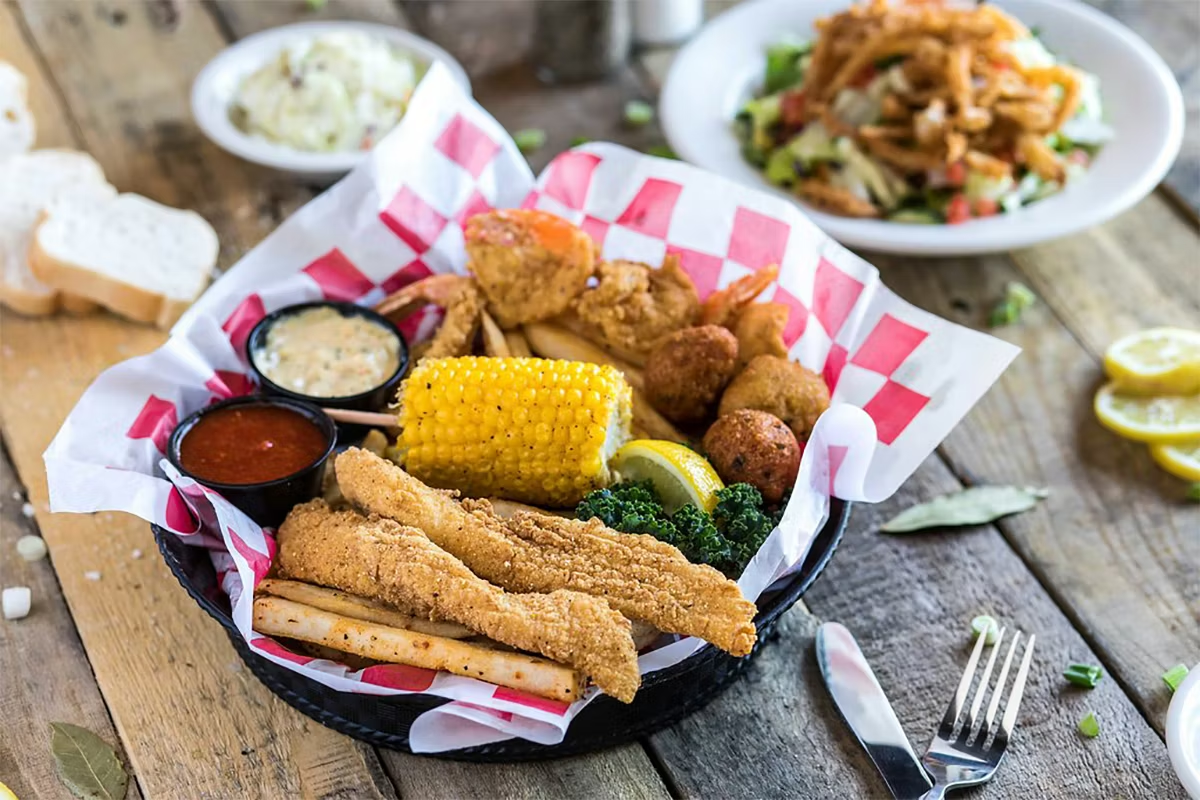
For seafood and fried favorites, you’ll encounter crispy soft-shell crab, battered frog legs, and golden hush puppies that balance spice with sweet corn.
Street carts and neighborhood dives demonstrate how simple techniques amplify flavor, and you’ll leave with an appreciation for why these snacks endure.