The Cajun Food Staples Every First-Timer Should Try
If you’re new to Cajun cuisine, start by seeking out the dishes that define Cajun food, like smoky gumbo, hearty jambalaya, and a butter-rich étouffée. You will notice the “holy trinity” of onion, bell pepper, and celery in nearly every savory pot, and the spices bring complexity and depth rather than just heat. A po’boy stuffed with fried seafood or a crisp fried catfish adds a satisfying textural contrast to the stews and rice dishes. Many people discover places like Razzoo’s Cajun Cafe when they want an approachable introduction to traditional Louisiana flavors. Once you taste those core elements — the roux, the spices, and the seafood — it becomes easy to see how they shape an entire culinary world.
What Cajun Food Is and Why It Matters
Cajun food grew from humble, resourceful beginnings and remains bold, comforting, and deeply tied to place and history. Cajun cuisine is recognizable for hardy techniques such as one-pot cooking and slow simmering, and for making the most of whatever ingredients are on hand to stretch meals for family and friends.
The flavors of Cajun food are built on smoked meats, seafood, and local game, with spices blended to warm the palate rather than overpower it. Cajun cuisine plays a central role in community life, marking gatherings, celebrations, and survival through hardship.
Regional identity appears in recipes passed down and adapted over generations, reflecting the swamp, bayou, and coast and inviting diners at a Cajun restaurant to taste those stories and respect their cultural roots.
The Cajun Holy Trinity: Onions, Bell Pepper, Celery
You’ll almost always find onions, bell pepper, and celery chopped and sizzling together at the start of a Cajun pot; this simple trio forms the flavor base chefs call the “Holy Trinity.”
It does the heavy lifting in gumbos, jambalayas, étouffées, and many one-pot meals, building savory depth, aromatic sweetness, and a subtle vegetal backbone. When cooked, even dice helps them soften uniformly and release their juices.
Beginning over medium heat with a bit of oil or butter allows them to sweat until translucent or to brown slightly for nuttier notes. Cooks learn to adjust ratios to suit particular dishes and personal taste, adding more onion for sweetness, more pepper for brightness, or more celery for crispness in Cajun cuisine, seafood stews, and recipes served at a Cajun restaurant.
Don’t-Miss Mains: Jambalaya, Gumbo, and Étouffée
Plunge into Cajun cuisine and you’ll find three standout one-pot meals—jambalaya, gumbo, and étouffée—each built from the Holy Trinity and a few signature ingredients but delivering very different textures and moods.
You’ll recognize jambalaya by its rice-cooked-in-the-pot approach, where everything simmers together to create a hearty, slightly drier dish in which spices cling to each grain.
Gumbo greets you with a rich, spoonable sauce that’s often thickened with a dark roux and okra or filé and that’s meant to be ladled over rice for comfort and depth.
Étouffée presents a more intimate experience with a velvety, often shellfish-centered sauce that smothers rice and showcases concentrated, buttery flavors.
Sampling these dishes at a Cajun restaurant or enjoying them as part of seafood-focused Cajun food highlights the diversity of mouthfeel and seasoning balance that reveal the technique and soul of Cajun cuisine.
Cajun Proteins & Seafood to Try First
Cajun cuisine often centers on seafood and meats that anchor each dish, with shrimp, crawfish, catfish, oysters, and sausages like andouille and tasso appearing repeatedly. Shrimp are an ideal protein in Cajun food because they’re versatile, quick-cooking, and work well in gumbo, étouffée, or simply grilled to develop a char.
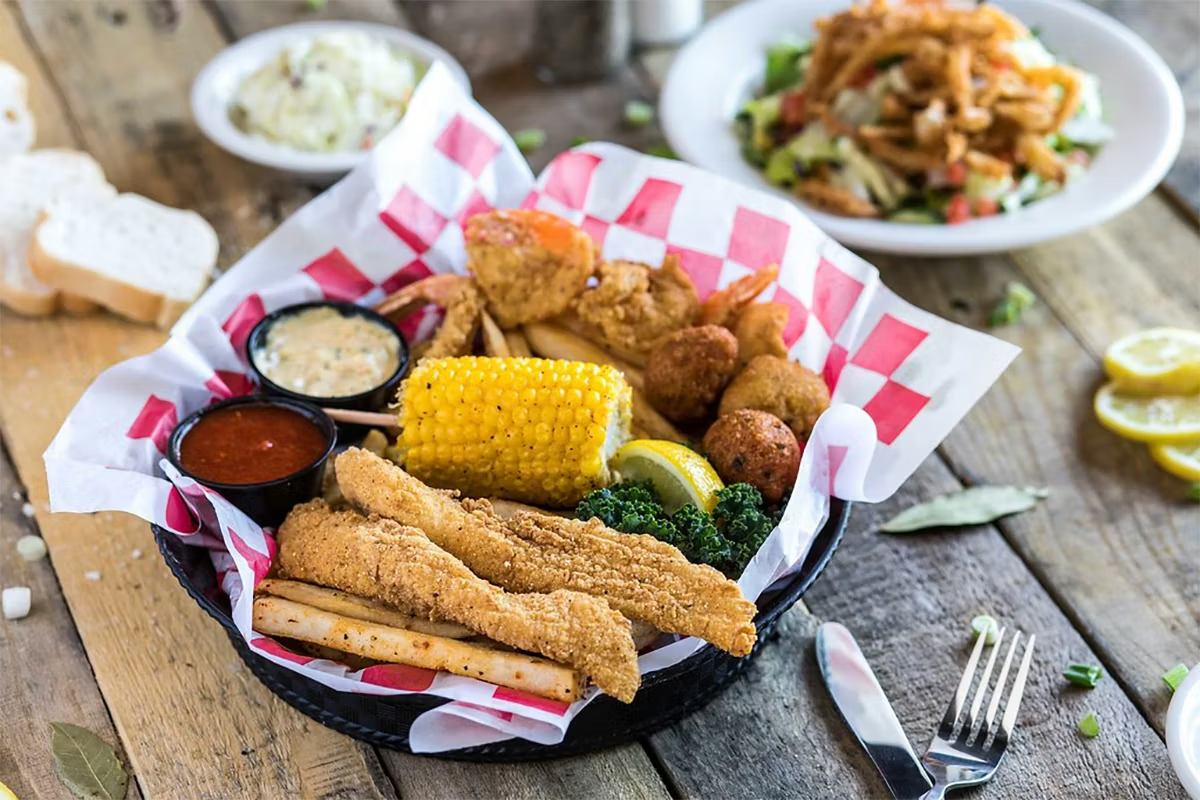
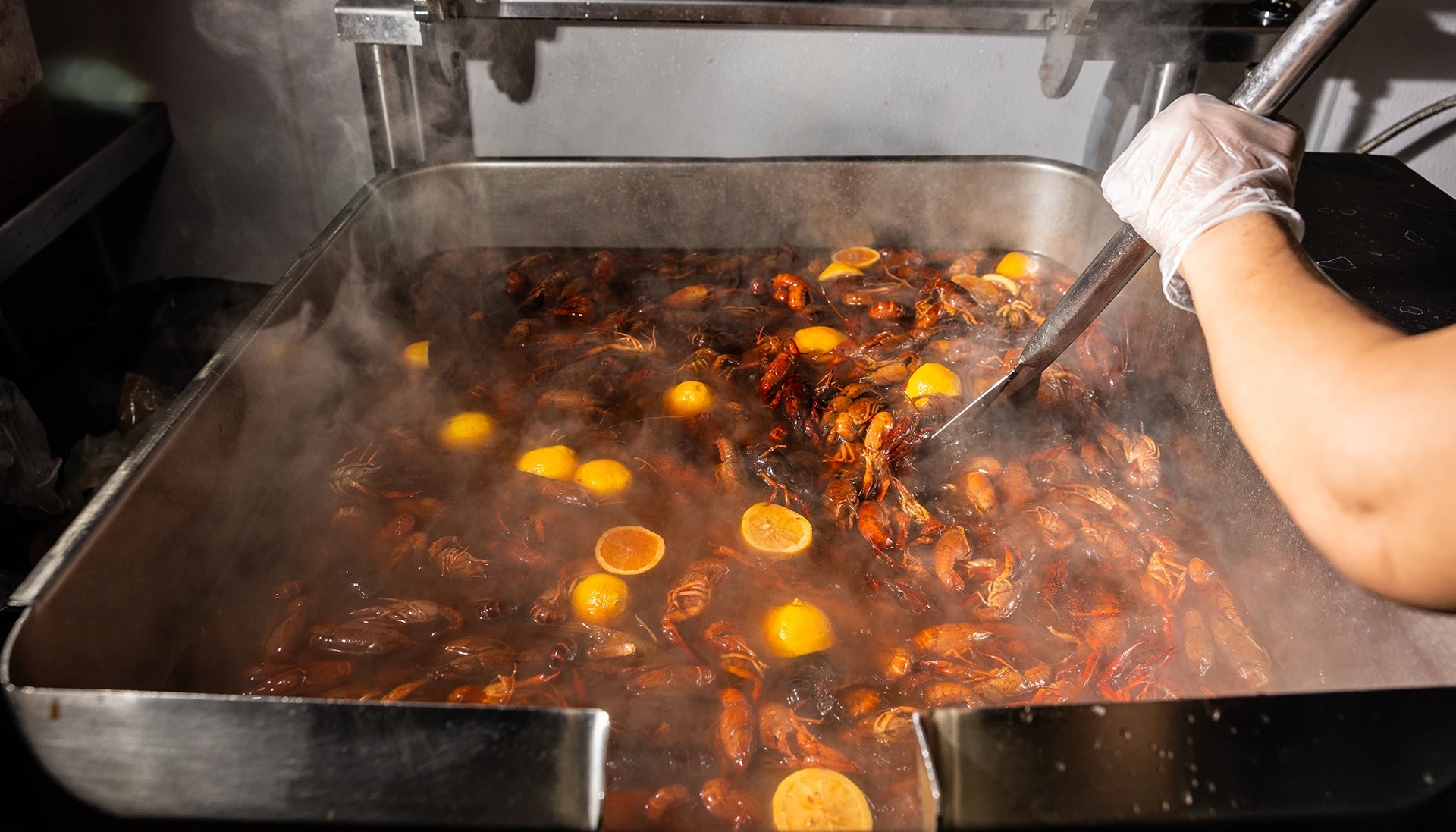
Boiled crawfish are a seasonal specialty in Cajun cuisine, prized for their sweet, briny meat and the convivial atmosphere they create at the table. Catfish provides a mild, flaky base that’s commonly fried or blackened in Cajun restaurants to highlight its texture.
Oysters show up raw, charbroiled, or in stews, bringing a rich coastal flavor to many seafood-centric Cajun dishes. Andouille contributes a smoky, garlicky heat, while tasso offers intensely seasoned cured pork that adds depth to soups and rice dishes. Tasting each of these proteins on its own reveals how they shape the flavors and character of classic Cajun cuisine.
Cajun Pantry Essentials & Seasonings
A well-stocked Cajun pantry is what lets you recreate bold, layered flavors of Cajun cuisine at home. The holy trinity—onion, bell pepper, and celery—should be kept fresh or frozen for convenience.
Long-grain rice and dried pasta are pantry staples for jambalaya and gumbos, and canned tomatoes and stock add necessary body to sauces and stews. Andouille or smoked sausage kept in the freezer provides quick depth and a smoky counterpoint to seafood and other proteins.
For seasonings, a Creole or Cajun blend is useful, but individual spices such as cayenne, smoked paprika, black pepper, thyme, oregano, bay leaves, and file powder for finishing are equally important. Worcestershire sauce and hot sauce contribute acidity and heat that complement grilled or stewed seafood and other Cajun dishes.
Okra, whether fresh or frozen, supplies classic gumbo texture. With these essentials on hand, you can capture authentic Cajun food and the flavors often found in a Cajun restaurant.
Sides, Po’Boys, and What Completes a Cajun Meal
When you build a complete Cajun meal, the sides and sandwiches matter as much as the main dish because they round out the flavors and textures everyone remembers.
You’ll want crisp French fries or fried okra for crunch, creamy coleslaw to cool spicy bites, and rice to soak up sauces.
Red beans and rice or dirty rice provide hearty, seasoned comfort that complements gumbo, étouffée, or other Cajun cuisine.
Po’boys crown the experience with roast beef and gravy or fried shrimp on crusty French bread, dressed simply with lettuce, tomato, pickles, and mayo.
Cornbread or hush puppies add a slightly sweet contrast that pairs well with seafood and other Cajun food.
These accompaniments balance heat, add texture, and make each plate feel complete and unmistakably Cajun in a restaurant setting.
Eating Cajun: Spice Levels, Portions, and Etiquette
Although Cajun cuisine can pack a serious kick, you can control how much heat you get by asking for mild, medium, or spicy and by choosing dishes that naturally temper heat, such as étouffée or red beans and rice rather than a fiery gumbo.
When you order at a Cajun restaurant, tell the server your tolerance because chefs expect adjustments.
Portions in Cajun food tend to be generous, so plan to share or take leftovers home since Cajun dishes often taste better the next day.
Use your hands for finger foods like boudin or fried catfish, but keep forks for stews and rice dishes.
Pace yourself with bread or a side to cut heat, and offer to split platters while remaining polite about spice, as compliments go a long way.
Easy Starter Recipes and Quick Tips for Home Cooks
Jump into Cajun cooking with a few simple recipes that teach core techniques such as making a roux, seasoning rice, and balancing heat so you’ll build confidence quickly.
Start a dark roux for gumbo by slowly browning equal parts flour and oil while stirring constantly, and then add stock and aromatics to develop deep flavor in this classic Cajun cuisine base.
Make dirty rice by sautéing onions, bell pepper, celery, and ground meat before stirring in cooked rice and Cajun seasoning to create a savory, well-seasoned seafood-friendly side or main.
Try blackened fish by patting fillets dry, coating them with a spice mix, and searing in a hot cast-iron pan for a smoky crust that showcases the best of Cajun food.
For jambalaya, brown the meat first and then simmer with tomatoes and rice until tender to produce a hearty one-pot meal often found in a casual Cajun restaurant.
Taste as you go and adjust cayenne while keeping a neutral starch or cooling yogurt nearby to tame the heat when necessary.