What Makes Fried Catfish a Southern Dining Staple
You know the moment when a cornmeal crust shatters and warm, flaky catfish peels away; that taste of comfort comes before you can even speak. You can trace that bite back to Native American, African, and European kitchens, and you can imagine it cooking in iron skillets at backyard fish‑fries or in the spicy, bold traditions of Cajun cuisine. Seasonings vary by county and by household, and they also mingle with the flavors of Cajun food and other seafood preparations, but the pull of that dish never fades. Hospitality, history, and texture combined to make fried catfish an essential part of Southern tables, and you can still find that legacy served up at Razzoo’s Cajun Cafe.
Why Fried Catfish Is a Southern Staple
Fried catfish became a Southern staple because it’s affordable, flavorful, and rooted in community tradition. It appears at church suppers, fish fries, and family tables because it feeds many without fuss.
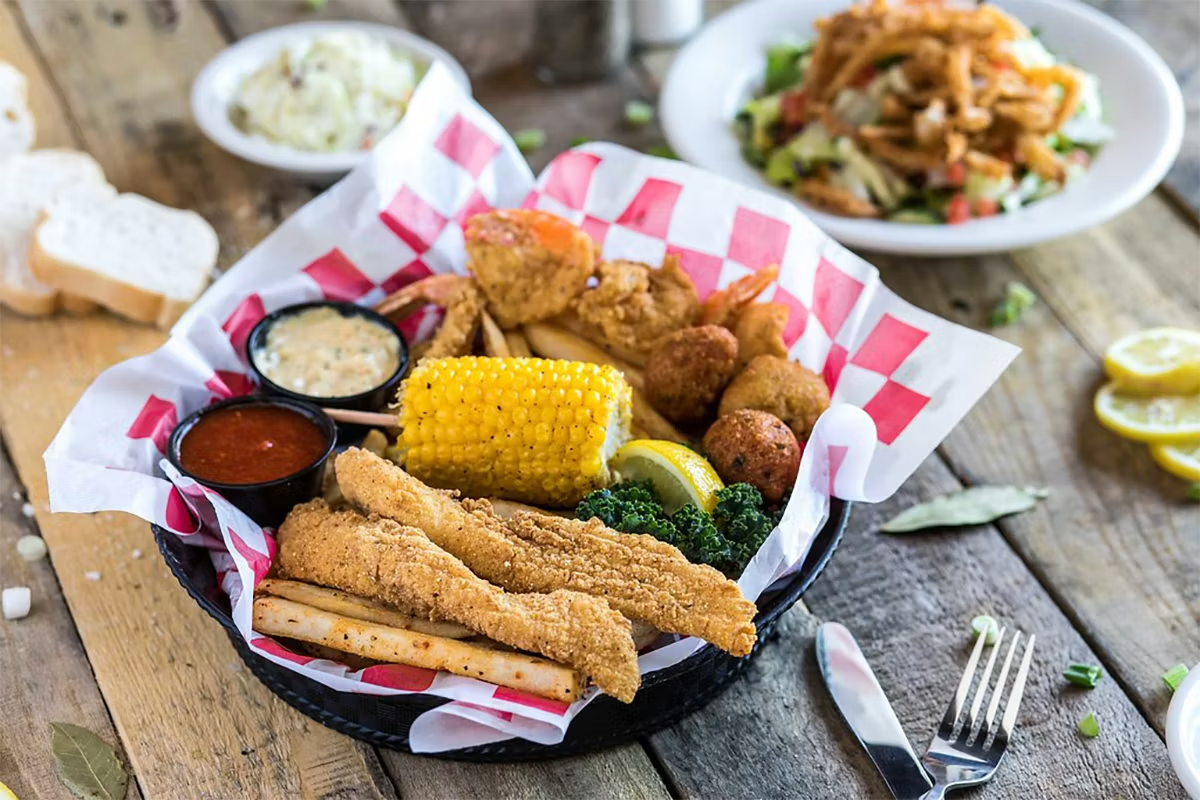
The crisp crust and flaky flesh pair well with simple sides such as coleslaw, hush puppies, cornbread, and other seafood offerings that make the meal feel complete without pretension.
Preparation varies by locale, with differences in cornmeal or flour coating, light seasoning or bold spice, and pan-frying or deep-frying reflecting local tastes and resources. The presence of fried catfish in Cajun cuisine and Cajun restaurants highlights its place alongside other Cajun food in regional foodways.
Shared meals centered on fried catfish foster gatherings where the act of sharing food matters as much as the flavor, and that communal rhythm keeps fried catfish central to Southern life.
Where It Came From : Native American, African, and European Roots
Though fried catfish is often thought of as a simple Southern comfort food, its roots extend into Native American fishing knowledge, West African frying techniques, and European pantry ingredients. Native practices taught how to catch catfish in rivers and how to prepare fresh fish for immediate cooking, preserving flavor and minimizing waste.
Enslaved West Africans brought deep-frying skills and spice sensibilities that transformed simple fish into the crisp, seasoned fare familiar in Cajun cuisine and other regional seafood traditions. European settlers contributed preserved staples such as salt, flour, and basic seasonings that paired with local ingredients to stretch meals.
Together these influences created a regional cooking logic that’s resourceful, flavor-forward, and communal, and that lives on in Cajun food and in the menus of many a Cajun restaurant. When you eat fried catfish, you’re tasting a blended culinary lineage shaped by survival, adaptation, and shared tables.
How Cornmeal, Frying, and Texture Create That Iconic Flavor
Those combined traditions set the stage for the technique that truly defines Southern fried catfish: a crisp, golden crust built on cornmeal and hot oil. Chefs in Cajun cuisine and seafood-focused kitchens often dust fillets in coarse cornmeal, sometimes blending it with a bit of flour or spices, so each grain creates pockets that capture seasoning and resist oil and produce a toothsome crunch.
Placing the fish in a skillet at the right temperature seals moisture quickly, allowing the interior to remain flaky while the exterior stays dry and crisp. The contrast between a crunchy crust and tender flesh intensifies the fish’s sweet, earthy notes. Cornmeal’s toasted aroma and Maillard browning contribute nutty, savory depth that simple batter can’t replicate, making each bite unmistakably Southern and familiar to patrons of Cajun food and Cajun restaurants.
Fried Catfish at Gatherings: Fish‑Fries, Church Suppers, and Hospitality
Fried catfish often sits at the center of community gatherings such as fish‑fries, church suppers, and backyard potlucks, where the dish represents hospitality as much as it does food. Guests arrive expecting a plate passed with care and a nod to tradition and neighborliness.
People wait in line for hush puppies, coleslaw, and a crispy fillet while they trade stories over paper plates and iced tea. Hosts fry large batches in big iron skillets or propane fryers so everyone can enjoy hot fish together.
Recipes tend to be simple so cooks can feed crowds, and portions often encourage sharing. When someone offers you a piece of fried catfish, you accept more than a meal and also embrace welcome, memory, and belonging within the community.
Regional Variations and How to Cook or Order Authentic Southern Catfish
If you want authentic Southern catfish, pay attention to where you’re and how it’s prepared. Mississippi Delta cooks lean toward a coarse cornmeal crust and fry in bacon fat or peanut oil to create a hearty, traditional flavor.
Alabama kitchens favor a thinner cornmeal batter and commonly serve the fish with a tangy white sauce on the side.
Gulf Coast and Cajun seafood cooks often season fillets more boldly with cayenne and accompany them with hot sauce and pickled jalapeños.
When you cook catfish at home, pat the fillets dry, season simply with salt and pepper, dredge them in cornmeal—using coarser meal for Delta style and finer meal for Alabama style—and fry in hot oil until the exterior is golden and the interior flakes.
When you order catfish in a restaurant or a Cajun restaurant, ask about the crust, the frying fat, and the accompaniments because those details indicate whether the dish follows regional or Cajun cuisine traditions.