The Breading That Makes or Breaks Fried Catfish
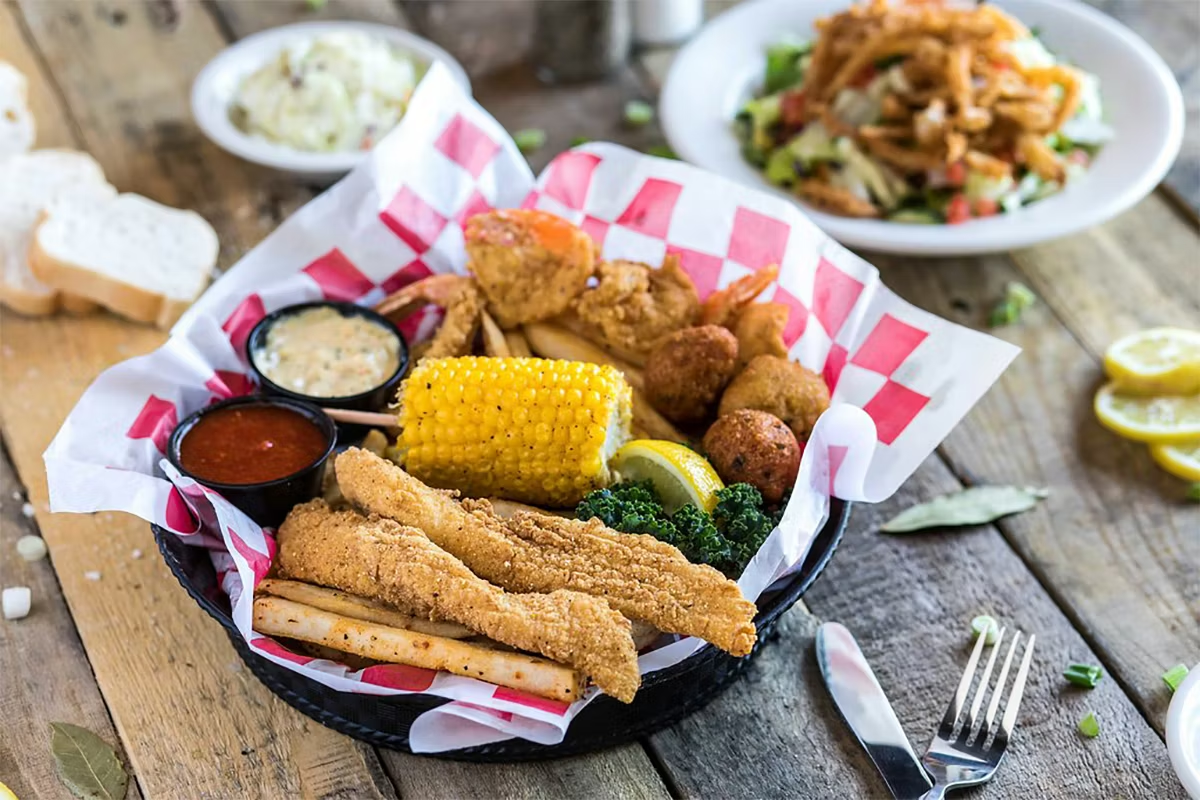
You want crispy, well‑seasoned catfish every time, not a soggy, floury mess. Getting that result starts with choices you make before the pan ever sees oil. Use the right cornmeal grind and balance it with a bit of flour or rice to create a coating that fries up with a satisfying crunch. Pick a wet anchor that clings without gumming so the breading stays attached during cooking. Cajun cuisine and seafood traditions favor bold seasoning, and those little details of temperature, timing, and seasoning are what decide whether the dish comes together. Razzoo’s Cajun Cafe knows how those elements work in classic Cajun food preparations.
Quick Method: Ultra‑Crisp Fried Catfish in 5 Steps
If you want ultra‑crisp fried catfish without fuss, this five‑step quick method gets you there fast by combining straightforward seasoning, a proper dredge, a brief rest, frying at the right temperature, and correct draining. Pat the fillets dry and sprinkle salt and pepper evenly so the seasoning adheres, which complements Cajun cuisine’s bold flavors when you add paprika, cayenne, or Creole seasoning.
Set up a shallow dredge using flour or your chosen coating and shake off excess to avoid clumps and to ensure an even crust like the offerings at a casual Cajun restaurant.
Rest the coated fillets on a rack for five minutes to let the crust set before frying, mirroring the care taken in many seafood kitchens.
Heat oil to 350–365°F (175–185°C) and test with a small pinch of coating so it sizzles immediately without burning, which helps produce that signature crispy exterior found in Cajun food.
Fry the fillets in batches until they’re golden and the internal temperature reaches 145°F (63°C), and then transfer them to a wire rack over paper towels to drain and stay crisp prior to serving.
Why Cornmeal and Grind Matter for Crunch and Flavor
The grind of cornmeal matters for fried catfish because particle size determines both texture and flavor. Fine cornmeal creates a thin, even crust that soaks up seasonings and crisps quickly, which complements the bold flavors of Cajun cuisine.
Medium or coarse grits produce a pronounced crunch and a more rustic bite that fits well on a seafood menu at a Cajun restaurant.
The grind also influences oil absorption and cook time, since finer grinds brown faster and can lead to overcooking if not monitored, while coarser grinds require a slightly longer, steady cook to crisp without burning.
Flavor release differs between grinds, with coarser pieces delivering a toasty corn note in bigger bites and finer meal blending into the seasoning for a more uniform taste.
Match the cornmeal grind to the eating experience desired when enjoying Cajun food like fried catfish.
Choose the Cornmeal + Flour Blend for the Bite You Want
Balance cornmeal with flour to control how a fry cooks and what the bite feels like in Cajun cuisine.
If you want a pronounced crunch for seafood, use more coarse cornmeal and less flour because the grit creates audible texture and holds up against moist fillets.
For a lighter, tender crust that suits dishes often found in a Cajun restaurant, increase the proportion of flour—preferably a low-protein one like cake or pastry flour—so the coating crisps thinly without toughness.
A 70/30 cornmeal-to-flour ratio gives a rustic crunch, 50/50 balances crispness and tenderness, and 30/70 leans toward a more delicate bite.
Mixing in a small amount of rice flour or cornstarch provides extra snap without changing the flavor, and weighing or measuring consistently helps achieve repeatable results.
Test a single piece to dial the blend before committing to the whole batch for the best outcome in Cajun food preparations.
Season the Breading So the Fish : Not the Crust : Shines
After choosing the cornmeal-to-flour ratio that gives the bite you want, concentrate your seasoning where it matters most: on the fish itself. Pat the fillets dry, then salt and pepper them generously so the flesh can absorb flavor. Add a light dusting of paprika, garlic powder, and a touch of cayenne directly to the fish for depth without overwhelming the crust.
Keep the breading mix simpler so the texture of the crust can do the talking, and reserve a pinch of lemon zest and chopped parsley to sprinkle on the fillets after frying for brightness.
When cooking Cajun food or serving seafood in a Cajun restaurant, seasoning the flesh rather than only the coating ensures the exterior will echo those flavors. Subtlety tends to win with delicate catfish in Cajun cuisine.
Wet vs. Dry Coatings: Buttermilk, Egg Wash, or Nothing
Choosing a wet or dry coating changes how the breading sticks, crisps, and flavors the fish in Cajun cuisine.
You’ll pick buttermilk when you want tang, tenderized flesh, and a thick base that clings well to cornmeal or flour mixes common in Cajun food.
An egg wash provides a neutral, protein-rich binder that promotes deep adhesion and creates a golden, slightly denser crust suited to hearty seafood preparations.
Skipping a wet coating results in a lighter, flakier finish and allows seasonings to directly contact the fish in a way often prized in Cajun restaurant dishes.
For best results, match coating choice to texture goals by choosing buttermilk for plushness, egg for sturdy adhesion, or nothing for delicate crispness, and adjust seasoning intensity to complement the chosen approach.
Oil, Temperature, and Frying Time for Crispy Fried Catfish
Once your coating is set, the frying stage determines the crispness of the catfish, and that depends on the oil type, temperature, and timing. Use a high-smoke-point oil such as peanut, canola, or refined sunflower because these oils remain stable at frying temperatures and don’t impart off-flavors to the fish.
Heat the oil to 350–365°F (175–185°C) for thin fillets; thicker pieces fare better at the lower end so the center cooks through before the crust darkens. Maintain the oil temperature by avoiding overcrowding the pan and by allowing the oil to recover between batches in order to preserve an even fry similar to what one might expect at a Cajun restaurant.
Fry the pieces until the crust is golden brown and the fish flakes easily, which generally takes three to six minutes depending on thickness. Drain the fried catfish on a rack for a short time to keep air circulating around the fillets, and serve hot to showcase the crisp exterior that complements Cajun cuisine and other seafood preparations.
Common Breading Mistakes for Fried Catfish : and How to Fix Them
If your catfish comes out soggy, unevenly coated, or with a burnt crust, a simple breading mistake is often to blame rather than the entire recipe. Patting fillets dry is essential because excess moisture prevents the coating from adhering and cools the oil, which can ruin the texture prized in Cajun cuisine.
A light, even dredge will produce a better crust, since overcrowding the flour, egg, or cornmeal creates gaps and causes uneven browning that’s noticeable in any good Cajun restaurant or seafood kitchen. Shaking off excess flour before dipping in egg helps avoid a thick, pasty coating that overpowers the delicate flavor of the fish.
Allowing coated fish to rest briefly on a rack lets the binder set and reduces shedding during frying, which keeps the presentation consistent at a busy Cajun food counter. Finally, monitoring oil temperature is important because oil that runs too hot will burn the coating while oil that’s too cool will let it absorb excess oil and become greasy.
Small adjustments in these areas will resolve most breading problems so the fried catfish can shine alongside other favorites of Cajun cuisine.
Regional Breading Styles and Flavor Swaps for Catfish (Southern, Cajun, Nashville)
When you compare Southern, Cajun, and Nashville styles side by side, the differences show up in the coatings as clearly as they do in the spice jars.
Southern breading leans on a light, crispy cornmeal or flour mix that highlights the fish.
Cajun cuisine favors bold seasonings and coarser cornmeal for a rustic, peppery crust that’s common in Cajun food and on the menu at many a Cajun restaurant.
Nashville doubles down on heat with cayenne-forward spice blends and sometimes a touch of sugar for that signature sweet-heat bite.
You can tweak textures and flavors by swapping fine for coarse cornmeal to add crunch, folding in panko for extra flake, or using self-rising flour for lift.
To shift heat, adjust cayenne, smoked paprika, or black pepper.
Finish with lemon, pickles, or hot honey to match the regional vibe.
Make‑Ahead, Storage, and Reheat Tips to Keep Breading Crispy
Because crispy breading is what sells the dish, planning ahead and storing fried catfish the right way preserves that crunch instead of letting it become soggy, limp, or gummy.
If you’ll make Cajun-style catfish ahead, fry it until it’s just golden and then cool it on a wire rack so steam can escape. After cooling, refrigerate the pieces uncovered briefly before wrapping them loosely with foil to avoid trapping moisture inside.
For longer storage, freeze the pieces in single layers on a tray and then transfer them to a bag with as much air removed as possible.
Reheating from chilled or frozen works best in a preheated oven or convection toaster set to 375–400°F (190–205°C) with the fish on a wire rack, and a few minutes under the broiler help finish crisping the breading. Avoid using a microwave unless you finish the pieces under the broiler to restore texture, and don’t stack pieces while storing or reheating to keep the crust crisp like you’d expect at a Cajun restaurant serving classic seafood or other Cajun cuisine.