Why Cajun Restaurants Are Always Busy
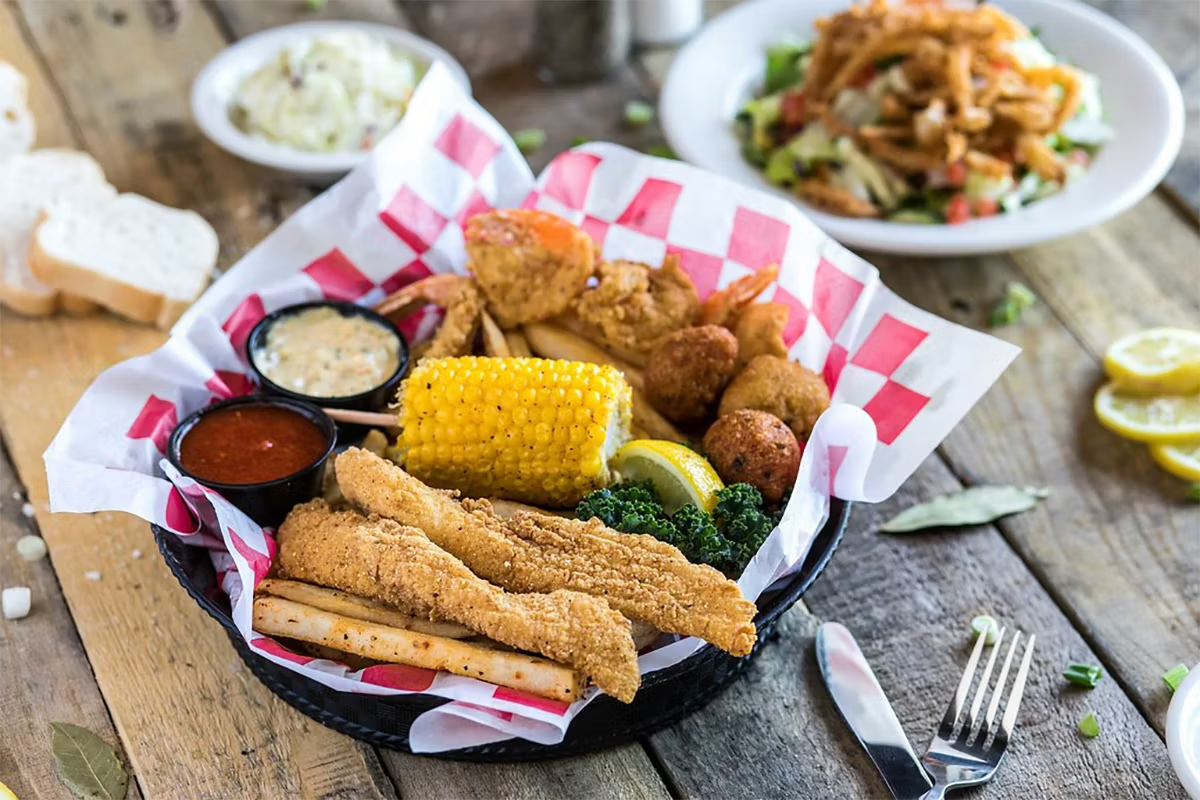
You keep going back to Cajun spots because Cajun cuisine hits more senses than most kitchens with smoky spice, rich fats, bright citrus, and hands-on seafood plates that make meals feel social. The music and storytelling in Cajun restaurants create a lively atmosphere, and those shareable combos nudge groups to order more. Streamlined prep in Cajun food kitchens keeps service quick and consistent, and Razzoo’s Cajun Cafe blends all of these elements to lock diners in and keep tables turning.
Why Diners Keep Coming Back to Cajun Restaurants
You often crave a Cajun restaurant because the food hits deep, familiar notes—bold spices, smoky heat, and lively textures that stay with you.
Cajun cuisine feels honest and uncomplicated, with gumbo that warms, jambalaya that satisfies, and fried okra that crunches just right. Service at many Cajun restaurants matches the food with friendly, quick, and familiar interactions so you feel seen rather than rushed.
Portions are generous in Cajun eateries, letting you share or save and making visits both economical and social. The menu balances classic Cajun dishes and daily specials, allowing you to rely on favorites while still discovering something new.
Ambience, from music and chatter to the smell of the kitchen and the scent of seafood cooking, creates a communal vibe that keeps drawing you back.
How Cajun Flavors Are Built to Attract Repeat Visits
Cajun flavors are often layered to keep diners coming back, as salt and spice meet fat and acid so each bite delivers comfort, excitement, and balance simultaneously. You can taste how smoked and charred notes anchor bright herbs and citrus, making Cajun cuisine feel familiar yet surprising.
Chefs rely on backbone ingredients such as roux, andouille, and shrimp stock to create depth that carries across plates, so one spoonful invites another. Heat levels in Cajun food are dialed to tease rather than overwhelm, encouraging patrons to try a milder or bolder version on a future visit to a Cajun restaurant.
Textures in seafood and other dishes are varied—crisp, silky, chewy—so meals never feel monotonous, and those deliberate contrasts train the palate to expect complexity and return for more.
Communal Dining Rituals That Make Meals Feel Like Celebrations
Gathering around a steaming pot or a shared platter turns a Cajun meal into an event you don’t just eat but actively participate in.
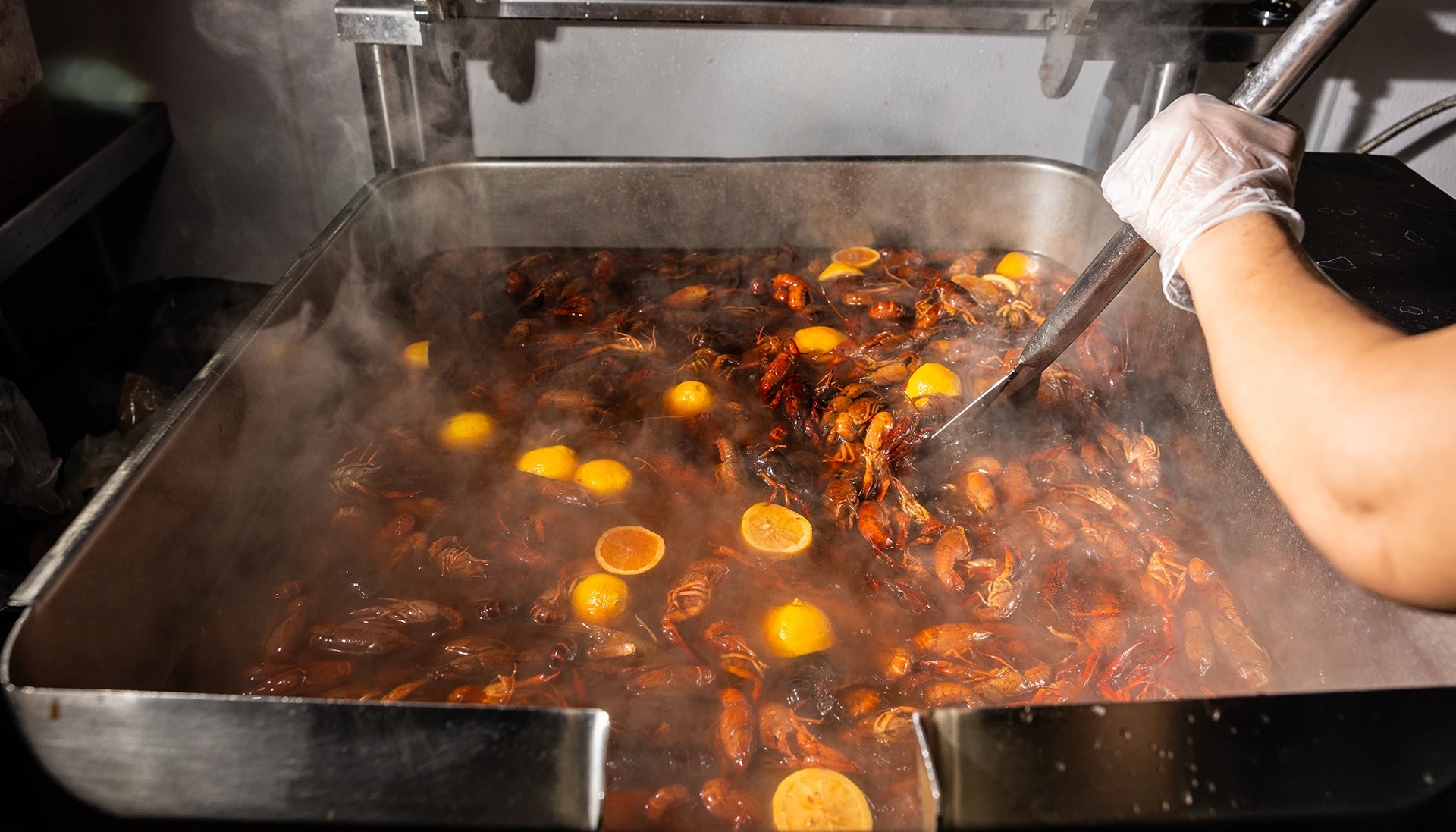
In a Cajun restaurant, people pass bowls, ladle gumbo, peel shrimp, and trade bites as they learn flavors by touch and timing. Hands-on dishes like crawfish boils slow the pace of a meal, encourage conversation, and reveal differences in spice tolerance.
Communal orders such as big platters of jambalaya or a whole fried fish invite diners to sample more than they’d choose alone, which expands their tastes.
Rituals like wiping hands with paper towels bundled on the table, stacking shells in a pile, or cheering a perfectly cooked piece create tiny shared victories. Those repeated, tactile acts build familiarity, loyalty, and the kinds of stories people tell about Cajun cuisine when they return home.
Atmosphere, Music, and Service That Turn Meals Into Events
The room seems to breathe with the music and the staff’s rhythm. Brass and accordion set a lively pulse while servers move with practiced choreography, dropping plates, refilling drinks, and calling out orders as if they’re part of the show.
You lean in because the sound pulls you, and conversation rises to match the tempo. Lighting is warm and tables are close enough to feel communal without becoming cramped, so you sense shared energy while still keeping your group together.
Servers read the table, timing pours and light small talk to heighten enjoyment rather than rush the meal. Performative moments—a quick song, a playful shout when a Cajun seafood boil lands—turn Cajun food and Cajun cuisine into something theatrical, so you leave feeling entertained as well as satisfied.
Menu Strategies That Boost Group Orders and Average Checks
Design the menu to encourage communal ordering and higher checks by leaning into group dynamics. Family-style platters, shareable boils, and combo feasts make it easy for parties to order once and split their Cajun food. Tiered add-ons such as extra sausage, larger seafood piles, and premium sides increase per-person spend without creating extra decision friction.
Prompt larger orders by grouping items into clear tiers—small, medium, and large—with suggested guest counts. Curated combos that pair high-margin sides or drinks with popular mains help sell more of the Cajun cuisine, and labeling items “perfect for 4” reduces choice anxiety.
Offer simple upgrades at ordering points, like “add a pound” or “make it a feast” buttons for online ordering and POS systems. Train servers to recommend combos and highlight savings so a confident suggestion boosts acceptance and average checks.
How Cajun Kitchens Scale Service Without Losing Flavor
After menus are set to drive bigger group checks, the kitchen must handle larger, more complex orders without sacrificing the smoky, spicy character that defines Cajun food.
The brigade standardizes base components—fundamental roux, mirepoix, and stock—so cooks can assemble plates quickly while preserving depth of flavor. Sauces are batch-cooked and proteins are finished to order, and bright seasonings and fresh herbs are kept out front to revive flavor during service.
Stations are trained to execute core techniques such as blackening, breading, and pan-searing so each cook reproduces the signature textures of Cajun cuisine. Timing charts and holding trays are used to prevent overcooking and flavor loss in seafood and other proteins.
The kitchen monitors heat, seasoning, and garnish steps and tastes constantly to maintain consistency in the Cajun restaurant. Disciplined prep, clear roles, and quality checks allow the operation to scale volume without diluting the soul of the cuisine.
Regional Roots and Storytelling That Build Loyal Crowds
Because food carries memory, Cajun restaurants sell more than meals — they sell stories rooted in bayous, family kitchens, and neighborhood fêtes that keep guests coming back.
You notice those stories in menu notes, framed photos, and servers who share where a gumbo recipe came from. You hear dialect and laughter that make the room feel like an extended table. Those narratives turn strangers into regulars because diners aren’t just tasting spice; they’re touching a lineage.
When staff explain a seasonal tradition or teach how to enjoy a seafood dish, guests invest emotionally. That loyalty survives trends because people return for honest Cajun cuisine more than novelty.
Smart operators cultivate and repeat these tales, knowing authenticity fills seats.