Why Cajun Food Is Great for Group Meals
Cajun food is ideal for feeding a crowd because its bold, layered flavors scale without fuss and allow hosts to mix and match dishes to suit different tastes. Cajun cuisine features one-pot meals like gumbo and jambalaya that save time and reduce cleanup, while smoky sausages and tender chicken stretch portions and keep everyone satisfied. Seafood plays a starring role in many recipes, from shrimp to crawfish, adding variety and a distinctive regional taste. Razzoo’s Cajun Cafe captures this spirit, and the presence of pickles or hot sauces lets guests customize heat so hosts can focus on serving and socializing.
Mix-and-Match Cajun Menus for Crowds
When you’re feeding a crowd, mixing and matching Cajun dishes allows you to accommodate different tastes without preparing a dozen separate meals. A flexible spread can be built by pairing bold Cajun mains like jambalaya or shrimp étouffée with milder sides such as dirty rice, cornbread, and roasted vegetables.
Offering a couple of heat levels, for example a smoky-and-mild sausage option alongside fiery Cajun chicken or a spicy hot sauce on the side, helps guests find flavors they enjoy. Including vegetarian-friendly Creole beans or a hearty okra stew ensures that non-meat eaters aren’t left out of the Cajun cuisine experience.
Keeping sauces, pickles, and lemon wedges accessible supports easy customization of seafood and other dishes. Preparing components ahead and reheating them saves time while allowing guests to tailor their plates without fuss, maintaining smooth and satisfying service.
Portions & Timing for Feeding a Crowd
Plan portions by starting with a reasonable per-person baseline and then adjusting for appetite, event length, and the number of sides offered. For a sit-down meal, estimate 6–8 ounces of cooked protein per adult, and for buffet-style grazing plan on 4–6 ounces per adult while increasing quantities for hearty eaters and for popular Cajun cuisine or seafood dishes.
Count most children as half portions unless they’re teenagers who’ll likely eat adult portions. Add 20–30% extra to your total to allow for unexpected guests or for seconds at a Cajun restaurant–style spread.
Time cooking so that hot dishes finish just before serving and so that cold items, including chilled seafood platters, stay properly chilled. Use warming trays and insulated carriers when transporting or holding dishes to maintain safe temperatures.
Stagger preparation by making sauces and sides ahead of time and by finishing proteins last to keep them at their best. Schedule 15–30 minutes of buffer time for delays and for refill cycles during a busy service.
Label servings and provide clear serving utensils to help control flow and reduce waste while helping guests find the Cajun flavors they enjoy.
One-Pot Cajun Dishes That Scale Easily
One-pot Cajun dishes are ideal for feeding a crowd because they concentrate bold flavors, reduce cleanup, and scale up with minimal fuss. Many cooks rely on staples of Cajun cuisine such as gumbo, jambalaya, and étouffée because those dishes keep well, travel easily, and allow additional protein or vegetables without changing the basic technique.
A solid roux provides a flavorful foundation, aromatics build layers of taste, and simmering long enough lets the flavors marry throughout the pot. Larger pots multiply the same techniques used in smaller batches, so heavy-duty stockpots or Dutch ovens become valuable when cooking for many people.
Adjusting seasoning after reduction and holding the pot at low heat helps preserve moisture and flavor. One-pot recipes for Cajun food also make it easy to prep components ahead of time and finish the meal straight from the pot for efficient, satisfying group service.
Hands-On Serving: Boils, Family Style, and Stations
Plunge into hands-on Cajun serving and you’ll turn a meal into an experience.
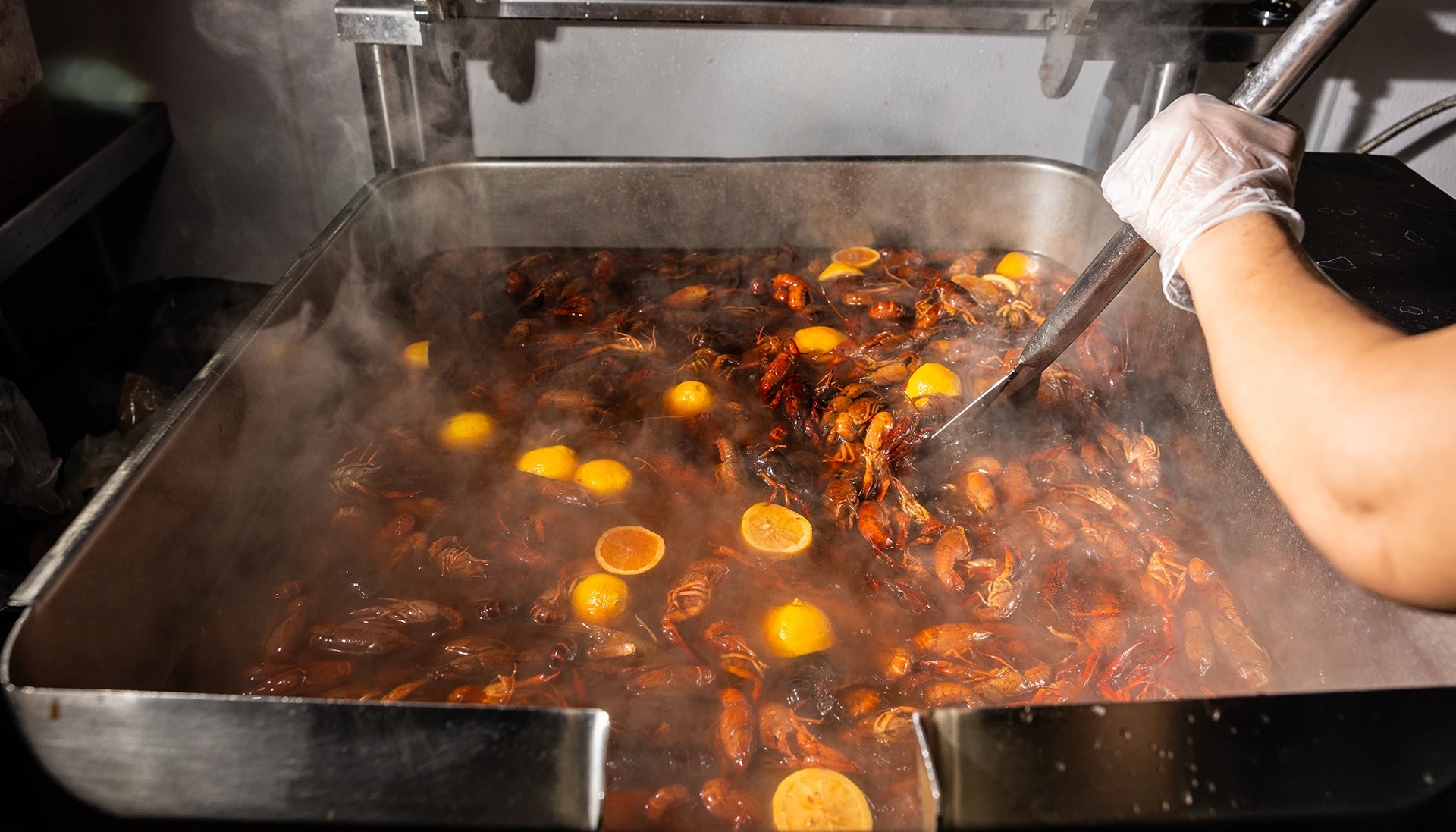
Boils spread across newspaper, family-style platters passed down the table, and build-your-own stations invite guests to interact and customize their plates. You set steaming piles of shrimp, sausage, corn, and potatoes in the center and hand out mallets and bibs so people can dig in.
The casual, communal, and lively atmosphere mirrors the spirit of Cajun cuisine and seafood traditions. Family-style bowls allow hosts to portion responsibly while encouraging sharing, and bowls are refilled as conversation flows.
For stations, offering sauces, pickles, rice, and greens helps guests tailor heat and texture to their tastes. You manage flow by grouping hot items together and keeping utensils handy to make feeding a crowd feel effortless and fun.
Budget Cajun Ingredients That Stretch Your Dollar
Stretch your budget without skimping on flavor by leaning on affordable, high-impact Cajun staples such as smoked sausage, inexpensive white fish, whole chickens, rice, beans, cabbage, potatoes, and onions. These ingredients form the backbone of Cajun cuisine and deliver the bold, smoky, and spicy notes associated with classic seafood boils and hearty gumbo. You can build filling meals for a crowd by combining those items with pantry basics like canned tomatoes, stock, and a simple roux to deepen the sauce.
Whole chickens work well roasted, shredded, or simmered into a rich gumbo, while sausage adds immediate seasoning and bulk to stews and jambalaya. Inexpensive white fish stretches lean proteins in seafood casseroles and po’boys, and rice and beans fill plates cheaply while soaking up every bit of sauce. Cabbage and potatoes provide texture and volume without inflating the produce bill, and buying frozen when fresh is pricey helps keep costs down. Shopping sales and portioning with rice or potato sides let you feed many with bold Cajun character reminiscent of an authentic Cajun restaurant menu.
Big Cajun Flavors That Please Picky and Adventurous Eaters
Bold Cajun touches can lift familiar favorites and satisfy both picky eaters and adventurous diners.
You can keep core dishes recognizable—such as roasted chicken, pasta, or shrimp—while layering simple Cajun elements like paprika, garlic, onion powder, and a touch of cayenne. Offering a mild base with optional heat lets guests control spice, for example by serving a creamy Creole sauce on the side or topping dishes with a zesty remoulade.
Smoky ingredients such as andouille or smoked paprika add depth without overwhelming unfamiliar palates.
Fresh parsley, green onions, and lemon wedges brighten flavors and provide contrasting notes that complement Cajun cuisine and seafood dishes.