Why Cajun Food Creates Repeat Customers
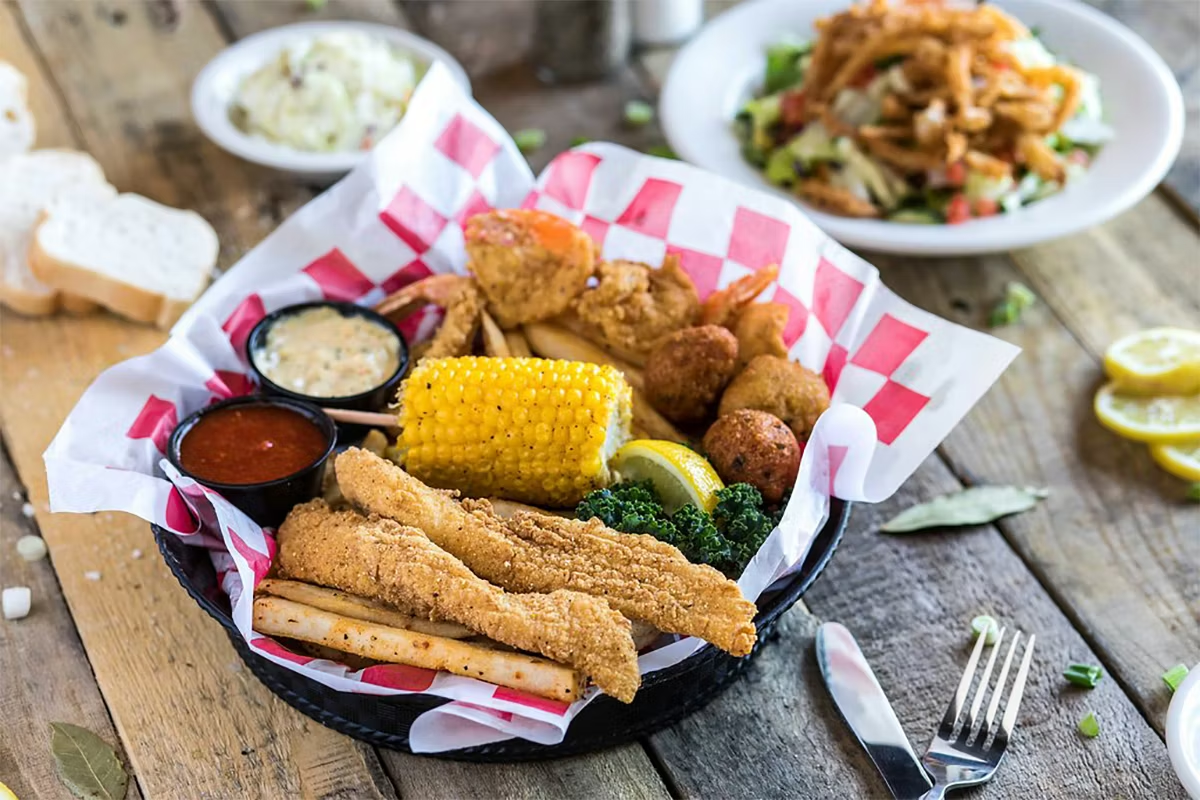
You come back to Cajun food because it hits deep with bold, layered spices and velvety sauces that make every bite interesting. Cajun cuisine comforts and surprises at once by balancing heat with bright acids and fresh herbs so your palate stays engaged. The textures in seafood and meat dishes add another level of appeal, and the shareable, ritualized nature of many Cajun meals makes dining feel social and worth repeating. Razzoo’s Cajun Cafe captures these qualities, turning first-timers into loyal regulars.
Why Cajun Food Makes Customers Return
Cajun food often draws customers back because it satisfies multiple cravings at once: bold, layered spices wake the palate, comforting textures like smoky, tender proteins soothe, and a lively balance of heat, acidity, and umami keeps each bite interesting.
Diners remember the warmth of a well-made roux, the snap of fresh peppers, and the way rice soaks up sauce, so they seek that combination again at a favored Cajun restaurant.
People value dishes that feel honest and handcrafted, and simple techniques in Cajun cuisine can yield deep, satisfying rewards.
Social memory also plays a role, as shared plates, casual service, and a lively atmosphere in seafood- and Cajun-focused eateries make eating feel like an event worth repeating.
What Cajun Diners Search For and Want
Cajun diners regularly look for bold flavors in Cajun food that feel honest and homemade. They want spice that’s layered rather than merely hot, and they appreciate sauces that cling to rice and protein. Diners expect fresh ingredients, well-rendered proteins, and balanced seasoning so that each bite has depth without overpowering heat.
Customers want menu variety in a Cajun restaurant, with comforting classics like gumbo or étouffée alongside lighter options and daily specials that show care. Patrons value consistent portion sizes, clear descriptions, and reasonable prices so decisions feel confident.
Guests notice attentive service from staff who know the dishes and can recommend pairings or appropriate spice levels. People also appreciate clean, lively atmospheres in which they can eat comfortably with friends or grab a dependable solo seafood meal on repeat.
How Bold Flavors and Textures Drive Repeat Visits
Cajun diners crave honest, layered heat and sauces that cling, and those same elements draw them back night after night to a Cajun restaurant. Textures that surprise keep the experience lively, from crisped edges on fried oysters to tender pulls in slow-braised meats and a velvety roux that coats every bite of Cajun cuisine.
Bold spices wake memory and make simple ingredients sing, so tasters keep returning to chase that blend of smoky, peppery, and savory notes in seafood and other dishes. Contrast matters, as bright acid or fresh herbs cut richness and make each course feel new, encouraging another plate. When flavors are balanced but unapologetic and textures vary across a meal, diners leave satisfied yet curious, already picturing the next visit to relive that sensory payoff.
Signature Cajun Dishes That Create Cravings
Start with a bowl of gumbo—thick, smoky, and spoonable—and you’ll understand why Cajun cuisine creates cravings.
Add the samba of jambalaya’s rice and sausage and you’ll see how Cajun food layers heat, texture, and comfort into a single plate that calls diners back.
You’ll taste étouffée’s velveted shellfish coated in a roux that clings to rice, and you’ll be drawn to that creamy, spicy balance.
You’ll encounter blackened fish whose charred crust gives way to flaky tenderness, delivering an immediate contrast of flavors and textures.
Red beans and rice provide slow-simmered depth and familiarity, while boudin offers a savory, spicy chew that tempts you to return.
These hallmark seafood and Cajun dishes deliver repeatable, memorable experiences that anchor customers’ return to a Cajun restaurant.
Service, Atmosphere, and Rituals That Build Loyalty
Great food gets customers in the door, but service, atmosphere, and small rituals keep them coming back.
The staff make guests feel seen with warm greetings, attentive timing, and servers who know the Cajun menu and local stories.
The atmosphere is crafted to match Cajun spirit, with lively music, comfortable noise levels, rustic décor, and communal seating that invites conversation.
Rituals such as a complimentary biscuit, a signature hot sauce bottle on the table, or a celebratory “laissez les bon temps rouler” at birthdays become part of the visit.
Consistency matters because predictable warmth, quick problem resolution, and little surprises turn first-timers into regulars.
When service and setting echo the personality of the Cajun cuisine and seafood dishes, loyalty follows naturally.
Menu, Portions, Pricing, and Promotions That Encourage Return Orders
A Cajun menu that balances signature dishes, rotating specials, and clear portion cues encourages guests to return for both variety and comfort.
Offering shareable platters alongside individual meals ensures that groups and solo diners can both find value at a Cajun restaurant.
Portion sizes should match appetite expectations, with small plates available for sampling and hearty entrees provided for full satisfaction.
Pricing should be set so that perceived value exceeds cost, and tiered options such as half and whole portions or separate lunch and dinner menus invite repeat visits at different spend levels.
Time-limited promotions, such as weekday gumbo specials or loyalty discounts on birthdays, can prompt customers to come back without cheapening the brand.
Highlighting add-ons and combo builds increases ticket size while allowing customers to tailor spice level, heat, and sides to their preferences.
Clear menu language and visible portion descriptions reduce uncertainty and help diners place confident repeat orders for Cajun cuisine and seafood.
KPIs and Quick Tests To Measure and Boost Retention
Because retention depends on repeat visits as much as first impressions, you should track a focused set of KPIs such as return visit rate, frequency per customer, retention cohort curves, and average lifetime value to determine whether menu and promotion changes actually keep guests coming back to the Cajun restaurant.
You should also monitor net promoter score to gauge referral likelihood and churn by segment, for example comparing first-timers with regulars who favor Cajun cuisine or seafood dishes.
Run quick A/B tests, for instance by swapping a promotional gumbo special or adjusting portion size, and measure any lift in the next-30-day return rate for customers who ordered Cajun food.
Test loyalty reward tweaks such as a double points day and measure resulting increases in visit frequency.
Use short surveys at checkout to connect guest experience with subsequent behavior, and review results weekly so you can act on clear winners and iterate monthly.
Small, rapid experiments will reveal what genuinely deepens commitment among Cajun fans.