What Makes Cajun Dining Memorable
You step into a Cajun kitchen and the air changes as a dark roux bubbles and the holy trinity sweats. Cayenne and smoked andouille hint at heat while Cajun food arrives family-style and everyone reaches for shells and spoons. Conversations overlap with fiddles and laughter because Cajun cuisine is as much about texture and rhythm as it is about spice. When the river meets the skillet, the seafood flavors draw you in and you find yourself wanting to stay for the stories that follow at Razzoo’s Cajun Cafe.
What Defines Cajun Dining
Cajun dining centers on bold, rustic flavors born from resourcefulness and community, and Cajun food often features locally available ingredients like rice, shellfish, pork, and the "holy trinity" of onion, bell pepper, and celery.
Simple techniques such as slow simmering, braising, and one-pot cooking concentrate flavors and stretch ingredients so everyone eats well. Diners commonly eat with their hands and share large plates in a Cajun restaurant or at home, where texture and heartiness matter as much as taste.
Tradition guides portions, seasonality, and convivial pacing, and meals are social events that build bonds. Improvisation is valued in Cajun cuisine, with cooks adapting recipes to what’s on hand while honoring culinary lineage.
Cajun Flavors: Signature Spices and Sausages
When you bite into a classic Cajun dish, the layered spices and smoked sausages strike first. Cayenne and paprika provide heat and color, while garlic and onion powder add savory depth. A pinch of thyme or oregano helps round the flavor profile. You can also taste black pepper’s sharpness and white pepper’s bite, with celery salt and bay leaf lending subtle backbone. The seasoning frequently begins with a dark roux that tames bitterness and binds flavors in Cajun cuisine.
Andouille and boudin contribute texture and smoky, spiced meatiness. Andouille delivers coarse smoke and pronounced garlic notes, and boudin combines rice, herbs, and pork for a comforting, hearty component. Cooks in a Cajun restaurant balance spice, smoke, and fat so each element complements the others in seafood dishes and traditional Cajun food.
Local Ingredients and Seasonality in Cajun Food
Because the Gulf and bayous yield what’s freshest each week, you taste seasonality in every pot of Cajun food. Shrimp and oysters peak in cooler months, blue crabs come in strong during summer, and freshwater fish and wild game follow migration and spawn cycles.
You notice local produce such as okra, sweet potatoes, and citrus when their flavors are strongest, and crawfish season transforms markets and Cajun restaurant menus. Farmers’ markets, roadside stands, and fish camps connect you with seafood and ingredients harvested nearby, so Cajun cuisine reflects place and time.
Chefs and home cooks source from neighbors and value freshness and community knowledge. That practice keeps Cajun food rooted in ecosystem rhythms, sharpens flavor, and makes each meal a timely expression of the landscape.
Cooking Techniques That Define Cajun Dishes
Fresh, local ingredients shape what goes into the pot, but technique is what transforms those ingredients into classic Cajun dishes. In Cajun cuisine, cooks build flavors gradually by sweating onions, bell peppers, and celery until they release their natural sweetness.
Browning proteins creates fond that deepens stews and enriches sauces in seafood boils and other Cajun restaurant specialties. A dark, nutty roux is developed slowly and with constant stirring to give gumbo its characteristic color and depth.
Chefs in Cajun food traditions season boldly and taste often to balance heat and salt against acidity. Slow simmering concentrates flavors in chowders and stews, while quick, high-heat searing produces crisp edges on seafood and meats.
Deglazing is used to lift browned bits into sauces, and careful timing of additions keeps seafood and greens vibrant. These methods are practical, deliberate, and rooted in making every bite unmistakably Cajun.
Textures and Tactile Rituals at the Table
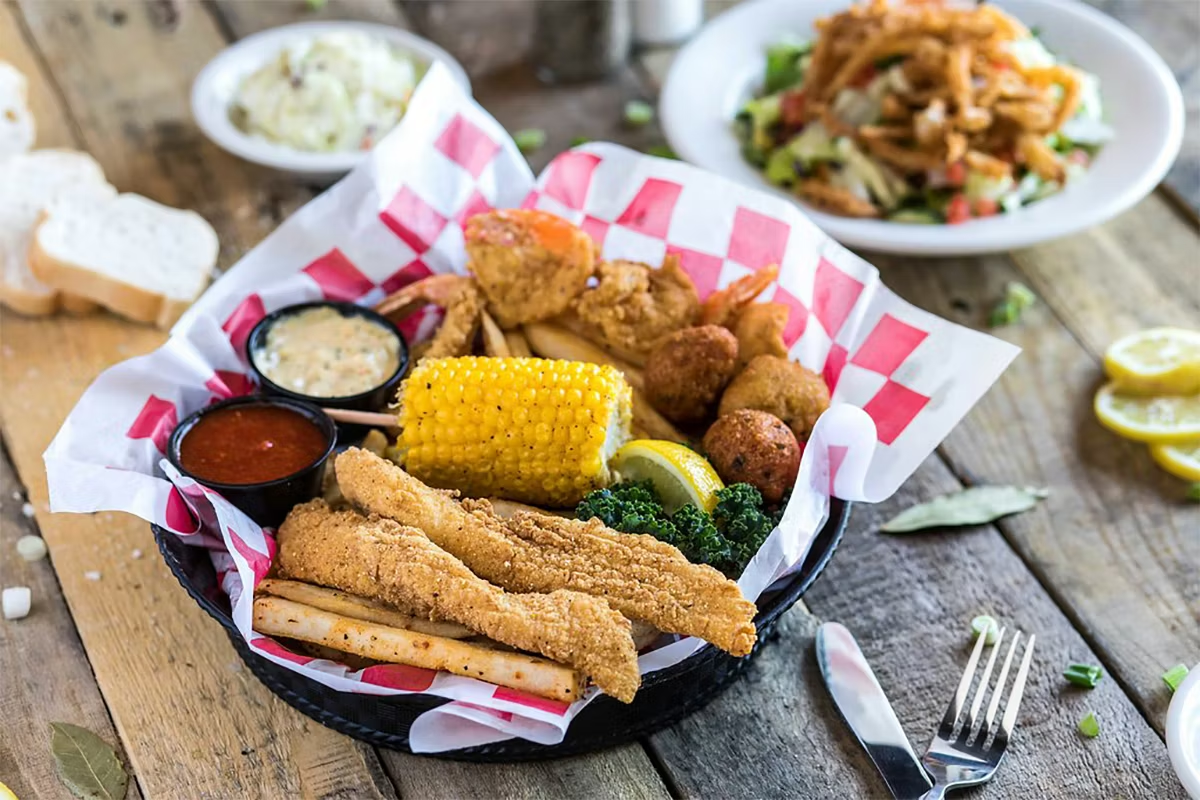
Often you’ll reach for a crawfish or a crisp piece of fried catfish and feel, as much as taste, what makes Cajun dining memorable: contrasting textures that invite touch and participation. You crack shells, peel tails, and savor the spring of tender meat against crunchy exterior batter as the flavors of Cajun cuisine unfold.
You pinch spicy sausage and notice its satisfying snap while you shovel saucy gumbo with a sturdy spoon in a bustling Cajun restaurant. You appreciate how silky roux coats rice and how slabs of cornbread crumble under your fingers, offering a dry, grainy counterpoint to glossy, stewed okra.
Even the ritual of wiping sauce from your hands with a napkin or a piece of bread connects you physically to the seafood and hearty dishes on the table. These tactile moments make eating active, immediate, and intensely satisfying in any setting where Cajun food is shared.
Cajun Communal Meals: Family-Style Service and Etiquette
Those hands-on moments at the table naturally lead into how Cajun meals are shared: plates, pots, and platters arrive family-style, and diners reach across the table as much to connect with others as to pass the food.
Guests grab what they want while remaining mindful of others’ portions, and they offer dishes before taking seconds. Conversation flows between bites, and laughter and stories season the Cajun cuisine as much as spice.
People respect elders by letting them start, and they accept offers of more with gratitude since declining can seem rude. Utensils are casual, and napkins and hands are treated as tools rather than taboos.
When someone insists a visitor try a seafood dish, the visitor usually does so, and that shared generosity makes the meal feel like a communal event rather than just dinner.
Rituals You’ll Want to Join: Crawfish Boils and Étouffée Nights
When you step into a Cajun crawfish boil or an étouffée night, the energy shifts as conversations rise, spices perfume the air, and everyone leans in for the shared experience.
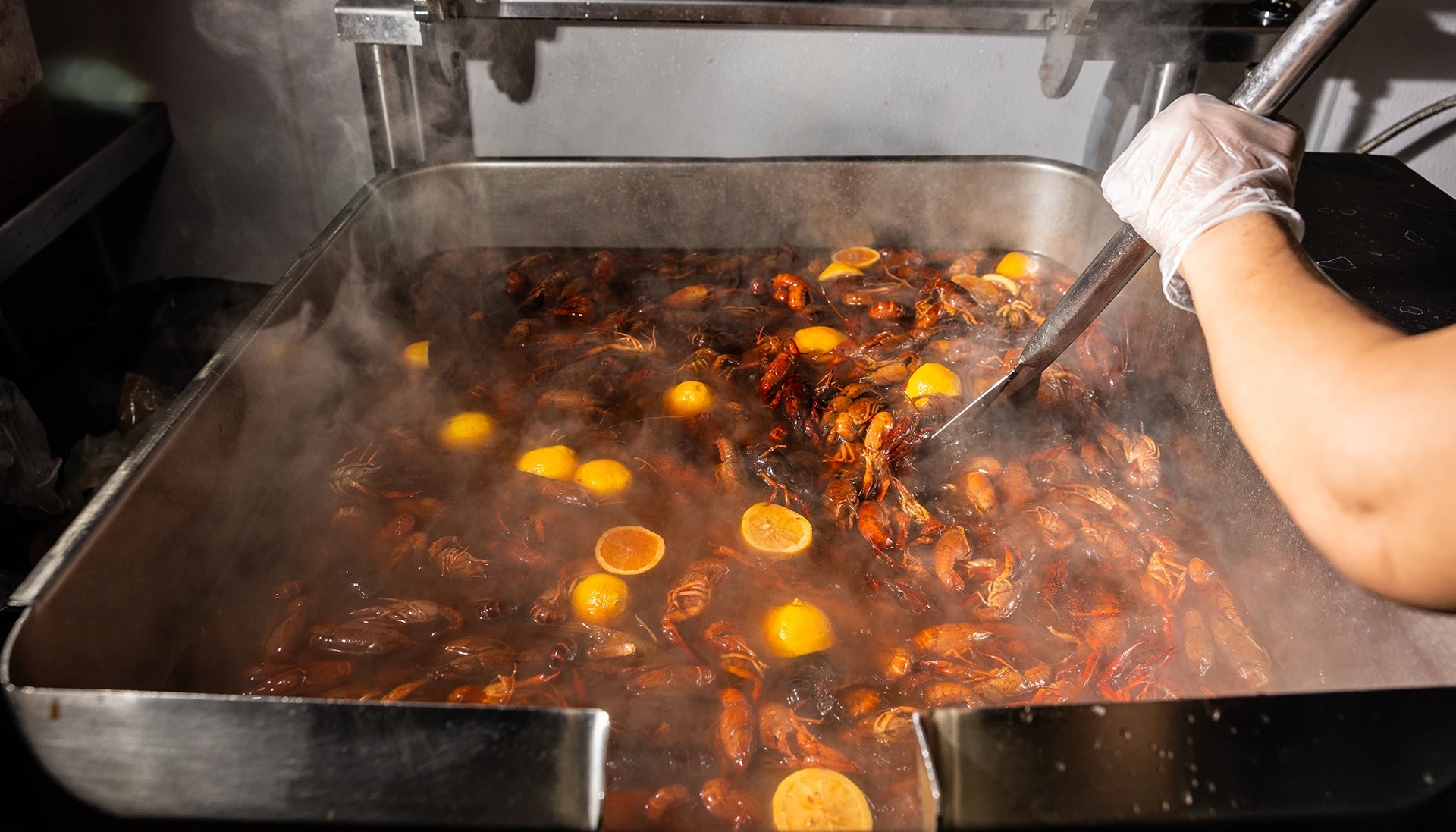
You grab a bib, roll up your sleeves, and become part of a ritual that’s as much about touch and timing as it’s about taste. At boils you peel, dip, and pass piles of seasoned crawfish, noticing which tail yields best and how to pace yourself during the feast. At étouffée nights you ladle rich, roux-thick sauce over rice and savor the layered flavors of onion, celery, and bell pepper that define Cajun cuisine.
Hosts cue the flow of the evening, guests offer thanks, and the act of sharing seafood and Cajun food binds a table into a single, resonant moment.
Music, Storytelling, and Hospitality That Complete the Meal
As live fiddles and squeezeboxes circle the room, the tempo of the evening shifts and guests lean in as stories unfold. Each dish of Cajun food tastes more alive under the sway of music and warm hospitality.
Elders trade tall tales and quick jokes between bites, and their cadences match the beat so conversations rise and fall like the melody. Servers greet you like family, checking in with a smile and offering seconds without ceremony so you relax and stay present.
Between songs, someone might teach a phrase in Cajun French or share the origin of a spice, connecting plate to place in the Cajun restaurant setting. The combination of tune, tale, and genuine warmth turns a meal of Cajun cuisine and seafood into a memory you carry home.
Where to Find Authentic Cajun Dining (Louisiana Picks)
Start your search in Louisiana’s bayous and backstreets, where Cajun cuisine stays true to its roots.
Family-run bistros in Lafayette serve gumbo simmered all day, and hole-in-the-wall Cajun restaurants in Eunice offer cracklin and boudin.
Porch-front cafés in Houma specialize in fried catfish and shrimp po’boys, and local markets and co-ops provide seasonal produce and fresh seafood that chefs rely on.
Places with hand-written menus, handwritten specials, and regulars at the counter signal authenticity, and ordering the house favorites reveals bold spices, slow techniques, and hospitality woven into every plate.
Host a Cajun Dinner: Menu, Tools, and Timing
After sampling authentic Cajun restaurants in Louisiana, you can recreate the bold, homey flavors of Cajun cuisine at your own table with thoughtful planning. Start with a focused menu that centers on a gumbo or jambalaya as the main dish and adds a simple étouffée or fried catfish for variety, accompanied by sides such as dirty rice and cornbread.
Choose recipes that share aromatics—onion, bell pepper, and celery—so that prep work overlaps and speeds the process. Equip your kitchen with a heavy Dutch oven, a sturdy spatula, and a good chef’s knife, and include a cast-iron skillet for frying seafood.
Prepare sauces and roux ahead of time and chill them overnight when possible to deepen the flavors. Organize your schedule so the main dish simmers while you finish the sides, set the table, and chill a crisp beer or white wine. Present the meal family-style and allow guests to serve themselves.