What Makes Cajun Dining Feel So Welcoming
When you walk into a Cajun kitchen, you immediately sense the easy bustle and the way people lean in toward each other instead of away. Servers who know names move through the room and refill your glass without being asked. Platters of Cajun food arrive ready to be passed and shared, and the smell of roux and bayou spices settles into your chest like an old song. Cajun cuisine and seafood dishes are woven into the rhythm of conversation and laughter, and a short stay will show you there is more to it than just the food at Razzoo’s Cajun Cafe.
Why Cajun Dining Feels Like Home
Step into a Cajun restaurant and you feel the warmth wrap around you—the low hum of conversation, the clink of glasses, and the scent of Cajun spices that remind you of family meals.
Seating is close and conversations overlap, so you jump in easily and find yourself part of the flow.
Plates of Cajun food are passed around without ceremony, and steady eye contact from those at the table makes you feel seen.
The rhythm of service in the Cajun dining room is unhurried but attentive, with servers learning names and preferences and sensing when to refill your cup.
Music and laughter thread through the meal, turning strangers into neighbors as stories are shared.
The menu reads like a story of Cajun cuisine, and generous portions encourage communal eating so you leave with a full belly and lighter shoulders, content to have stayed awhile.
What Cajun Hospitality Looks Like Today
Cajun hospitality today blends tradition with modern life, and you can taste that in Cajun cuisine served at a Cajun restaurant or in seafood dishes. Servers still call you by name and share dishes, yet menus now include dietary options, locally sourced ingredients, and craft cocktails alongside classic gumbo and jambalaya.
Hosts balance warmth with efficiency, greeting regulars like family while helping newcomers navigate flavors and pronunciations. Staff explain spice levels, suggest pairings, and remember preferences through simple notes or apps.
Community events have moved online as well, allowing people to book seats, preorder specials, or join virtual cooking demos. Sustainability practices such as reduced waste and seasonal sourcing are woven into the hospitality without diminishing the region’s charm.
Cajun Communal Dishes That Connect People
Pull up a chair and dig in, because Cajun communal dishes are built to bring people together and turn meals into shared experiences.
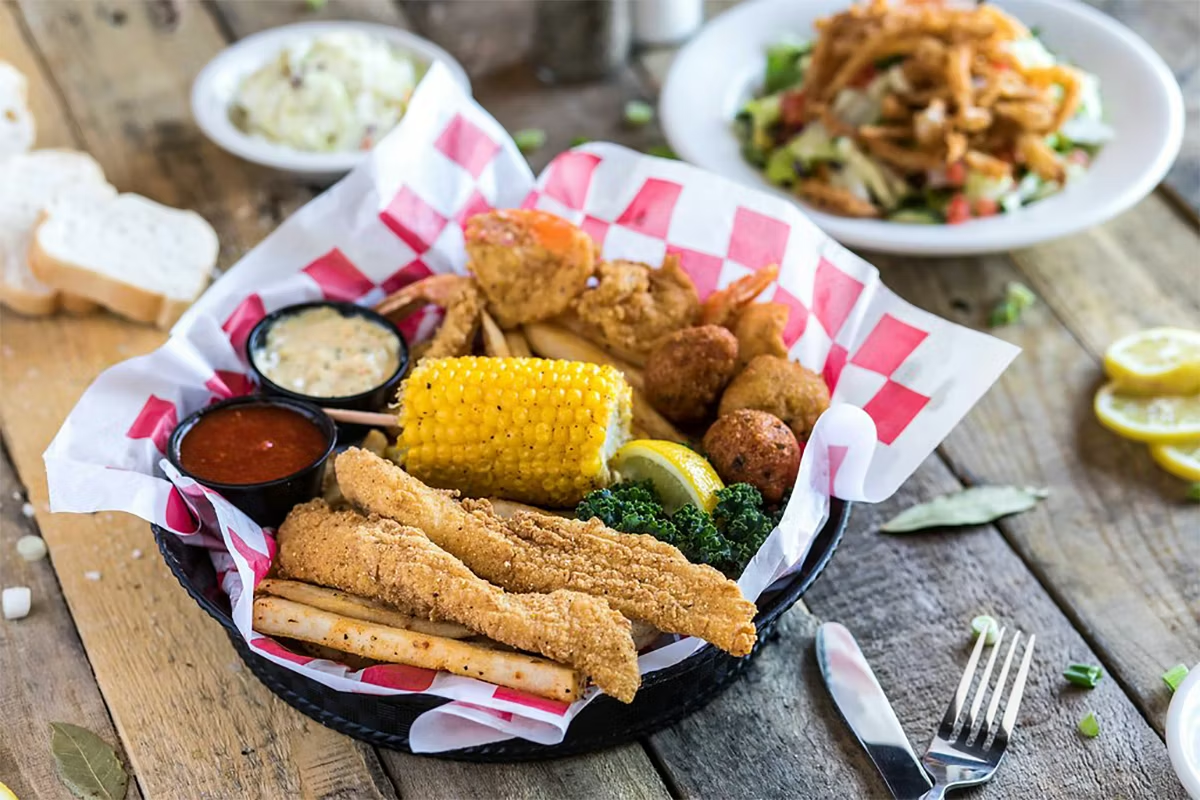
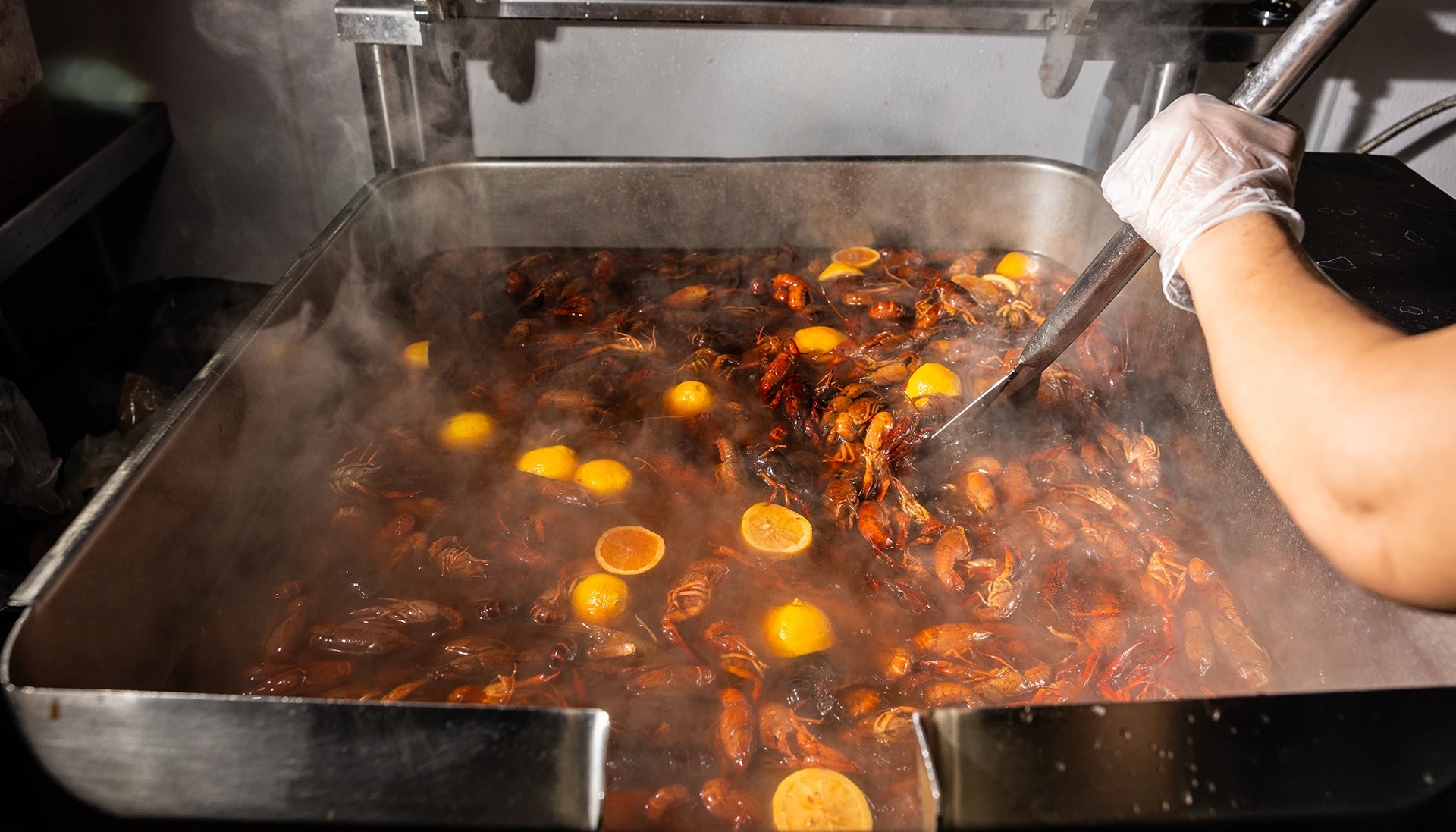
In Cajun cuisine, gumbo, jambalaya, crawfish boils, and étouffée are often served family-style so diners can reach across and share plates, ladles, and stories.
These Cajun food traditions create rituals in which someone stirs, another dishes, and someone else unwraps paper-lined trays so everyone feels needed and connected.
Potluck-style gatherings and large cast-iron skillets mean portions are generous and conversations flow as newcomers are welcomed into the rhythm.
In a Cajun restaurant or at a home table, you don’t dine alone but join a circle where seafood and other dishes act as the connector and every shared spoonful strengthens community.
Smells, Spices, and Textures That Comfort
You’ll immediately notice how Cajun kitchens fill the air with warm, layered aromas that are smoky and roux-rich from browning butter and flour, bright with bay leaf and thyme, and lively with crushed cayenne and black pepper.
You’ll feel comfort in smells that promise hearty, familiar flavors such as simmering tomatoes and onions, the sweet-sultry pull of caramelized garlic, and the mineral tang of seafood steaming in a pot.
Spices in Cajun cuisine arrive in balanced rhythms, offering not overwhelming heat but a steady, assertive seasoning that warms the chest.
Textures complete the comfort in a Cajun restaurant, with tender, slow-cooked meats that fall apart, firm okra that thickens stews, and fluffy rice that soaks up sauces.
Every bite of Cajun food feels grounded, honest, and designed to soothe.
Table Rituals, Music, and Stories That Keep Us Staying
Those aromas and textures do more than feed your body; they set the stage for rituals that slow time and invite connection. You gather around a scarred wooden table in a Cajun restaurant, knowing the blessing, the breaking of bread, and the passing of platters are integral to the meal. You tap a glass to call attention, hear a soft accordion or fiddle weave between laughter, and feel rhythm guide conversation.
Stories rise—about catch-of-the-day triumphs with fresh seafood, family quirks centered on Cajun food traditions, or a remembered Sunday—that anchor you to place and people. You lean in, listen, and add your line, and the tale grows richer. These practices keep you from rushing off and make the meal an event rather than merely sustenance, leaving you lingering long after plates are cleared.