The Story Behind Cajun Food and Its Popularity
You’ll find Cajun food wherever flavor depends more on resourcefulness than refinement. Cajun cuisine grew from Acadian settlers who learned to stretch simple staples into rich, communal meals. Those cooks used bold techniques and a few dependable ingredients to coax deep flavor from what was on hand. The “holy trinity” of onion, bell pepper, and celery, along with smoky meats and roux-shaped stews, became symbols of place and resilience. You can taste the same spirit in seafood boils and hearty gumbos as you can in humble bayou kitchens. Razzoo’s Cajun Cafe shows how those rustic dishes moved from local tables to the national scene.
What Cajun Food Is : Acadian Roots and Bayou Adaptations
When you taste Cajun food, you’re tasting the story of Acadian settlers who adapted their French-country cooking to the bayou’s ingredients and climate. Cajun cuisine reflects a history born from displacement and necessity, as families arrived with basic techniques and reshaped them using local game, seafood, rice, and garden produce.
You encounter hearty one-pot meals in Cajun restaurants and home kitchens alike that were designed to feed a community and to make the most of available provisions. Improvisation is central to Cajun food, with substitutions made according to season, availability, and affordability that transformed simple stews and roasts into distinct regional dishes.
The social dimension of Cajun cuisine is also evident in family gatherings, festivals, and daily life, where recipes pass down orally and evolve with each cook who adds their touch.
Cajun Flavor: Key Ingredients, the "Holy Trinity," and Techniques
Taste the backbone of Cajun cooking: bold, layered flavors built from a few staple ingredients and time-tested techniques.
The "Holy Trinity" of onions, bell peppers, and celery forms the aromatic base of many Cajun dishes, and these vegetables are sautéed slowly to release sweetness and depth.
Cayenne, black pepper, and paprika contribute heat and color to Cajun cuisine, while garlic, thyme, and bay leaf add savory complexity.
Roux, made by cooking flour in fat, is used in Cajun food to thicken sauces and can range from light to deeply brown for a nutty flavor.
Smoked meats, seafood, and stock provide umami, and pickling along with hot sauces brightens the overall profile of many recipes.
Techniques such as braising, simmering, and deglazing concentrate flavors over time in a Cajun restaurant kitchen.
With modest ingredients and patient methods, the resulting cuisine is intense, balanced, and unmistakably Cajun.
Signature Dishes: Gumbo, Jambalaya, Boudin – What Makes Them Endure
Cajun food is often represented by three stalwarts—gumbo, jambalaya, and boudin—each built from simple elements yet offering a distinct, lasting appeal.
Gumbo is recognizable by its deep, slow-cooked stock and the dark roux that tethers flavor, and its ingredients flex with season and catch, whether seafood, chicken, or sausage, so it remains both communal and versatile.
Jambalaya turns rice into a flavor sponge by browning proteins and aromatics together so every grain carries spice and smoke.
Boudin compacts Cajun cuisine into a portable link, with seasoned rice, pork, and liver stuffed and steamed or smoked to concentrate textures and taste.
Each of these dishes endures because it’s adaptable, rooted in technique, and built for sharing within a Cajun restaurant setting or at a seafood-focused gathering, remaining practical, flavorful, and endlessly improvable.
How Migration, Festivals, and Media Popularized Cajun Food
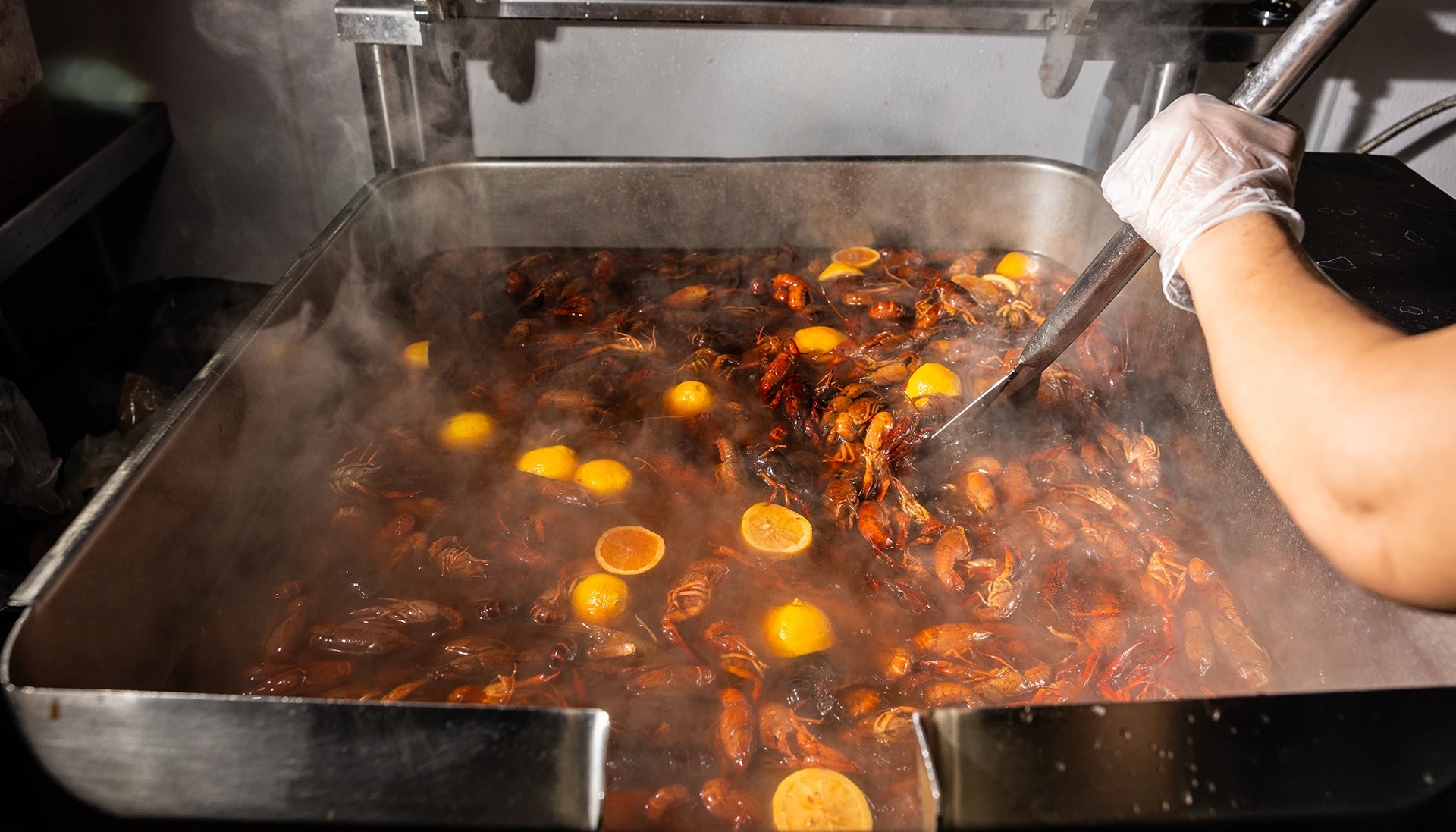
Migration, festivals, and media pushed Cajun food out of kitchen windows and into the wider American imagination. Migrants carried recipes from Louisiana to cities and opened small Cajun restaurants that introduced neighbors to robust spices and rice dishes. Festivals like Mardi Gras and local crawfish boils gave people chances to taste, celebrate, and share seafood and Cajun cuisine traditions in lively public settings.
As journalists, cookbook authors, and TV chefs spotlighted Cajun cooks, audiences began recognizing its flavors beyond regional borders. Food writers framed Cajun cuisine as both rustic and refined, and cooking shows demonstrated techniques that made those dishes feel approachable. Together, movement, communal events, and widespread coverage turned home cooking into a national curiosity people could seek out, savor, and replicate.
Cajun Cuisine Today: Regional Variations and Modern Trends
While rooted in Louisiana’s bayous, Cajun cuisine now shows clear regional variations as cooks adapt techniques and ingredients to local tastes and resources.
Coastal versions of Cajun food lean heavily on seafood such as shrimp, oysters, and crab. Inland plates often favor pork, game, and hearty vegetables that reflect the terroir of their regions. Chefs in urban centers fuse Cajun spice with global influences, pairing roux-based gravies with Asian aromatics or Latin chiles. Vegetarian and vegan takes on Cajun cuisine replace traditional proteins while preserving the bold seasonings that define the style.
Farmers’ markets and sustainable sourcing have shifted many Cajun restaurant menus toward seasonal produce. Low-sodium and gluten-free options make Cajun dishes more accessible to diverse diners. Food trucks and pop-ups offer quick opportunities to sample both authentic and inventive Cajun fare. Overall, tradition and innovation balance one another to keep Cajun food vibrant and relevant.