Why Boiled Seafood Is Built for Sharing
Boiled seafood pulls people into the same moment because everyone reaches for a steaming pile, passes sauces, and peels shells with the same messy, delighted focus. The tactile, communal work of enjoying Cajun seafood dismantles small talk and hands off tiny tasks so hosting becomes less about perfection and more about sharing roles, flavors, and a few laughs. Cajun cuisine thrives on that informal energy, where bold spices and simple rituals turn a meal into a shared experience. You can feel the loosened-up atmosphere as friends and family dig in together, trading stories between bites and savoring the sauce-slicked shells. Razzoo’s Cajun Cafe captures that spirit by centering food that invites conversation and connection.
Why Messy, Shared Plates Bring People Together
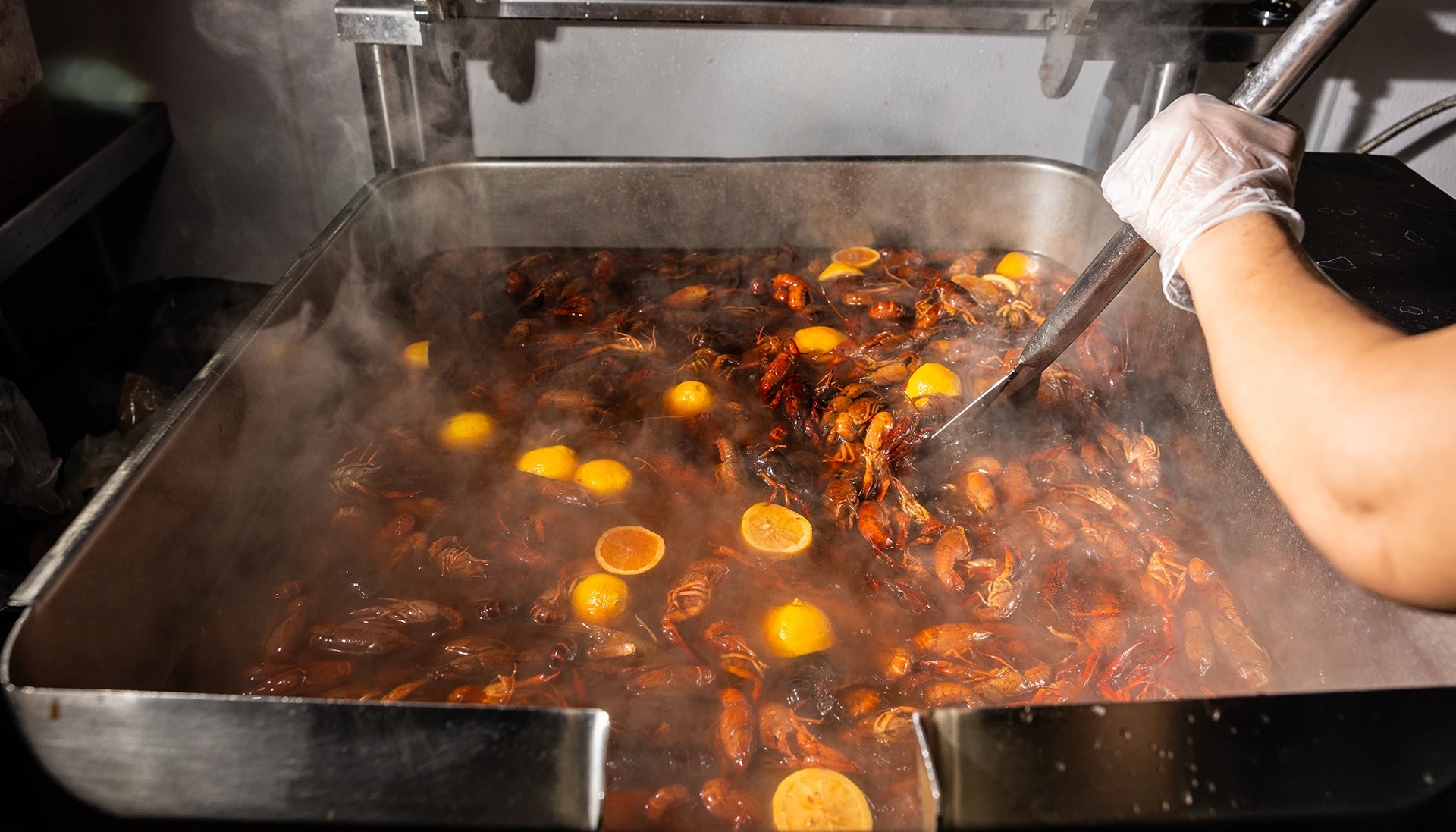
When you gather around a steaming pot of boiled seafood at a Cajun restaurant, the shared mess becomes the point: peeling shells, passing bowls, and wiping hands create a rhythm that pulls people into the same moment. You lean in, trade stories, and let conversation follow the pace of cracking claws and peeling tails. The tactile work lowers barriers because nobody is trying to be perfect, so laughter comes easy.
Eating Cajun cuisine with hands invites touch and eye contact and turns a meal into a cooperative task. Diners pass platters, offer sauces, and accept shells without ceremony, which builds trust and warmth faster than plated formality. By the end of the meal, you haven’t just eaten; you’re connected through a casual, communal ritual that feels both simple and profound.
Seafood Boil Hosting Checklist: Tools, Timing, Cleanup
If you want the party to run smoothly, start by laying out tools, a clear timeline, and a cleanup plan before you buy the seafood. Gather a large stockpot with a strainer basket or collapsible insert, sturdy tongs, heatproof gloves, a long-handled skimmer, serving trays or butcher paper, plenty of ice for chilling side items, and waterproof table covers.
Plan cooking windows so that shellfish are cooked first, followed by potatoes and corn, and finish with shrimp and other quick-cooking items so everything reaches the table hot. Schedule guest arrivals and allow a 15–30 minute soak or seasoning time, and block 45–60 minutes for active cooking.
For cleanup, have heavy-duty trash bags, disposable gloves, a hose or outdoor sink, biodegradable soap, and a compost bin ready to separate shells and waste. The flavors and techniques of Cajun cuisine pair perfectly with a seafood boil and can inspire your seasoning choices and side dishes.
Cajun food traditions share much with what you might experience at a Cajun restaurant, and they can help shape a festive, communal meal centered on fresh seafood.
Make Prep Participatory: Simple Guest Tasks and Roles
Get guests involved by assigning small, clear tasks such as rolling silverware in napkins, shucking corn, rinsing shrimp, or mixing a Cajun spice blend so everyone feels useful without slowing the cook.
Divide responsibilities by skill and comfort, asking a few steady hands to tend the burner, creating a kid-friendly station for husking and setting bibs, and giving someone upbeat the job of timing rounds and calling when each pot is ready.
Keep instructions brief and visible on a chalkboard or index card to help mimic the organized pace of a busy Cajun restaurant kitchen.
Provide gloves, tongs, and a trash bowl to make tasks tidy and suitable for handling seafood.
Rotate roles so no one is stuck with cleanup alone and so the preparation of Cajun cuisine becomes a shared part of the gathering rather than a bottleneck.
How Bold Flavors and Textures Spark Conversation
Having guests pitch in for prep sets the tone for a communal meal, and bold flavors and contrasting textures keep that energy alive at the table.
Cajun cuisine thrives on the kind of spice and smoke that invites conversation when spicy sausage, tangy lemon, and smoky paprika mingle with sweet corn and tender shellfish.
Every bite surprises the palate and prompts someone to comment, especially when the seafood arrives with a pronounced, savory kick.
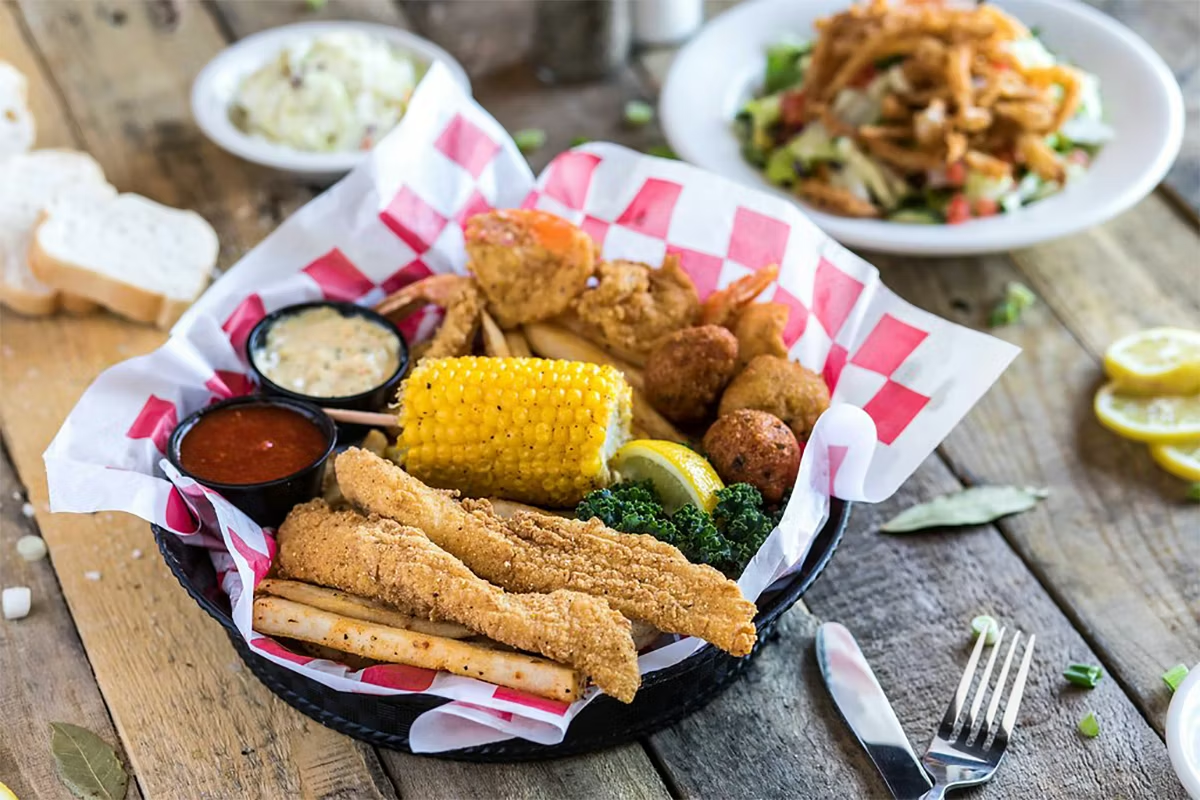
Crunchy slaw, buttery rolls, and firm potatoes create tactile variety that encourages people to compare favorites and share tips about what they like best.
When sauces range from vinegary to creamy, debates naturally arise about pairings and heat levels within a Cajun food spread.
Tasting stations and small bowls of condiments allow guests to customize plates and talk through choices, turning eating into communal exploration rather than quiet consumption.
Variations and Menus: Crab Boils, Cajun Shrimp, Low-Country
Explore regional riffs that keep communal seafood boils fresh. Crab boils pile jumbo blue crabs, corn, and potatoes into a steam of Old Bay–forward spice.
Cajun shrimp centers on bold, smoky spice blends and quick-cooked shellfish tossed with sausage and lemon.
Lowcountry feasts lean on sweet, briny littlenecks or shrimp with milder spice and plenty of buttery, herby broth for dunking.
You can choose a menu to set the tone. A rustic approach uses newspaper-lined tables and whole crabs for fingered feasting, while a Cajun cuisine–inspired option serves Cajun shrimp over dirty rice as a spicier, plated course.
For a Lowcountry spread, crusty bread and drawn butter accompany the meal so guests soak up the flavorful broth.
Offer simple binaries such as hot or mild and communal pile or plated courses so everyone digs in together without fuss.