When Crawfish Season Starts and Why It Matters
You’ll start seeing crawfish appear at markets and on menus when water temperatures climb into the 50–60°F range and spring rains push them to move and molt. Timing shifts by region and weather, and those shifts affect availability, quality, and price for cooks and buyers who prepare Cajun food and other seafood dishes. If you want a reliable supply or a memorable boil, pay attention to the signals fishers use because a few wet weeks can change everything, and many restaurants, including Razzoo’s Cajun Cafe, follow those same signs when planning their Cajun cuisine offerings.
When Crawfish Season Starts : Regional Timing
Although exact dates shift year to year, crawfish season usually starts in late winter to early spring across most of the U.S.
Regional differences are noticeable: on the Gulf Coast and in Louisiana, season often begins earlier, sometimes as soon as February, because milder winters allow crawfish to emerge sooner. In the Midwest and northern states, the season typically waits until March or April when waters warm. In the Pacific Northwest and mountain regions, the season can lag until late spring.
Local fisheries reports and market availability indicate when catches peak in each area.
Knowing regional timing helps people plan trips, buy fresh product, or schedule festivals so they can enjoy crawfish alongside Cajun cuisine, at a Cajun restaurant, or as part of broader seafood celebrations.
What Triggers the Season: Temperature, Rain, and Migration
When water temperatures rise and spring rains swell ponds and bayous, crawfish become more active and begin moving into shallow, vegetated areas to feed and mate. A steady warming trend around 50–60°F prompts them to leave deeper winter refuges, while sudden cold snaps halt that movement.
Rain both raises water levels to open new feeding grounds and triggers downstream cues that stimulate migration from burrows. Changes in oxygen and water clarity cause crawfish to concentrate where conditions suit feeding and reproduction.
Observing temperature curves and recent rainfall provides a better indication of local season starts than relying on calendar dates, and those seasonal shifts are the reason fresh crawfish turn up on menus at Cajun restaurants and inspire classic Cajun cuisine and other seafood dishes.
Life Cycle Timing: Molting, Migration, and Peak Harvest Windows
Understanding molting, migration, and peak harvest windows helps you time traps and expect when crawfish will be most abundant.
You watch seasonal cues; as water warms, juveniles and adults molt more frequently, becoming vulnerable and more likely to feed. That increased activity concentrates crawfish in feeding and shelter areas, boosting catch rates for buyers, processors, and Cajun restaurants that depend on steady seafood supplies.
Migration follows molting cycles because post-molt individuals move from deeper refuges toward flooded fields, ditches, and edges where food is available.
Peak harvest windows often occur a few weeks after initial warming and rains when molts have synchronized and migrations are underway.
Fisher and Buyer Signals: What to Watch on the Water
You can read the water like a market because signs that crawfish are on the move show up in both fisher behavior and buyer activity. Fishers check traps more often and haul in larger, more active crawfish with tails curled and claws moving, which signals recent molting and feeding.
Increased numbers of boats and trucks on levees and more gear on shore usually mean local buyers expect a steady supply for Cajun cuisine and other seafood markets. Buyers texting or haggling at docks, quick loading of live bins, and fewer returns indicate confidence in quality and steady demand from Cajun restaurants and seafood sellers.
Changes in bait use and trap placement shifting toward shallow marshes reflect crawfish migration patterns and where harvests are concentrating. Together, these fisher and buyer signals provide real-time cues about where harvesting is concentrated and how the season is unfolding for producers and purveyors of Cajun food.
How Season Timing Affects Prices and Market Availability
When harvests shift earlier or later than usual, prices and availability respond quickly: an early surge often floods local markets and pushes wholesale prices down, while delays tighten supply, drive up bids from restaurants and retailers, and create more competition at docks.
Buyers adjust orders, cancel contracts, or seek alternative suppliers when sizes and counts change, and retailers mark prices to move inventory fast during gluts while raising them when supplies thin.
Cajun restaurants and other eateries alter menus to reflect rising costs, with Cajun cuisine frequently changing portioning strategies or featuring different seafood dishes based on what’s available.
Wholesalers reroute shipments regionally to balance surpluses, and traders monitor catch reports and shipment schedules closely because timing directly shapes cash flow, inventory turnover, and profit margins throughout the season.
How Droughts, Heavy Rains, and Warming Shift Season Dates
When droughts shrink wetlands, heavy rains flood marshes, or warming raises water temperatures, crawfish seasons can start much earlier or much later than fishermen expect. Traps tend to yield sooner in warm, dry springs, and seasons can stall or produce prolonged low catches after extreme rain or sustained heat.
Fishers monitor water depth, salinity, and temperature because those factors drive crawfish molting and migration. Shallow, warm water speeds growth, while cold, turbid, or abruptly altered habitats delay activity.
Rain-driven runoff can wash juveniles from productive areas or create hypoxic zones that suppress yields for weeks. Extended heat can stress populations, which shifts peak harvests forward while reducing overall abundance.
These shifts affect the supply chain for Cajun cuisine and seafood-focused Cajun restaurants, altering the availability and timing of fresh crawfish for classic Cajun food dishes.
Best Time to Buy or Host a Crawfish Boil
The best time to buy or host a crawfish boil is during peak season, which runs from late winter through spring, when supply, size, and flavor are most reliable and prices tend to be lower.
During this period you’ll find fresher, meatier crawfish and more predictable pricing, which helps when planning portions and budgets for a Cajun food spread or seafood-centered gathering. Weekends in March or April are ideal because local harvests peak and vendors tend to restock more frequently.
It’s wise to book your supplier about a week ahead if you need large quantities, and to check catch updates so short windows after storms don’t disrupt plans for a crawfish-centric Cajun cuisine event. Early season or late spring can offer smaller crowds or off-peak discounts, although you should expect more variability in size and availability during those times.
Keeping the menu flexible and the timeline tight will help accommodate fluctuations in supply for a successful Cajun restaurant-style boil.
Sustainable Harvesting Practices and Why Timing Matters
Because crawfish populations and water conditions fluctuate seasonally, sustainable harvesting emphasizes timing the catch to protect breeding cycles and maintain healthy stocks for the long term.
Harvesting should be avoided during peak spawning and early juvenile development when females carry eggs or young so that more crawfish reach maturity and continue to support Cajun cuisine and local seafood traditions.
Effort should be adjusted to local regulations and seasonal closures while gear choices that reduce bycatch and habitat damage, such as restricted trap sizes and lighter disturbance, help protect juveniles and aquatic vegetation that make Cajun food and restaurant offerings possible.
Rotating harvest locations allows depleted areas to recover, and monitoring catches enables the early detection of population declines that could affect the supply of seafood for Cajun restaurants.
Choosing seasonally appropriate harvests, following rules, and reporting observations all contribute to resilient ecosystems and productive future seasons for Cajun cuisine.
How Season Timing Shapes Restaurant Menus and Supply Chains
If you run a restaurant or manage procurement, seasonal timing dictates menu availability and pricing for crawfish, so you’ll plan dishes and promotions around predictable peaks and lulls. You’ll schedule crawfish specials at a Cajun restaurant when supply is plentiful and prices drop, and you’ll substitute alternatives or offer limited-quantity items during leaner weeks.
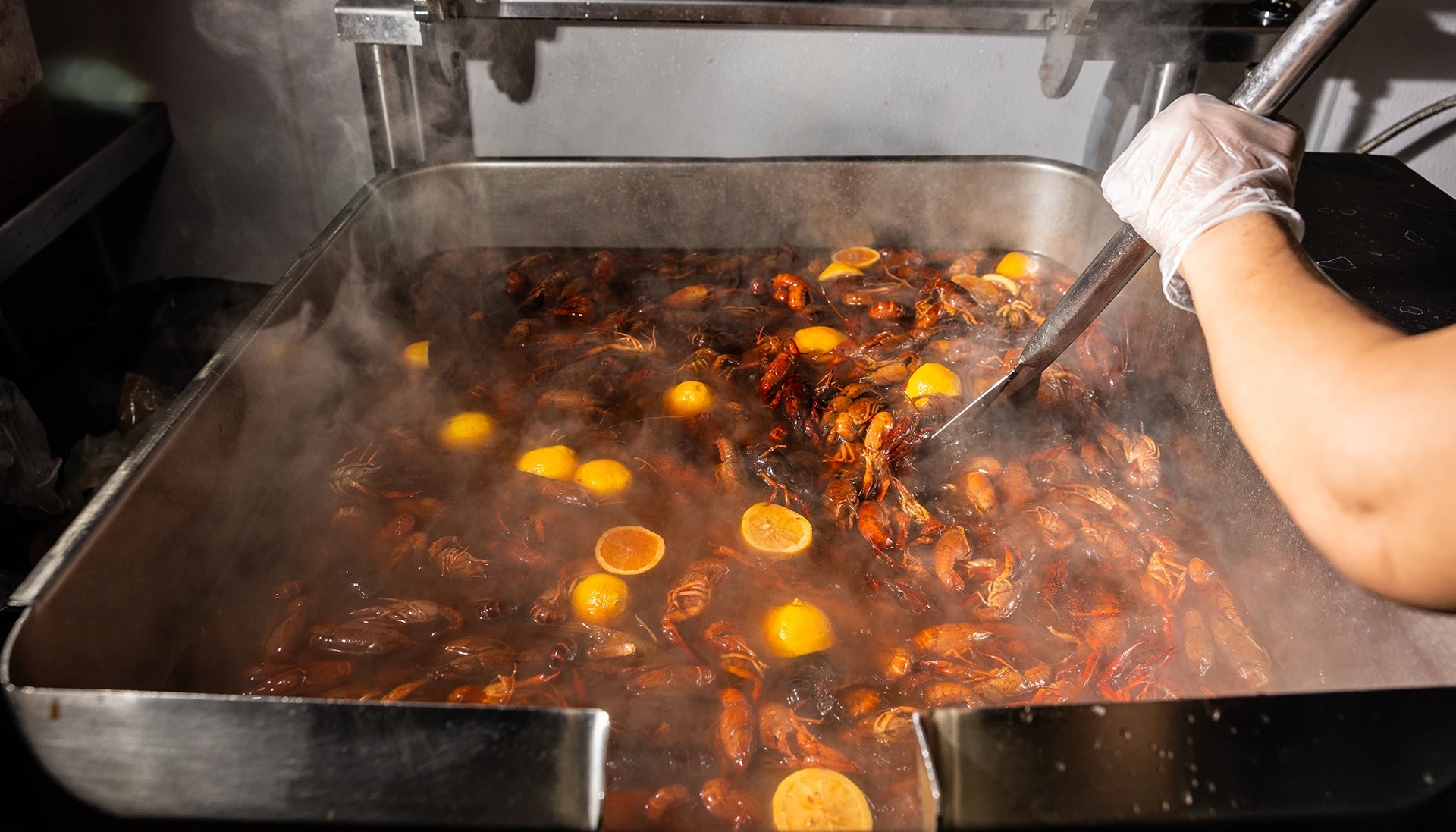
Purchasing cycles tighten during peak season as you lock in contracts, arrange extra storage, and coordinate deliveries to handle higher turnover for seafood. During off-peak periods, you’ll trim crawfish from menus, promote other Cajun cuisine and seafood dishes, and rely more on frozen inventory to stabilize costs.
Communicating timing to front-of-house staff and marketing helps set guest expectations and reduces waste. Smart timing keeps margins steady, preserves quality, and strengthens supplier relationships.